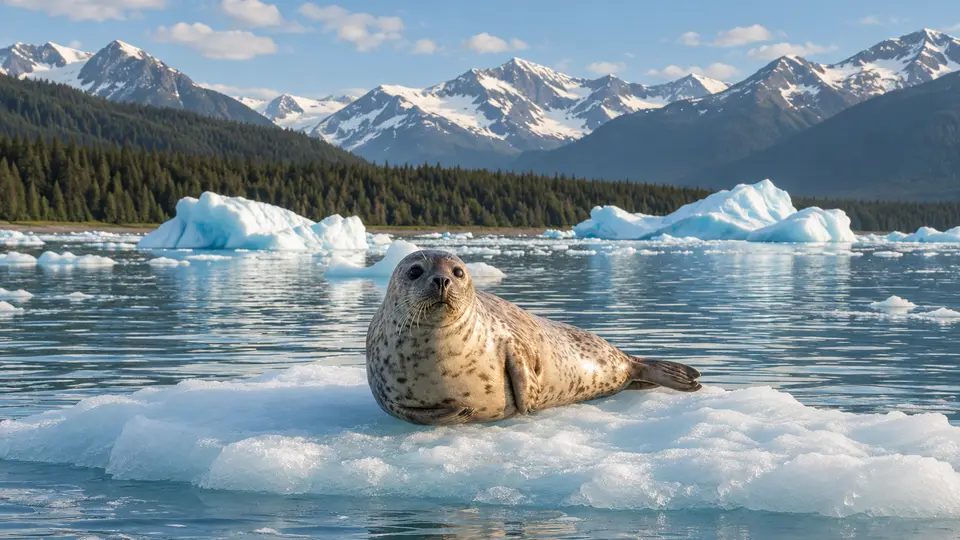
Harbor Seal in its natural habitat, AI illustration

Harbor Seal: where and when to see them

Phoca vitulina

Harbor Seal at a glance

The harbor seal is a compact true seal with a rounded head, expressive whiskers and a coat patterned with pale or dark spots. It occurs along temperate and subarctic Northern Hemisphere coasts, including Alaska and New England. Individuals rest ashore between feeding trips, making distant land-based observation possible where haul-outs are accessible. Global abundance masks substantial local differences, and some regional populations have experienced serious declines.

Behaviour & reproduction

Size
1.2–1.9 m body length
Weight
60–150 kg
Lifespan
20–35 years
Status
Least Concern

Harbor seals gather at haul-outs but usually forage independently. Resting groups remain alert, lifting their heads at unfamiliar sounds or approaching people. Tides, weather and disturbance influence when they come ashore. Pups can swim shortly after birth and nurse for only a few weeks. During breeding, males advertise through vocal displays in the water, while the annual moult increases the importance of undisturbed resting time. Pups are born with an adult-like coat, enabling them to swim and dive within hours of birth, unlike many other seal species. They can often be seen 'bottling' or holding their heads vertically out of the water while resting, especially in calm waters. During the annual moult, which occurs in summer, seals spend significantly more time ashore to conserve energy and promote new fur growth.

Top wildlife locations

Alaska wildlife habitat

Alaska

Rocky channels, tidal flats and some glacier-fed bays support haul-out habitat visible from shore or distant decks. Remote sites may be inaccessible, and seals should never be approached on occupied beaches.

Adventure cruises in Alaska
New England wildlife habitat

New England

Public coastal viewpoints overlooking rocky ledges and tidal sandbars can support distant viewing. Some haul-outs are offshore or seasonally closed, so accessible mainland viewpoints are preferable to attempting island access.

Adventure cruises in New England

Destinations describe the species' habitat, not guaranteed cruise stops. Some animals require an optional inland excursion or are found in restricted reserves.

Fun facts about the Harbor Seal

  • Each seal's spot pattern can help researchers recognize individuals.
  • Pups normally shed their white fetal coat before birth.
  • Their hind flippers cannot rotate beneath the body for walking.
  • Whiskers can detect the water trails produced by moving fish.

Best time to see the Harbor Seal

In Alaska, late spring through summer combines practical access with pupping or moulting activity in many areas. New England supports year-round viewing at some sites, with strong winter concentrations elsewhere. Local tide schedules often matter more than a broad monthly recommendation. In New England, female seals give birth from late May to early July, making early summer a good time to potentially see pups. Alaskan populations typically pup slightly later, from June through August. The best viewing opportunities from cruise ships in both regions often coincide with lower tides, when more haul-outs are exposed.

Harbor Seal: season matrix by destination

Travel and observation windows vary by region. Highlighted months are an orientation for planning, not confirmed sightings or a guarantee of access.

Alaska

This is a practical coastal travel window; pupping, moulting and ice use vary among Alaskan regions.

JanFebMarAprMayJunJulAugSepOctNovDec
Cruise ships in Alaska

New England

Present year-round regionally, but individual sites have different seasonal peaks; tides, weather and local closures determine practical viewing.

JanFebMarAprMayJunJulAugSepOctNovDec
Cruise ships in New England

Where the Harbor Seal lives

Rocky skerries, tidal sandbars, sheltered beaches and estuaries provide resting habitat near feeding grounds. Some Alaskan seals also use floating glacial ice. Haul-outs may disappear beneath rising tides, so visible coastal habitat changes substantially over a single day. While typically coastal, some populations, like those in Alaska's Cook Inlet, can be found many miles upriver. They often return to the same haul-out sites year after year, demonstrating strong site fidelity. Harbor seals generally avoid open, exposed coastlines, preferring the protection of bays and coves.

What the Harbor Seal eats

Harbor seals eat varied fish, squid and crustaceans, adjusting to local prey supplies. Herring, sand lance, cod-like fishes and flatfish can be important. Sensitive whiskers help detect water movements left by prey, supporting hunting when visibility is poor. In New England, seals are known to target seasonally abundant fish like Atlantic mackerel during their migrations. Their diet varies significantly not just by location but also by season, reflecting opportunistic feeding habits. They are also known to consume crustaceans such as crabs and shrimp when fish are less available.

Species at a glance

Common name
Harbor Seal
Scientific name
Phoca vitulina
Animal group
Mammals
Size
1.2–1.9 m body length
Weight
60–150 kg
Lifespan
20–35 years
Status
Least Concern
Identification
Compared with grey seals, harbor seals have a shorter, rounded muzzle and V-shaped nostrils rather than a long, heavy, horse-like head. Harbor seals display a wide range of coat colors, from silvery-grey to dark brown, often mottled with darker spots or rings. Their smaller, more compact size compared to grey seals is also a key differentiator, especially when seen side by side. They typically have a more rounded head profile than grey seals, lacking the pronounced 'Roman nose' of the larger species.

Harbor Seal: frequently asked questions

Where can I see the Harbor Seal?
Alaska, New England. Use binoculars from well back on shore and follow local seal-viewing distances. Never enter a haul-out or position yourself between seals and water. A lone pup may be awaiting its mother, so keep people and dogs away. When viewing from a boat, maintain a slow, steady course and avoid sudden movements or loud noises that could flush resting seals. Always respect posted regulations or guidance from naturalists regarding approach distances to protect these animals. Remember that continuous disturbance can cause seals to abandon preferred resting sites, impacting their energy reserves.
When is the best time to see the Harbor Seal?
In Alaska, late spring through summer combines practical access with pupping or moulting activity in many areas. New England supports year-round viewing at some sites, with strong winter concentrations elsewhere. Local tide schedules often matter more than a broad monthly recommendation. In New England, female seals give birth from late May to early July, making early summer a good time to potentially see pups. Alaskan populations typically pup slightly later, from June through August. The best viewing opportunities from cruise ships in both regions often coincide with lower tides, when more haul-outs are exposed.
How big does the Harbor Seal get?
1.2–1.9 m body length. Adult weight: 60–150 kg. Size varies with age, sex and population.
How should I behave around the Harbor Seal?
Use binoculars from well back on shore and follow local seal-viewing distances. Never enter a haul-out or position yourself between seals and water. A lone pup may be awaiting its mother, so keep people and dogs away. When viewing from a boat, maintain a slow, steady course and avoid sudden movements or loud noises that could flush resting seals. Always respect posted regulations or guidance from naturalists regarding approach distances to protect these animals. Remember that continuous disturbance can cause seals to abandon preferred resting sites, impacting their energy reserves.
What does the Harbor Seal eat?
Harbor seals eat varied fish, squid and crustaceans, adjusting to local prey supplies. Herring, sand lance, cod-like fishes and flatfish can be important. Sensitive whiskers help detect water movements left by prey, supporting hunting when visibility is poor. In New England, seals are known to target seasonally abundant fish like Atlantic mackerel during their migrations. Their diet varies significantly not just by location but also by season, reflecting opportunistic feeding habits. They are also known to consume crustaceans such as crabs and shrimp when fish are less available.
Are wildlife sightings guaranteed on an adventure cruise?
No. Animals move freely and routes, weather, access restrictions and local conditions influence every outing. Confirm the actual itinerary and shore program before booking.

Compare wildlife in the same destinations

Explore other mammals recorded in these destinations. Similar surroundings do not mean the animals share the same habits or viewing season.

Species comparison by animal group and destination
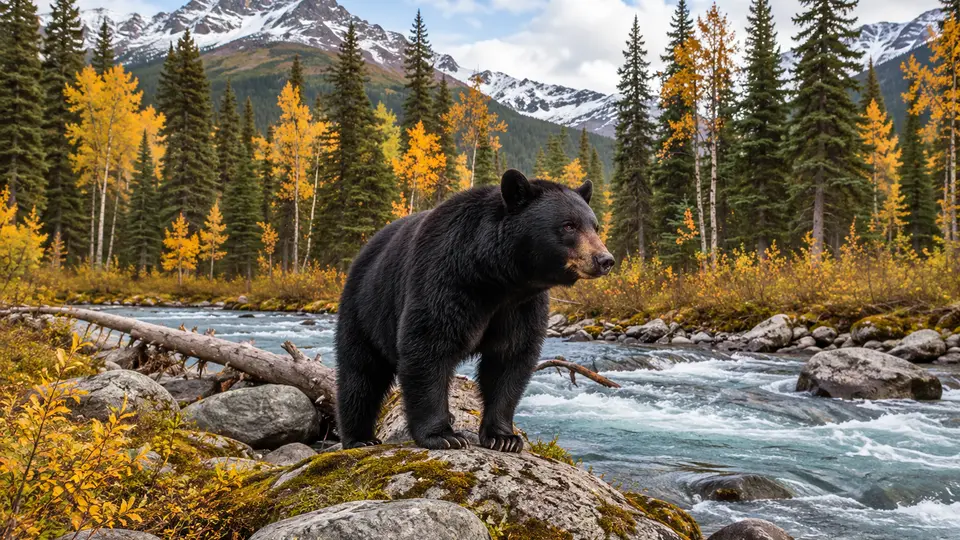
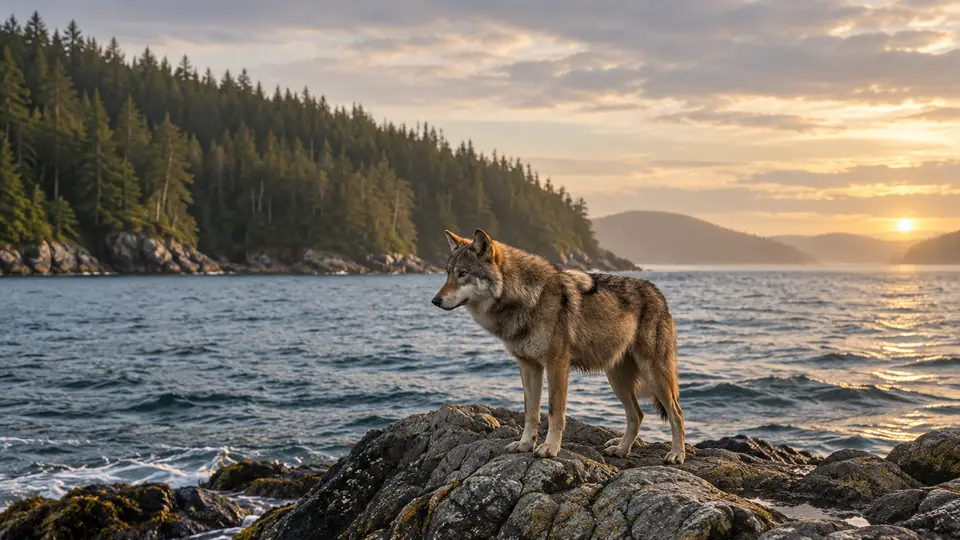
Harbor SealHarbor SealAlexander Archipelago WolfAlexander Archipelago WolfAmerican Black BearAmerican Black Bear
Animal groupMammalsAnimal groupMammalsAnimal groupMammals
DestinationsAlaska, New EnglandDestinationsAlaskaDestinationsAlaska, New England
All wildlife destinations
Plan your trip

Find your next wildlife adventure

Compare destinations, shore programs and dates with the animals and habitats you would love to see.

  • Naturalist-led shore excursions
  • Responsible wildlife watching
  • Small expedition ships

Newsletter

Take Blue Rides with you

Adventure cruise offers, last-minute deals and trip inspiration.

Free, unsubscribe anytime. Details: Privacy Policy

Partner with Blue Rides

Affiliate Program

Recommend adventure cruises and earn commission on every confirmed booking.

Share. Track. Earn.

Your footage, our stage

Send us your videos or pictures.

Captured beautiful landscapes or wildlife? Share your videos and pictures with us, we may feature them on Blue Rides.