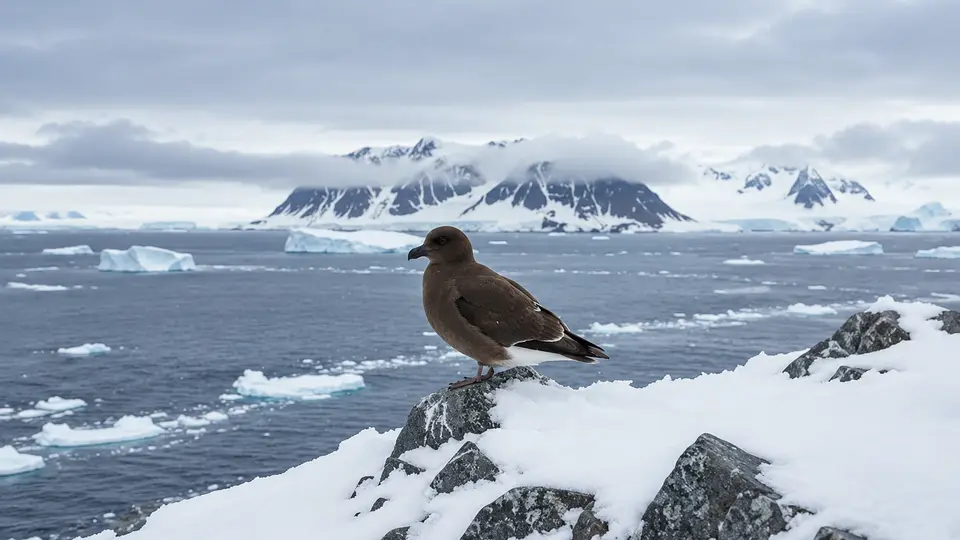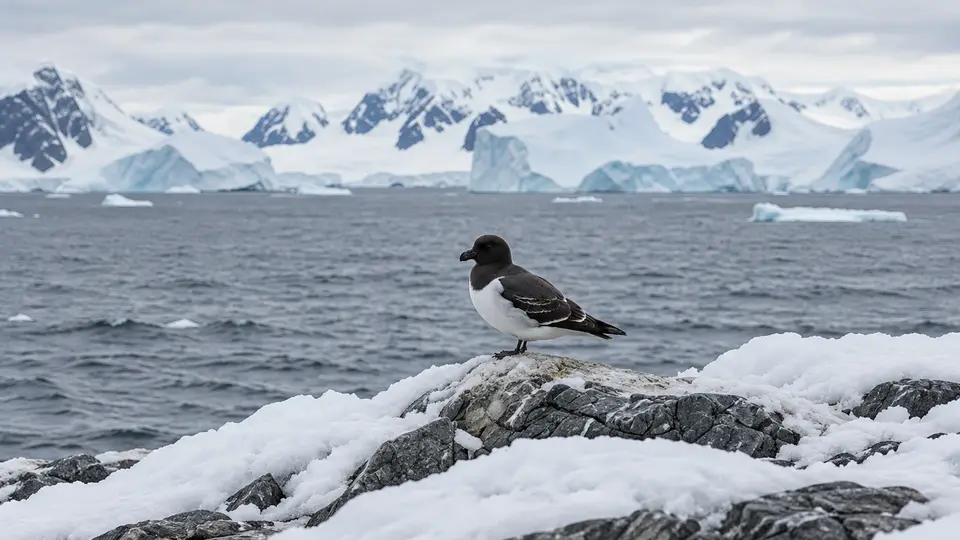
Cape Petrel in its natural habitat, AI illustration

Cape PetrelDaption capenseWhere and when to see them

Cape Petrel at a glance

The Cape petrel is a boldly patterned Southern Ocean seabird, familiar for its black-and-white chequered back and brisk flight. Despite its alternative name, Cape pigeon, it belongs to the tubenosed seabirds rather than the pigeons. It breeds on rocky Antarctic and subantarctic coasts, then ranges widely at sea. Its striking plumage is unusually consistent between males and females, making behaviour and setting more useful than appearance for interpreting individual birds.

Behaviour & reproduction

Size
35-40 cm long; 80-90 cm wingspan
Weight
340-480 g
Lifespan
Not reliably established
Status
Least Concern

Cape petrels frequently gather around concentrations of food, sometimes joining noisy mixed flocks with other seabirds. They take food at the surface and may make short plunges. On breeding ledges, pairs defend small territories with calls, postures and, when threatened, accurately directed stomach oil. Adults share incubation and chick care. Outside the breeding season they disperse widely, using winds to alternate low glides with quick wingbeats above the waves. Cape petrels are highly social birds, often seen in large feeding aggregations and breeding colonies. They have a buoyant, erratic flight characterized by alternating glides and short, rapid wingbeats. Courtship rituals include mutual preening and head-nodding displays at the nest site.

Top wildlife locations

Antarctica wildlife habitat

Antarctica

Rocky coastal viewpoints and vessel decks near Antarctic breeding islands offer plausible observation settings. Nesting ledges are generally inaccessible or protected, and weather or ice may prevent access to otherwise suitable coastal areas.
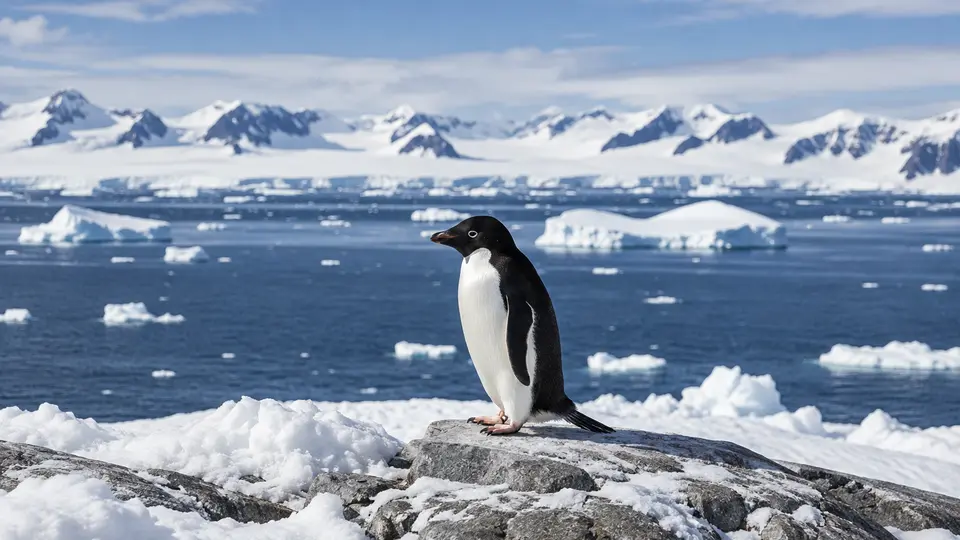
Destinations describe the species' habitat, not guaranteed cruise stops. Some animals require an optional inland excursion or are found in restricted reserves.

Fun facts about the Cape Petrel

  • It is the only living species in the genus Daption.
  • A breeding pair normally lays a single egg.
  • Its defensive stomach oil also serves as an energy-rich food reserve.
  • The name Cape pigeon refers to its appearance, not its evolutionary relationships.

Best time to see the Cape Petrel

November through March offers the main Antarctic visitor window, with breeding activity concentrated in the austral summer. December and January can overlap incubation and chick rearing, depending on locality. Weather, sea ice and route choices strongly influence opportunities for distant observation. Early December through February is ideal for observing active colonies with both adults and chicks present. The presence of pack ice in some areas can lead to excellent viewing opportunities from the ship's deck. Breeding typically commences in late November, with eggs laid through early December.

Cape Petrel: season matrix by destination

Travel and observation windows vary by region. Highlighted months are an orientation for planning, not confirmed sightings or a guarantee of access.

Antarctica

These months reflect the usual Antarctic travel window and overlap breeding activity, but neither access nor sightings is assured.

JanFebMarAprMayJunJulAugSepOctNovDec
Cruise ships in Antarctica

Where the Cape Petrel lives

Breeding habitat consists of exposed rocky ledges, cliffs and stony slopes on Antarctic and subantarctic islands and coasts. Away from nests, Cape petrels occupy cold ocean waters, including continental shelves, frontal zones and the margins of seasonal sea ice. The species breeds on several subantarctic islands including the South Sandwich, South Orkney, South Shetland, and Bouvet Islands. During the non-breeding season, Cape petrels are pelagic, often found over the continental shelf and slope waters further north. They often roost on icebergs when at sea.

What the Cape Petrel eats

Krill and other crustaceans form much of the diet, supplemented by small fish, squid and carrion. Birds also exploit food brought near the surface by other predators. The balance varies with location, season and the availability of concentrated prey. They are opportunistic feeders, often observed scavenging behind fishing vessels and around whale carcasses. The distinct black and white plumage makes them easily identifiable when foraging at sea. Their diet composition can also include amphipods and small cephalopods.

Species at a glance

Common name
Cape Petrel
Scientific name
Daption capense
Animal group
Birds
Size
35-40 cm long; 80-90 cm wingspan
Weight
340-480 g
Lifespan
Not reliably established
Status
Least Concern
Identification
Its sharply chequered black-and-white upperparts distinguish the Cape petrel from the mostly uniform Antarctic petrel and the all-white snow petrel. Their medium size, about 39 cm (15 inches) in length, helps differentiate them from larger albatrosses and smaller storm petrels. The white underparts with a dark throat patch are also a key feature. They have a distinctive white patch at the base of the primary feathers, visible in flight.

Cape Petrel: frequently asked questions

Where can I see the Cape Petrel?
Antarctica. Watch flying birds from a stable deck position or established shore viewpoint. Keep clear of nesting ledges, where disturbed adults may spit stomach oil, and follow local wildlife-distance rules without blocking flight approaches. When viewing from the ship, watch for their distinctive flight pattern as they weave low over the waves. On shore excursions, maintain a respectful distance to avoid causing stress to nesting birds. Binoculars are essential for observing details of their plumage and nesting activities.
When is the best time to see the Cape Petrel?
November through March offers the main Antarctic visitor window, with breeding activity concentrated in the austral summer. December and January can overlap incubation and chick rearing, depending on locality. Weather, sea ice and route choices strongly influence opportunities for distant observation. Early December through February is ideal for observing active colonies with both adults and chicks present. The presence of pack ice in some areas can lead to excellent viewing opportunities from the ship's deck. Breeding typically commences in late November, with eggs laid through early December.
How big does the Cape Petrel get?
35-40 cm long; 80-90 cm wingspan. Adult weight: 340-480 g. Size varies with age, sex and population.
How should I behave around the Cape Petrel?
Watch flying birds from a stable deck position or established shore viewpoint. Keep clear of nesting ledges, where disturbed adults may spit stomach oil, and follow local wildlife-distance rules without blocking flight approaches. When viewing from the ship, watch for their distinctive flight pattern as they weave low over the waves. On shore excursions, maintain a respectful distance to avoid causing stress to nesting birds. Binoculars are essential for observing details of their plumage and nesting activities.
What does the Cape Petrel eat?
Krill and other crustaceans form much of the diet, supplemented by small fish, squid and carrion. Birds also exploit food brought near the surface by other predators. The balance varies with location, season and the availability of concentrated prey. They are opportunistic feeders, often observed scavenging behind fishing vessels and around whale carcasses. The distinct black and white plumage makes them easily identifiable when foraging at sea. Their diet composition can also include amphipods and small cephalopods.
Are wildlife sightings guaranteed on an adventure cruise?
No. Animals move freely and routes, weather, access restrictions and local conditions influence every outing. Confirm the actual itinerary and shore program before booking.

Compare wildlife in the same destinations

Explore other birds recorded in these destinations. Similar surroundings do not mean the animals share the same habits or viewing season.

Species comparison by animal group and destination
Cape PetrelCape PetrelAdélie PenguinAdélie PenguinAntarctic PetrelAntarctic Petrel
Animal groupBirdsAnimal groupBirdsAnimal groupBirds
DestinationsAntarcticaDestinationsAntarcticaDestinationsAntarctica
All wildlife destinations
Plan your trip

Find your next wildlife adventure

Compare destinations, shore programs and dates with the animals and habitats you would love to see.

  • Naturalist-led shore excursions
  • Responsible wildlife watching
  • Small expedition ships

Newsletter

Take Blue Rides with you

Adventure cruise offers, last-minute deals and trip inspiration.

Free, unsubscribe anytime. Details: Privacy Policy

Partner with Blue Rides

Affiliate Program

Recommend adventure cruises and earn commission on every confirmed booking.

Share. Track. Earn.

Your footage, our stage

Send us your videos or pictures.

Captured remarkable nature or wildlife on your journey? Share it with us, we may feature it on Blue Rides.