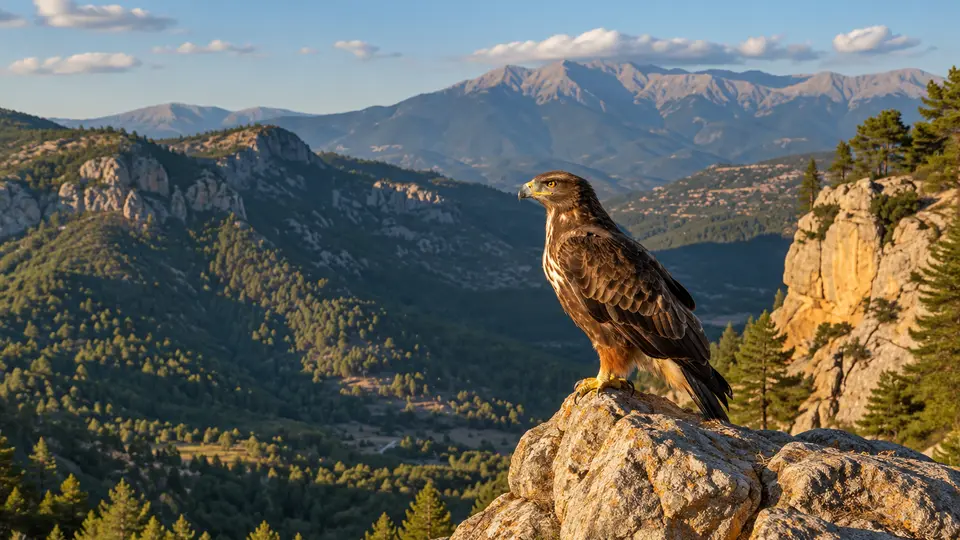
Bonelli's Eagle in its natural habitat, AI illustration

Bonelli's Eagle: where and when to see them

Aquila fasciata

Bonelli's Eagle at a glance

Bonelli's eagle is a powerful, agile raptor of warm, broken landscapes, including Mediterranean cliffs and scrub-covered hills. Adults contrast dark upperparts with pale, streaked underparts and a broad dark tail band. Although globally assessed as Least Concern, it is scarce and conservation-sensitive in parts of Europe. Productive territories need both secure nesting places and open hunting habitat, while electrocution, collisions, persecution and disturbance can undermine otherwise suitable landscapes.

Behaviour & reproduction

Size
55–65 cm long; 145–165 cm wingspan
Weight
1.5–2.5 kg
Lifespan
Not reliably established
Status
Least Concern

Territorial pairs often remain together throughout the year, maintaining large home ranges around traditional nesting areas. They hunt from perches, by low searching flight or through fast aerial pursuit, and may cooperate when attacking prey. Courtship can include conspicuous aerial displays. Nests are substantial stick structures, usually on cliffs in Mediterranean settings, and repeated human presence near an active nest can disrupt breeding even when the adults initially remain visible. Courtship flights often involve spectacular undulations and talon-grappling between partners, usually occurring near the nest site. They are known for their powerful, direct flight, often soaring purposefully with relatively stiff wings, different from the more buoyant soaring of some other eagles.

Top wildlife locations

Greece wildlife habitat

Greece

Rugged coastal cliffs and nearby scrub-covered hills provide plausible distant viewing habitat. The eagle is scarce, and an inland excursion may be required; nest cliffs can be sensitive or inaccessible.

Adventure cruises in Greece
Destinations describe the species' habitat, not guaranteed cruise stops. Some animals require an optional inland excursion or are found in restricted reserves.

Fun facts about the Bonelli's Eagle

  • The name honours Italian naturalist Franco Andrea Bonelli.
  • Pairs sometimes hunt cooperatively.
  • Young birds have warmer, more rufous underparts than adults.
  • A territory may contain several alternative nests used in different years.

Best time to see the Bonelli's Eagle

Resident pairs may be present year-round in Greece. Spring and autumn can offer comfortable scanning conditions, while breeding-season disturbance requires particular restraint. Warm rising air may encourage soaring later in the morning, but territorial birds can remain out of view for long periods. The post-breeding dispersal of young birds in late summer and early autumn can sometimes lead to sightings in less typical areas. Early mornings, when the air is still cool, can also be productive for observing birds leaving their roosts to begin hunting.

Bonelli's Eagle: season matrix by destination

Travel and observation windows vary by region. Highlighted months are an orientation for planning, not confirmed sightings or a guarantee of access.

Greece

These are comfortable landscape-observation months, not a presence limit; resident birds occur year-round and spring nests require extra distance.

JanFebMarAprMayJunJulAugSepOctNovDec
Cruise ships in Greece

Where the Bonelli's Eagle lives

Rocky hills, gorges and coastal cliffs adjoining scrub, open woodland and low-intensity farmland provide suitable habitat. Nest sites need relative security from disturbance. In Greece, much potential territory lies inland or above rugged coasts rather than beside easily accessible waterfront paths. While specific habitat features are crucial, their strong fidelity to nesting sites means they often remain in territories even if some habitat quality degrades. They are generally found at lower to mid-altitudes, avoiding the highest mountain ranges where other large raptors might dominate.

What the Bonelli's Eagle eats

Medium-sized birds and mammals are important prey, particularly pigeons, partridges and rabbits where available. Reptiles also contribute in some areas. Diet changes with local prey communities, and the eagle's manoeuvrability allows it to capture both ground-dwelling animals and birds in flight. Their diet frequently includes substantial numbers of rock doves and chukar partridge in many Greek locations. Juveniles and less experienced hunters may target smaller, easier prey items like small birds or lizards more frequently.

Species at a glance

Common name
Bonelli's Eagle
Scientific name
Aquila fasciata
Animal group
Birds
Size
55–65 cm long; 145–165 cm wingspan
Weight
1.5–2.5 kg
Lifespan
Not reliably established
Status
Least Concern
Identification
Adults show a pale back patch, streaked white underparts and a broad dark terminal tail band, unlike the more uniformly dark adult golden eagle. In flight, the adult Bonelli's Eagle displays distinct white underwing coverts contrasting with dark flight feathers, particularly prominent on the carpal joint. Juveniles are more uniformly rufous below, lacking the adult's streaked white underparts and often show a less defined tail band.

Bonelli's Eagle: frequently asked questions

Where can I see the Bonelli's Eagle?
Greece. Scan ridges from public viewpoints with binoculars or a telescope, staying well away from suspected nesting cliffs. Do not use playback, drones or shared nest coordinates; repeated circling or alarm calls warrant immediate withdrawal. Focus particular attention on cliffs with south-facing aspects, which are often preferred for nesting due to sun exposure. When observing, position yourself to minimize direct line of sight to the nest from your location, respecting their need for privacy.
When is the best time to see the Bonelli's Eagle?
Resident pairs may be present year-round in Greece. Spring and autumn can offer comfortable scanning conditions, while breeding-season disturbance requires particular restraint. Warm rising air may encourage soaring later in the morning, but territorial birds can remain out of view for long periods. The post-breeding dispersal of young birds in late summer and early autumn can sometimes lead to sightings in less typical areas. Early mornings, when the air is still cool, can also be productive for observing birds leaving their roosts to begin hunting.
How big does the Bonelli's Eagle get?
55–65 cm long; 145–165 cm wingspan. Adult weight: 1.5–2.5 kg. Size varies with age, sex and population.
How should I behave around the Bonelli's Eagle?
Scan ridges from public viewpoints with binoculars or a telescope, staying well away from suspected nesting cliffs. Do not use playback, drones or shared nest coordinates; repeated circling or alarm calls warrant immediate withdrawal. Focus particular attention on cliffs with south-facing aspects, which are often preferred for nesting due to sun exposure. When observing, position yourself to minimize direct line of sight to the nest from your location, respecting their need for privacy.
What does the Bonelli's Eagle eat?
Medium-sized birds and mammals are important prey, particularly pigeons, partridges and rabbits where available. Reptiles also contribute in some areas. Diet changes with local prey communities, and the eagle's manoeuvrability allows it to capture both ground-dwelling animals and birds in flight. Their diet frequently includes substantial numbers of rock doves and chukar partridge in many Greek locations. Juveniles and less experienced hunters may target smaller, easier prey items like small birds or lizards more frequently.
Are wildlife sightings guaranteed on an adventure cruise?
No. Animals move freely and routes, weather, access restrictions and local conditions influence every outing. Confirm the actual itinerary and shore programme before booking.

Compare wildlife in the same destinations

Explore other birds recorded in these destinations. Similar surroundings do not mean the animals share the same habits or viewing season.

Species comparison by animal group and destination
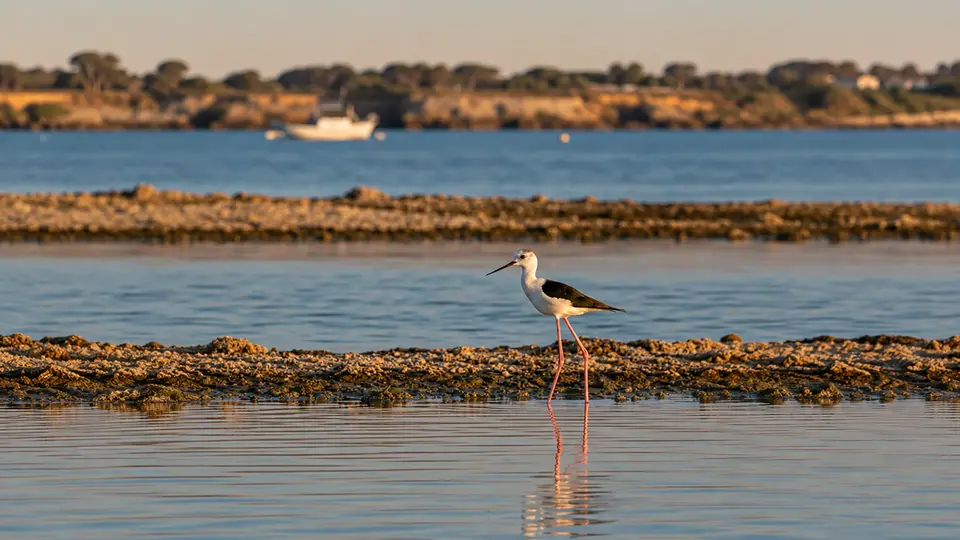
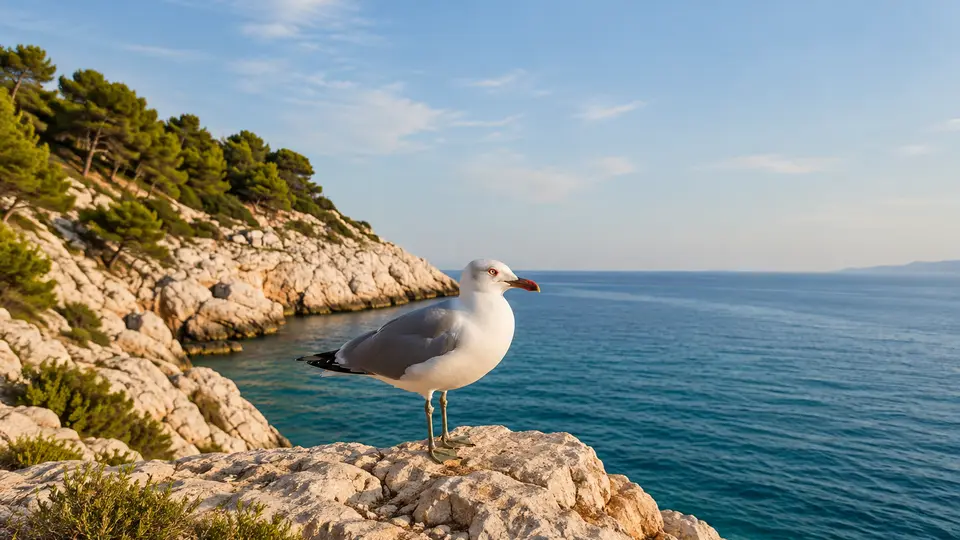
Bonelli's EagleBonelli's EagleAudouin's GullAudouin's GullBlack-winged StiltBlack-winged Stilt
Animal groupBirdsAnimal groupBirdsAnimal groupBirds
DestinationsGreeceDestinationsCroatia, Greece, Portugal, TurkeyDestinationsCroatia, Greece
All wildlife destinations
Plan your trip

Find your next wildlife adventure

Compare destinations, shore programmes and dates with the animals and habitats you would love to see.

  • Naturalist-led shore excursions
  • Responsible wildlife watching
  • Small expedition ships

Newsletter

Take Blue Rides with you

Adventure cruise offers, last-minute deals and trip inspiration.

Free, unsubscribe anytime. Details: Privacy Policy

Partner with Blue Rides

Affiliate Program

Recommend adventure cruises and earn commission on every confirmed booking.

Share. Track. Earn.