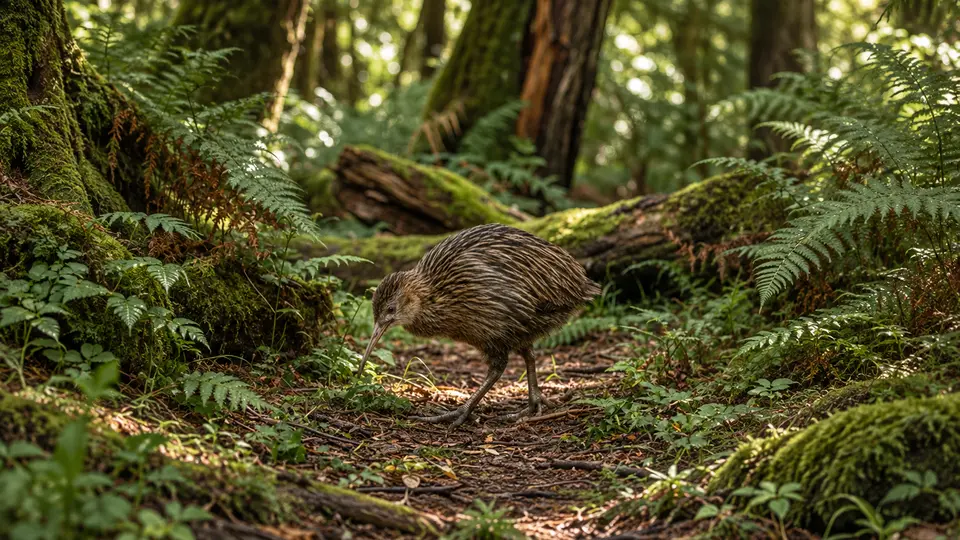
North Island brown kiwi in its natural habitatAI-modified

North Island brown kiwiApteryx mantelliWhere and when to see them

North Island brown kiwi at a glance

The North Island brown kiwi is a flightless, mostly nocturnal bird native to New Zealand's North Island and several nearby islands. Its shaggy brown feathers, powerful legs and long bill suit a life searching the forest floor rather than flying. Females are larger than males and produce exceptionally large eggs relative to their body size. Introduced predators remain a major threat, making predator control and carefully managed sanctuaries central to its recovery.

Behaviour & reproduction

Size
40–55 cm (15.7–21.7 in) body length
Weight
1.4–3.3 kg (3.1–7.3 lb)
Lifespan
25–50 years
Status
Vulnerable

Pairs maintain territories using calls and scent, often forming bonds that last for years. After dusk, birds probe soil and leaf litter, locating hidden prey with their sensitive bills. Males usually undertake incubation, remaining committed to the nest through a lengthy incubation period. Chicks hatch well developed and begin feeding independently while still young. Adults shelter by day in burrows, hollow logs or dense vegetation, and can defend themselves with strong kicks. Courtship involves complex vocalizations and sometimes mutual preening, strengthening pair bonds. Young chicks are precocial, meaning they are relatively mature and mobile from hatching, enabling early independence.

Top wildlife locations

New Zealand wildlife habitatAI-modified

New Zealand

Managed North Island forests and predator-controlled reserves offer guided walks on terrestrial trails. An inland or separate island excursion is usually required; ordinary coastal stops rarely provide realistic kiwi viewing opportunities.
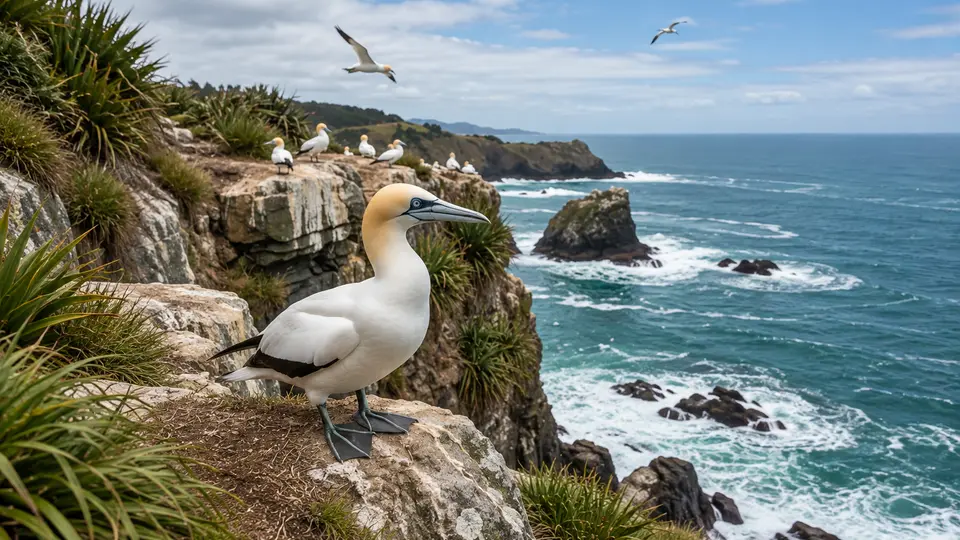
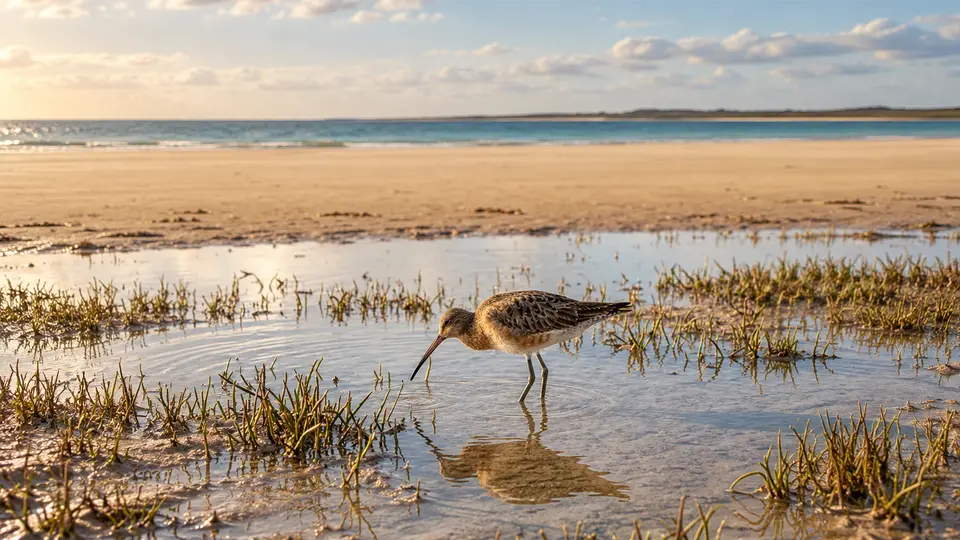
Destinations describe the species' habitat, not guaranteed cruise stops. Some animals require an optional inland excursion or are found in restricted reserves.

Fun facts about the North Island brown kiwi

  • Its nostrils lie close to the tip of its bill rather than near the base.
  • Females are larger than males, but males normally incubate the eggs.
  • Its feathers have a loose, hairlike appearance rather than a smooth flight-feather surface.
  • Chicks initially draw nourishment from a large retained yolk reserve.

Best time to see the North Island brown kiwi

Responsible guided night walks can operate throughout the year in managed North Island habitats. Mild, damp evenings often provide suitable listening conditions, although access and local rules matter more than a single season. Breeding timing varies geographically and should not determine visitor expectations. Prime viewing opportunities often align with stable weather conditions when birds are more active. While not seasonal, booking well in advance for guided walks is advisable, especially during peak tourist periods.

North Island brown kiwi: season matrix by destination

Travel and observation windows vary by region. Highlighted months are an orientation for planning, not confirmed sightings or a guarantee of access.

New Zealand

Guided access is possible year-round at some managed sites, subject to local schedules and weather; this is not a breeding calendar or a promise of sightings.

JanFebMarAprMayJunJulAugSepOctNovDec
Cruise ships in New Zealand

Where the North Island brown kiwi lives

This kiwi occupies native forest, regenerating scrub, plantation forest and some farmland with suitable cover. Moist, penetrable soil supports feeding, while roots, logs and banks provide shelter. Survival depends heavily on protection from introduced mammals, particularly in landscapes where dogs can enter kiwi habitat. This kiwi is less habitat-specialized than some other kiwi species, allowing it to adapt to modified landscapes where sufficient cover and food resources are present. It can also be found in coastal forests and sand dunes, showcasing its adaptability to various lowland environments.

What the North Island brown kiwi eats

Earthworms, insect larvae, beetles, spiders and other ground-dwelling invertebrates form much of its diet. It also takes some fallen fruit and plant material. Nostrils close to the bill tip help it investigate food concealed beneath soil and leaf litter. Their diet plays a crucial role in soil aeration and nutrient cycling in their ecosystems. They primarily forage by touch and smell rather than sight, relying on their highly developed olfactory senses.

Species at a glance

Common name
North Island brown kiwi
Scientific name
Apteryx mantelli
Animal group
Birds
Size
40–55 cm (15.7–21.7 in) body length
Weight
1.4–3.3 kg (3.1–7.3 lb)
Lifespan
25–50 years
Status
Vulnerable
Identification
Its streaked brown plumage and long pale bill distinguish it from spotted kiwis, but separation from other brown kiwi species relies strongly on location and expert assessment. Distinguishing North Island brown kiwi from other brown kiwi species, such as the Rowi or Southern brown kiwi, typically involves genetic analysis or precise geographic context. Their plumage often appears more uniform brown compared to the slightly more rufous tones seen in some other brown kiwi populations.

North Island brown kiwi: frequently asked questions

Where can I see the North Island brown kiwi?
New Zealand. Join an authorized night walk, follow the guide's lighting rules and remain quiet on marked paths. Never bring dogs into kiwi habitat or approach a calling bird. Even in managed sanctuaries, sightings are uncertain. Always maintain a respectful distance from any wildlife encountered. Participation in predator control programs directly supports the survival of these elusive birds, making sightings possible.
When is the best time to see the North Island brown kiwi?
Responsible guided night walks can operate throughout the year in managed North Island habitats. Mild, damp evenings often provide suitable listening conditions, although access and local rules matter more than a single season. Breeding timing varies geographically and should not determine visitor expectations. Prime viewing opportunities often align with stable weather conditions when birds are more active. While not seasonal, booking well in advance for guided walks is advisable, especially during peak tourist periods.
How big does the North Island brown kiwi get?
40–55 cm (15.7–21.7 in) body length. Adult weight: 1.4–3.3 kg (3.1–7.3 lb). Size varies with age, sex and population.
How should I behave around the North Island brown kiwi?
Join an authorized night walk, follow the guide's lighting rules and remain quiet on marked paths. Never bring dogs into kiwi habitat or approach a calling bird. Even in managed sanctuaries, sightings are uncertain. Always maintain a respectful distance from any wildlife encountered. Participation in predator control programs directly supports the survival of these elusive birds, making sightings possible.
What does the North Island brown kiwi eat?
Earthworms, insect larvae, beetles, spiders and other ground-dwelling invertebrates form much of its diet. It also takes some fallen fruit and plant material. Nostrils close to the bill tip help it investigate food concealed beneath soil and leaf litter. Their diet plays a crucial role in soil aeration and nutrient cycling in their ecosystems. They primarily forage by touch and smell rather than sight, relying on their highly developed olfactory senses.
Are wildlife sightings guaranteed on an adventure cruise?
No. Animals move freely and routes, weather, access restrictions and local conditions influence every outing. Confirm the actual itinerary and shore program before booking.

Compare wildlife in the same destinations

Explore other birds recorded in these destinations. Similar surroundings do not mean the animals share the same habits or viewing season.

Species comparison by animal group and destination
North Island brown kiwiAI-modifiedNorth Island brown kiwiAustralasian gannetAI-modifiedAustralasian gannetBar-tailed godwitAI-modifiedBar-tailed godwit
Animal groupBirdsAnimal groupBirdsAnimal groupBirds
DestinationsNew ZealandDestinationsNew ZealandDestinationsAustralia, New Zealand
Scientific nameApteryx mantelliScientific nameScientific name
All wildlife destinations
AI-modified
Plan your trip

Find your next wildlife adventure

Compare destinations, shore programs and dates with the animals and habitats you would love to see.

  • Naturalist-led shore excursions
  • Responsible wildlife watching
  • Small expedition ships