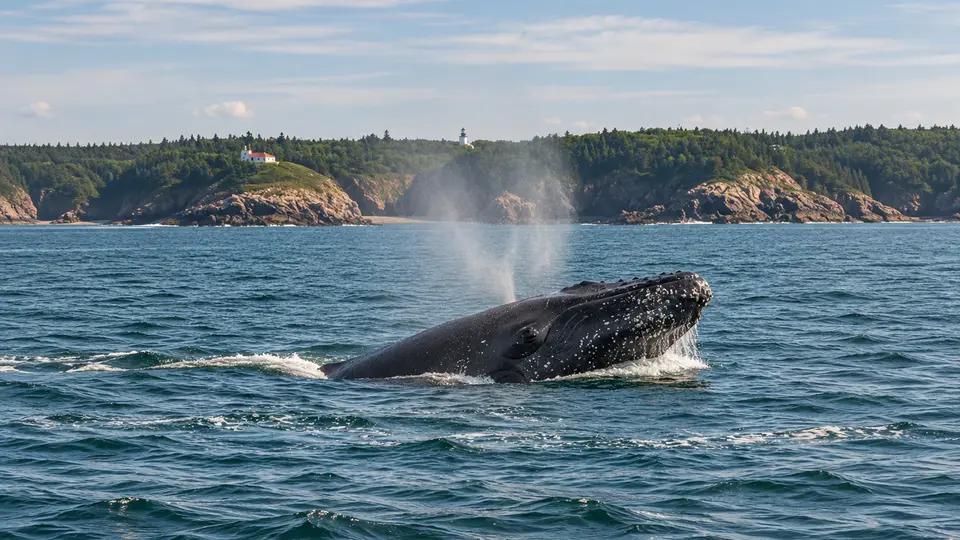
North Atlantic Right Whale in its natural habitatAI-modified

North Atlantic Right WhaleEubalaena glacialisWhere and when to see them

North Atlantic Right Whale at a glance

The North Atlantic right whale is a large baleen whale whose surviving population is concentrated in the western North Atlantic. Its dark body, broad back and pale-looking head callosities can sometimes be recognized from distant coastal viewpoints or decks. Centuries of whaling caused severe depletion, and entanglement in fishing gear and vessel strikes now impede recovery. Changing ocean conditions also shift its food supply and distribution, making historical seasonal patterns less dependable than they once were.

Behaviour & reproduction

Size
13–16 m (43–52 ft) length
Weight
40–70 tonnes (44–77 tons)
Lifespan
Not reliably established
Status
Critically Endangered

Right whales filter dense concentrations of tiny animals by moving with their mouths open, using long baleen plates to retain prey. At the surface they may rest, socialize in active groups or occasionally breach. Pregnant females migrate toward southeastern United States calving waters, while other animals may remain farther north. Mothers nurse a single calf and invest heavily in its early development. Movements vary among individuals, and not every whale follows the same annual route. Communication among right whales involves a variety of vocalizations, including moans, groans, and screams, which can travel long distances underwater. Calves are born after a gestation period of about 12 months and are relatively large at birth, typically 13 to 15 feet long. They are slow swimmers, making them especially vulnerable to vessel strikes and entanglement in fishing gear.

Top wildlife locations

Florida wildlife habitatAI-modified

Florida

Northeastern Florida's Atlantic beaches and elevated public shore viewpoints overlook part of the calving region. Whales remain uncommon and often distant; no inland excursion is relevant, and southern Florida is less dependable.

New England wildlife habitatAI-modified

New England

Cape Cod Bay and nearby outer-coast viewpoints offer plausible distant shore observation during seasonal use. Whales may remain far beyond easy identification; access restrictions apply, and no particular beach provides reliable sightings.

Destinations describe the species' habitat, not guaranteed cruise stops. Some animals require an optional inland excursion or are found in restricted reserves.

Fun facts about the North Atlantic Right Whale

  • Callosity patterns are distinctive enough to help researchers recognize individual whales.
  • The pale appearance of callosities largely comes from small crustaceans called whale lice living on them.
  • Females are generally larger than males.
  • Its long baleen plates filter copepods that are tiny compared with the whale itself.

Best time to see the North Atlantic Right Whale

Florida's principal coastal window is December through March, associated with calving off the southeastern United States. In New England, late winter and spring are important, especially around Cape Cod Bay. These are regional tendencies, not guarantees; distribution changes and protective restrictions must guide planning. Migration patterns are complex and influenced by oceanographic conditions, leading to variations in peak sightings. For example, some individuals may be observed in New England waters even during the early winter months if food sources are abundant. Monitoring whale presence and regulatory updates is crucial for responsible viewing during any season.

North Atlantic Right Whale: season matrix by destination

Travel and observation windows vary by region. Highlighted months are an orientation for planning, not confirmed sightings or a guarantee of access.

Florida

This window reflects the southeastern calving season, not Florida's general tourist season. Daily presence varies, and current protection measures take priority over viewing plans.

JanFebMarAprMayJunJulAugSepOctNovDec
Cruise ships in Florida

New England

Late winter and spring are established regional use periods, particularly in Cape Cod Bay. Timing and distribution vary annually with prey and ocean conditions.

JanFebMarAprMayJunJulAugSepOctNovDec
Cruise ships in New England

Where the North Atlantic Right Whale lives

This is a marine species of continental-shelf waters, including coastal bays and offshore feeding grounds. Important habitats range from relatively warm southeastern calving waters to productive northern feeding areas. Distribution depends strongly on prey concentrations, which can change with currents and ocean temperature. Historical records indicate they were once found throughout the North Atlantic, but their range has significantly contracted due to whaling. Critical habitat areas include specific nursery grounds and feeding aggregations off the northeast United States and Canadian Maritimes. Their reliance on coastal shelf waters makes them particularly vulnerable to human activities and habitat degradation.

What the North Atlantic Right Whale eats

Right whales specialize in small zooplankton, particularly energy-rich copepods such as Calanus finmarchicus. They strain these animals through hundreds of baleen plates rather than using teeth. Successful feeding requires dense prey patches, so apparently productive seawater does not necessarily provide adequate food. Their feeding strategy, known as skim feeding, involves continuously swimming through patches of copepods. The fine comb-like structure of their baleen plates efficiently filters these tiny crustaceans from the water. A single right whale can consume tons of copepods in a day to sustain its massive body.

Species at a glance

Common name
North Atlantic Right Whale
Scientific name
Eubalaena glacialis
Animal group
Marine life
Size
13–16 m (43–52 ft) length
Weight
40–70 tonnes (44–77 tons)
Lifespan
Not reliably established
Status
Critically Endangered
Identification
Unlike humpback and fin whales, the North Atlantic right whale has no dorsal fin and combines a broad, smooth back with head callosities and often a V-shaped blow. The callosities, rough patches of skin on the head, are unique to each individual and are used for photo identification. These callosities appear white or yellowish due to infestations of cyamids, or whale lice. The absence of throat grooves or pleats is another distinguishing feature when compared to rorqual whales.

North Atlantic Right Whale: frequently asked questions

Where can I see the North Atlantic Right Whale?
Florida, New England. Observe only at a distance from shore or a compliant vessel's deck. United States rules generally prohibit approaching within 500 yards. Never seek a closer view of a mother and calf, and follow current closures. Always maintain a slow, steady course when whales are sighted, and avoid sudden changes in speed or direction. Participating in organized whale watching tours with trained naturalists often provides the best and most responsible viewing opportunities. Always check local regulations, which may include specific vessel speed restrictions in designated whale zones.
When is the best time to see the North Atlantic Right Whale?
Florida's principal coastal window is December through March, associated with calving off the southeastern United States. In New England, late winter and spring are important, especially around Cape Cod Bay. These are regional tendencies, not guarantees; distribution changes and protective restrictions must guide planning. Migration patterns are complex and influenced by oceanographic conditions, leading to variations in peak sightings. For example, some individuals may be observed in New England waters even during the early winter months if food sources are abundant. Monitoring whale presence and regulatory updates is crucial for responsible viewing during any season.
How big does the North Atlantic Right Whale get?
13–16 m (43–52 ft) length. Adult weight: 40–70 tonnes (44–77 tons). Size varies with age, sex and population.
How should I behave around the North Atlantic Right Whale?
Observe only at a distance from shore or a compliant vessel's deck. United States rules generally prohibit approaching within 500 yards. Never seek a closer view of a mother and calf, and follow current closures. Always maintain a slow, steady course when whales are sighted, and avoid sudden changes in speed or direction. Participating in organized whale watching tours with trained naturalists often provides the best and most responsible viewing opportunities. Always check local regulations, which may include specific vessel speed restrictions in designated whale zones.
What does the North Atlantic Right Whale eat?
Right whales specialize in small zooplankton, particularly energy-rich copepods such as Calanus finmarchicus. They strain these animals through hundreds of baleen plates rather than using teeth. Successful feeding requires dense prey patches, so apparently productive seawater does not necessarily provide adequate food. Their feeding strategy, known as skim feeding, involves continuously swimming through patches of copepods. The fine comb-like structure of their baleen plates efficiently filters these tiny crustaceans from the water. A single right whale can consume tons of copepods in a day to sustain its massive body.
Are wildlife sightings guaranteed on an adventure cruise?
No. Animals move freely and routes, weather, access restrictions and local conditions influence every outing. Confirm the actual itinerary and shore program before booking.

Compare wildlife in the same destinations

Explore other marine life recorded in these destinations. Similar surroundings do not mean the animals share the same habits or viewing season.

Species comparison by animal group and destination
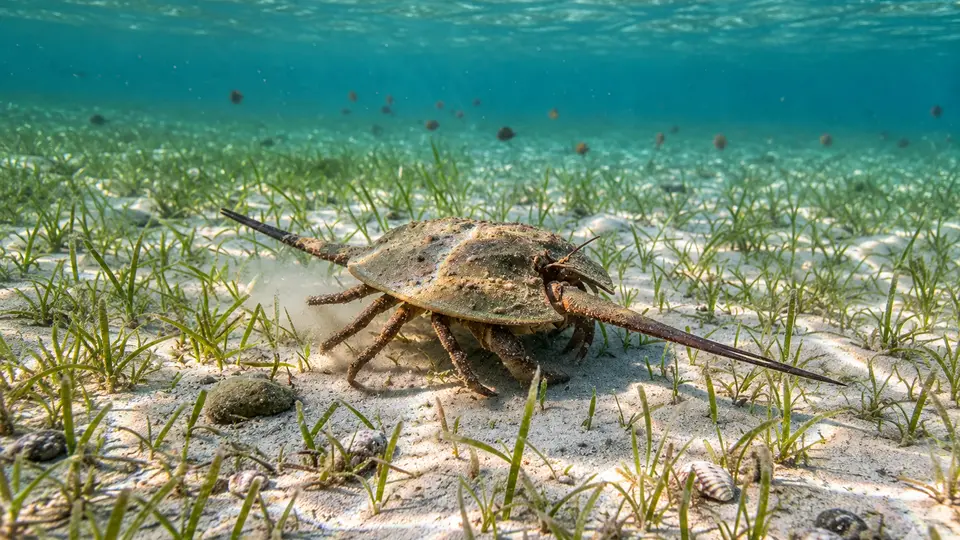
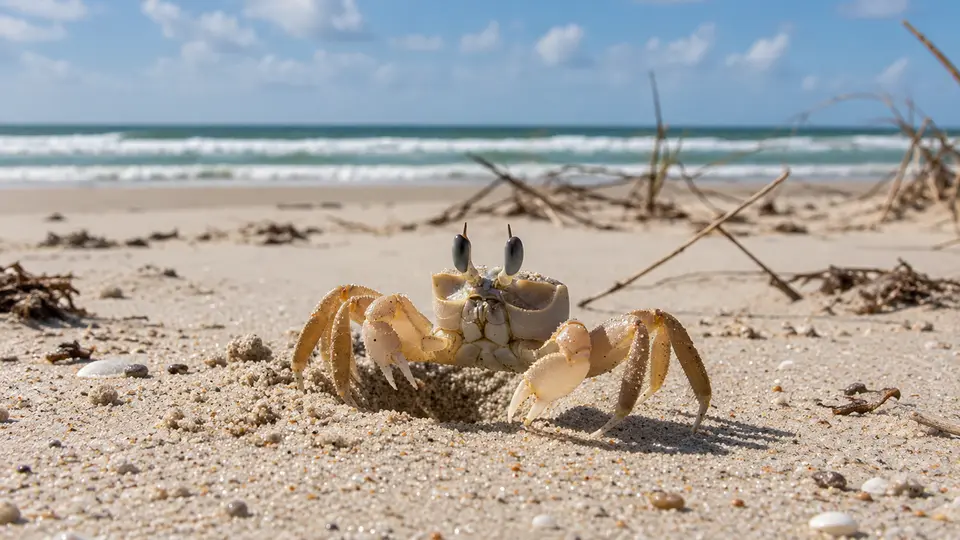
North Atlantic Right WhaleAI-modifiedNorth Atlantic Right WhaleAtlantic Ghost CrabAI-modifiedAtlantic Ghost CrabAtlantic Horseshoe CrabAI-modifiedAtlantic Horseshoe Crab
Animal groupMarine lifeAnimal groupMarine lifeAnimal groupMarine life
DestinationsFlorida, New EnglandDestinationsFloridaDestinationsFlorida, New England
Scientific nameEubalaena glacialisScientific nameScientific name
All wildlife destinations
AI-modified
Plan your trip

Find your next wildlife adventure

Compare destinations, shore programs and dates with the animals and habitats you would love to see.

  • Naturalist-led shore excursions
  • Responsible wildlife watching
  • Small expedition ships