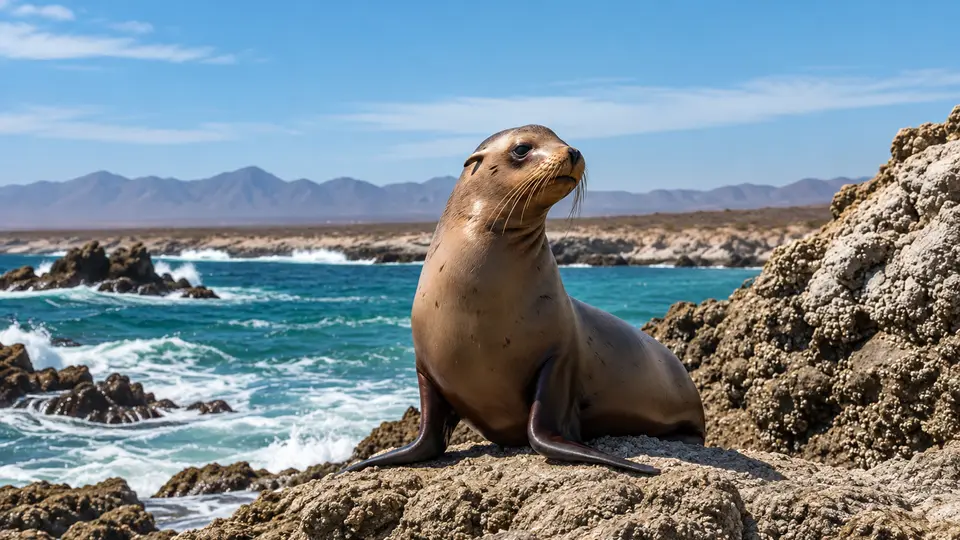
California Sea Lion in its natural habitatAI-modified

California Sea LionZalophus californianusWhere and when to see them

California Sea Lion at a glance

The California sea lion is a social, vocal marine mammal of the eastern North Pacific, including Mexico's Pacific coast and Gulf of California. Adult males are much larger than females and develop a pronounced forehead crest. Rocky islands and coastal haul-outs provide places to rest, breed and nurse young, while feeding occurs at sea. Although some animals readily occupy human structures, they remain powerful wild predators that need undisturbed space and access to the water.

Behaviour & reproduction

Size
Females 1.5-1.8 m (4.9-5.9 ft); males 2.0-2.5 m (6.6-8.2 ft)
Weight
Females 50-110 kg (110-243 lb); males 200-350 kg (441-772 lb)
Lifespan
15-25 years
Status
Least Concern

Sea lions gather closely on resting sites, barking, shifting position and occasionally disputing space. During breeding, territorial males defend areas used by females, and mothers alternate nursing visits with feeding trips. Pups recognize their mothers partly through vocal exchanges. Away from breeding sites, movements follow prey and seasonal conditions, with males often ranging more widely. Resting animals may appear inactive but can move quickly across rocks when startled or challenged. California sea lions are highly social animals, often seen in large groups on land and in the water. They are excellent swimmers and divers, capable of holding their breath for extended periods and reaching considerable depths to hunt.

Top wildlife locations

Mexico wildlife habitatAI-modified

Mexico

Rocky Baja California shores and Gulf of California haul-outs offer plausible coastal or distant deck viewing. Many colonies occupy offshore islands with restricted access, so shore-based opportunities depend on the particular locality.
Destinations describe the species' habitat, not guaranteed cruise stops. Some animals require an optional inland excursion or are found in restricted reserves.

Fun facts about the California Sea Lion

  • Adult males develop a prominent sagittal crest on the forehead.
  • They can rotate their hind flippers forward to move on land.
  • Mothers and pups recognize one another through distinctive calls.
  • Their breeding range includes both Pacific Baja California and the Gulf of California.

Best time to see the California Sea Lion

Mexican haul-outs may hold sea lions year-round, but abundance and accessibility vary locally. Breeding activity generally concentrates in late spring and summer, when colonies are especially sensitive. Cooler months can offer comfortable coastal viewing without implying that animals are absent during warmer conditions. In Mexico, breeding colonies are concentrated in the Gulf of California and along the Baja California peninsula. The presence of young pups during late spring and summer can offer particularly engaging viewing opportunities.

California Sea Lion: season matrix by destination

Travel and observation windows vary by region. Highlighted months are an orientation for planning, not confirmed sightings or a guarantee of access.

Mexico

These months provide a practical cooler-weather travel window; local animals may occur year-round, and the main breeding period is later.

JanFebMarAprMayJunJulAugSepOctNovDec
Cruise ships in Mexico

Where the California Sea Lion lives

Rocky shores, offshore islands, sheltered bays and some harbor structures provide haul-out habitat. Feeding ranges extend across coastal shelf waters and beyond. Breeding colonies require suitable shore access and relative security, while nonbreeding animals may rest at a wider variety of coastal sites. They are highly adaptable, often inhabiting both natural and human-modified coastal environments. Their distribution in Mexico extends along the Pacific coast and throughout the Gulf of California.

What the California Sea Lion eats

They eat schooling fish and squid, with anchovies, sardines, mackerel and other locally abundant prey contributing to the diet. Food choice changes across regions and years. Ocean warming and shifts in prey availability can increase foraging effort and affect pup growth and survival. Prey is typically consumed underwater, and they often forage at night or in low light conditions. Individual sea lions can consume 5-8% of their body weight daily when food is plentiful.

Species at a glance

Common name
California Sea Lion
Scientific name
Zalophus californianus
Animal group
Mammals
Size
Females 1.5-1.8 m (4.9-5.9 ft); males 2.0-2.5 m (6.6-8.2 ft)
Weight
Females 50-110 kg (110-243 lb); males 200-350 kg (441-772 lb)
Lifespan
15-25 years
Status
Least Concern
Identification
External ear flaps and long front flippers separate it from true seals, while its shorter, broader muzzle distinguishes it from the more pointed-faced Guadalupe fur seal. Adult males are significantly larger than females and develop a prominent sagittal crest, giving them a distinctive high forehead. Their coat is typically dark brown, appearing black when wet.

California Sea Lion: frequently asked questions

Where can I see the California Sea Lion?
Mexico. Watch haul-outs from designated shore viewpoints or a passing vessel's deck. Keep dogs away, never feed animals, and leave clear routes between resting sea lions and the sea, especially where large males are present. Observe these animals quietly from a safe distance to avoid disturbance, particularly when pups are present. Binoculars or a spotting scope are highly recommended for detailed viewing from afar.
When is the best time to see the California Sea Lion?
Mexican haul-outs may hold sea lions year-round, but abundance and accessibility vary locally. Breeding activity generally concentrates in late spring and summer, when colonies are especially sensitive. Cooler months can offer comfortable coastal viewing without implying that animals are absent during warmer conditions. In Mexico, breeding colonies are concentrated in the Gulf of California and along the Baja California peninsula. The presence of young pups during late spring and summer can offer particularly engaging viewing opportunities.
How big does the California Sea Lion get?
Females 1.5-1.8 m (4.9-5.9 ft); males 2.0-2.5 m (6.6-8.2 ft). Adult weight: Females 50-110 kg (110-243 lb); males 200-350 kg (441-772 lb). Size varies with age, sex and population.
How should I behave around the California Sea Lion?
Watch haul-outs from designated shore viewpoints or a passing vessel's deck. Keep dogs away, never feed animals, and leave clear routes between resting sea lions and the sea, especially where large males are present. Observe these animals quietly from a safe distance to avoid disturbance, particularly when pups are present. Binoculars or a spotting scope are highly recommended for detailed viewing from afar.
What does the California Sea Lion eat?
They eat schooling fish and squid, with anchovies, sardines, mackerel and other locally abundant prey contributing to the diet. Food choice changes across regions and years. Ocean warming and shifts in prey availability can increase foraging effort and affect pup growth and survival. Prey is typically consumed underwater, and they often forage at night or in low light conditions. Individual sea lions can consume 5-8% of their body weight daily when food is plentiful.
Are wildlife sightings guaranteed on an adventure cruise?
No. Animals move freely and routes, weather, access restrictions and local conditions influence every outing. Confirm the actual itinerary and shore program before booking.

Compare wildlife in the same destinations

Explore other mammals recorded in these destinations. Similar surroundings do not mean the animals share the same habits or viewing season.

Species comparison by animal group and destination
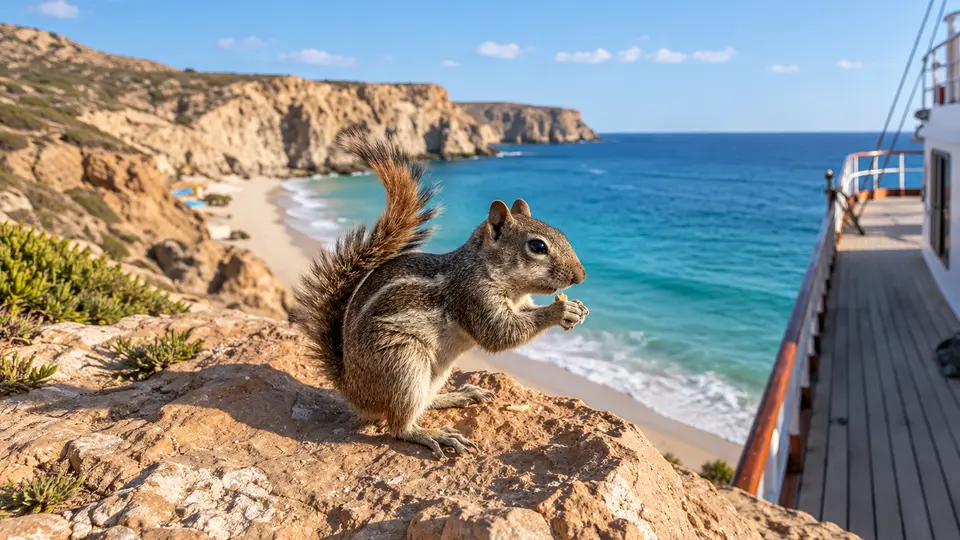
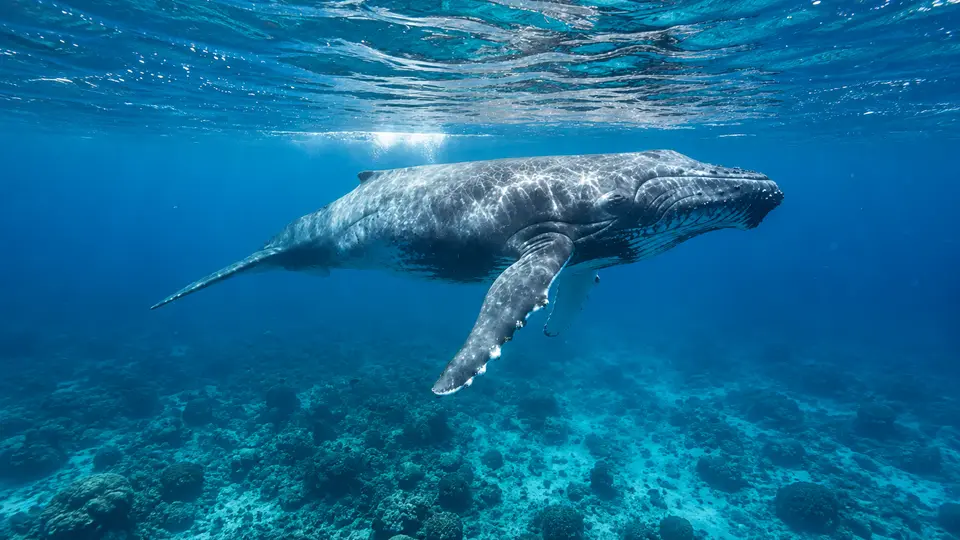
California Sea LionAI-modifiedCalifornia Sea LionBaja California Rock SquirrelAI-modifiedBaja California Rock SquirrelBlue WhaleAI-modifiedBlue Whale
Animal groupMammalsAnimal groupMammalsAnimal groupMammals
DestinationsMexicoDestinationsMexicoDestinationsMexico, Norway, Portugal, Antarctica, Arctic, Maldives, New Zealand
Scientific nameZalophus californianusScientific nameScientific name
All wildlife destinations
AI-modified
Plan your trip

Find your next wildlife adventure

Compare destinations, shore programs and dates with the animals and habitats you would love to see.

  • Naturalist-led shore excursions
  • Responsible wildlife watching
  • Small expedition ships