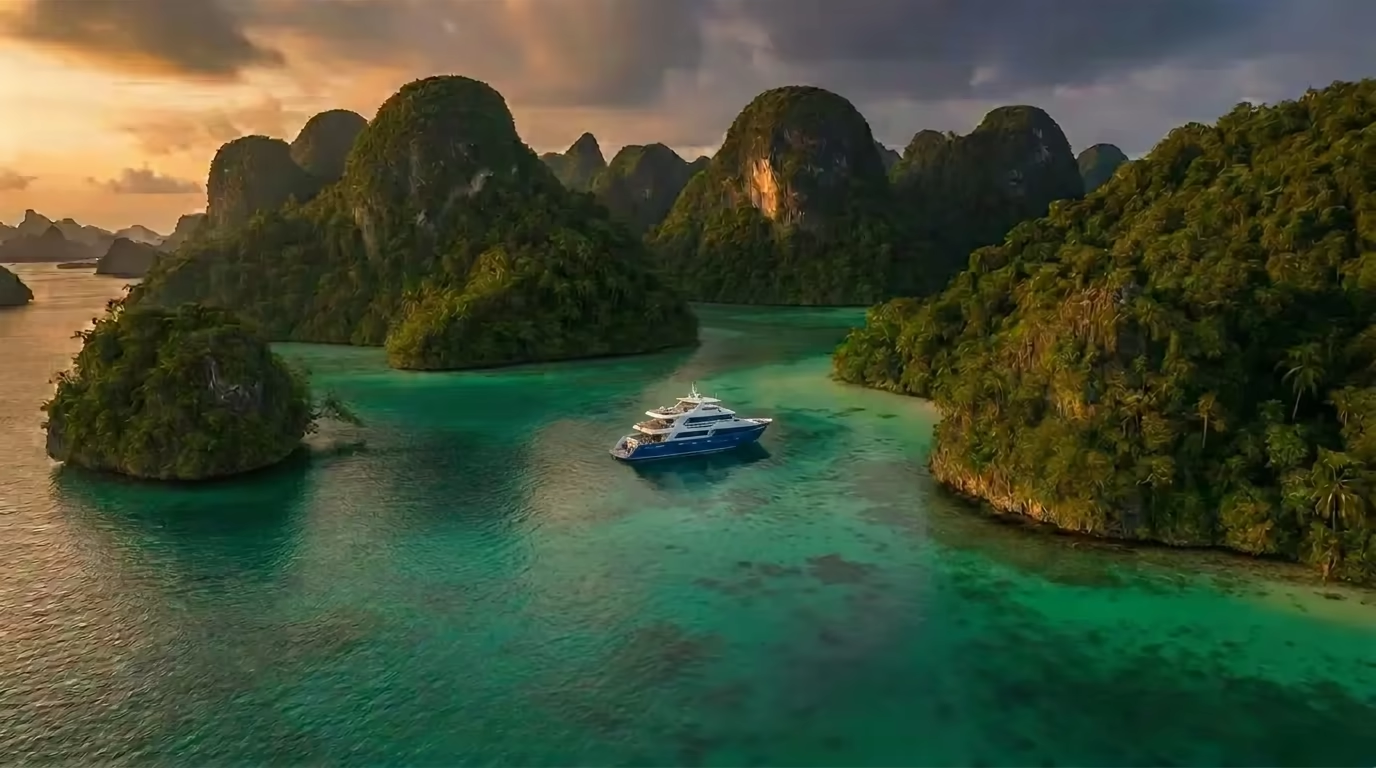
Deciding between Palau and Truk Lagoon for your next liveaboard dive trip is a thrilling dilemma for any avid diver. Both destinations, nestled in the Micronesian region of the Pacific, offer unparalleled underwater experiences, yet cater to distinct diving preferences. Palau is world-renowned for its vibrant coral reefs, dramatic drop-offs, and abundant pelagic life, often featuring strong currents that bring in large schools of fish and sharks.
Conversely, Truk Lagoon, now officially known as Chuuk Lagoon, is a somber underwater museum, a testament to World War II. It boasts the largest concentration of accessible sunken ships and aircraft in the world, offering a unique blend of historical exploration and artificial reef diving. While both are premier liveaboard destinations, understanding their core differences in terms of marine environment, dive profiles, and overall experience is crucial for planning your perfect trip.
This side-by-side comparison will delve into the specifics of what each destination offers, helping you determine whether Palau's pristine reefs or Truk Lagoon's historic wrecks align best with your diving aspirations and skill level.
| Palau | Truk Lagoon |
|---|---|
| Best Season | |
| October to April (drier, calmer seas) | October to April (drier, calmer seas), though good year-round |
| Top Marine Life | |
| Sharks (reef, grey, hammerhead, whale), manta rays, eagle rays, barracuda, tuna, diverse reef fish, healthy corals | Soft corals, anemones, macro life thriving on wrecks; occasional reef sharks, turtles |
| Trip Length & Price (USD) | |
| 7-10 nights; $4,000 - $7,000+ | 7-10 nights; $3,500 - $6,500+ |
| Experience Level | |
| Intermediate to Advanced (due to currents, drift diving) | Intermediate to Advanced (due to depth, overhead environments, wreck penetration) |
| Access | |
| Via Koror (ROR) with connections through Guam, Taipei, Manila, or Seoul | Via Chuuk (TKK) with connections through Guam or Port Moresby |
| Visibility & Water Temp | |
| 20-40m (65-130ft); 27-30°C (81-86°F) | 15-30m (50-100ft); 28-30°C (82-86°F) |
| Currents/Difficulty | |
| Often strong to very strong, requiring drift diving experience and good buoyancy | Generally mild currents within the lagoon; difficulty arises from depth and wreck penetration |
| Liveaboard Fleet Size | |
| Moderate (e.g., Palau Aggressor II, Rock Islands Aggressor, Solitude One, Black Pearl) | Smaller (e.g., Truk Master, Odyssey, Thorfinn) |
Palau is a mecca for pelagic encounters and vibrant reef diving. Its dive sites, such as Blue Corner, German Channel, and Peleliu Express, are famous for strong currents that attract an incredible density of sharks, manta rays, and massive schools of fish. You'll experience exhilarating drift dives along dramatic walls and through pristine coral gardens. The focus here is on the sheer abundance and diversity of marine life in a healthy, dynamic ecosystem.
Truk Lagoon, on the other hand, is primarily a wreck diving destination. Its waters hold the remnants of the Japanese Imperial Fleet, sunk during WWII's Operation Hailstone. Divers explore dozens of intact ships, planes, and submarines, now transformed into artificial reefs teeming with soft corals and macro life. While there's marine life, the primary draw is the historical exploration and the unique experience of diving through cargo holds, engine rooms, and even finding personal artifacts.
For Palau, an Advanced Open Water certification is highly recommended, and experience with drift diving is almost essential. Many dives involve strong currents and require good buoyancy control to navigate reef hooks and maintain position. While some sites are suitable for intermediate divers, the most iconic dives are best enjoyed by those comfortable in challenging conditions.
Truk Lagoon also requires an Advanced Open Water certification due to the depths of many wrecks (often 30-60 meters/100-200 feet). For wreck penetration, a Wreck Diver Specialty certification is crucial, and technical diving certifications are beneficial for exploring deeper sections or longer bottom times. Nitrox is highly recommended for both destinations to extend no-decompression limits.
Reaching both destinations typically involves international flights to major Asian hubs (e.g., Guam, Manila, Taipei, Seoul) followed by connecting flights. Palau (Koror, ROR) generally has more frequent and direct connections. Truk Lagoon (Chuuk, TKK) often requires a stop in Guam. Liveaboards are the preferred way to dive both locations, maximizing access to remote sites and providing a comprehensive dive itinerary.
Palau liveaboards usually depart from Koror. Truk Lagoon liveaboards operate from Weno, the main island. Both destinations require a dive permit, which is typically included in liveaboard packages or can be purchased upon arrival. It's advisable to book flights and liveaboards well in advance, especially during peak season.
While liveaboards are dive-focused, there are some non-diving attractions. In Palau, you might have the opportunity for land excursions to see the stunning Rock Islands, visit Jellyfish Lake (though the jellyfish population fluctuates), or explore waterfalls. The natural beauty above water is as captivating as below.
Truk Lagoon offers fewer traditional 'tourist' attractions outside of diving. The focus is almost entirely on the underwater historical sites. Some liveaboards may offer cultural visits to local villages or a brief tour of Weno, but these are secondary to the wreck diving experience. The allure of Truk is its unique historical significance, which is best appreciated underwater.
Your choice between Palau and Truk Lagoon hinges entirely on your diving priorities. If you dream of encountering large pelagic species, drifting along vibrant, healthy coral walls, and experiencing exhilarating current dives in a pristine natural environment, Palau is your ideal destination. It offers an abundance of marine life and breathtaking underwater topography, perfect for photographers and those who love dynamic reef diving.
However, if your passion lies in historical exploration, delving into the past, and navigating the hauntingly beautiful remnants of World War II, then Truk Lagoon is unmatched. Its sunken fleet offers a unique blend of wreck diving and artificial reef exploration, appealing to divers with a strong interest in history and those seeking a more technical or challenging dive experience. Both destinations promise world-class liveaboard adventures, but they deliver entirely different, equally unforgettable, underwater narratives.
Palau is significantly better for shark encounters, especially at sites like Blue Corner and Peleliu Express, where you can frequently see grey reef sharks, white-tip sharks, and even hammerheads or whale sharks.
Yes, an Advanced Open Water certification is a minimum. For wreck penetration, a Wreck Diver Specialty is highly recommended, and technical diving certifications are often beneficial due to depth and overhead environments.
Jellyfish Lake in Palau has seen fluctuating jellyfish populations. It's best to check current conditions before your trip, as access and the experience can vary.
Both Palau and Truk Lagoon offer warm water diving, typically ranging from 27-30°C (81-86°F), meaning a 3mm wetsuit or even a rash guard is often sufficient.
Prices for liveaboards are comparable, but Truk Lagoon might be slightly less expensive on average for a similar duration. However, flight costs can vary significantly depending on your departure point.
Currents within Truk Lagoon are generally mild compared to Palau's outer reefs. The primary challenges in Truk come from depth, overhead environments, and navigating wrecks, not strong currents.
Yes, the wrecks in Truk Lagoon have become artificial reefs, covered in an incredible array of soft corals, anemones, and sponges, creating a unique ecosystem.
Palau dives often range from 15-30 meters (50-100 feet) for reef and wall dives. Truk Lagoon wreck dives frequently go deeper, with many wrecks sitting at 30-60 meters (100-200 feet).
Browse our handpicked liveaboards and find your perfect dive adventure.