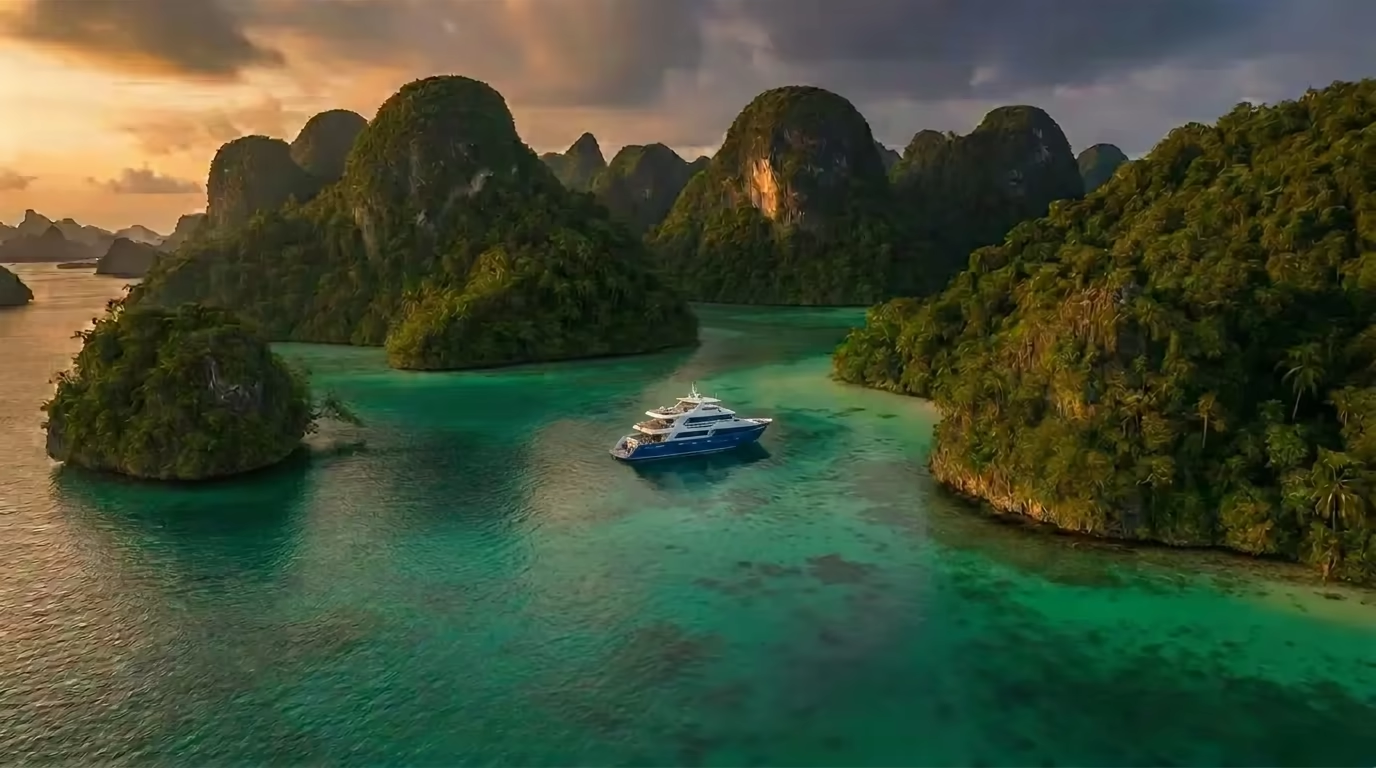
Choosing between the Maldives and Indonesia for a liveaboard diving trip is a delightful dilemma for any avid diver. Both destinations offer unparalleled underwater experiences, but they cater to different preferences and skill levels. The Maldives, an archipelago of 26 atolls, is renowned for its consistent pelagic encounters, crystal-clear visibility, and luxurious liveaboard options, often making it a top choice for those seeking a relaxed yet thrilling dive holiday.
Indonesia, a vast maritime nation spanning thousands of islands, presents a staggering diversity of dive sites, from the vibrant coral gardens of Raja Ampat to the macro wonders of Lembeh Strait. Its sheer scale means a wider range of experiences, from challenging currents to tranquil muck dives, appealing to divers looking for adventure and unique biodiversity. This comparison will help you navigate the nuances of each destination, ensuring you pick the perfect liveaboard adventure for your diving aspirations.
| Maldives | Indonesia |
|---|---|
| Best Season | |
| Dec-May (dry season, calm seas, high visibility) | Raja Ampat: Oct-Apr; Komodo: Apr-Oct; Lembeh: Year-round (peak May-Oct) |
| Top Marine Life | |
| Manta rays, whale sharks, reef sharks, schooling fish, vibrant coral reefs | Pygmy seahorses, frogfish, nudibranchs, manta rays, reef sharks, sunfish (Mola Mola), diverse coral ecosystems |
| Typical Trip Length | |
| 7-10 nights | 7-14 nights (can be longer for specific itineraries) |
| Average Price (7-night) | |
| $2,500 - $6,000+ | $2,000 - $7,000+ (varies greatly by region and vessel) |
| Experience Level | |
| Beginner to Advanced (some channels require intermediate/advanced) | Intermediate to Advanced (many sites with strong currents, specific muck diving skills) |
| Visibility & Water Temp | |
| 20-40m (65-130ft), 27-30°C (81-86°F) | 10-30m (30-100ft), 26-29°C (79-84°F) (can be cooler in Komodo) |
| Currents/Difficulty | |
| Moderate to strong in channels, drift diving common | Highly variable, from negligible to very strong; advanced current diving skills often beneficial |
| Liveaboard Fleet Size | |
| Approx. 100+ vessels | Approx. 200+ vessels (diverse range from budget to ultra-luxury phinisi) |
The Maldives is celebrated for its consistent encounters with large pelagic species. Its atoll structure creates channels where nutrient-rich waters attract manta rays and whale sharks, especially during specific seasons. Reefs are generally healthy, featuring diverse hard and soft corals, teeming with reef fish and sharks. Visibility is often exceptional, making it a photographer's dream.
Indonesia, by contrast, boasts the highest marine biodiversity on the planet, particularly in the Coral Triangle. Regions like Raja Ampat are unparalleled for coral density and fish species count. Komodo offers a mix of pelagic and macro, while Lembeh Strait is world-renowned for its unique critter diving. You'll find everything from tiny pygmy seahorses to majestic manta rays and schooling barracudas, often within the same trip, depending on the itinerary.
Access to the Maldives is primarily through Velana International Airport (MLE) near the capital, Malé. From there, liveaboards typically depart directly or arrange domestic transfers. The relatively small geographical area of popular dive sites means less travel time between locations once on board. English is widely spoken, and the tourism infrastructure is well-developed.
Indonesia's vastness means multiple international gateways, such as Jakarta (CGK) or Denpasar (DPS), often requiring domestic flights to reach liveaboard departure points like Sorong (SOQ) for Raja Ampat or Labuan Bajo (LBJ) for Komodo. This can add complexity and travel time. Visa requirements vary by nationality, and while English is understood in tourist areas, local languages are prevalent elsewhere. The sheer number of islands provides endless exploration opportunities, but also means longer transit days for some itineraries.
Maldivian liveaboards often lean towards a luxurious or comfortable experience, with many vessels offering spacious cabins, excellent cuisine, and dedicated dive tenders. The focus is on relaxation between dives, with sunset cruises and island visits sometimes included. Service standards are generally high, catering to an international clientele.
Indonesian liveaboards offer a broader spectrum, from rustic budget-friendly options to opulent traditional Phinisi schooners that are destinations in themselves. Many Phinisis are custom-built for diving, offering comfortable amenities while retaining a unique cultural charm. The experience can range from adventurous exploration to pampered luxury, depending on your chosen vessel and region. Some itineraries might be more expedition-style, focusing heavily on diving remote sites.
Generally, the Maldives tends to be perceived as a slightly more premium destination, with liveaboard prices often reflecting this, though budget-friendly options exist. Flights to Malé can be competitive. Additional costs typically include marine park fees, equipment rental, and sometimes alcohol.
Indonesia offers a wider price range for liveaboards. While luxury Phinisis can be very expensive, there are also many mid-range and budget options, particularly in areas like Komodo. Domestic flights within Indonesia can add significantly to the overall cost, especially for remote regions like Raja Ampat. Marine park fees in Indonesia, particularly in Raja Ampat, are among the highest globally due to conservation efforts, but are essential for supporting the pristine environment.
Ultimately, your choice between the Maldives and Indonesia for a liveaboard depends on your diving priorities and experience. If you prioritize consistent large pelagic encounters, exceptional visibility, and a generally more luxurious or relaxed experience with fewer logistical hurdles, the Maldives is an excellent choice. It’s ideal for divers seeking classic, stunning reef dives with high chances of seeing mantas and whale sharks.
If you crave unparalleled biodiversity, a wider range of dive environments from macro to pelagic, and are willing to navigate more complex logistics for a truly adventurous and varied diving expedition, Indonesia is your destination. Its sheer scale and diverse regions like Raja Ampat, Komodo, and Lembeh cater to explorers and photographers seeking unique, challenging, and incredibly rewarding underwater experiences. Both promise world-class diving, but offer distinct flavors of marine adventure.
Both offer excellent manta ray encounters. The Maldives has consistent sightings, especially in areas like Hanifaru Bay during specific seasons. Indonesia, particularly Komodo and Raja Ampat, also boasts reliable manta cleaning stations and feeding grounds.
Yes, a minimum Open Water Diver certification is typically required. For many of the more challenging dives, Advanced Open Water or equivalent is recommended, especially for sites with strong currents or deeper profiles.
The Maldives is excellent for wide-angle photography due to clear visibility and large pelagic encounters. Indonesia, with its incredible biodiversity, is a paradise for both wide-angle (Raja Ampat) and macro photography (Lembeh Strait, Komodo) photographers.
Maldives water temperatures average 27-30°C (81-86°F). Indonesia's temperatures are similar, 26-29°C (79-84°F), though some areas like Komodo can experience cooler thermoclines, especially during certain seasons.
Yes, strong currents are common in both, particularly in channels and passes, which often bring in large marine life. Drift diving is a standard technique. Indonesia can have more unpredictable and challenging currents in certain regions.
Raja Ampat is renowned for unparalleled biodiversity and pristine coral reefs, ideal for wide-angle. Komodo offers a fantastic mix of pelagics, macro, and the unique Komodo Dragons, often with more challenging currents. Consider your primary interest.
For the Maldives, many nationalities receive a free 30-day visa on arrival. For Indonesia, many nationalities are eligible for visa-free entry or a visa on arrival (VOA) for up to 30 days. Always check the latest requirements based on your nationality.
Yes, whale sharks are present in both. In the Maldives, they are regularly sighted in the South Ari Atoll. In Indonesia, they are found in certain areas like Cenderawasih Bay and sometimes in Komodo or Raja Ampat, though often less predictably than in the Maldives.
Browse our handpicked liveaboards and find your perfect dive adventure.