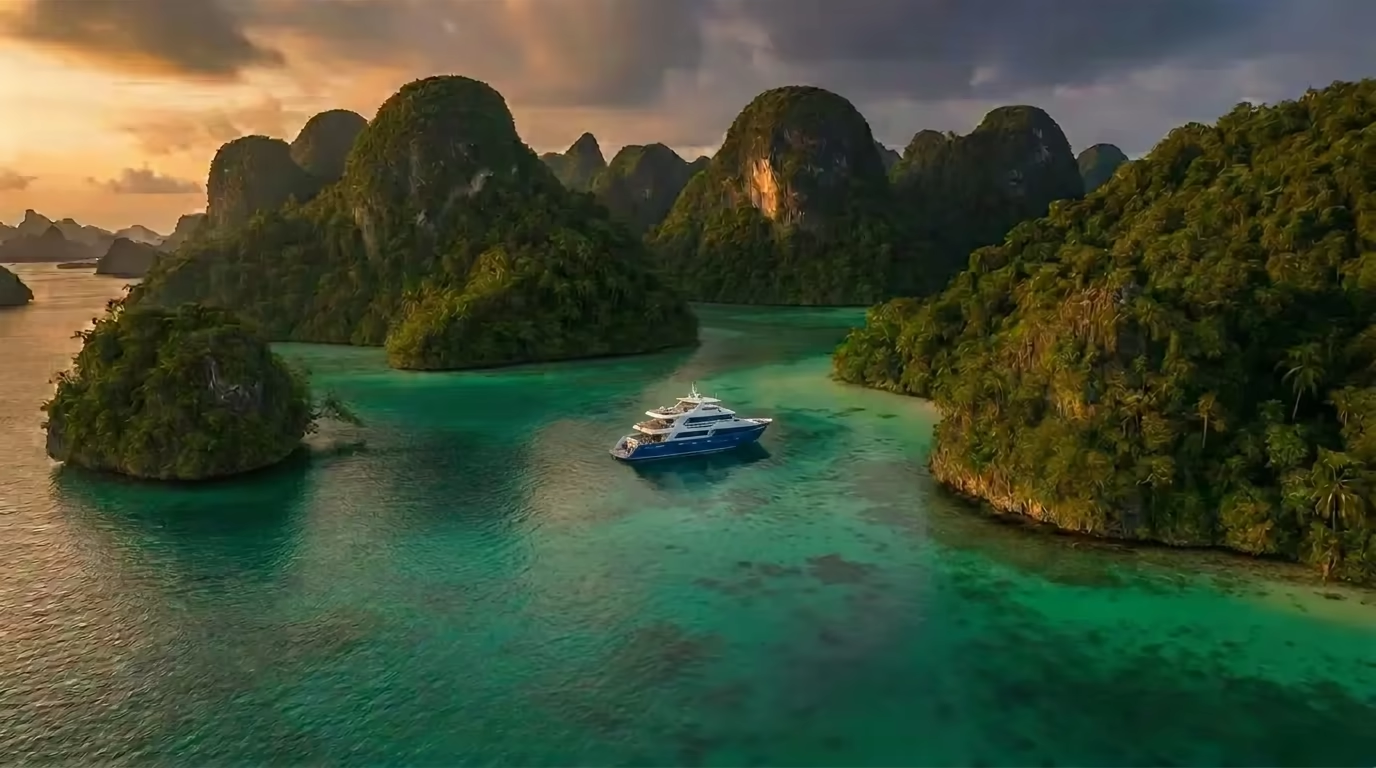
Choosing between the Andaman Islands and Lakshadweep for your next liveaboard adventure can be a delightful dilemma for any discerning diver. Both archipelagos, nestled in the vast expanse of the Indian Ocean, offer unparalleled underwater beauty, yet present distinct experiences.
The Andaman Islands, geographically closer to Southeast Asia, boast a rich history and diverse topography, both above and below the waves. Lakshadweep, on the other hand, is a more secluded and pristine coral atoll system, offering an exclusive and often untouched diving environment. Your decision will likely hinge on factors such as desired marine encounters, logistical preferences, and your comfort level with varying dive conditions.
This comprehensive guide, curated by Blue Rides, will meticulously compare these two incredible Indian dive destinations, helping you pinpoint the perfect liveaboard journey to match your diving aspirations.
| Andaman Islands | Lakshadweep |
|---|---|
| Best Season | |
| October to May (Peak: Nov-Apr) | October to May (Peak: Dec-Apr) |
| Top Marine Life | |
| Manta rays, reef sharks, barracuda, diverse reef fish, occasional dugongs, large pelagics | Reef sharks, turtles, tuna, trevally, barracuda, vibrant hard corals, occasional whale sharks |
| Trip Length & Price (USD) | |
| 5-10 nights; $1,500 - $4,000+ | 5-7 nights; $1,800 - $4,500+ |
| Experience Level | |
| Beginner to Advanced (some sites for experienced divers) | Intermediate to Advanced (stronger currents, remote sites) |
| Access | |
| Fly to Port Blair (IXZ) from major Indian cities (Chennai, Kolkata, Bengaluru, Delhi). | Fly to Agatti (AGX) from Kochi (COK). Restricted permits required, usually arranged by liveaboard. |
| Visibility & Water Temp | |
| 15-30m; 27-30°C | 20-40m; 28-31°C |
| Currents/Difficulty | |
| Generally mild to moderate, some sites with strong currents (e.g., Narcondam, Barren Island) | Moderate to strong currents are common, especially in channels and outer reefs. |
| Liveaboard Fleet Size | |
| Moderate (several options, including luxury and budget-friendly) | Small (limited, mostly luxury or expedition-style vessels) |
The Andaman Islands offer a diverse underwater landscape, from vibrant coral gardens to dramatic volcanic rock formations and thrilling drift dives. Sites like Ritchie's Archipelago, North Button Island, and Barren Island (for advanced divers) showcase a fantastic array of hard and soft corals, frequented by reef sharks, barracuda, and schools of pelagic fish. You might even spot a dugong in certain areas.
Lakshadweep, conversely, is renowned for its pristine atolls and extensive barrier reefs, which are generally healthier and less impacted by human activity. The visibility here is often exceptional, allowing for incredible views of untouched coral formations. Expect frequent encounters with reef sharks, turtles, and large schools of tuna and trevally. The remote nature of Lakshadweep means fewer divers and a more exclusive feel to your underwater explorations.
Accessing the Andaman Islands is relatively straightforward, with direct flights to Port Blair (IXZ) from several major Indian cities. Once in Port Blair, liveaboards typically depart from the main jetty. The infrastructure for tourism is more developed, offering a range of pre- and post-liveaboard activities.
Lakshadweep presents a more unique logistical challenge. All visitors require special permits, which your liveaboard operator will usually facilitate. The only entry point is Agatti Airport (AGX), with flights exclusively from Kochi (COK). This controlled access helps preserve the delicate ecosystem but means less flexibility for independent travel. The journey itself is part of the adventure, leading to a truly secluded diving experience.
The liveaboard fleet in the Andaman Islands is more varied, catering to a wider range of budgets and preferences. You can find everything from comfortable mid-range vessels to more luxurious options, often offering longer itineraries that explore distant sites like Narcondam and Barren Island. Some itineraries might combine diving with island excursions.
Lakshadweep's liveaboard options are fewer and tend to be on the higher end, reflecting the exclusivity and logistical complexities of operating in this region. These vessels often focus purely on diving, maximizing your time underwater in its pristine atolls. Expect a more intimate and less crowded dive experience, often with a strong emphasis on conservation.
The Andaman Islands boast a diverse underwater topography shaped by volcanic activity and tectonic shifts. You'll encounter dramatic wall dives, submerged pinnacles, healthy fringing reefs, and even some wrecks. Barren Island, India's only active volcano, offers a unique opportunity for advanced divers to explore sites with black sand and pelagic encounters. Narcondam Island is another volcanic marvel, known for its healthy corals and large pelagics.
Lakshadweep's dive sites are characterized by extensive coral atolls, barrier reefs, and deep channels. The diving here often involves drift dives along the outer edges of the atolls, where strong currents bring in nutrient-rich waters, attracting larger marine life. Expect vast, pristine coral gardens and a sense of endless underwater landscapes. The lack of land-based tourism infrastructure means dive sites are often untouched and incredibly healthy.
For divers seeking a blend of diverse marine life, varied topography, and a more accessible travel experience with options for land-based exploration, the Andaman Islands are an excellent choice. They cater to a broader range of experience levels and budgets, offering thrilling volcanic dives and vibrant reef systems. If you prioritize pristine, untouched coral ecosystems, exceptional visibility, and a more exclusive, remote diving adventure where strong currents are part of the thrill, then Lakshadweep is your unparalleled destination. Its limited access ensures a truly unique and often uncrowded underwater experience, ideal for intermediate to advanced divers looking for a pure, unadulterated dive trip. Ultimately, your choice depends on whether you seek the bustling diversity of the Andamans or the serene, untouched beauty of Lakshadweep's atolls.
Yes, all visitors to Lakshadweep require a special permit. Your liveaboard operator will typically assist you in obtaining this permit, which is essential for entry and diving in the region.
The best time for a liveaboard in both the Andaman Islands and Lakshadweep is from October to May, with peak conditions usually from November to April, offering calm seas and excellent visibility.
Yes, both destinations can have strong currents. Lakshadweep is particularly known for its moderate to strong currents, especially in channels. The Andamans have some sites, like Barren Island, with challenging currents.
In the Andamans, expect manta rays, reef sharks, barracuda, and diverse reef fish. Lakshadweep offers reef sharks, turtles, tuna, trevally, and vibrant hard corals. Both can have pelagic encounters.
For the Andamans, Open Water Diver is sufficient for many sites, but Advanced Open Water is beneficial for deeper or more challenging dives. For Lakshadweep, Advanced Open Water is generally recommended due to currents and deeper sites.
Yes, liveaboard trips typically include all meals, snacks, drinking water, and accommodation on board. Some may also include non-alcoholic beverages. Check specific inclusions with your Blue Rides booking.
In the Andaman Islands, it's common to combine a liveaboard with land-based stays in Port Blair or Havelock Island. For Lakshadweep, land-based tourism is very restricted, making combination trips less feasible.
To the Andamans, fly to Port Blair (IXZ) from major Indian cities. To Lakshadweep, fly to Agatti (AGX) from Kochi (COK), requiring a permit.
Browse our handpicked liveaboards and find your perfect dive adventure.