Bluerides – Blue Rides - Book Liveaboards worldwideOCEAN ADVENTURES
River CruisesRiversNature & WildlifeOur Promise
River CruisesRiversNature & WildlifeOur PromiseSign In

River destinations

  • River destinations
  • Amazon
  • Danube
  • Rhine
  • Mekong
  • Nile

Ships & departures

  • River Cruise Search
  • Deals

Nature & Wildlife

  • Nature & Wildlife

Travel support

  • Our Promise
  • Contact

Contact

Get in Touch

Get in touch anytime, we're happy to help you find the right trip or sort out any question.

EmailWrite us, we usually reply within a few hours.
contact@bluerides.com
WhatsAppChat with us on WhatsApp, Mon–Fri 10:00–16:00 (CET).
Start WhatsApp Chat
PhoneCall us, we're happy to help.
Free call, Mon–Fri 10 AM – 8 PM (CET).
Europe+49 800 1144 990USA+1 888 557 7735UK+44 800 707 4152Australia+61 2 8599 6113Canada+1 888 557 7735
Which river journey is yours?Answer 8 quick questions and find the river cruise that fits you.
8 questions, 1 minute·Plus Gift
Secure Payment MethodsYour payments are fully secured with AES-256 encryption.
Powered byStripeWiseAMEXPayGoogle PaySEPABank
Imprint·Terms & Conditions·Privacy Policy·About·Contact·Liability Waiver·Affiliate Program·Cruise·
Visit us here

© 2026 Blue Rides. All rights reserved.·

Bluerides – Blue Rides - Book Liveaboards worldwideOCEAN ADVENTURES
River CruisesRiversNature & WildlifeOur Promise
River CruisesRiversNature & WildlifeOur PromiseSign In
Glossy ibis in wetland habitat — Nile, River Cruises wildlife
Home›River Cruises›River Wildlife›Glossy Ibis

Glossy IbisPlegadis falcinellusWhere and when to see them

Previous speciesGarganeyNext speciesGrass Snake

Glossy Ibis at a glance

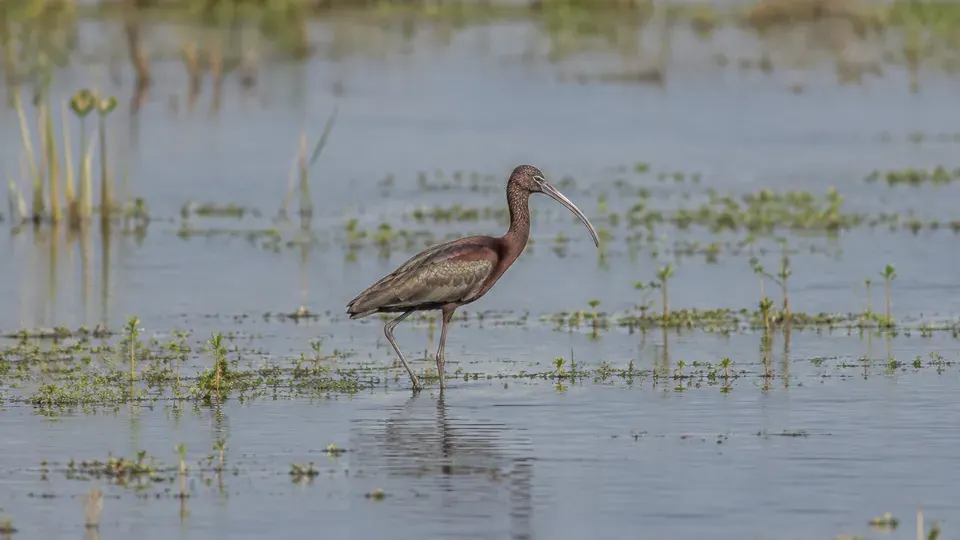
A distant Glossy Ibis may look like a plain dark wader, while a closer view reveals chestnut and metallic colours. Its long downward-curved bill gives it a distinctive outline. Cornell describes a bird that can find food through touch as well as sight, allowing it to exploit wet soil and muddy shallows. Source: https://www.allaboutbirds.org/guide/Glossy_Ibis/lifehistory
Behaviour & reproduction

Size
Species-specific body-length measurement not verified.
Weight
Species-specific weight not verified.
Lifespan
Species-specific lifespan not verified.
Status
A current formal global conservation assessment was not verified.

Feeding flocks may advance close together, repeatedly inserting their curved bills into soft ground. Cornell also describes sweeping the bill through water or mud. In flight the neck extends forward and the legs trail behind, unlike a heron’s usually folded flight posture. Flock activity can reveal the species before plumage colours become clear.

Top wildlife locations

Nile river landscape — River Cruises wildlife habitat

Nile

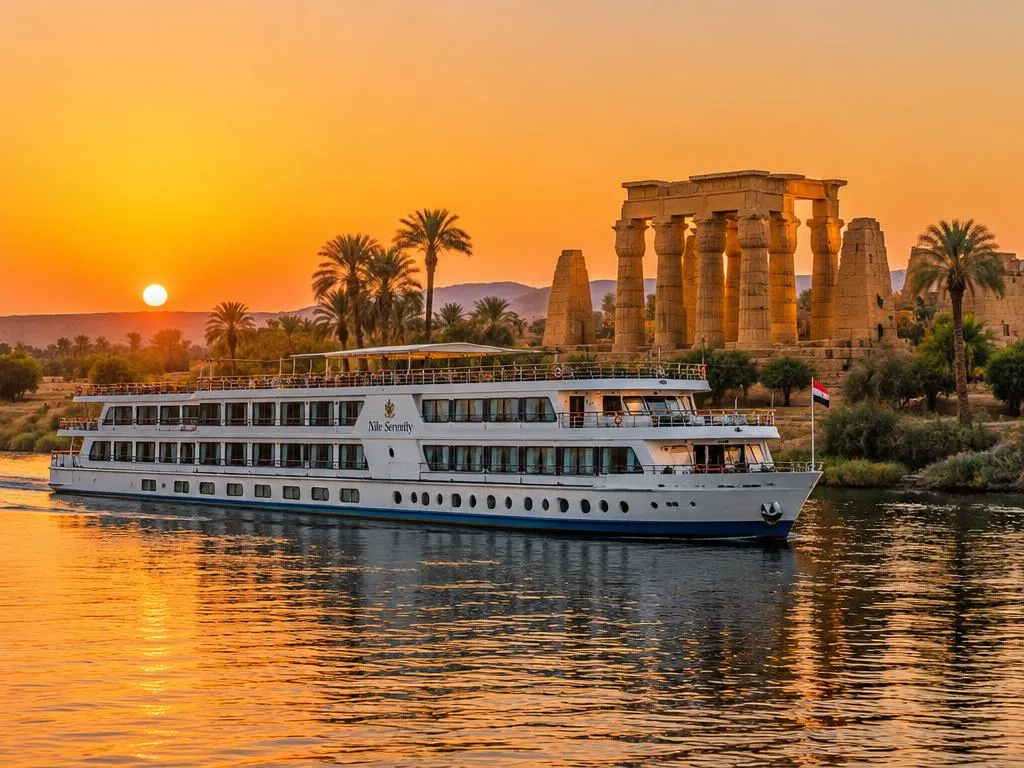
Luxor–Esna–Edfu–Kom Ombo–Aswan; exact observation context in quote Viewing guidance: Wild birds from cruise deck or normal temple/riverbank visits; dated March 2007 observations, not year-round guarantees. Waterfowl and passage birds seasonal; small reed birds require binoculars.
Explore river cruises

Destinations describe the species' habitat, not guaranteed cruise stops. Some animals require an optional inland excursion or are found in restricted reserves.

Fun facts about the Glossy Ibis

  • Its bill curves downward.
  • It can detect food by touch.
  • Feeding birds probe into wet soil.
  • The wings can show metallic colours.
  • Juveniles are duller than breeding adults.
  • Flying birds extend the neck.

Best time to see the Glossy Ibis

The historical Nile records cited in the registry are from March 2007. They cannot establish recurring March abundance or a complete wintering period. No local multi-year calendar for Glossy Ibis on the registered reach was verified, so no numerical months are assigned.

Glossy Ibis: season matrix by destination

Highlighted months reflect the stated local evidence, not guaranteed encounters. Neutral months mean no verified monthly viewing window, not absence. Observation records and recommended viewing windows are distinct.

Nile

No qualifying local recurring monthly observation calendar was verified. Registry guidance is retained as qualitative context only; dated sightings, breeding dates and general migration patterns are not converted into months.

JanFebMarAprMayJunJulAugSepOctNovDec
Explore river cruises

Where the Glossy Ibis lives

Cornell lists freshwater marshes, shallow rivers, wet fields, mudflats and other moist feeding places. The Nile registry concerns normal cruise and riverbank observations between Luxor and Aswan. Suitable-looking wet ground elsewhere in Egypt is not evidence for this itinerary, and neither is a general country distribution map.

What the Glossy Ibis eats

The verified account documents a varied diet including aquatic and soil invertebrates, with additional small vertebrates and some grain. Probing brings earthworms, insect larvae and other concealed prey within reach. This broad species-level menu is not a measured Nile diet, and no percentages or local seasonal prey changes were verified.

Species at a glance

Common name
Glossy Ibis
Scientific name
Plegadis falcinellus
Animal group
Birds
Size
Species-specific body-length measurement not verified.
Weight
Species-specific weight not verified.
Lifespan
Species-specific lifespan not verified.
Status
A current formal global conservation assessment was not verified.
Identification
Cornell describes deep maroon body plumage and wings with emerald, bronze and violet tones. Juveniles are duller brown with pale neck streaks. The long curved bill and extended flight neck are useful at distance. Breeding adults have pale facial lines that do not encircle the eye. https://www.allaboutbirds.org/guide/Glossy_Ibis/id

Glossy Ibis: frequently asked questions

Where can I see the Glossy Ibis?
Nile. Check muddy river margins and flooded patches for groups of dark waders. Side lighting may reveal the gloss much better than a silhouette against bright water. Observe from an established bank or deck rather than moving through wet fields. Note bill shape and flight posture before trying to judge colour.
When is the best time to see the Glossy Ibis?
The historical Nile records cited in the registry are from March 2007. They cannot establish recurring March abundance or a complete wintering period. No local multi-year calendar for Glossy Ibis on the registered reach was verified, so no numerical months are assigned.
How big does the Glossy Ibis get?
Species-specific body-length measurement not verified.. Adult weight: Species-specific weight not verified.. Size varies with age, sex and population.
How should I behave around the Glossy Ibis?
Check muddy river margins and flooded patches for groups of dark waders. Side lighting may reveal the gloss much better than a silhouette against bright water. Observe from an established bank or deck rather than moving through wet fields. Note bill shape and flight posture before trying to judge colour.
What does the Glossy Ibis eat?
The verified account documents a varied diet including aquatic and soil invertebrates, with additional small vertebrates and some grain. Probing brings earthworms, insect larvae and other concealed prey within reach. This broad species-level menu is not a measured Nile diet, and no percentages or local seasonal prey changes were verified.
Are wildlife sightings guaranteed on a river cruise?
No. Animals move freely and routes, weather, access restrictions and local conditions influence every outing. Confirm the actual itinerary and shore program before booking.

Compare wildlife in the same destinations

Explore other birds recorded in these destinations. Similar surroundings do not mean the animals share the same habits or viewing season.

Species comparison by animal group and destination
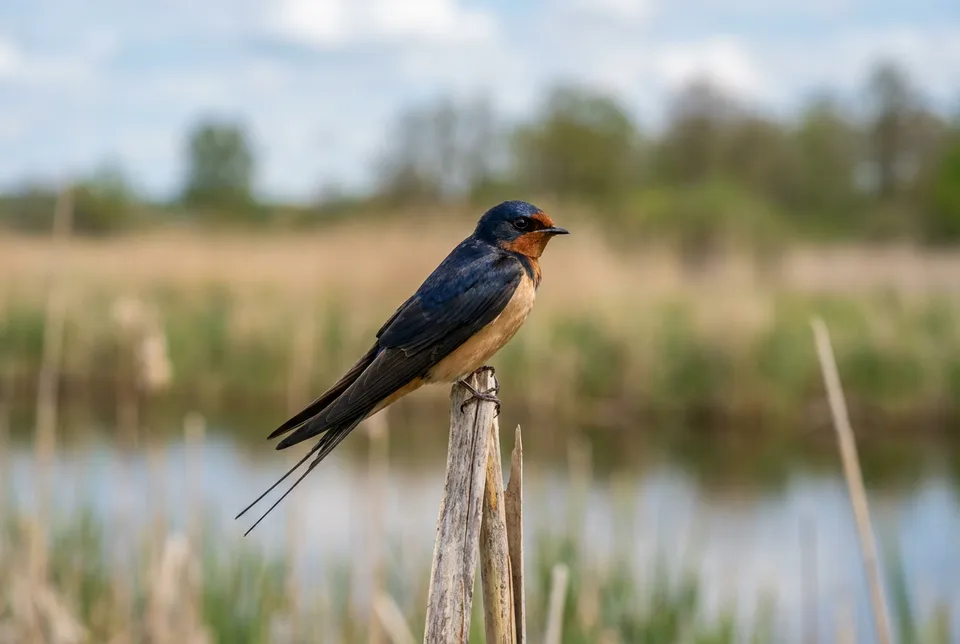
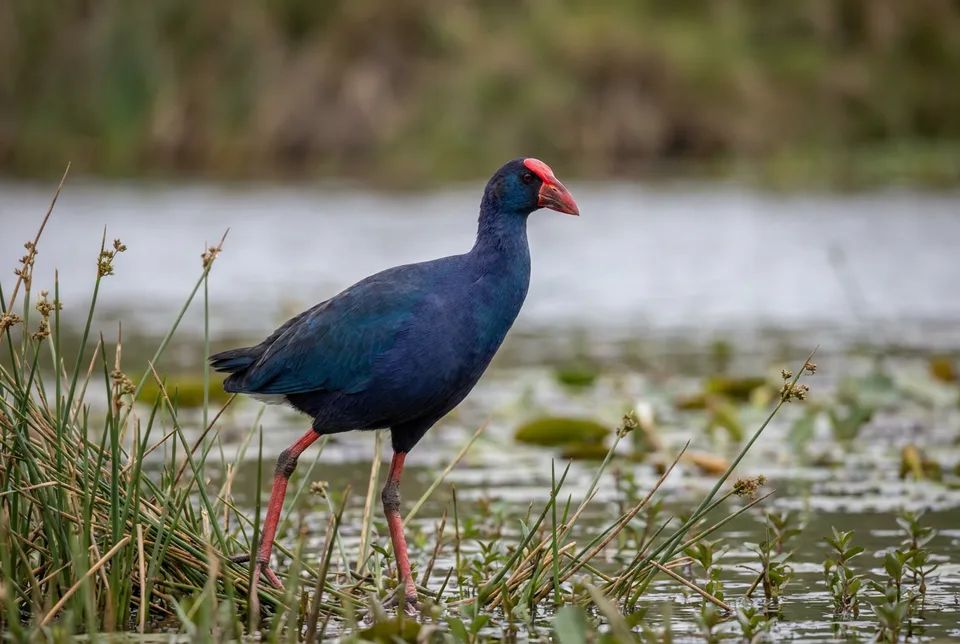
Glossy ibis in wetland habitat — Nile, River Cruises wildlifeGlossy IbisAfrican Swamphen in wetland habitat — Nile, Egypt, River Cruises wildlifeAfrican SwamphenBarn Swallow in wetland habitat — Mississippi, Nile, River Cruises wildlifeBarn Swallow
Animal groupBirdsAnimal groupBirdsAnimal groupBirds
DestinationsNileDestinationsNileDestinationsMississippi, Nile
Scientific name
Plegadis falcinellus
Scientific name
Scientific name
Previous speciesGarganeyNext speciesGrass Snake
All river wildlife
On this page
  • 01About
  • 02Behaviour & reproduction
  • 03Top wildlife locations
  • 04Fun facts
  • 05Best season
  • 06Season matrix by destination
  • 07Habitat
  • 08Diet
  • 09Species at a glance
  • 10Questions & answers
  • 11Compare

Find your river cruise

Plan your trip

Find your next river journey

Compare destinations, shore programs and dates with the animals and habitats you would love to see.

  • Daily shore excursions
  • Responsible wildlife watching
  • Boutique river ships
Explore river cruises