Bluerides – Blue Rides - Book Liveaboards worldwideOCEAN ADVENTURES
River CruisesRiversNature & WildlifeOur Promise
River CruisesRiversNature & WildlifeOur PromiseSign In

River destinations

  • River destinations
  • Amazon
  • Danube
  • Rhine
  • Mekong
  • Nile

Ships & departures

  • River Cruise Search
  • Deals

Nature & Wildlife

  • Nature & Wildlife

Travel support

  • Our Promise
  • Contact

Contact

Get in Touch

Get in touch anytime, we're happy to help you find the right trip or sort out any question.

EmailWrite us, we usually reply within a few hours.
contact@bluerides.com
WhatsAppChat with us on WhatsApp, Mon–Fri 10:00–16:00 (CET).
Start WhatsApp Chat
PhoneCall us, we're happy to help.
Free call, Mon–Fri 10 AM – 8 PM (CET).
Europe+49 800 1144 990USA+1 888 557 7735UK+44 800 707 4152Australia+61 2 8599 6113Canada+1 888 557 7735
Which river journey is yours?Answer 8 quick questions and find the river cruise that fits you.
8 questions, 1 minute·Plus Gift
Secure Payment MethodsYour payments are fully secured with AES-256 encryption.
Powered byStripeWiseAMEXPayGoogle PaySEPABank
Imprint·Terms & Conditions·Privacy Policy·About·Contact·Liability Waiver·Affiliate Program·Cruise·
Visit us here

© 2026 Blue Rides. All rights reserved.·

Bluerides – Blue Rides - Book Liveaboards worldwideOCEAN ADVENTURES
River CruisesRiversNature & WildlifeOur Promise
River CruisesRiversNature & WildlifeOur PromiseSign In
Black-crowned night heron in wetland habitat — Columbia, Danube, Nile, Mekong, River Cruises wildlife
Home›River Cruises›River Wildlife›Black-crowned Night Heron

Black-crowned Night HeronNycticorax nycticoraxWhere and when to see them

Previous speciesBlack StorkNext speciesBlack-Headed Gull

Black-crowned Night Heron at a glance

The Black-crowned Night Heron is a compact, widespread wetland bird found across much of the world. It occurs in both the Nile and Mekong basins, where suitable wetlands provide feeding grounds and sheltered roosts. Adults have a distinctive black crown and back, contrasting with grey wings and pale underparts. Unlike many familiar herons, it is most active around dusk, at night and near dawn. Although globally widespread, local populations can be affected by wetland loss, pollution and disturbance at breeding colonies.

Behaviour & reproduction

Size
58–65 cm in length.
Weight
500–1,000 g.
Lifespan
Can live for more than 20 years in the wild.
Status
Least Concern (IUCN).

Black-crowned Night Herons usually spend daylight hours resting in trees, shrubs or dense wetland vegetation. They often roost communally, sometimes alongside other herons and egrets. Feeding activity generally increases towards dusk, although birds may also forage during daylight, particularly when raising young. A hunting bird commonly stands motionless at the water's edge before striking quickly at passing prey. It also walks slowly through shallow water while searching for food. Breeding takes place in colonies, with stick nests built in trees, shrubs or occasionally reedbeds. Both parents incubate the eggs and feed the chicks. Some populations migrate seasonally, while others remain in suitable areas throughout the year.

Top wildlife locations

Columbia river landscape — River Cruises wildlife habitat

Columbia

Most records cover Umatilla refuge backwaters along the Columbia near Boardman–Irrigon. Seasonal waterfowl may be best in winter rather than the sailing season. Bighorn sheep require a separate Hells Canyon excursion on the Snake River.


Explore river cruises
Danube river landscape — River Cruises wildlife habitat

Danube

Austrian records refer to Donau-Auen between Vienna and Hainburg, often requiring a floodplain walk. Pelicans and many wetland birds refer specifically to the separate Danube Delta itinerary. They are not promised on Passau–Budapest cruises.

Explore river cruises
Nile river landscape — River Cruises wildlife habitat

Nile

Birds are documented by a historical March Luxor–Aswan cruise report, with local reeds, riverbanks and nearby shore stops. These are occurrence records, not current sighting rates. No Nile crocodiles, hippos or Lake Nasser fauna are advertised.

Explore river cruises
Mekong river landscape — River Cruises wildlife habitat

Mekong

Thirty birds are evidenced at Tra Su wetland in Vietnam’s Mekong Delta, requiring a suitable shore excursion. Four larger waterbirds refer to a separate Prek Toal/Tonlé Sap excursion in Cambodia. Northern Cambodian dolphin pools are excluded.

Explore river cruises

Destinations describe the species' habitat, not guaranteed cruise stops. Some animals require an optional inland excursion or are found in restricted reserves.

Fun facts about the Black-crowned Night Heron

  • Its scientific name means “night raven,” referring to its habits and croaking call.
  • Adults often appear almost neckless because they rest with the neck tucked in.
  • Young birds can climb among branches before they are able to fly.
  • Breeding colonies may contain several species of herons and egrets.

Best time to see the Black-crowned Night Heron

Wildlife opportunities depend on the river reach, water levels and species. River-specific viewing months have not been confirmed; general species seasons are not a local sighting forecast.

Black-crowned Night Heron: season matrix by destination

Travel and observation windows vary by region. Highlighted months are an orientation for planning, not confirmed sightings or a guarantee of access.

Columbia

No river-specific wildlife calendar is confirmed. Check the actual river reach, local conditions and excursion access with your operator.

JanFebMarAprMayJunJulAugSepOctNovDec
Explore river cruises

Danube

No river-specific wildlife calendar is confirmed. Check the actual river reach, local conditions and excursion access with your operator.

JanFebMarAprMayJunJulAugSepOctNovDec
Explore river cruises

Nile

No river-specific wildlife calendar is confirmed. Check the actual river reach, local conditions and excursion access with your operator.

JanFebMarAprMayJunJulAugSepOctNovDec
Explore river cruises

Mekong

No river-specific wildlife calendar is confirmed. Check the actual river reach, local conditions and excursion access with your operator.

JanFebMarAprMayJunJulAugSepOctNovDec
Explore river cruises

Where the Black-crowned Night Heron lives

This heron uses freshwater, brackish and coastal wetlands, including rivers, marshes, lakes, estuaries and mangroves. It generally feeds in shallow water or along accessible margins rather than in deep, fast-flowing channels. In the Nile basin, suitable habitat includes vegetated riverbanks, islands, irrigation canals and delta wetlands. In the Mekong basin, it also uses floodplain wetlands, rice-growing landscapes and wooded waterways. Trees, shrubs and dense reeds provide important cover for resting and nesting.

What the Black-crowned Night Heron eats

Its diet includes fish, amphibians, crustaceans, aquatic insects and other small animals. It also occasionally takes small mammals, young birds and eggs. Prey is usually captured with a quick thrust of the bill and swallowed whole. The balance of foods varies with local conditions and seasonal availability.

Species at a glance

Common name
Black-crowned Night Heron
Scientific name
Nycticorax nycticorax
Animal group
Birds
Size
58–65 cm in length.
Weight
500–1,000 g.
Lifespan
Can live for more than 20 years in the wild.
Status
Least Concern (IUCN).
Identification
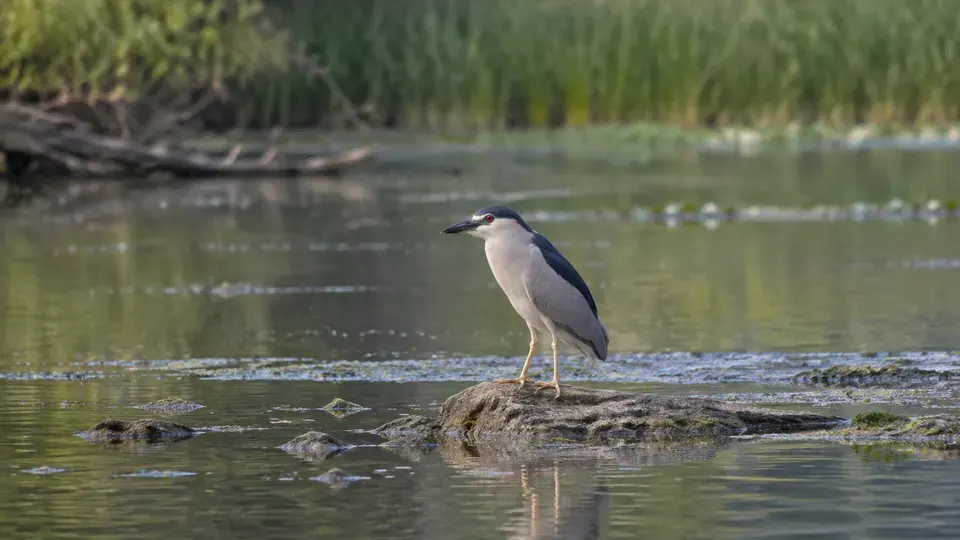
Adults have a black crown and back, grey wings, pale grey to whitish underparts, red eyes and yellowish legs. The heavy, dark bill and short-necked, stocky appearance help distinguish them from more slender herons. Breeding adults develop long, narrow white head plumes, and their legs may become pinkish or reddish. Juveniles are brown with pale spotting and streaked underparts, while flying birds often give a harsh, single-note croak.

Black-crowned Night Heron: frequently asked questions

Where can I see the Black-crowned Night Heron?
Columbia, Danube, Nile, Mekong. From a river ship, use binoculars to scan shaded waterside trees, reed margins and quiet backwaters without calling or making sudden noises. On excursions, keep a generous distance from roosts and nesting colonies, and follow your guide's instructions. If birds become alert, stop resting or move away, increase your distance rather than approaching further. Avoid flash photography, feeding birds and using recorded calls to attract them.
When is the best time to see the Black-crowned Night Heron?
Ask about the specific river reach and shore excursion. No local monthly sighting calendar is confirmed.
How big does the Black-crowned Night Heron get?
58–65 cm in length.. Adult weight: 500–1,000 g.. Size varies with age, sex and population.
How should I behave around the Black-crowned Night Heron?
From a river ship, use binoculars to scan shaded waterside trees, reed margins and quiet backwaters without calling or making sudden noises. On excursions, keep a generous distance from roosts and nesting colonies, and follow your guide's instructions. If birds become alert, stop resting or move away, increase your distance rather than approaching further. Avoid flash photography, feeding birds and using recorded calls to attract them.
What does the Black-crowned Night Heron eat?
Its diet includes fish, amphibians, crustaceans, aquatic insects and other small animals. It also occasionally takes small mammals, young birds and eggs. Prey is usually captured with a quick thrust of the bill and swallowed whole. The balance of foods varies with local conditions and seasonal availability.
Are wildlife sightings guaranteed on a river cruise?
No. Animals move freely and routes, weather, access restrictions and local conditions influence every outing. Confirm the actual itinerary and shore program before booking.

Compare wildlife in the same destinations

Explore other birds recorded in these destinations. Similar surroundings do not mean the animals share the same habits or viewing season.

Species comparison by animal group and destination
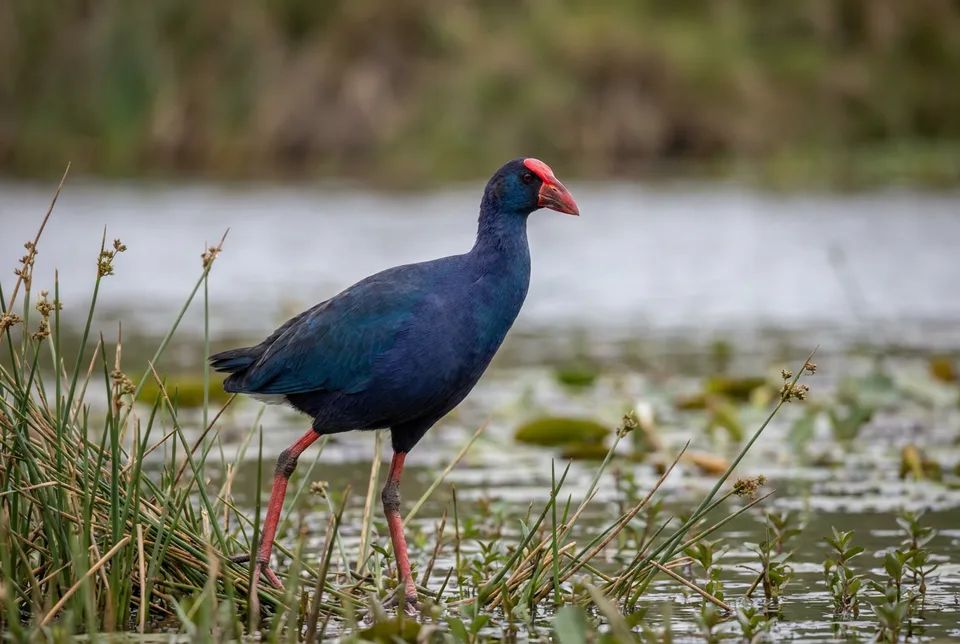
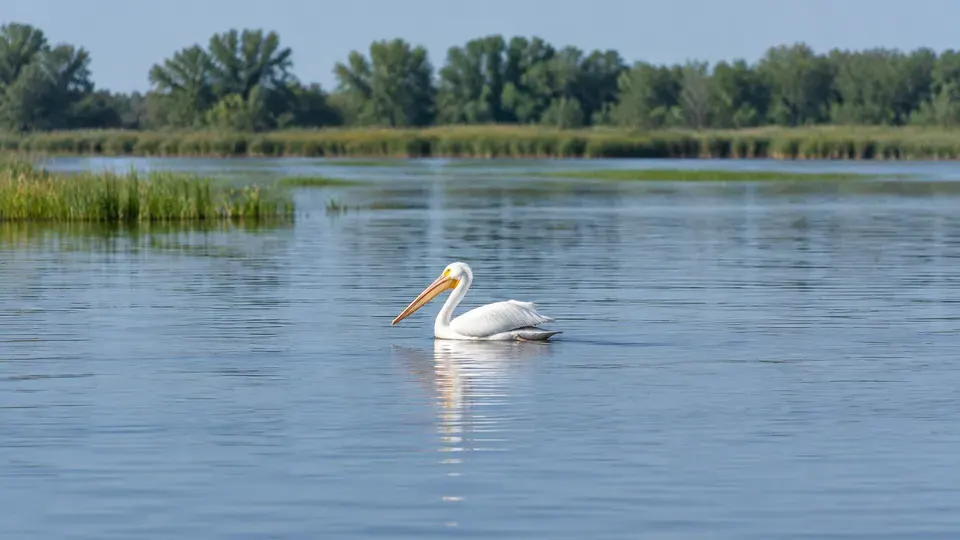
Black-crowned night heron in wetland habitat — Columbia, Danube, Nile, Mekong, River Cruises wildlifeBlack-crowned Night HeronAfrican Swamphen in wetland habitat — Nile, Egypt, River Cruises wildlifeAfrican SwamphenAmerican white pelican in wetland habitat — Columbia, Mississippi, River Cruises wildlifeAmerican White Pelican
Animal groupBirdsAnimal groupBirdsAnimal groupBirds
DestinationsColumbia, Danube, Nile, MekongDestinationsNileDestinationsColumbia, Mississippi
Previous speciesBlack StorkNext speciesBlack-Headed Gull
All river wildlife
On this page
  • 01About
  • 02Behaviour & reproduction
  • 03Top wildlife locations
  • 04Fun facts
  • 05Best season
  • 06Season matrix by destination
  • 07Habitat
  • 08Diet
  • 09Species at a glance
  • 10Questions & answers
  • 11Compare

Find your river cruise

Plan your trip

Find your next river journey

Compare destinations, shore programs and dates with the animals and habitats you would love to see.

  • Daily shore excursions
  • Responsible wildlife watching
  • Boutique river ships
Explore river cruises