Sobre Agustín Melgar shipwreck
O naufrágio Agustín Melgar é um intrigante recife artificial localizado perto da Ilha Danzante, oferecendo uma experiência de mergulho única nas águas protegidas de Loreto. Este navio, com aproximadamente 55 metros de comprimento, repousa sob a superfície e tornou-se um habitat vibrante para uma ampla variedade de espécies marinhas. A estrutura do naufrágio oferece abrigo e alimento, atraindo inúmeros peixes, invertebrados e corais coloridos que colonizaram suas superfícies. Tu podes explorar várias partes do navio, observando como a natureza recupera objetos feitos pelo homem e os transforma em ecossistemas prósperos. O local é particularmente rico em nudibrânquios, com uma população significativa encontrada dentro e ao redor do naufrágio. O Agustín Melgar serve como um excelente local para fotografia subaquática, capturando a interação entre a estrutura artificial e a vida marinha crescente. A sua presença adiciona uma dimensão histórica e estrutural aos locais de recifes naturais, tornando-o um destino fascinante para entusiastas de naufrágios e para quem se interessa pela ecologia marinha.
Destaques
WWII minesweeper wreckArtificial reef ecosystemEasy penetration routesLoreto Bay National ParkHealthy coral coverSchools of jacks and snappersHistorical significance
Calendário por mês
Melhores meses para mergulhar
Jan
Fev
Mar
Abr
Mai
Jun
Jul
Ago
Set
Out
Nov
Dez
Excelente
Bom
Nov – Abr (Pico)
Temporada de Socorro aberta (Nov–Mai) para mantas gigantes e tubarões-martelo. Tubarões-touro em Cozumel de Dez–Mar. Cenotes excelentes o ano todo. Melhores condições gerais.
Mai – Out (Transição e Sea of Cortez)
Socorro a fechar, Cozumel ainda excelente. Os tubarões-baleia chegam a Isla Mujeres de junho a setembro. A partir de agosto, o Mar de Cortez ganha vida: as Ilhas Midriff oferecem enormes colónias de leões-marinhos e cardumes de mobulas. Setembro e outubro trazem mergulhos de classe mundial em La Paz e Cabo Pulmo, com tubarões-baleia, tubarões-martelo e tubarões-touro na rota Explorar Baja.
Ficha do ponto de mergulho: Agustín Melgar shipwreck
- Profundidade
- 12–24 m (40–80 ft)
- Corrente
- Fraca
- Visibilidade
- 12–18 m (40–60 ft)
- Temperatura da água
- 18–29 °C (64–85 °F)
- Entrada
- Barco
- Nível
- Avançado
- Tipo de mergulho
- Naufrágio, Recife artificial
- Região / porto
- Loreto, Baja California Sur
- Coordenadas
- 25.8672, -111.3121
Condições e correntes
As correntes no naufrágio Agustín Melgar são tipicamente leves, proporcionando um mergulho confortável e relaxante. Isso permite uma exploração tranquila do exterior e interior do naufrágio sem esforço significativo. A visibilidade ao redor do C-54 geralmente varia de 12 a 18 metros (40 a 60 pés), oferecendo vistas claras da estrutura e dos seus habitantes marinhos. As temperaturas da água variam sazonalmente, atingindo a casa dos 29°C (80s Fahrenheit) no verão, com uma termoclina caindo para cerca de 21°C (70s Fahrenheit) em profundidades de 27 metros (90 pés). Estas condições significam que os mergulhadores podem frequentemente usar roupas de neoprene mais finas. O mergulho é geralmente realizado a partir de um barco, com as correntes leves muitas vezes ajudando em um suave mergulho à deriva ao longo do naufrágio. Os mergulhadores devem estar atentos ao seu consumo de ar e tempo de fundo devido à profundidade do naufrágio.
Vida marinha e probabilidade de avistamento

Bigeye trevally
frequente
Snapper
frequente
Grouper
frequente
Moray eel
frequente
Sea fan
frequente
Black coral
ocasional
California sea lion
ocasionalAngel shark
Summer and fall · ocasional
Guitarfish
Summer and fall · ocasional
Torpedo ray
Summer and fall · ocasional
Electric ray
Summer and fall · ocasional
Nudibranch
ocasionalPerfil do mergulho
Your dive begins with a boat entry, usually a short ride from Marina Puerto Escondido, placing you directly over the C-54 Agustín Melgar wreck. Descend to the upper deck, which sits at 12 to 18 meters (40 to 60 feet), allowing ample time to explore the main structure. The wreck rests upright on a sandy bottom at 24 meters (80 feet), providing a clear orientation. You'll navigate through large penetration openings and various swim-throughs, which are safe and designed for divers without specialized wreck training. Explore the interior corridors where schooling jacks and snappers often congregate, and keep an eye out for groupers on the deck and moray eels in the railings. The dive typically involves a circular or linear route around and through the vessel, with the turn point determined by air consumption and no-decompression limits. Your safety stop will be performed in the clear, blue waters above the wreck, often observing nearby reef fish.
Fotografia subaquática
The Agustín Melgar wreck offers compelling subjects for both wide-angle and macro photography. For the overall structure and schooling fish, a wide-angle lens (e.g., 10-24mm or fisheye) is ideal, capturing the scale of the 56-meter vessel and its encrusting corals. External strobes are highly recommended to bring out the vibrant colors of the gorgonians, sponges, and anemones that adorn the wreck, especially in deeper sections where natural light diminishes. For interior shots and marine life within the wreck, a compact camera or a wide-angle setup with video lights can illuminate darker areas. Close-up shots of moray eels, nudibranchs, and smaller reef fish living on the wreck will benefit from a macro lens. Maintain excellent buoyancy control to avoid disturbing silt inside the wreck and to protect the delicate marine growth. Be patient with schooling fish, waiting for them to position themselves favorably for your composition.
Combine com estes pontos
- La Lobera
A wall and cavern system on Isla Coronado with California sea lions.
- Las Tijeretas
A sheltered site on Isla Coronado with a mini-wall, macro life, and occasional sea lions.
- Piedra Blanca
Known for drift diving and mobula ray encounters in late spring/early summer.
- Los Islotes
Famed for its large, playful California sea lion colony near La Paz.
Como chegar e logística
Diving the Agustín Melgar typically originates from Loreto, Baja California Sur, a quaint beach town with its own airport (Loreto International Airport - LTO), which receives flights via Mexico City or Guadalajara. Most dive trips are day boat excursions out of Marina Loreto, reached by local dive operators such as Blue Nation Baja. The site is located off Isla Danzante, south of Puerto Escondido, making for relatively short boat rides. Dive packages usually involve a marine park bracelet, covering access to the Bahía de Loreto National Park. Loreto offers a variety of accommodations within walking distance of the marina. It is common to combine wreck diving with explorations of nearby islands like Isla Coronado and Isla del Carmen, known for their walls, sea lion colonies, and diverse reef systems. Trips can range from single-day excursions to multi-day dive packages.
Segurança e ambiente
Loreto is a well-established diving destination, but divers should always carry comprehensive dive insurance that covers recompression chamber treatment and medical evacuation. The nearest recompression chamber facilities would likely be found in larger cities like La Paz. For the Agustín Melgar wreck, while penetrations are described as easy, divers should be Advanced certified and possess good buoyancy control to avoid stirring up silt, which can significantly reduce visibility and disorient divers, particularly within confined spaces. Always dive with a reputable operator and a guide who is familiar with the wreck. Be mindful of potential thermoclines at deeper depths, which can cause sudden temperature drops. Maintain situational awareness regarding mild currents, ensuring you are comfortable with potential drift, though the site is generally calm. Emergency protocols should be clearly communicated by your dive operator before each dive.
Para quem serve — e para quem não
Indicado para
- Advanced divers seeking wreck exploration
- Divers interested in maritime history
- Underwater photographers targeting artificial reefs
- Divers comfortable with mild currents and depths up to 24m
- Those looking for unique dives in the Sea of Cortez
Menos indicado para
- Beginner Open Water divers
- Divers uncomfortable with overhead environments (even with easy penetration)
- Those seeking only large pelagic encounters
- Divers with poor buoyancy control
- Individuals not accustomed to boat entries/exits
FAQ
FAQ Agustín Melgar shipwreck
What is the history of the Agustín Melgar shipwreck?
The C-54 Agustín Melgar was originally commissioned as the USS Device (AM-220) in 1944, serving as a minesweeper in the US Navy during World War II and earning three battle stars. After the war, it was recommissioned as a training vessel and later sold to the Mexican Navy in 1962, where it was renamed ARM Cadete Agustín Melgar (C-54). In 2000, it was purposely sunk within the Loreto Bay National Park to create an artificial reef for divers.
What kind of marine life can I expect to see on the Agustín Melgar?
The wreck is a thriving artificial reef, attracting a variety of marine life. You can expect to see large schools of bigeye trevally and snapper congregating around the structure. Groupers often patrol the decks, and various moray eels can be found in the crevices and railings. The wreck is also adorned with vibrant hard and soft corals, sponges, and anemones, creating a colorful habitat for smaller reef fish and nudibranchs.
Is the Agustín Melgar wreck suitable for all diver levels?
The Agustín Melgar is recommended for Advanced certified divers due to its depth, with the deck at 12-18 meters (40-60 feet) and the bottom at 24 meters (80 feet). While it features large penetration openings designed for easy swim-throughs without specialized wreck training, good buoyancy control is essential. Open Water divers may find the depth challenging, and specific wreck experience is beneficial for optimal enjoyment and safety.
How do I get to the Agustín Melgar dive site?
The Agustín Melgar is typically accessed via day boat trips departing from Marina Loreto, in Loreto, Baja California Sur. Loreto has its own international airport (LTO), making it accessible for travelers. Local dive operators in Loreto offer guided excursions to the wreck, which is located off Isla Danzante, south of Puerto Escondido. The boat ride to the site is usually relatively short.
What are the diving conditions like at the C-54 Agustín Melgar?
Diving conditions at the C-54 Agustín Melgar are generally favorable. Visibility typically ranges from 12 to 18 meters (40 to 60 feet), offering clear views of the wreck. Currents are usually mild, making for a relaxed dive experience. Water temperatures vary seasonally, from around 18°C (64°F) in cooler months to 29°C (85°F) in summer. Thermoclines can be present at deeper depths, so a suitable wetsuit is recommended.
Por que mergulhar em Agustín Melgar shipwreck em liveaboard?
Agustín Melgar shipwreck é um dos locais emblemáticos de México. Um liveaboard te hospeda na água e oferece três a quatro mergulhos guiados por dia, incluindo amanhecer e noturnos raramente oferecidos por barcos diários. Você evita o retorno diário ao porto e alcança locais mais tranquilos da mesma região em uma única viagem.
Abaixo estão os liveaboards que incluem Agustín Melgar shipwreck em seus itinerários por México.
Liveaboards em Agustín Melgar shipwreck
Estes liveaboards podem visitar Agustín Melgar shipwreck em itinerários selecionados — os locais exatos dependem da partida, do tempo e das condições.
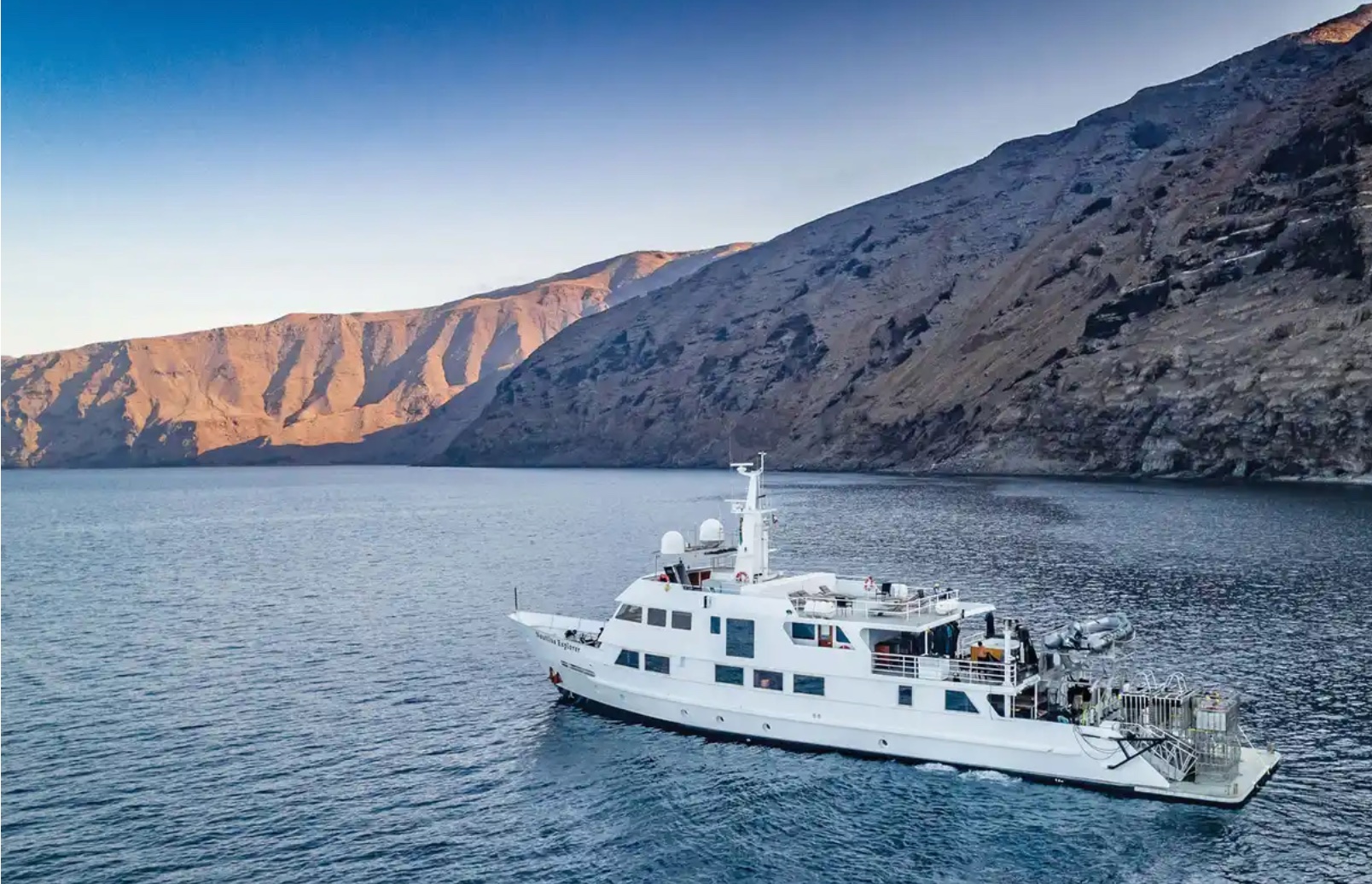
Nautilus Explorer
México
25 hóspedes45 m
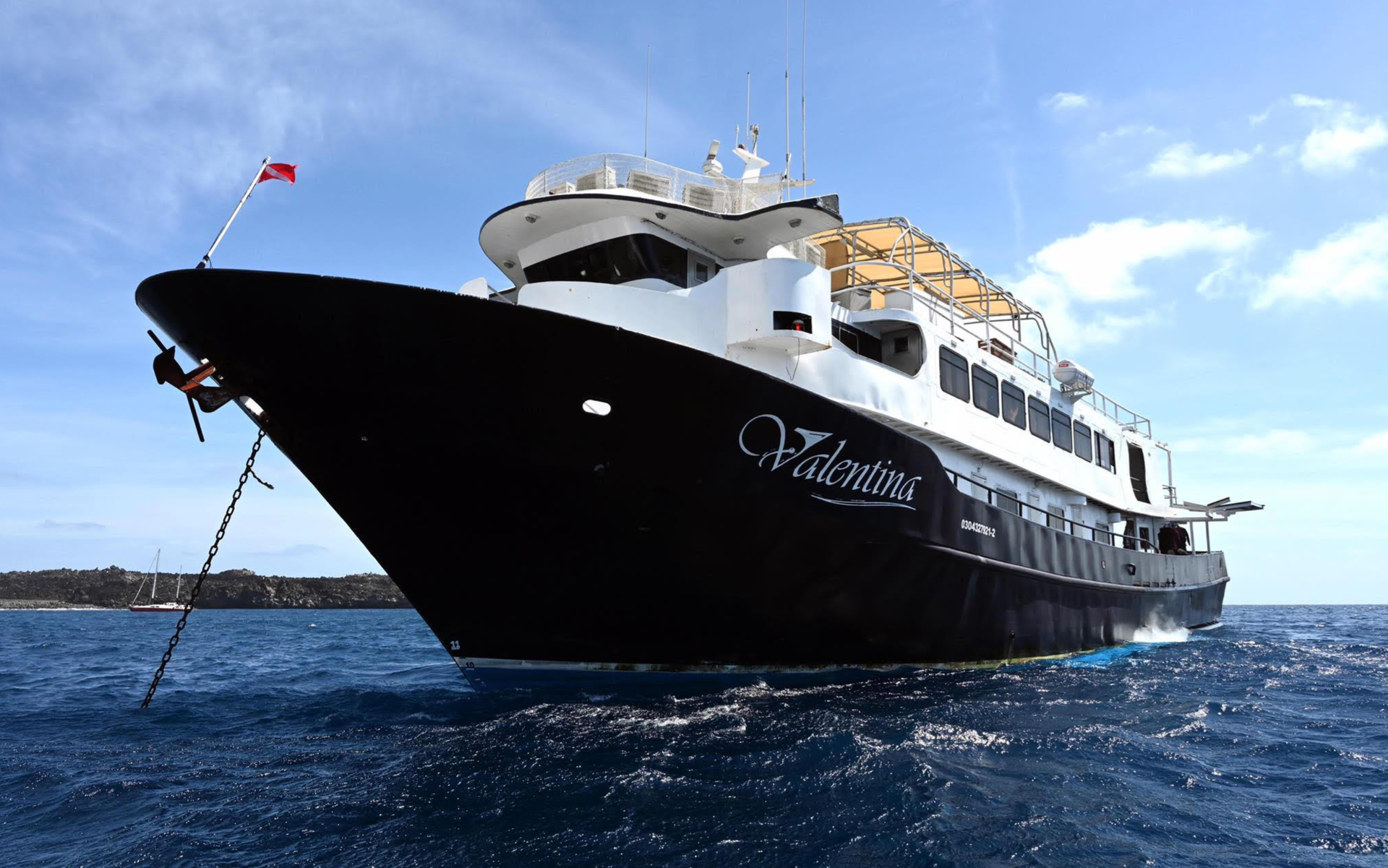
Valentina
México
20 hóspedes38 m
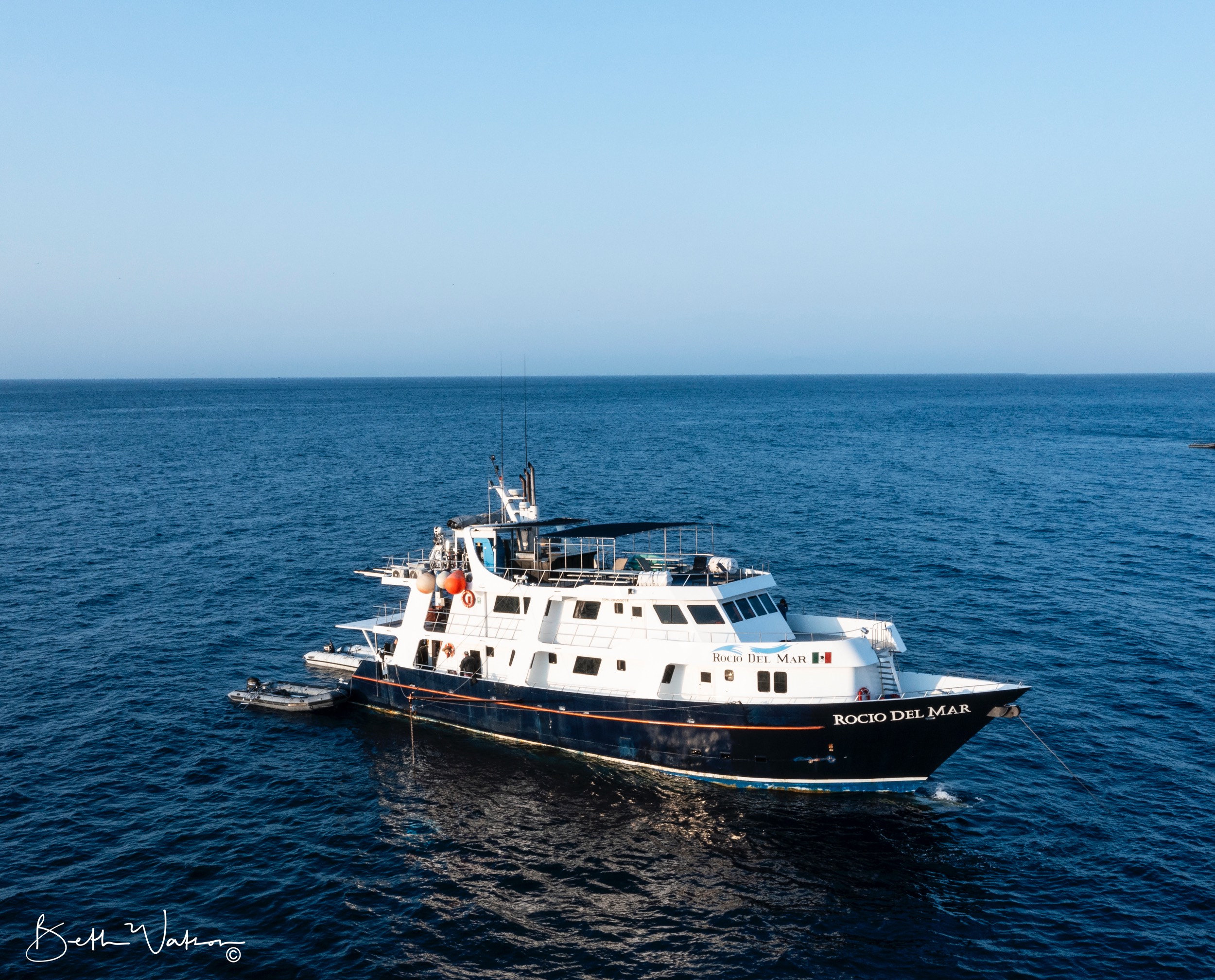
Rocio del Mar
México
20 hóspedes34 m
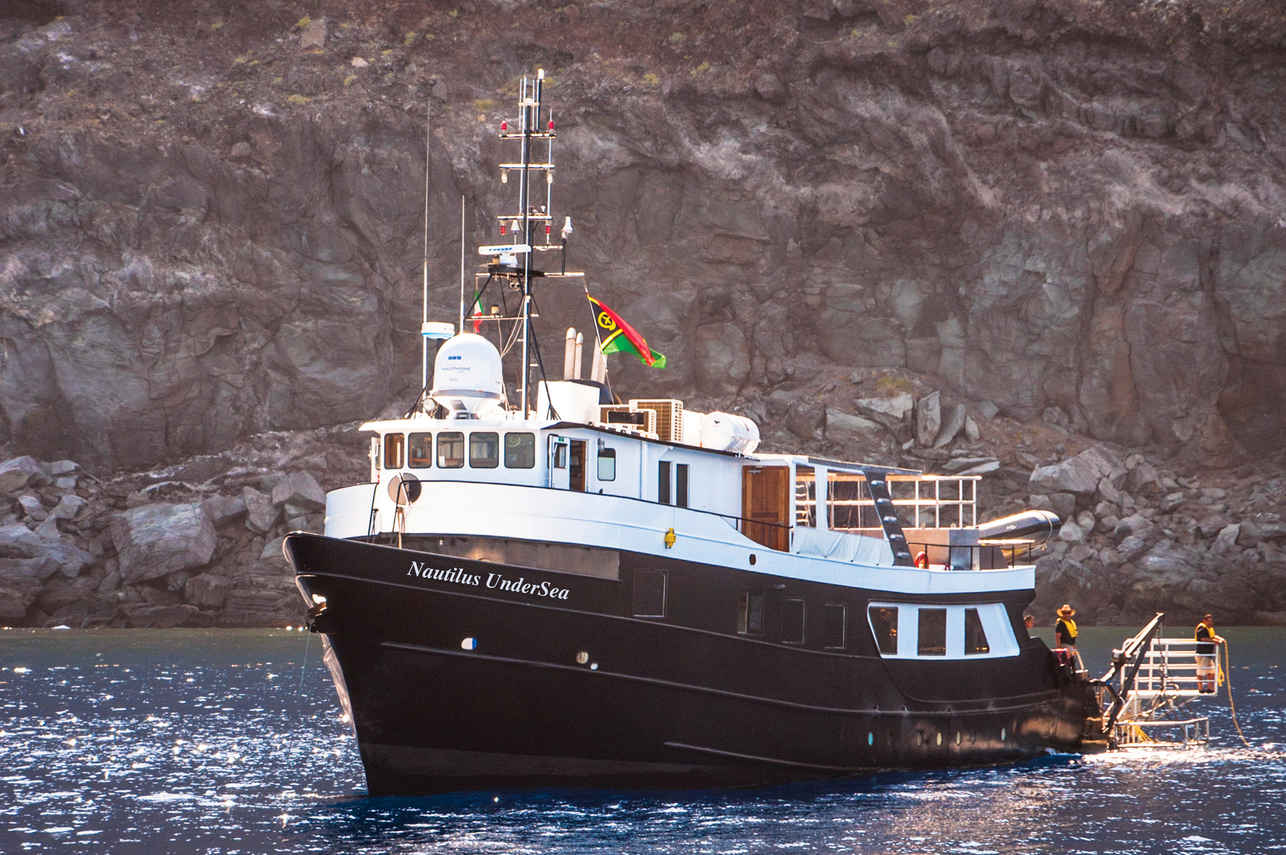
Nautilus Under Sea
México
19 hóspedes32 m
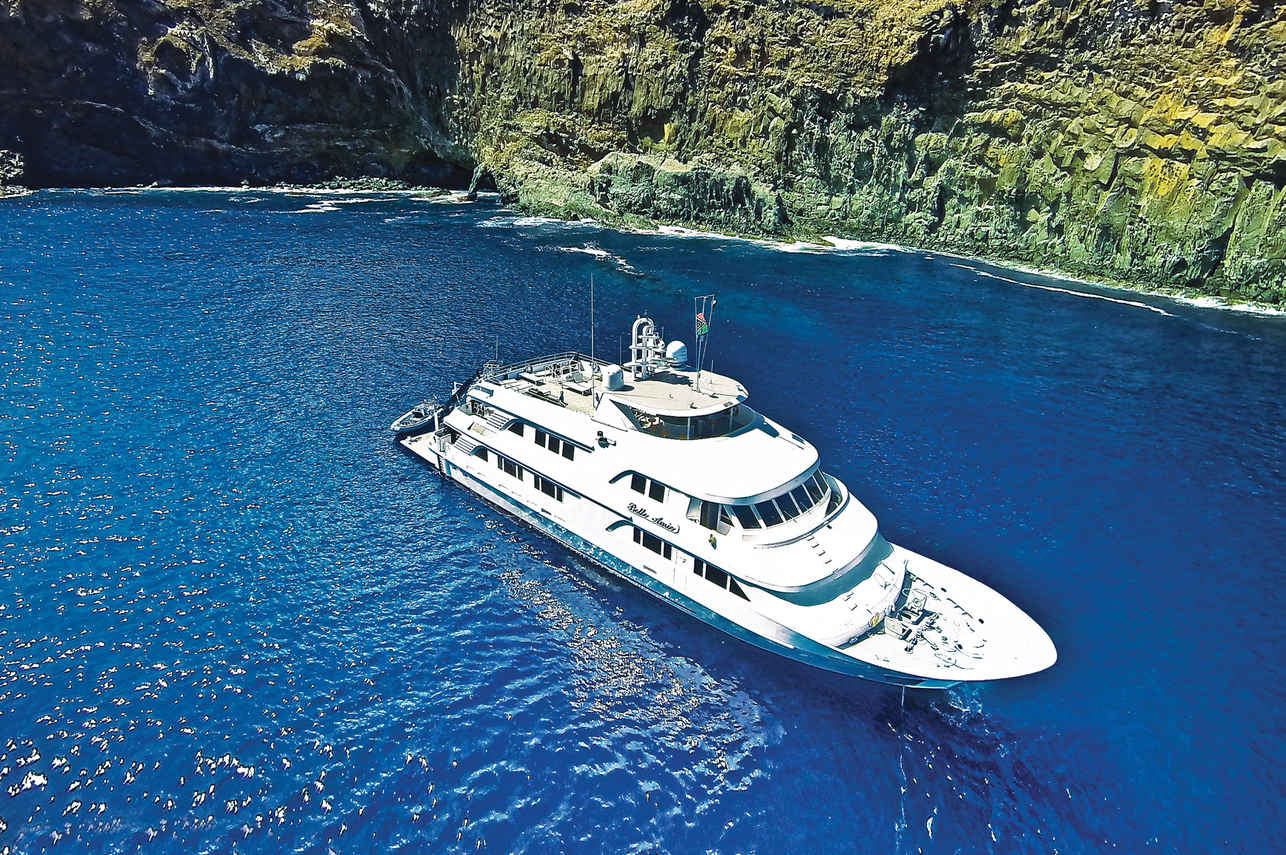
Nautilus Belle Amie
México
32 hóspedes45 m
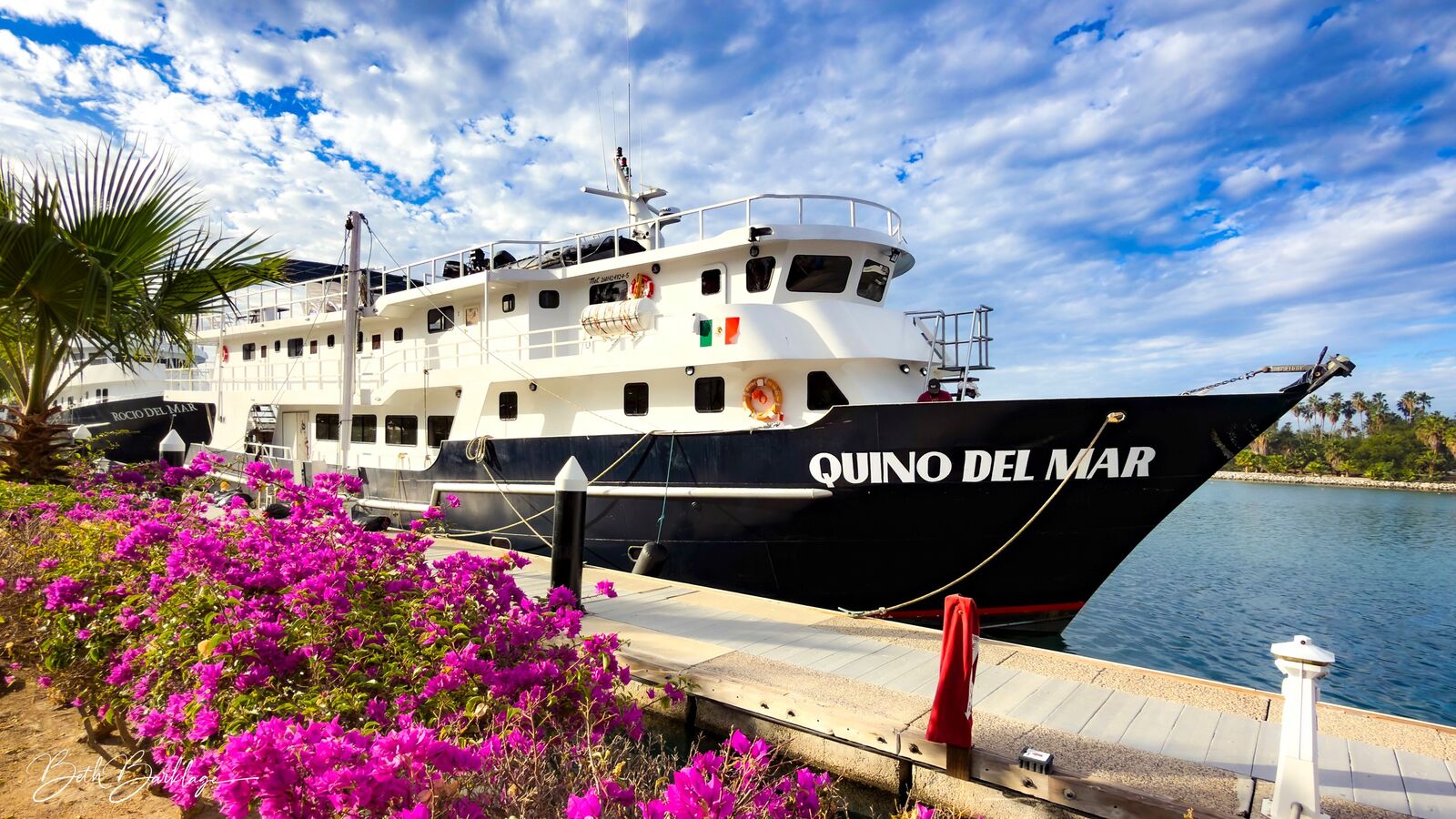
Quino del Mar
México
20 hóspedes36 m
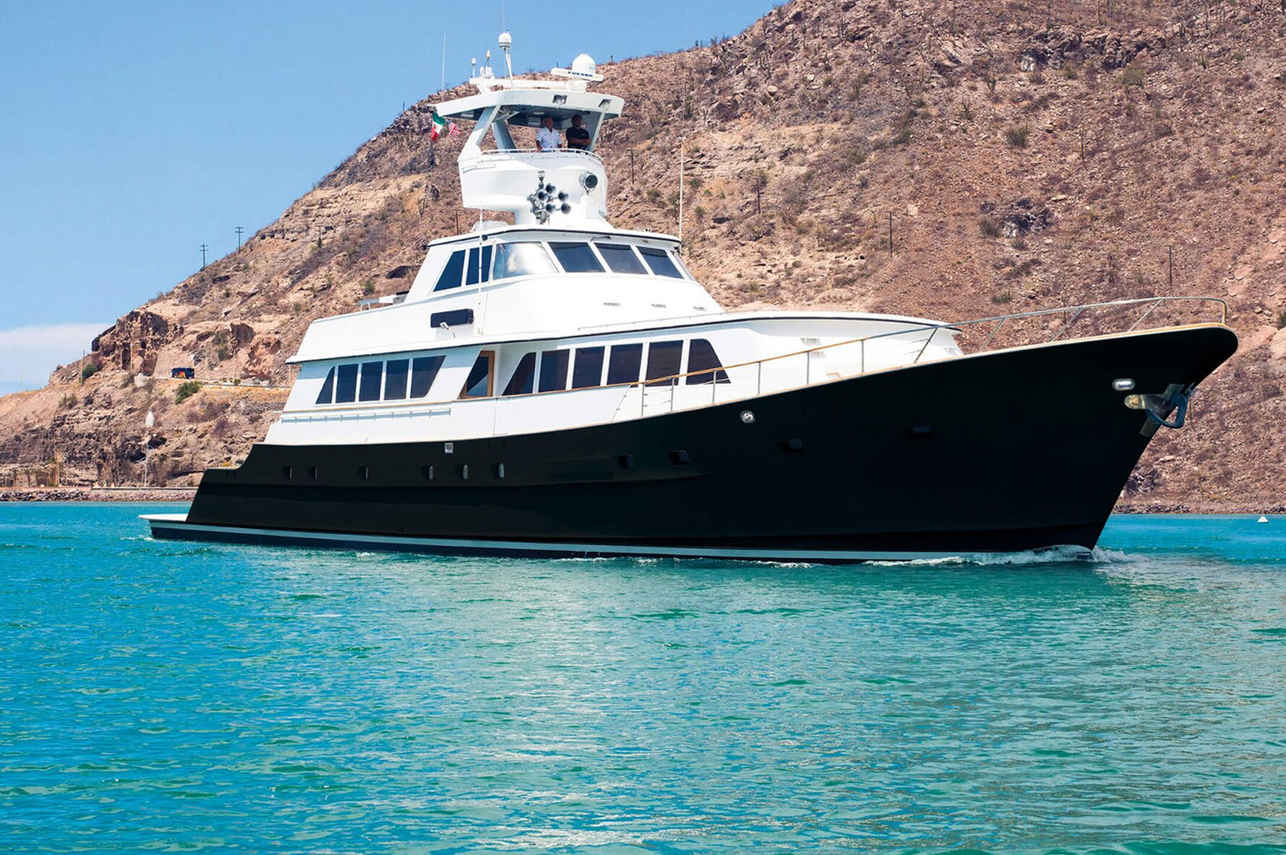
Nautilus Gallant Lady
México
12 hóspedes35 m
Locais de mergulho parecidos com Agustín Melgar shipwreck
Mesmo carácter, mesmas águas: mais seis locais adorados pelos mesmos motivos.Compare épocas, acessos e rotas de liveaboard para escolher o local ideal para a sua viagem.
Arco Iris, ou "Rainbow" em inglês, é um proeminente ponto de mergulho localizado perto da Ilha Brumel (Penahuaste), aproximadamente 8 km ao norte de Playa Potrero na Costa Rica.
- Indicado para
- Iniciante
- Corrente
- Moderada
- Acesso
- Barco diário
- Profundidade
- 9–30 m
- Tema
- Recife
© Esri — Maxar, Earthstar, GIS
Bahía de La Paz
México
A Baía de La Paz é a capital da Baixa Califórnia Sul e a principal porta de entrada para o Mar de Cortez, uma região que Jacques Cousteau apelidou de "o aquário do mundo" devido à sua biodiversidade excecional.
- Indicado para
- Avançado
- Corrente
- Fraca
- Acesso
- Barco diário
- Profundidade
- 17–27 m
- Tema
- Grandes animais / Recife
© Esri — Maxar, Earthstar, GIS
Bahía de los Ángeles
México
A Bahía de los Ángeles, aninhada no Mar de Cortez norte, é um destino de mergulho notável, conhecido principalmente pelas suas agregações sazonais de tubarões-baleia.
- Indicado para
- Intermediário
- Corrente
- Moderada
- Acesso
- Somente liveaboard
- Profundidade
- 3–15 m
- Tema
- Recife
© Esri — Maxar, Earthstar, GIS
Bajo Alcyone
Costa Rica
Bajo Alcyone, uma montanha submarina perto da Ilha do Coco, é um ponto de mergulho mundialmente famoso.
- Indicado para
- Avançado
- Corrente
- Forte
- Acesso
- Somente liveaboard
- Profundidade
- 25–40 m
- Tema
- Correnteza / Monte submarino
© Esri — Maxar, Earthstar, GIS
Bajo de la Ballena
México
O El Bajo, frequentemente chamado de Bajo de la Ballena, é um proeminente monte submarino localizado a aproximadamente oito milhas náuticas a nordeste de La Paz, México.
- Indicado para
- Avançado
- Corrente
- Forte
- Acesso
- Liveaboard ou barco diário
- Profundidade
- 18–35 m
- Tema
- Pináculo
© Esri — Maxar, Earthstar, GIS
Bajo del Diablo
Costa Rica
Bajo del Diablo, também conhecido como Pináculo do Diabo, é amplamente considerado um dos principais locais de mergulho na Reserva Biológica da Ilha do Caño, na Costa Rica.
- Indicado para
- Avançado
- Corrente
- Forte
- Acesso
- Somente liveaboard
- Profundidade
- 10–20 m
- Tema
- Pináculo