Bluerides – Blue Rides - 전 세계 다이빙 리브어보드 예약OCEAN ADVENTURES
리버 크루즈강자연과 야생동물우리의 약속
리버 크루즈강자연과 야생동물우리의 약속로그인

강 여행지

  • 강 여행지
  • 아마존
  • 다뉴브
  • 라인
  • 메콩
  • 나일

선박 및 출발 일정

  • 리버 크루즈 검색
  • 특가

자연과 야생동물

  • 자연과 야생동물

여행 지원

  • 우리의 약속
  • 문의하기

문의

문의하기

언제든 연락 주세요, 여행 선택부터 궁금한 점까지 기꺼이 도와드립니다.

이메일메일을 보내주세요. 보통 몇 시간 내에 답변드립니다.
contact@bluerides.com
WhatsAppWhatsApp으로 문의 주세요. 월–금 10:00–16:00 (CET).
WhatsApp 채팅 시작
전화전화 주세요, 기꺼이 도와드립니다.
무료 통화, 월–금 10:00–20:00 (CET).
유럽+49 800 1144 990미국+1 888 557 7735영국+44 800 707 4152호주+61 2 8599 6113캐나다+1 888 557 7735
Which river journey is yours?Answer 8 quick questions and find the river cruise that fits you.
8 questions, 1 minute·Plus Gift
안전한 결제 수단결제는 AES-256 암호화로 완벽하게 보호됩니다.
제공StripeWiseAMEXPayGoogle PaySEPABank
각인·이용약관·개인정보 처리방침·회사 소개·문의하기·책임 면제 동의서·제휴 프로그램·Cruise·
여기서 팔로우하세요

© 2026 Blue Rides. 모든 권리 보유.·

Bluerides – Blue Rides - 전 세계 다이빙 리브어보드 예약OCEAN ADVENTURES
리버 크루즈강자연과 야생동물우리의 약속
리버 크루즈강자연과 야생동물우리의 약속로그인
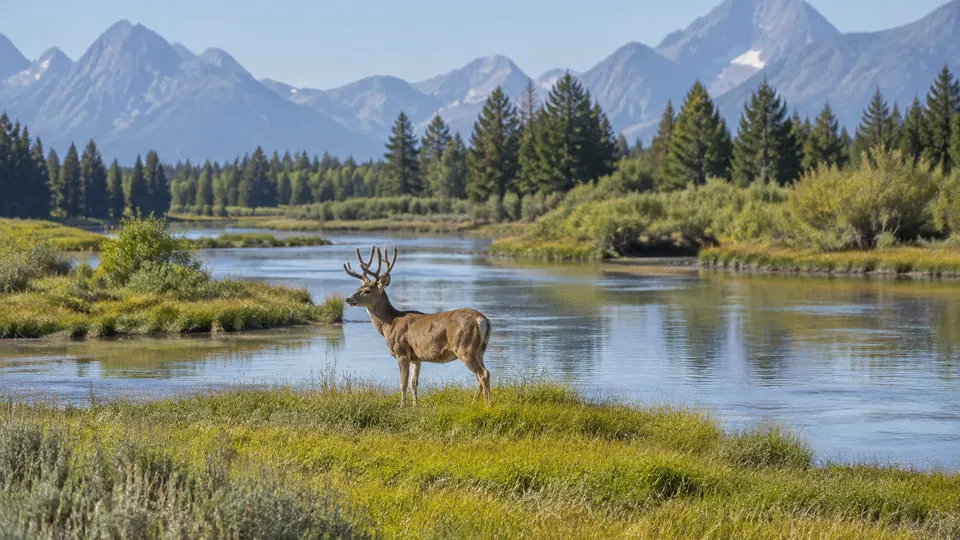
습지의 Mule deer — Columbia, 리버 크루즈 야생동물
홈›리버 크루즈›강의 야생동물›Mule Deer

Mule DeerOdocoileus hemionus만날 수 있는 장소와 시기

이전 종Medium Egret다음 종Mute Swan

Mule Deer 요약

Mule Deer are large-eared deer of western North America, named for ears that give the head an unmistakably alert outline. The National Park Service describes a broad range of body sizes, from adult females around one hundred pounds to males approaching three hundred, and a nose-to-tail length of roughly 1.2–2.1 metres. These are species reference values, not measurements from the Columbia River refuge. The registered cruise-linked reach is Umatilla National Wildlife Refuge around Boardman–Irrigon, where the U.S. Fish and Wildlife Service explicitly names mule deer among wildlife attracting visitors. An animal may be seen on a shoreline scan, but a permitted refuge excursion offers a more relevant view of its upland habitat. Deer presence should never be marketed as a predictable close approach beside the ship. Source: https://www.nps.gov/articles/000/mule-deer.htm
행동 및 번식

크기
1.2–2.1 m (3.9–6.9 ft) nose-to-tail length; NPS.
무게
About 45–136 kg (100–300 lb) for adults across sexes; NPS.
수명
Species-specific lifespan not verified.
상태
Formal global conservation status not verified.

NPS describes related females and their offspring living in family groups, while older males may be solitary or form separate groups. Social arrangements change around breeding and winter conditions, so a solitary animal is not necessarily lost or abnormal. Bucks grow forked antlers that are shed and replaced, and antler size is not a simple measure of age. The different NPS park accounts give different shedding dates, which is a reminder not to impose one park's calendar on Umatilla. Watch natural interactions from a distance and avoid placing yourself between group members. An animal that stops feeding and stares towards visitors is already responding to them. Back away slowly rather than waiting for it to run, and do not approach a motionless fawn assumed to be abandoned.

주요 야생동물 관찰지

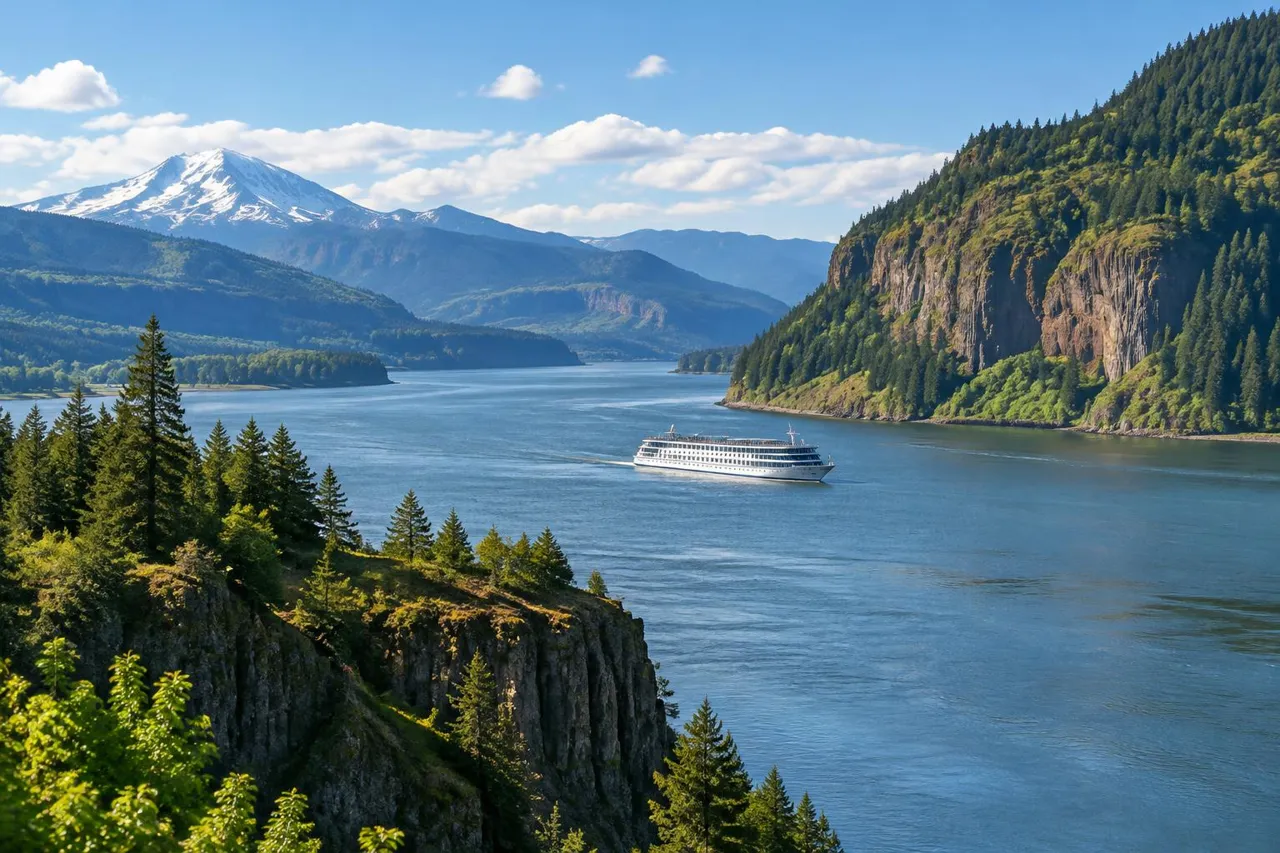
Columbia 강 풍경 — 리버 크루즈 야생동물 서식지

Columbia

Columbia — Umatilla NWR, Boardman–Irrigon Viewing context: Shoreline/upland scanning or optional refuge excursion; dawn/dusk best.
리버 크루즈 둘러보기

목적지는 해당 종의 서식지를 설명하며, 크루즈의 기항을 보장하지 않습니다. 일부 동물은 선택 관광인 내륙 탐방이 필요하거나 제한된 보호구역에서만 발견됩니다.

Mule Deer에 관한 재미있는 사실

  • Its name refers to its large ears.
  • A pale rump and black-tipped tail are useful clues.
  • Bucks normally grow forked antlers.
  • Antlers are shed and replaced.
  • It is a cud-chewing ruminant.
  • Females and offspring can form family groups.
  • Umatilla refuge explicitly lists Mule Deer as a viewing attraction.

Mule Deer 관찰하기 가장 좋은 시기

The refuge's public information confirms Mule Deer as a wildlife-viewing attraction but does not provide a recurring local monthly observation calendar. The registry suggests dawn and dusk as useful daily periods; those are time-of-day clues, not month evidence. Seasonal movements described by NPS for other western landscapes cannot define Umatilla availability. The Columbia location months array is therefore empty. Plan an authorised refuge visit around current access rules, remembering that the refuge ordinarily opens from sunrise to sunset rather than permitting unrestricted night viewing. Ask staff about current viewing opportunities without expecting a guaranteed animal location. Rut dates, antler shedding dates and fawn birth periods are biological events, and none should be used by itself to create a numerical cruise-watching season.

Mule Deer: 목적지별 시즌 매트릭스

Highlighted months reflect the stated local evidence, not guaranteed encounters. Neutral months mean no verified monthly viewing window, not absence. Observation records and recommended viewing windows are distinct.

Columbia

A recurring species-specific numerical month range for this exact reach was not verified. Months are left empty; occurrence, broad residency, breeding dates and single trips are not treated as a calendar.

1월2월3월4월5월6월7월8월9월10월11월12월
리버 크루즈 둘러보기

Mule Deer 서식지

The refuge includes Columbia River waters, islands, shores and uplands, with managed and natural wetlands alongside shrub-steppe. For Mule Deer, this means scanning beyond the immediate waterline into the terrestrial mosaic rather than concentrating only on open water. NPS describes the species as well adapted to arid, rocky western environments, but no Umatilla-specific habitat preference percentages were verified. A deer using a bank does not make it an aquatic animal; river-cruise relevance comes from access to adjacent land and refuge viewpoints. The Fish and Wildlife Service warns that most refuge islands are closed to public entry year-round to protect wildlife. Those restrictions apply even when a deer appears easy to approach. Use current refuge maps and authorised land routes rather than treating all exposed shoreline as public access.

Mule Deer 먹이

Mule Deer are selective herbivores and ruminants. NPS explains that their multi-chambered digestive system uses microbes to process food and that they chew regurgitated cud. The general account emphasises forbs, leaves and twigs of woody plants, and fruits or berries rather than portraying them as indiscriminate grass-eaters. Relative food availability varies across landscapes, so dietary percentages from a Utah park should not be applied to the Columbia refuge. No Umatilla-specific plant list or seasonal nutritional study was verified. From a viewpoint, one may see browsing or chewing without identifying the plant, which is still a valid behavioural observation. Never offer food or approach a feeding group. Artificial feeding changes natural choices, can concentrate animals and can create unsafe expectations around people and vehicles.

종 요약

일반 명칭
Mule Deer
Scientific name
Odocoileus hemionus
동물 그룹
Mammals
크기
1.2–2.1 m (3.9–6.9 ft) nose-to-tail length; NPS.
무게
About 45–136 kg (100–300 lb) for adults across sexes; NPS.
수명
Species-specific lifespan not verified.
상태
Formal global conservation status not verified.
식별 특징
Large ears are the obvious first clue, but combine them with the rump and tail pattern. NPS describes a white rump patch and a narrow, black-tipped tail, usually carried down when running, in contrast to the conspicuous raised flag of White-tailed Deer. Bucks normally have antlers that fork into branching divisions, rather than the main-beam arrangement typical of White-tailed Deer. Females lack the antlers, so the head's absence of them does not exclude Mule Deer. Size and coat tone alone are insufficient where deer species overlap. Distance can hide the tail tip or exaggerate ear size, so wait for a clear view rather than deciding from a silhouette. Antler points should not be used as a reliable age count for an individual.

Mule Deer: 자주 묻는 질문

Mule Deer은(는) 어디에서 볼 수 있니?
Columbia. Scan slowly across the shoreline-to-upland transition around the permitted Umatilla visitor areas. Binoculars help detect large ears, pale rumps and a horizontal back among shrubs. Dawn or late-day light may fit the registered viewing advice, but access must remain within current refuge opening hours. From a vehicle, use designated stopping places and do not block roads or pursue animals along the verge. From a cruise vessel, treat any view as incidental rather than asking for a close approach to a bank or island. Keep well away from groups, bucks and fawns, and leave pets under the required control. If the animal repeatedly watches you, moves away or interrupts feeding, increase the distance instead of using its alert posture as a portrait opportunity.
Mule Deer을(는) 관찰하기 가장 좋은 시기는 언제니?
The refuge's public information confirms Mule Deer as a wildlife-viewing attraction but does not provide a recurring local monthly observation calendar. The registry suggests dawn and dusk as useful daily periods; those are time-of-day clues, not month evidence. Seasonal movements described by NPS for other western landscapes cannot define Umatilla availability. The Columbia location months array is therefore empty. Plan an authorised refuge visit around current access rules, remembering that the refuge ordinarily opens from sunrise to sunset rather than permitting unrestricted night viewing. Ask staff about current viewing opportunities without expecting a guaranteed animal location. Rut dates, antler shedding dates and fawn birth periods are biological events, and none should be used by itself to create a numerical cruise-watching season.
Mule Deer은(는) 얼마나 크게 자라니?
1.2–2.1 m (3.9–6.9 ft) nose-to-tail length; NPS.. 성체 무게: About 45–136 kg (100–300 lb) for adults across sexes; NPS.. 크기는 연령, 성별 및 개체군에 따라 달라져.
Mule Deer 근처에서는 어떻게 행동해야 하니?
Scan slowly across the shoreline-to-upland transition around the permitted Umatilla visitor areas. Binoculars help detect large ears, pale rumps and a horizontal back among shrubs. Dawn or late-day light may fit the registered viewing advice, but access must remain within current refuge opening hours. From a vehicle, use designated stopping places and do not block roads or pursue animals along the verge. From a cruise vessel, treat any view as incidental rather than asking for a close approach to a bank or island. Keep well away from groups, bucks and fawns, and leave pets under the required control. If the animal repeatedly watches you, moves away or interrupts feeding, increase the distance instead of using its alert posture as a portrait opportunity.
Mule Deer은(는) 무엇을 먹니?
Mule Deer are selective herbivores and ruminants. NPS explains that their multi-chambered digestive system uses microbes to process food and that they chew regurgitated cud. The general account emphasises forbs, leaves and twigs of woody plants, and fruits or berries rather than portraying them as indiscriminate grass-eaters. Relative food availability varies across landscapes, so dietary percentages from a Utah park should not be applied to the Columbia refuge. No Umatilla-specific plant list or seasonal nutritional study was verified. From a viewpoint, one may see browsing or chewing without identifying the plant, which is still a valid behavioural observation. Never offer food or approach a feeding group. Artificial feeding changes natural choices, can concentrate animals and can create unsafe expectations around people and vehicles.
리버 크루즈에서 야생동물 관찰이 보장되니?
아니. 동물들은 자유롭게 이동하며 경로, 날씨, 접근 제한 및 현지 상황이 모든 일정에 영향을 미쳐. 예약 전에 실제 여정과 기항지 프로그램을 확인해 줘.

같은 목적지의 야생동물 비교

이 목적지들에서 기록된 다른 mammals 종들을 탐색해 봐. 주변 환경이 비슷하다고 해서 동물의 습성이나 관찰 시즌이 같다는 것을 의미하지는 않아.

동물 그룹 및 목적지별 종 비교
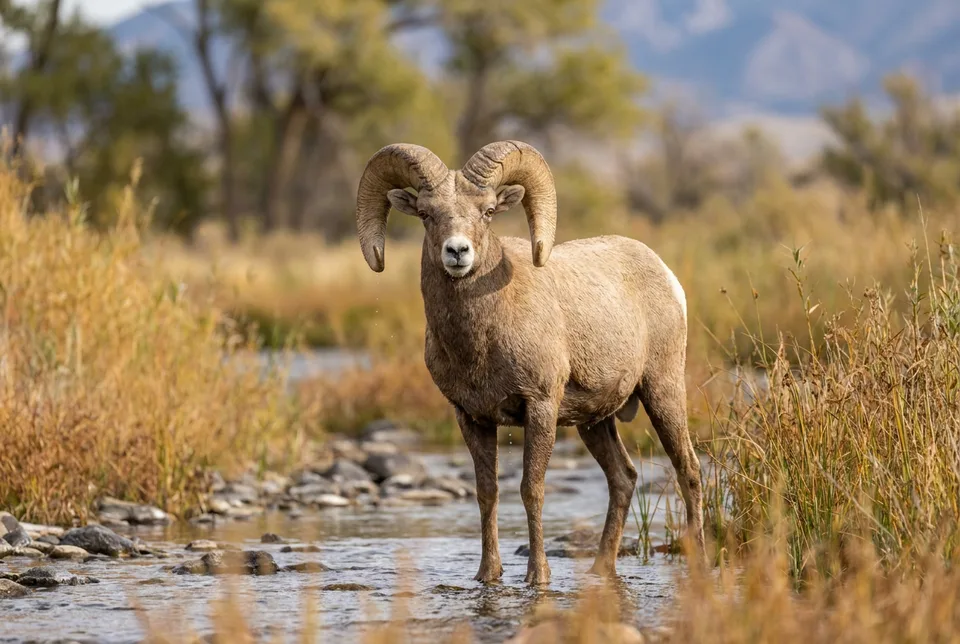
습지의 Mule deer — Columbia, 리버 크루즈 야생동물Mule Deer습지의 Bighorn Sheep — Columbia, 리버 크루즈 야생동물Bighorn Sheep
동물 그룹Mammals동물 그룹Mammals
여행지Columbia여행지Columbia
Scientific name
Odocoileus hemionus
Scientific name
이전 종Medium Egret다음 종Mute Swan
모든 강 야생동물
On this page
  • 01약
  • 02행동 및 번식
  • 03주요 야생동물 관찰지
  • 04재미있는 사실
  • 05최적의 시즌
  • 06목적지별 시즌 매트릭스
  • 07서식지
  • 08먹이
  • 09종 요약
  • 10질문 및 답변
  • 11비교

Find your river cruise

여행을 계획하세요

다음 리버 크루즈 여행을 찾아보세요

보고 싶은 동물과 서식지에 맞춰 목적지, 기항지 프로그램, 일정을 비교해 보세요.

  • 매일 진행되는 기항지 관광
  • 책임감 있는 야생동물 관찰
  • 부티크 리버 쉽
리버 크루즈 둘러보기