Bluerides – Blue Rides - 전 세계 다이빙 리브어보드 예약OCEAN ADVENTURES
River CruisesRiversNature & WildlifeOur Promise
River CruisesRiversNature & WildlifeOur Promise로그인

강 크루즈 여행지

  • 강 크루즈 여행지
  • 아마존강
  • 다뉴브강
  • 라인강
  • 메콩강
  • 나일강

선박 및 출발 일정

  • 리버 크루즈 검색
  • 특가

자연과 야생동물

  • 자연과 야생동물

여행 지원

  • 우리의 약속
  • 문의하기

문의

문의하기

언제든 연락 주세요, 여행 선택부터 궁금한 점까지 기꺼이 도와드립니다.

이메일메일을 보내주세요. 보통 몇 시간 내에 답변드립니다.
contact@bluerides.com
WhatsAppWhatsApp으로 문의 주세요. 월–금 10:00–16:00 (CET).
WhatsApp 채팅 시작
전화전화 주세요, 기꺼이 도와드립니다.
무료 통화, 월–금 10:00–20:00 (CET).
유럽+49 800 1144 990미국+1 888 557 7735영국+44 800 707 4152호주+61 2 8599 6113캐나다+1 888 557 7735
Which river journey is yours?Answer 8 quick questions and find the river cruise that fits you.
8 questions, 1 minute·Plus Gift
안전한 결제 수단결제는 AES-256 암호화로 완벽하게 보호됩니다.
제공StripeWiseAMEXPayGoogle PaySEPABank
각인·이용약관·개인정보 처리방침·회사 소개·문의하기·책임 면제 동의서·제휴 프로그램·Cruise·
여기서 팔로우하세요

© 2026 Blue Rides. 모든 권리 보유.·

Bluerides – Blue Rides - 전 세계 다이빙 리브어보드 예약OCEAN ADVENTURES
River CruisesRiversNature & WildlifeOur Promise
River CruisesRiversNature & WildlifeOur Promise로그인
습지의 Common Kestrel — Nile, 리버 크루즈 야생동물
홈›River Cruises›River Wildlife›Common Kestrel

Common KestrelFalco tinnunculus만날 수 있는 장소와 시기

Previous speciesCommon House MartinNext speciesCommon Merganser

Common Kestrel at a glance

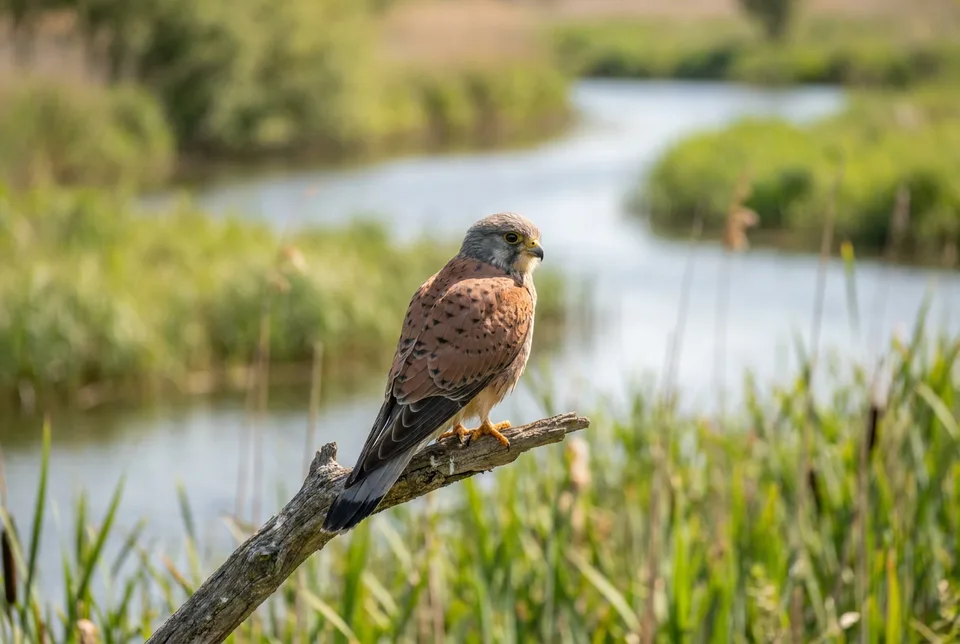
The Common Kestrel is a small falcon, registered here as Falco tinnunculus. Pointed wings, a long tail and the ability to hold a hunting hover make it familiar in open landscapes and built environments. Adult males have a slate-grey head and upper tail, whereas females are browner and show more extensive tail barring. Both sexes have dark marks below the eyes and spotted pale underparts. The registered Nile association comes from a historical March 2007 birdwatching report covering Luxor–Esna–Edfu–Kom Ombo–Aswan. The species appears in that report’s list, supporting a dated corridor occurrence rather than current abundance at every temple or landing. Kestrels hunt over land, so a bird beside a river may be using fields, verges, buildings or dry margins rather than the water. Combine normal shore visits with careful scanning instead of expecting a dedicated aquatic wildlife encounter.

Behaviour & reproduction

Size
Not independently verified in the retrieved evidence
Weight
Not independently verified in the retrieved evidence
Lifespan
Not independently verified in the retrieved evidence
Status
See sourced assessment

A hunting kestrel may face into the wind and hover with its body held nearly stationary above a patch of ground. The wings work rapidly while the spread tail helps control position. It can then move to another position, descend or return to a perch. Hovering is useful to recognise, but it is not the bird’s only hunting method; watching from a building, pole or tree can be equally characteristic. Kestrels also fly directly between feeding areas with their pointed wings and long tail plainly visible. Urban tolerance does not mean that a perched bird welcomes close approach. At Nile shore stops, observe from normal visitor routes and avoid following a bird toward a cavity or ledge. A brief hover identifies a hunting action, not the prey or a nest location. Local behaviour should be recorded independently of the historical report’s broader corridor species list.

Top wildlife locations

Nile 강 풍경 — 리버 크루즈 야생동물 서식지

Nile

Luxor–Esna–Edfu–Kom Ombo–Aswan; exact observation context in quote

Explore river cruises

Destinations describe the species' habitat, not guaranteed cruise stops. Some animals require an optional inland excursion or are found in restricted reserves.

Fun facts about the Common Kestrel

  • The registered identity is Falco tinnunculus.
  • Kestrels are falcons rather than buzzards.
  • A hunting hover is a characteristic behaviour.
  • The tail spreads during hovering.
  • Adult males have a grey head.
  • Females show more extensive tail barring.
  • Both sexes have dark facial tear marks.
  • The species can use built environments.
  • The Nile evidence is a historical March 2007 corridor report.

Best time to see the Common Kestrel

The Nile evidence is a dated March 2007 trip report covering the registered Luxor–Esna–Edfu–Kom Ombo–Aswan corridor. It supports historical occurrence during that journey, not a recurring March peak or a year-round viewing calendar. The monthly array remains empty because one trip is not sufficient to define an annual local species season. The Common Kestrel’s broad distribution and ability to use towns also do not prove continuous presence at each individual cruise stop. On a present-day itinerary, recent local observations and access to open terrestrial viewpoints are more useful than assuming the historical list remains a forecast. Wind may affect whether hovering is conspicuous, while a perched bird can be missed against buildings or trees. These are practical visibility considerations rather than verified seasonal trends. Keep any current observation attached to its actual stop and date rather than treating it as confirmation for the whole corridor.

Common Kestrel: season matrix by destination

Highlighted months reflect the stated local evidence, not guaranteed encounters. Neutral months mean no verified monthly viewing window, not absence. Observation records and recommended viewing windows are distinct.

Nile

Historical March 2007 occurrence is not an annually verified March season or evidence of year-round availability.

1월2월3월4월5월6월7월8월9월10월11월12월
Explore river cruises

Where the Common Kestrel lives

Common Kestrels use open and partly open landscapes where prey can be detected on the ground. Grassland, cultivated land, verges, rocky settings and towns can all provide useful combinations of hunting space and elevated perches. Buildings may supply nest sites, which helps explain the species’ ability to live in urban environments. For a Nile visitor, scan the terrestrial surroundings of normal riverbank and monument excursions rather than only the channel. The registered evidence covers the Luxor-to-Aswan corridor named in the March 2007 report, but it does not identify every field, temple or urban district as occupied. A suitable-looking landscape at another Nile reach is not additional occurrence evidence. Remain within authorised visitor areas and do not enter agricultural plots or climb structures to investigate a bird. Habitat description should guide observation within the documented corridor, not create unsupported localities beyond it.

What the Common Kestrel eats

Kestrels take small animals, with small mammals often important and birds, reptiles and large insects contributing according to locality and opportunity. Their diet can vary across the species’ broad range, so a European prey pattern should not be presented as a measured Nile diet. A hovering bird is searching for prey below; a perched individual may also watch before making a short capture flight. Most strikes are too distant or obscured to reveal exactly what was taken. If a bird carries food, identify the item only when the view is sufficient, and do not follow it toward a nest. Never bait a kestrel with meat, captive animals or food placed near roads and visitor areas. Natural hunting observations are more informative than induced approaches. At the registered Nile stops, the historical species list establishes presence but supplies no verified prey proportions for the local population.

Species at a glance

Common name
Common Kestrel
Scientific name
Falco tinnunculus
Animal group
Birds
Size
Not independently verified in the retrieved evidence
Weight
Not independently verified in the retrieved evidence
Lifespan
Not independently verified in the retrieved evidence
Status
RSPB UK Birds of Conservation Concern: Amber. Global and Egyptian categories were not independently verified.
Identification
Look for a small falcon with pointed wings, a long tail and dark tear-like marks beneath the eyes. Adult males show a slate-grey head and upper tail, with a strong dark band near the tail tip. Females are browner overall and have bars along the upper tail. Both sexes have pale underparts marked with dark spots. A Sparrowhawk has different wing and tail proportions and typically barred rather than similarly spotted underparts; other small falcons require careful comparison, especially in distant flight. Hovering strongly suggests kestrel in the right context but should not replace a view of structure and plumage. Light can make a male’s grey head appear less obvious, and young birds may not match an adult-male illustration. Follow a candidate through a turn or wait for it to perch. Avoid deciding solely from a reddish back, a single silhouette or the existence of a historical local record.

Common Kestrel: frequently asked questions

Where can I see the Common Kestrel?
Nile. From normal Nile visitor routes, scan posts, building edges, isolated trees and the sky above open ground. A kestrel can remain still on a perch long enough for a careful binocular view, while a hovering bird is easier to locate but more difficult to examine in detail. Watch from a stable public position and let the bird resume normal hunting rather than approaching until it moves. Do not climb monuments, enter closed areas or point visitors toward a possible nest ledge. A telescope may help with a distant perched bird, but binoculars are usually more practical for following a moving falcon. Record the actual location, sex features if visible and behaviour such as hovering or perching. The registry’s historical corridor association must not be turned into a claim that every Luxor, Esna, Edfu, Kom Ombo or Aswan excursion reliably produces a kestrel sighting.
When is the best time to see the Common Kestrel?
The Nile evidence is a dated March 2007 trip report covering the registered Luxor–Esna–Edfu–Kom Ombo–Aswan corridor. It supports historical occurrence during that journey, not a recurring March peak or a year-round viewing calendar. The monthly array remains empty because one trip is not sufficient to define an annual local species season. The Common Kestrel’s broad distribution and ability to use towns also do not prove continuous presence at each individual cruise stop. On a present-day itinerary, recent local observations and access to open terrestrial viewpoints are more useful than assuming the historical list remains a forecast. Wind may affect whether hovering is conspicuous, while a perched bird can be missed against buildings or trees. These are practical visibility considerations rather than verified seasonal trends. Keep any current observation attached to its actual stop and date rather than treating it as confirmation for the whole corridor.
How big does the Common Kestrel get?
Not independently verified in the retrieved evidence. Adult weight: Not independently verified in the retrieved evidence. Size varies with age, sex and population.
How should I behave around the Common Kestrel?
From normal Nile visitor routes, scan posts, building edges, isolated trees and the sky above open ground. A kestrel can remain still on a perch long enough for a careful binocular view, while a hovering bird is easier to locate but more difficult to examine in detail. Watch from a stable public position and let the bird resume normal hunting rather than approaching until it moves. Do not climb monuments, enter closed areas or point visitors toward a possible nest ledge. A telescope may help with a distant perched bird, but binoculars are usually more practical for following a moving falcon. Record the actual location, sex features if visible and behaviour such as hovering or perching. The registry’s historical corridor association must not be turned into a claim that every Luxor, Esna, Edfu, Kom Ombo or Aswan excursion reliably produces a kestrel sighting.
What does the Common Kestrel eat?
Kestrels take small animals, with small mammals often important and birds, reptiles and large insects contributing according to locality and opportunity. Their diet can vary across the species’ broad range, so a European prey pattern should not be presented as a measured Nile diet. A hovering bird is searching for prey below; a perched individual may also watch before making a short capture flight. Most strikes are too distant or obscured to reveal exactly what was taken. If a bird carries food, identify the item only when the view is sufficient, and do not follow it toward a nest. Never bait a kestrel with meat, captive animals or food placed near roads and visitor areas. Natural hunting observations are more informative than induced approaches. At the registered Nile stops, the historical species list establishes presence but supplies no verified prey proportions for the local population.
Are wildlife sightings guaranteed on a river cruise?
No. Animals move freely and routes, weather, access restrictions and local conditions influence every outing. Confirm the actual itinerary and shore program before booking.

Compare wildlife in the same destinations

Explore other birds recorded in these destinations. Similar surroundings do not mean the animals share the same habits or viewing season.

Species comparison by animal group and destination
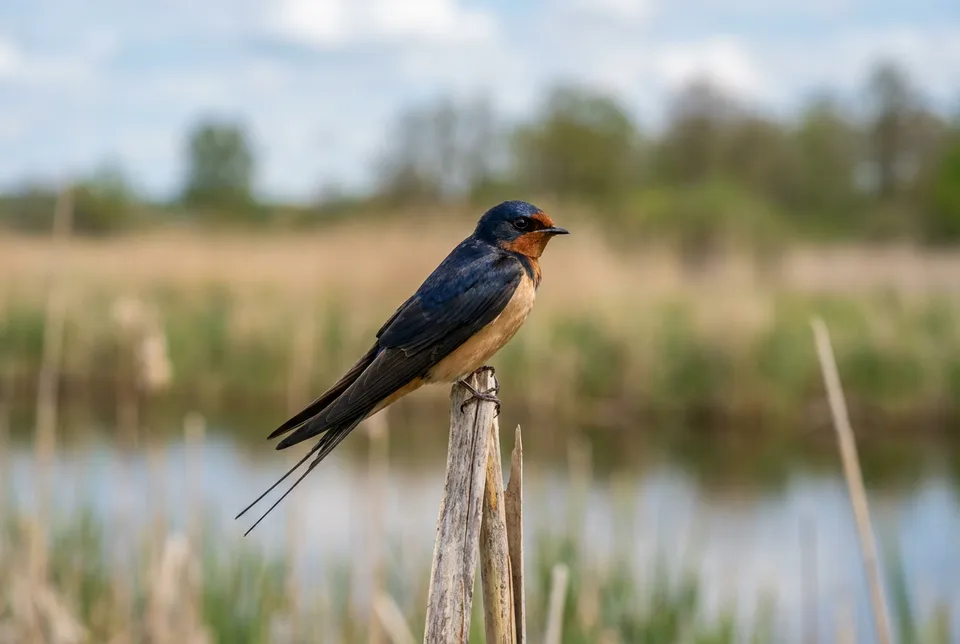
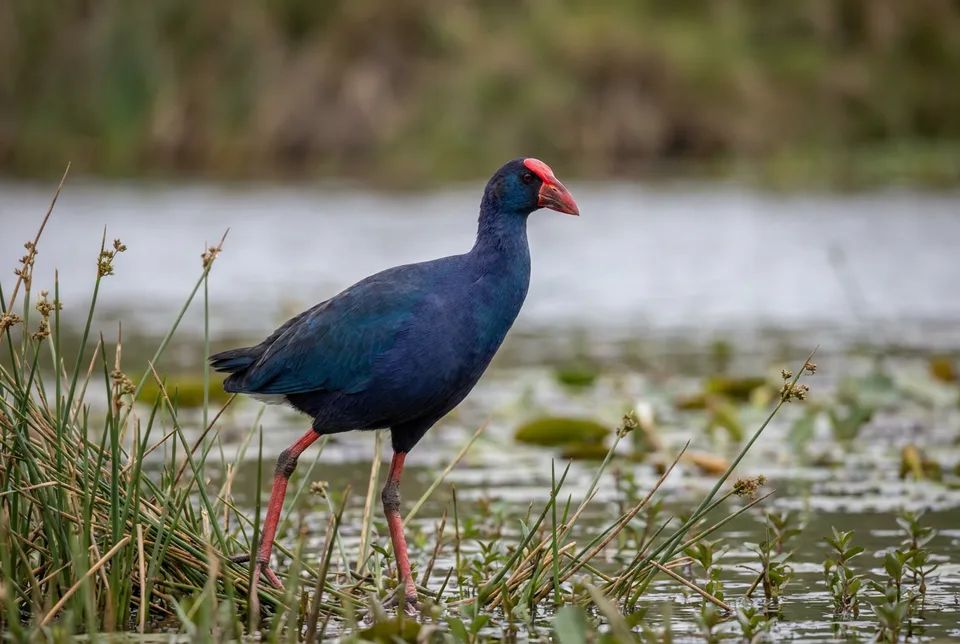
습지의 Common Kestrel — Nile, 리버 크루즈 야생동물Common Kestrel습지의 아프리카자색물닭 — 이집트 나일강, 리버 크루즈 야생동물African Swamphen습지의 Barn Swallow — Mississippi, Nile, 리버 크루즈 야생동물Barn Swallow
Animal groupBirdsAnimal groupBirdsAnimal groupBirds
DestinationsNileDestinationsNileDestinationsMississippi, Nile
Scientific name
Falco tinnunculus

Falco tinnunculus

Scientific name
Scientific name
Size
Not independently verified in the retrieved evidence
Size
Size
Weight
Not independently verified in the retrieved evidence
Weight
Weight
Lifespan
Not independently verified in the retrieved evidence
Lifespan
Lifespan
Status
See sourced assessment
Status
Status
Identification
Look for a small falcon with pointed wings, a long tail and dark tear-like marks beneath the eyes.

Look for a small falcon with pointed wings, a long tail and dark tear-like marks beneath the eyes. Adult males show a slate-grey head and upper tail, with a strong dark band near the tail tip. Females are browner overall and have bars along the upper tail. Both sexes have pale underparts marked with dark spots. A Sparrowhawk has different wing and tail proportions and typically barred rather than similarly spotted underparts; other small falcons require careful comparison, especially in distant flight. Hovering strongly suggests kestrel in the right context but should not replace a view of structure and plumage. Light can make a male’s grey head appear less obvious, and young birds may not match an adult-male illustration. Follow a candidate through a turn or wait for it to perch. Avoid deciding solely from a reddish back, a single silhouette or the existence of a historical local record.

Identification
Identification
Habitat
Common Kestrels use open and partly open landscapes where prey can be detected on the ground.

Common Kestrels use open and partly open landscapes where prey can be detected on the ground. Grassland, cultivated land, verges, rocky settings and towns can all provide useful combinations of hunting space and elevated perches. Buildings may supply nest sites, which helps explain the species’ ability to live in urban environments. For a Nile visitor, scan the terrestrial surroundings of normal riverbank and monument excursions rather than only the channel. The registered evidence covers the Luxor-to-Aswan corridor named in the March 2007 report, but it does not identify every field, temple or urban district as occupied. A suitable-looking landscape at another Nile reach is not additional occurrence evidence. Remain within authorised visitor areas and do not enter agricultural plots or climb structures to investigate a bird. Habitat description should guide observation within the documented corridor, not create unsupported localities beyond it.

Habitat
Habitat
Diet
Kestrels take small animals, with small mammals often important and birds, reptiles and large insects contributing according to locality and opportunity.

Kestrels take small animals, with small mammals often important and birds, reptiles and large insects contributing according to locality and opportunity. Their diet can vary across the species’ broad range, so a European prey pattern should not be presented as a measured Nile diet. A hovering bird is searching for prey below; a perched individual may also watch before making a short capture flight. Most strikes are too distant or obscured to reveal exactly what was taken. If a bird carries food, identify the item only when the view is sufficient, and do not follow it toward a nest. Never bait a kestrel with meat, captive animals or food placed near roads and visitor areas. Natural hunting observations are more informative than induced approaches. At the registered Nile stops, the historical species list establishes presence but supplies no verified prey proportions for the local population.

Diet
Diet
Best season
The Nile evidence is a dated March 2007 trip report covering the registered Luxor–Esna–Edfu–Kom Ombo–Aswan corridor.

The Nile evidence is a dated March 2007 trip report covering the registered Luxor–Esna–Edfu–Kom Ombo–Aswan corridor. It supports historical occurrence during that journey, not a recurring March peak or a year-round viewing calendar. The monthly array remains empty because one trip is not sufficient to define an annual local species season. The Common Kestrel’s broad distribution and ability to use towns also do not prove continuous presence at each individual cruise stop. On a present-day itinerary, recent local observations and access to open terrestrial viewpoints are more useful than assuming the historical list remains a forecast. Wind may affect whether hovering is conspicuous, while a perched bird can be missed against buildings or trees. These are practical visibility considerations rather than verified seasonal trends. Keep any current observation attached to its actual stop and date rather than treating it as confirmation for the whole corridor.

Best season
Best season
Season matrix by destination
NileNo verified monthly viewing evidence

Historical March 2007 occurrence is not an annually verified March season or evidence of year-round availability.

Season matrix by destinationSeason matrix by destination
Previous speciesCommon House MartinNext speciesCommon Merganser
All river wildlife
On this page
  • 01About
  • 02Behaviour & reproduction
  • 03Top wildlife locations
  • 04Fun facts
  • 05Best season
  • 06Season matrix by destination
  • 07Habitat
  • 08Diet
  • 09Species at a glance
  • 10Questions & answers
  • 11Compare

Find your river cruise

여행을 계획하세요

Find your next river journey

Compare destinations, shore programs and dates with the animals and habitats you would love to see.

  • Daily shore excursions
  • Responsible wildlife watching
  • Boutique river ships
Explore river cruises