Bluerides – Blue Rides - 世界中のダイビングクルーズを予約OCEAN ADVENTURES
River CruisesRiversNature & WildlifeOur Promise
River CruisesRiversNature & WildlifeOur Promiseログイン

川のクルーズ目的地

  • 川のクルーズ目的地
  • アマゾン川
  • ドナウ川
  • ライン川
  • メコン川
  • ナイル川

船と出発日

  • リバークルーズ検索
  • お得な情報

自然と野生生物

  • 自然と野生生物

旅行サポート

  • 私たちのお約束
  • お問い合わせ

お問い合わせ

お問い合わせ

いつでもお気軽にご連絡ください。旅選びからご質問まで喜んでお手伝いします。

メールメールでどうぞ。通常は数時間以内に返信します。
contact@bluerides.com
WhatsAppWhatsAppでご連絡ください。月〜金 10:00〜16:00(CET)。
WhatsAppでチャットを始める
電話お電話ください,ご質問に喜んでお答えします。
通話無料、月〜金 10:00〜20:00(CET)。
ヨーロッパ+49 800 1144 990アメリカ+1 888 557 7735イギリス+44 800 707 4152オーストラリア+61 2 8599 6113カナダ+1 888 557 7735
Which river journey is yours?Answer 8 quick questions and find the river cruise that fits you.
8 questions, 1 minute·Plus Gift
安全なお支払い方法お支払いはAES-256暗号化により完全に保護されています。
提供元StripeWiseAMEXPayGoogle PaySEPABank
特定商取引法に基づく表記·利用規約·プライバシーポリシー·私たちについて·お問い合わせ·免責同意書·アフィリエイトプログラム·Cruise·
こちらでフォロー

© 2026 Blue Rides. 無断複製・転載を禁じます。·

Bluerides – Blue Rides - 世界中のダイビングクルーズを予約OCEAN ADVENTURES
River CruisesRiversNature & WildlifeOur Promise
River CruisesRiversNature & WildlifeOur Promiseログイン
湿地のRedhead — Mississippi、リバークルーズの野生動物
ホーム›River Cruises›River Wildlife›Redhead

RedheadAythya americana出会える場所と時期

Previous speciesRed-winged BlackbirdNext speciesRing-billed Gull

Redhead at a glance

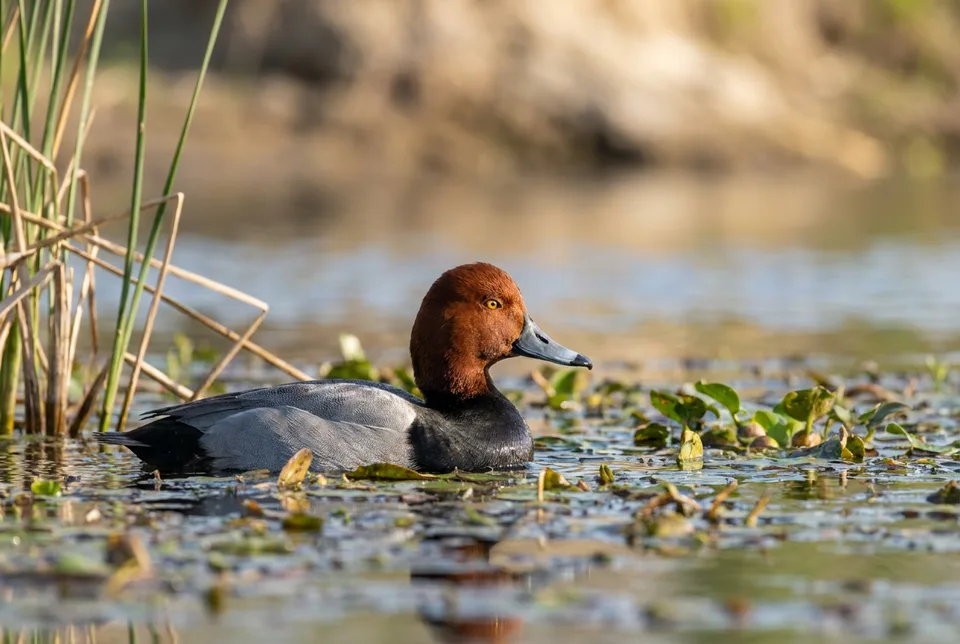
The Redhead is a North American diving duck, named for the male’s coppery head rather than the female’s subdued brown plumage. Mixed flocks can make identification rewarding and challenging. Its registered river setting is the Upper Mississippi refuge between Wabasha and Rock Island, with overlooks and backwater visits improving views. Species reference: https://www.allaboutbirds.org/guide/Redhead/lifehistory Measurements: https://www.tn.gov/twra/wildlife/birds/waterbirds/redhead-duck.html
Behaviour & reproduction

Size
About 19 inches long in the Tennessee wildlife account.
Weight
About 2.3 lb in the Tennessee wildlife account.
Lifespan
Species-specific lifespan not verified.
Status
A current formal global assessment was not verified.

Redheads are gregarious during migration and can gather on river pools and lakes. They dive but also feed by dabbling or tipping up. Females may lay eggs in other ducks’ nests, although not every female follows the same nesting strategy. A migrating flock gives no indication of which reproductive strategy individual birds used.

Top wildlife locations

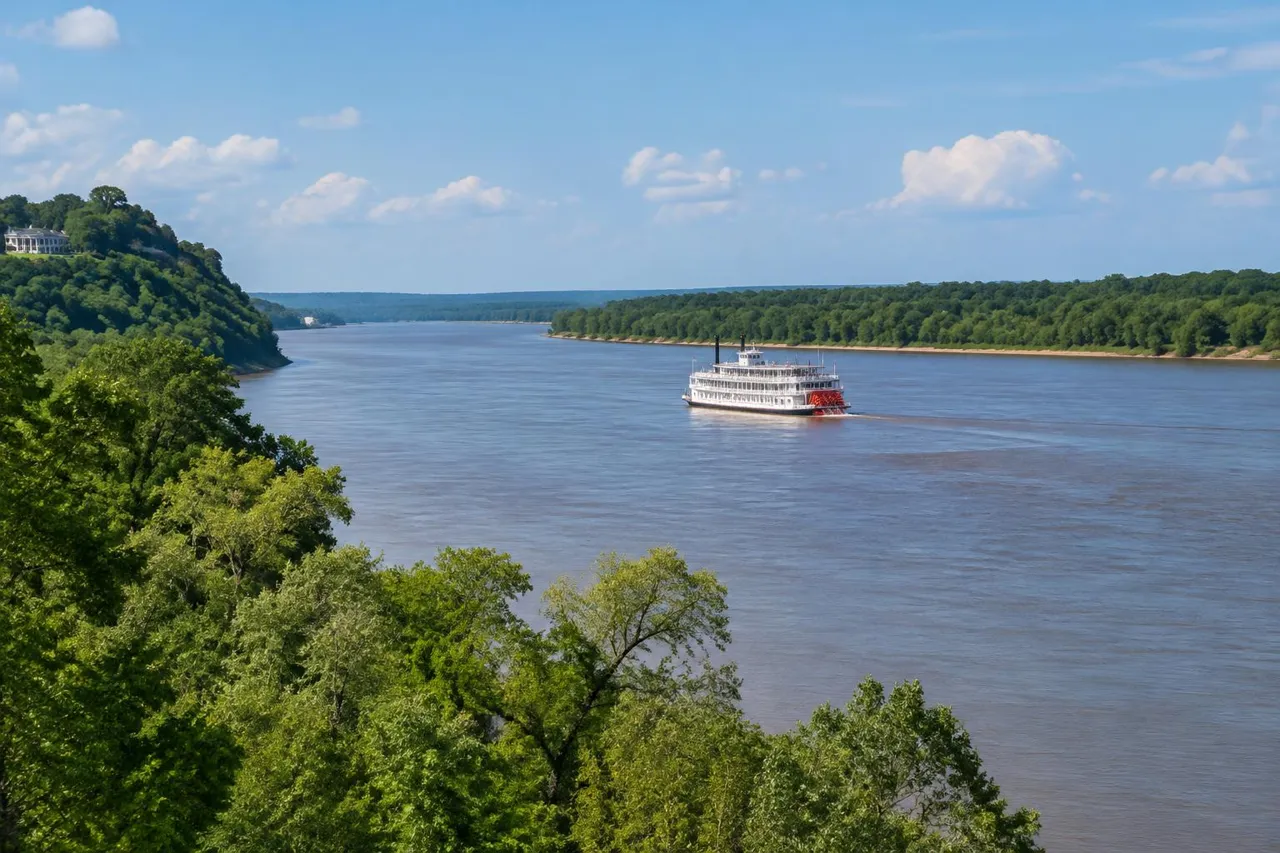
Mississippiの河川風景 — リバークルーズの生息地

Mississippi

Upper Mississippi — Upper Mississippi River NWR, Wabasha MN–Rock Island IL Deck/riverbank scanning; optional refuge overlooks or backwater outing for closer views. Fall diving-duck rafts.
Explore river cruises

Destinations describe the species' habitat, not guaranteed cruise stops. Some animals require an optional inland excursion or are found in restricted reserves.

Fun facts about the Redhead

  • It occurs naturally in North America.
  • The male has a rounded head.
  • The bill is blue-grey with a dark tip.
  • Some females lay eggs in other ducks’ nests.
  • It can dabble as well as dive.
  • Aquatic plants are major foods.

Best time to see the Redhead

The registry highlights fall diving-duck rafts, but the retrieved refuge checklist provides occurrence rather than recurring monthly frequencies. Tennessee’s arrival and departure dates apply to Tennessee, not this upper-river reach. No numerical months are assigned. Consult refuge staff for current access and viewing advice.

Redhead: season matrix by destination

Highlighted months reflect the stated local evidence, not guaranteed encounters. Neutral months mean no verified monthly viewing window, not absence. Observation records and recommended viewing windows are distinct.

Mississippi

The refuge checklist establishes occurrence without recurring monthly frequencies. Broad fall-raft guidance does not justify guessed numerical dates.

1月2月3月4月5月6月7月8月9月10月11月12月
Explore river cruises

Where the Redhead lives

Prairie wetlands are important breeding habitat, while migration brings birds to lakes, reservoirs, river pools and bays. The Mississippi association concerns that river-pool and refuge landscape. It does not imply nesting along the entire cruise corridor or extend evidence from one refuge overlook to every open-water reach.

What the Redhead eats

Cornell lists submerged aquatic plants, including pondweed, muskgrass and widgeongrass, as well as aquatic invertebrates and fish eggs. Winter Gulf Coast diets can differ markedly from inland feeding. Those coastal findings are not a measured Mississippi menu. Watch feeding technique without claiming an unseen food item was identified.

Species at a glance

Common name
Redhead
Scientific name
Aythya americana
Animal group
Birds
Size
About 19 inches long in the Tennessee wildlife account.
Weight
About 2.3 lb in the Tennessee wildlife account.
Lifespan
Species-specific lifespan not verified.
Status
A current formal global assessment was not verified.
Identification
The male has a rounded reddish head, grey body, dark chest and bluish bill with a black tip. Females are warm brown with a paler face and chin. Canvasbacks differ especially in their sloping forehead and long bill profile. Compare that profile rather than identifying every red-headed diving duck from colour alone.

Redhead: frequently asked questions

Where can I see the Redhead?
Mississippi. Scan resting rafts with a telescope from an established overlook. Find males first, then compare the adjacent brown ducks cautiously. Avoid pushing flocks towards open water with a boat. A flock that lifts off repeatedly is being disturbed, not offering a better view. Record uncertainty when distance prevents bill-shape assessment.
When is the best time to see the Redhead?
The registry highlights fall diving-duck rafts, but the retrieved refuge checklist provides occurrence rather than recurring monthly frequencies. Tennessee’s arrival and departure dates apply to Tennessee, not this upper-river reach. No numerical months are assigned. Consult refuge staff for current access and viewing advice.
How big does the Redhead get?
About 19 inches long in the Tennessee wildlife account.. Adult weight: About 2.3 lb in the Tennessee wildlife account.. Size varies with age, sex and population.
How should I behave around the Redhead?
Scan resting rafts with a telescope from an established overlook. Find males first, then compare the adjacent brown ducks cautiously. Avoid pushing flocks towards open water with a boat. A flock that lifts off repeatedly is being disturbed, not offering a better view. Record uncertainty when distance prevents bill-shape assessment.
What does the Redhead eat?
Cornell lists submerged aquatic plants, including pondweed, muskgrass and widgeongrass, as well as aquatic invertebrates and fish eggs. Winter Gulf Coast diets can differ markedly from inland feeding. Those coastal findings are not a measured Mississippi menu. Watch feeding technique without claiming an unseen food item was identified.
Are wildlife sightings guaranteed on a river cruise?
No. Animals move freely and routes, weather, access restrictions and local conditions influence every outing. Confirm the actual itinerary and shore program before booking.

Compare wildlife in the same destinations

Explore other birds recorded in these destinations. Similar surroundings do not mean the animals share the same habits or viewing season.

Species comparison by animal group and destination
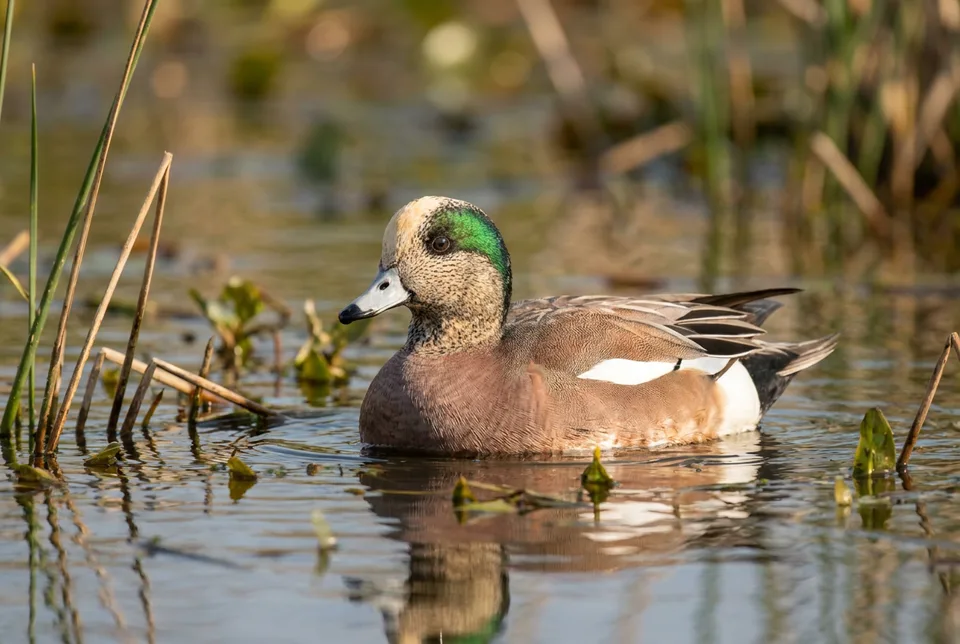
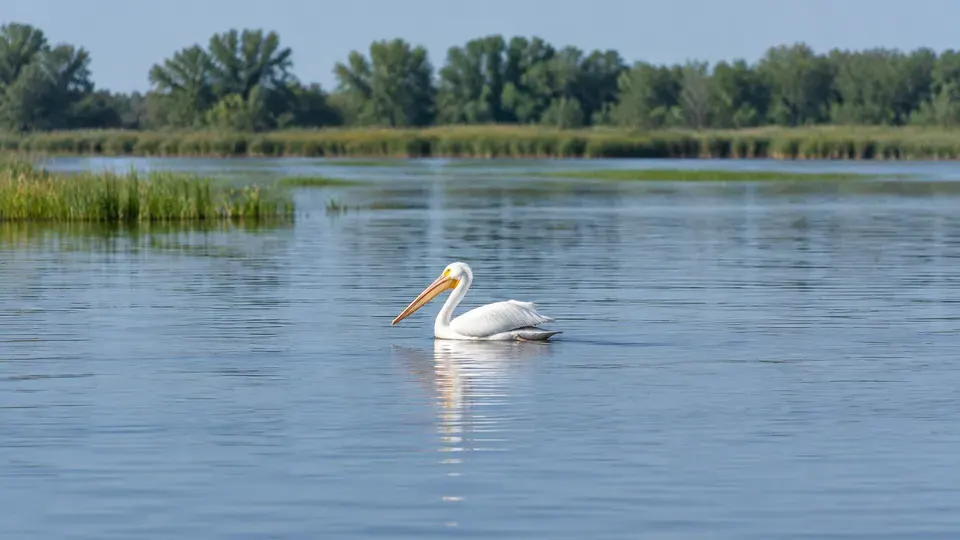
湿地のRedhead — Mississippi、リバークルーズの野生動物Redhead湿地のAmerican white pelican — Columbia, Mississippi、リバークルーズの野生動物American White Pelican湿地のAmerican Wigeon — Columbia, Mississippi、リバークルーズの野生動物American Wigeon
Animal groupBirdsAnimal groupBirdsAnimal groupBirds
DestinationsMississippiDestinationsColumbia, MississippiDestinationsColumbia, Mississippi
Scientific name
Aythya americana

Aythya americana

Scientific name
Scientific name
Size
About 19 inches long in the Tennessee wildlife account.
Size
Size
Weight
About 2.3 lb in the Tennessee wildlife account.
Weight
Weight
Lifespan
Species-specific lifespan not verified.
Lifespan
Lifespan
Status
A current formal global assessment was not verified.
Status
Status
Identification
The male has a rounded reddish head, grey body, dark chest and bluish bill with a black tip.

The male has a rounded reddish head, grey body, dark chest and bluish bill with a black tip. Females are warm brown with a paler face and chin. Canvasbacks differ especially in their sloping forehead and long bill profile. Compare that profile rather than identifying every red-headed diving duck from colour alone.

Identification
Identification
Habitat
Prairie wetlands are important breeding habitat, while migration brings birds to lakes, reservoirs, river pools and bays.

Prairie wetlands are important breeding habitat, while migration brings birds to lakes, reservoirs, river pools and bays. The Mississippi association concerns that river-pool and refuge landscape. It does not imply nesting along the entire cruise corridor or extend evidence from one refuge overlook to every open-water reach.

Habitat
Habitat
Diet
Cornell lists submerged aquatic plants, including pondweed, muskgrass and widgeongrass, as well as aquatic invertebrates and fish eggs.

Cornell lists submerged aquatic plants, including pondweed, muskgrass and widgeongrass, as well as aquatic invertebrates and fish eggs. Winter Gulf Coast diets can differ markedly from inland feeding. Those coastal findings are not a measured Mississippi menu. Watch feeding technique without claiming an unseen food item was identified.

Diet
Diet
Best season
The registry highlights fall diving-duck rafts, but the retrieved refuge checklist provides occurrence rather than recurring monthly frequencies.

The registry highlights fall diving-duck rafts, but the retrieved refuge checklist provides occurrence rather than recurring monthly frequencies. Tennessee’s arrival and departure dates apply to Tennessee, not this upper-river reach. No numerical months are assigned. Consult refuge staff for current access and viewing advice.

Best season
Best season
Season matrix by destination
MississippiNo verified monthly viewing evidence

The refuge checklist establishes occurrence without recurring monthly frequencies. Broad fall-raft guidance does not justify guessed numerical dates.

Season matrix by destinationSeason matrix by destination
Previous speciesRed-winged BlackbirdNext speciesRing-billed Gull
All river wildlife
On this page
  • 01About
  • 02Behaviour & reproduction
  • 03Top wildlife locations
  • 04Fun facts
  • 05Best season
  • 06Season matrix by destination
  • 07Habitat
  • 08Diet
  • 09Species at a glance
  • 10Questions & answers
  • 11Compare

Find your river cruise

旅行を計画する

Find your next river journey

Compare destinations, shore programs and dates with the animals and habitats you would love to see.

  • Daily shore excursions
  • Responsible wildlife watching
  • Boutique river ships
Explore river cruises