À propos de Palo Blanco
Palo Blanco est l'un des sites de plongée remarquables situés autour d'Isla del Carmen, la plus grande île de la réserve marine de Loreto. Ce site se distingue par ses pinacles sous-marins qui s'élèvent des fonds sableux, créant un habitat dynamique pour une variété d'espèces marines. La zone est réputée pour les observations régulières de majestueuses raies aigles glissant gracieusement dans l'eau, ainsi que de grands bancs de carangues, qui forment souvent d'impressionnantes spirales. Les plongeurs explorant Palo Blanco peuvent également s'attendre à rencontrer des visiteurs pélagiques saisonniers, ajoutant un élément de surprise et d'excitation à chaque plongée. La topographie variée des pinacles et des zones sableuses environnantes soutient un écosystème riche, ce qui en fait un endroit fascinant pour les photographes sous-marins et les passionnés de faune. Le site offre un bon mélange de petites créatures récifales et de plus grandes espèces de pleine mer, reflétant l'abondante biodiversité de la mer de Cortez.
Points forts
Observations de raies aiglesGrands bancs de caranguesPinacles sous-marinsPotentiel de rencontres pélagiques saisonnièresRiche écosystème récifal
Calendrier saisonnier
Meilleurs mois pour plonger
Jan
Fév
Mar
Avr
Mai
Juin
Juil
Août
Sep
Oct
Nov
Déc
Bon
Fiche du site de plongée: Palo Blanco
- Courant
- Varies; Fort currents possible Oct-Nov
- Visibilité
- Best Jun-Aug
- Température de l'eau
- 18-30°C (64-86°F)
- Mise à l'eau
- Croisière uniquement
- Niveau
- Suitable for various levels
- Type de plongée
- Récif, Tombant, Mont sous-marin
- Région / port
- Loreto, Baja California Sur, Mexico
- Coordonnées
- 25.7592, -111.1968
Conditions & courants
Les courants sont généralement doux, ce qui en fait une plongée relaxante adaptée à la plupart des plongeurs certifiés. Il est généralement présenté comme une plongée pour niveau intermédiaire. Le site se rejoint en croisière, avec des mises à l'eau depuis l'annexe ou directement du pont arrière. Marée, vent et saison changent la donne d'un jour à l'autre : le briefing de l'équipage prime toujours sur toute description générale.
Faune marine et probabilité d'observation
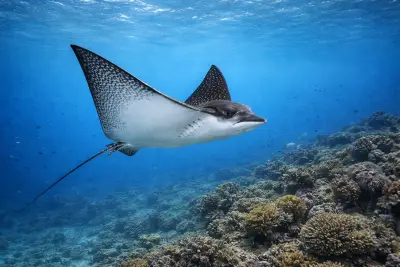
Eagle rays
occasionnel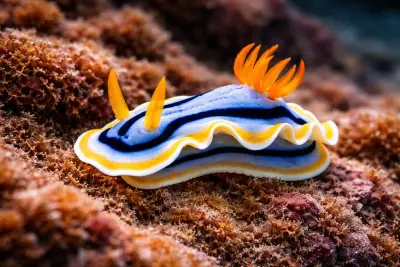
Nudibranchs
fréquent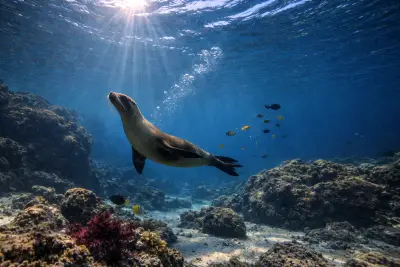
Sea lions
fréquent
Turtles
fréquent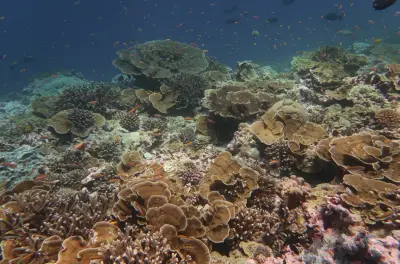
Tropical fish species
fréquentAngel sharks
Summer, Fall · occasionnel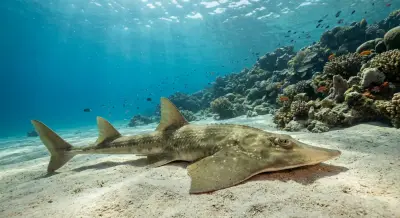
Guitarfish
Summer, Fall · occasionnel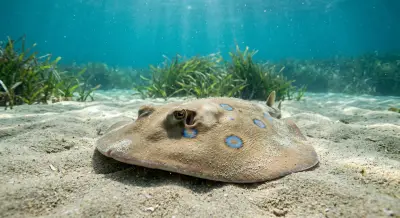
Torpedo rays
Summer, Fall · occasionnel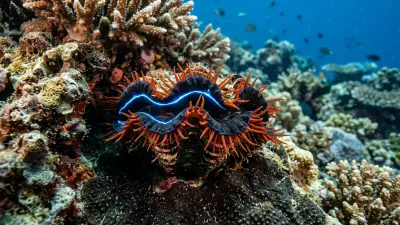
Electric rays
Summer, Fall · occasionnel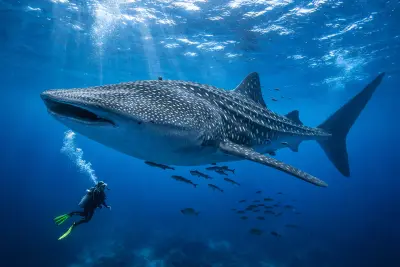
Whale sharks
October-December (juveniles) · occasionnel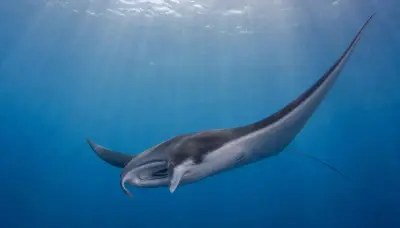
Mobula rays
May-July (peak), Autumn, Winter · occasionnel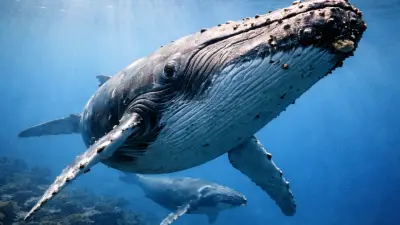
Humpback whales
December-March (migration) · rareProfil et déroulé de la plongée
Palo Blanco, located near Isla del Carmen, features a diverse underwater landscape. Dives often begin along the island's rocky formations, which include impressive lava rocks that form caverns and ledges. Divers can explore shallow pinnacles and follow steep walls that descend to deeper seamounts. The route typically involves navigating these structures, observing the soft coral growth and searching for marine life such as eagle rays. Depth progression will vary depending on the chosen path, from shallower reef areas to deeper wall sections. The dive concludes with a gradual ascent, often allowing for a safety stop along the shallower parts of the reef or ledges, maximizing bottom time in the richest zones.
Photographie sous-marine
Palo Blanco offers excellent opportunities for both wide-angle and macro photography due to its varied topography and diverse marine life. For wide-angle shots, consider a fisheye or wide-angle lens to capture the impressive lava rock formations, steep walls, and overall scale of the site. Strobes are essential to bring out the vibrant colors of the soft corals and schools of fish. For macro subjects like nudibranchs, a dedicated macro lens will highlight intricate details. Maintain excellent buoyancy control to avoid disturbing fragile coral structures and marine life, ensuring clear shots and respectful interaction. Always approach marine animals calmly and avoid chasing or crowding them.
À combiner avec ces sites
- Los Picachos
A 'can't miss' dive site also near Isla del Carmen.
- The Abyss
Another significant dive site near Isla del Carmen, known for eagle ray sightings.
- Isla Coronados
Closest island from Loreto, with lava rocks, caverns, ledges, and sea lion rookery.
- Isla Danzante
Features reef sites, a wall dive, and the 'Agustin Melgar' wreck.
- Isla Montserrat
One of the five main islands within Bahía de Loreto National Park.
Accès et logistique
Access to Palo Blanco typically involves day boat trips from Loreto, Baja California Sur, which is the main departure point for diving within the Bahía de Loreto National Park. Loreto has its own international airport, offering connections to some major cities. The marine park is a protected area, and local dive operators like Blue Nation Baja, Dolphin Dive Baja, and Loreto Land and Sea Tours manage excursions. These trips are usually part of a larger dive package exploring the islands of the national park, rather than a standalone dive site. No specific permit fees for Palo Blanco are mentioned, but park fees for Bahía de Loreto National Park may apply and are often included in tour prices. Trip lengths vary from single-day excursions to multi-day itineraries combining several sites.
Sécurité et environnement
Diving at Palo Blanco requires adherence to standard safety practices, including proper dive planning and buddy procedures. While Loreto is a family-friendly destination with various dive operators, divers should always ensure they have adequate dive insurance covering potential medical emergencies and recompression chamber treatments. Information on the nearest recompression chamber is not explicitly provided in the sources, but general advice for remote diving in Mexico suggests being prepared for potential evacuation. Site-specific hazards are primarily related to currents, which can be strong during certain times of the year, necessitating experience or careful guidance. Divers should always follow the instructions of their certified dive guides to navigate the site safely and respect the protected marine environment.
Pour qui — et pour qui pas
Adapté à
- Divers seeking diverse topography including walls and pinnacles
- Underwater photographers interested in macro and wide-angle subjects
- Divers keen on encountering eagle rays and tropical marine life
- Those who appreciate UNESCO World Heritage Marine Parks
- Divers comfortable with potential drift conditions in certain seasons
Moins adapté à
- Divers who prefer solely shallow, current-free environments
- Individuals uncomfortable with thermoclines at depth
- Those uninterested in exploring diverse reef ecosystems
- Divers expecting large pelagic encounters year-round (seasonal)
- Individuals not comfortable with boat-based diving
FAQ
FAQ Palo Blanco
Where is Palo Blanco located?
Palo Blanco is a dive site found off Isla del Carmen, which is the largest island within the Bahía de Loreto National Park in Baja California Sur, Mexico. This national park is an UNESCO World Heritage Site in the Gulf of California.
What marine life can I expect to see at Palo Blanco?
Divers at Palo Blanco can frequently encounter various tropical fish species, nudibranchs, sea lions, and different types of turtles. Eagle rays are specifically noted as being spotted at this particular dive site.
What kind of underwater topography does Palo Blanco offer?
Palo Blanco's underwater topography includes a mix of features such as shallow pinnacles, steep wall dives, and deeper seamounts. These formations, along with impressive lava rocks, create caverns and ledges, providing a diverse environment to explore.
When is the best time of year to dive Palo Blanco?
The prime diving season for Palo Blanco and the Loreto area generally runs from May through November. Summer months, from June to August, offer the best visibility and warmest water temperatures, while October and November are excellent for warm water and potential drift dives.
Are there strong currents at Palo Blanco?
While general conditions in the Loreto area are often ideal, strong currents are known to occur, particularly in October and November, making it suitable for drift dives. Divers should consult with local operators for current conditions specific to Palo Blanco before diving.
Pourquoi plonger Palo Blanco en croisière ?
Palo Blanco est un site emblématique de Mexique. Une croisière te loge sur l'eau et propose trois à quatre plongées guidées par jour, dont des plongées à l'aube et de nuit que les bateaux à la journée offrent rarement. Tu évites le retour quotidien au port et atteins des sites plus tranquilles de la même région en un seul voyage.
Voici les croisières qui incluent Palo Blanco dans leurs itinéraires en Mexique.
Croisières plongée à Palo Blanco
Ces croisières plongée peuvent visiter Palo Blanco sur certains itinéraires — les sites exacts dépendent du départ, de la météo et des conditions.
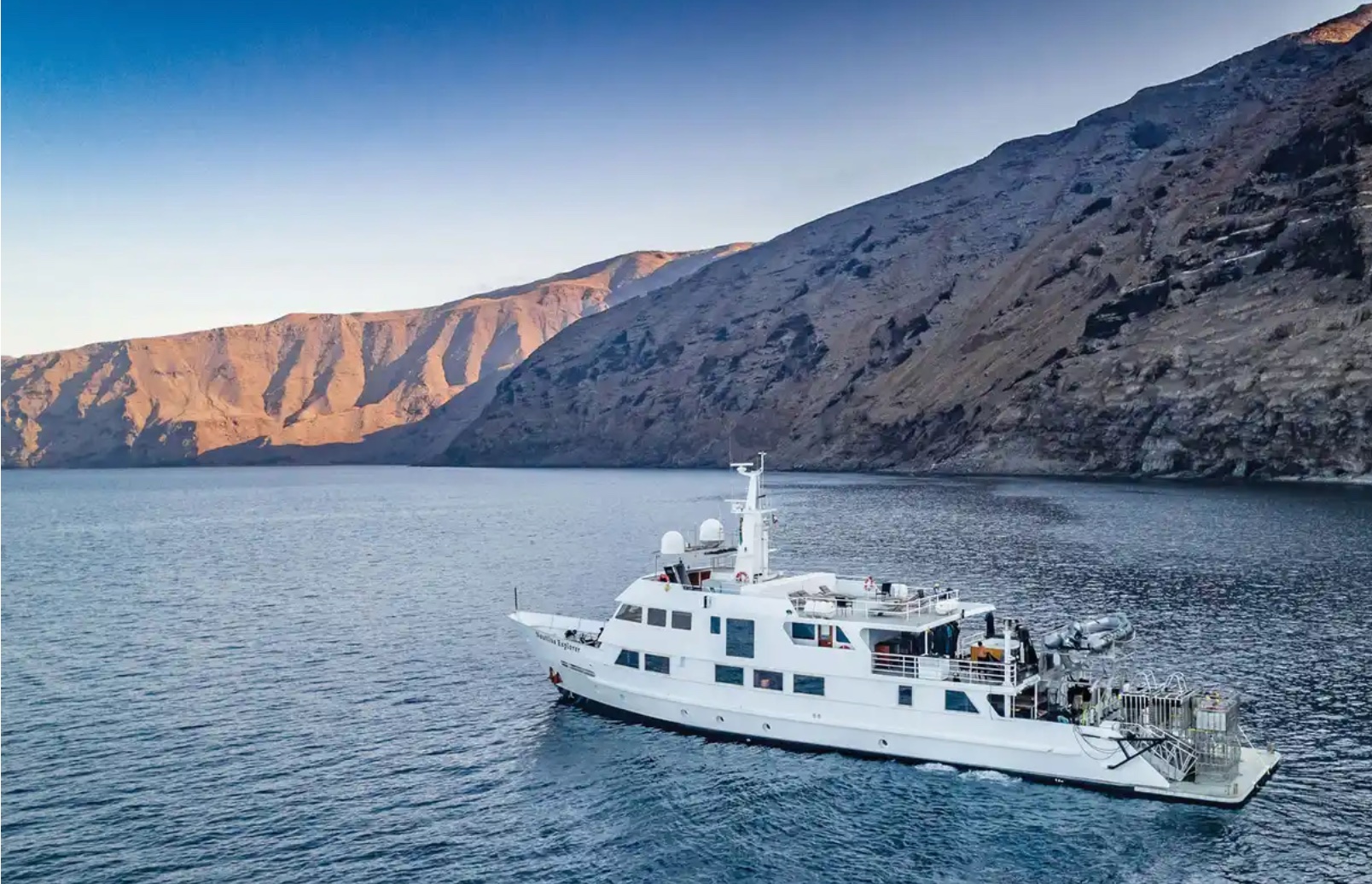
Nautilus Explorer
Mexique
25 plongeurs44.8 m
€202/jour
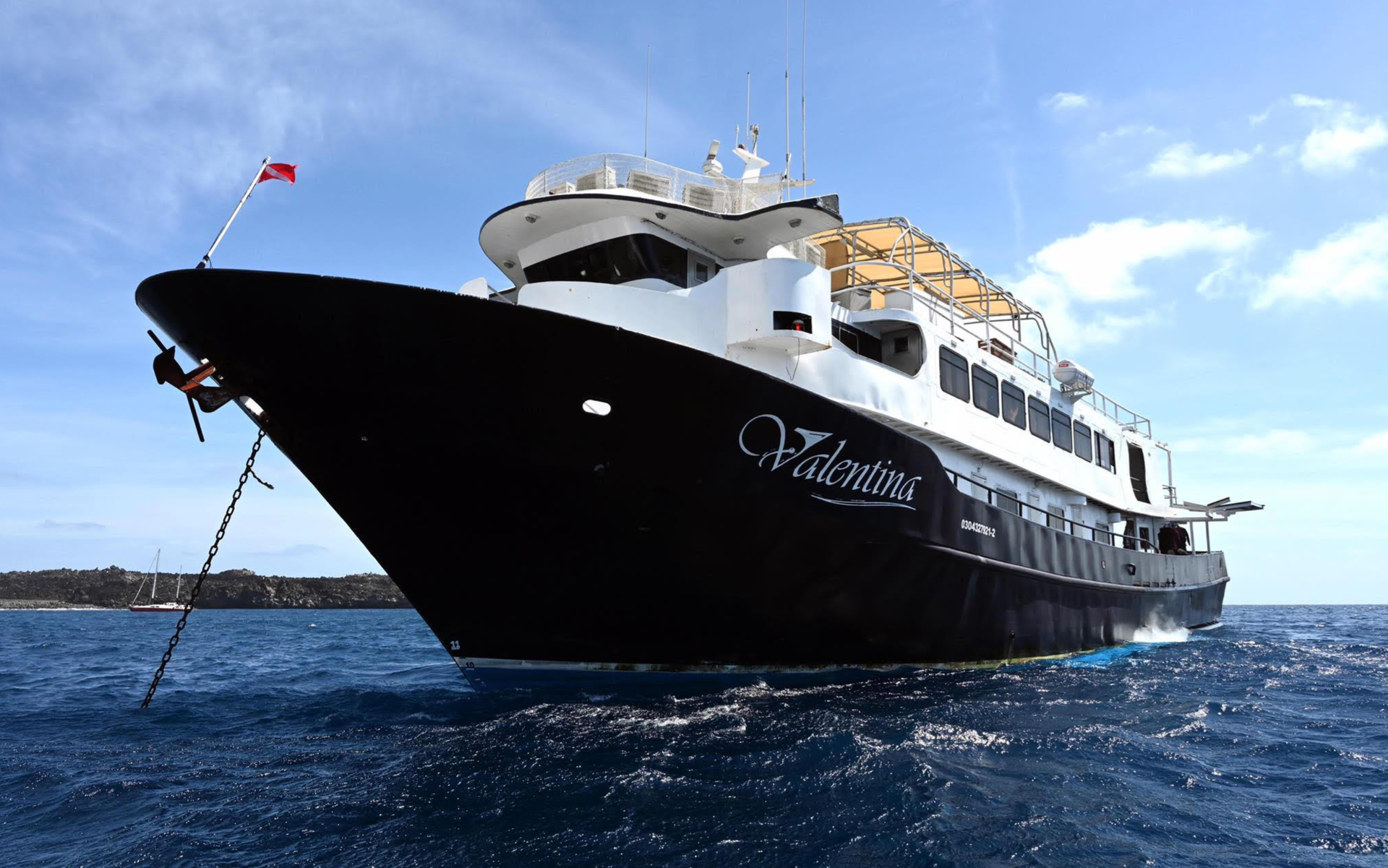
Valentina
Mexique
20 plongeurs38.1 m
€378/jour
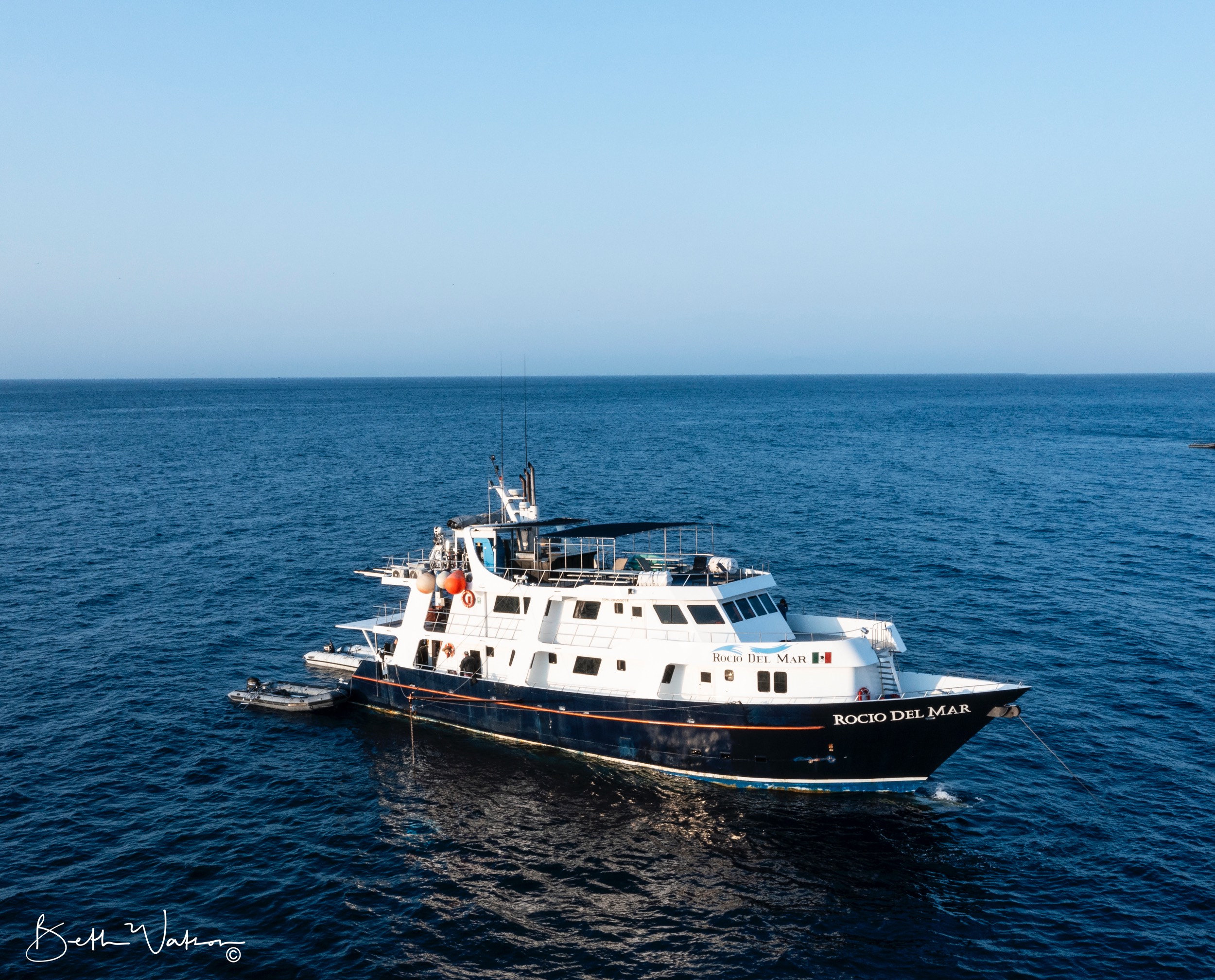
Rocio del Mar
Mexique
20 plongeurs33.5 m
€345/jour
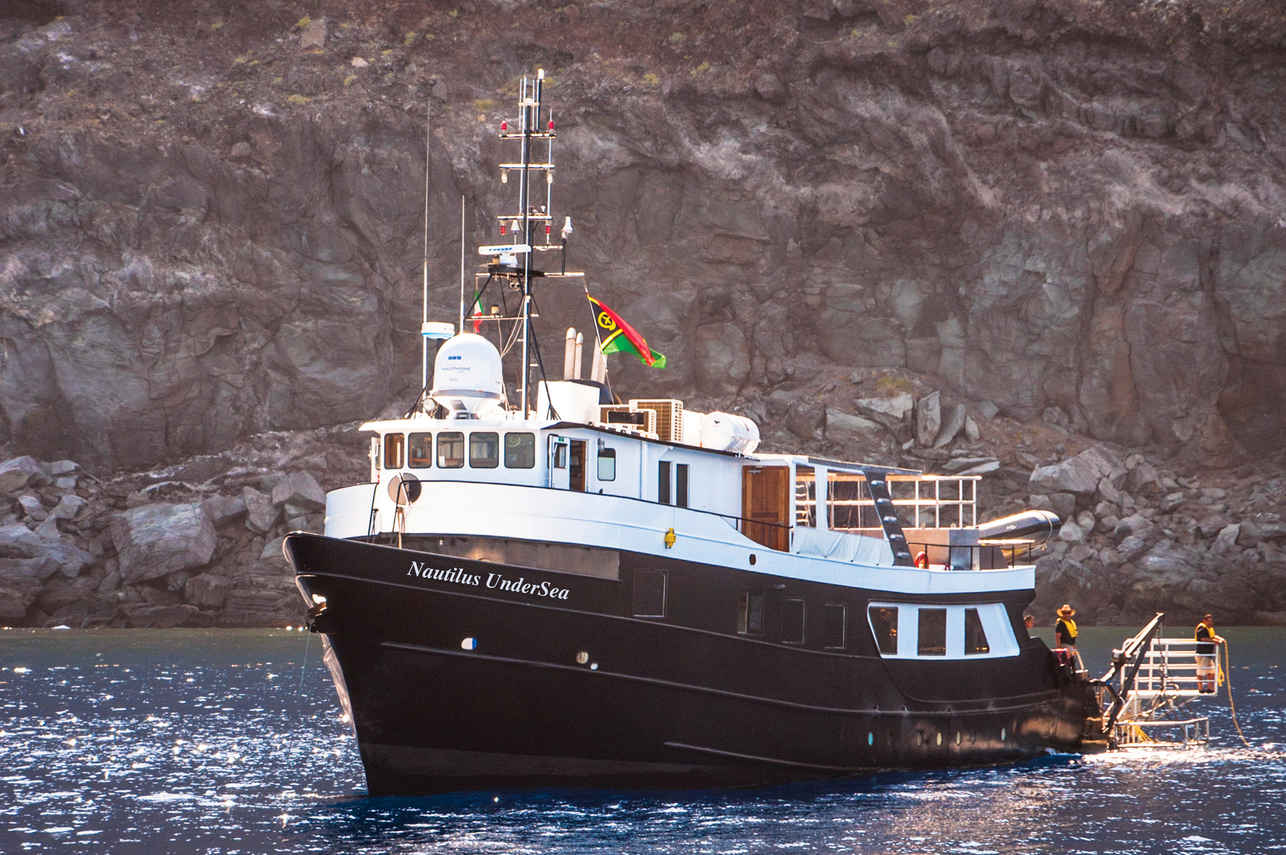
Nautilus Under Sea
Mexique
19 plongeurs32 m
€230/jour
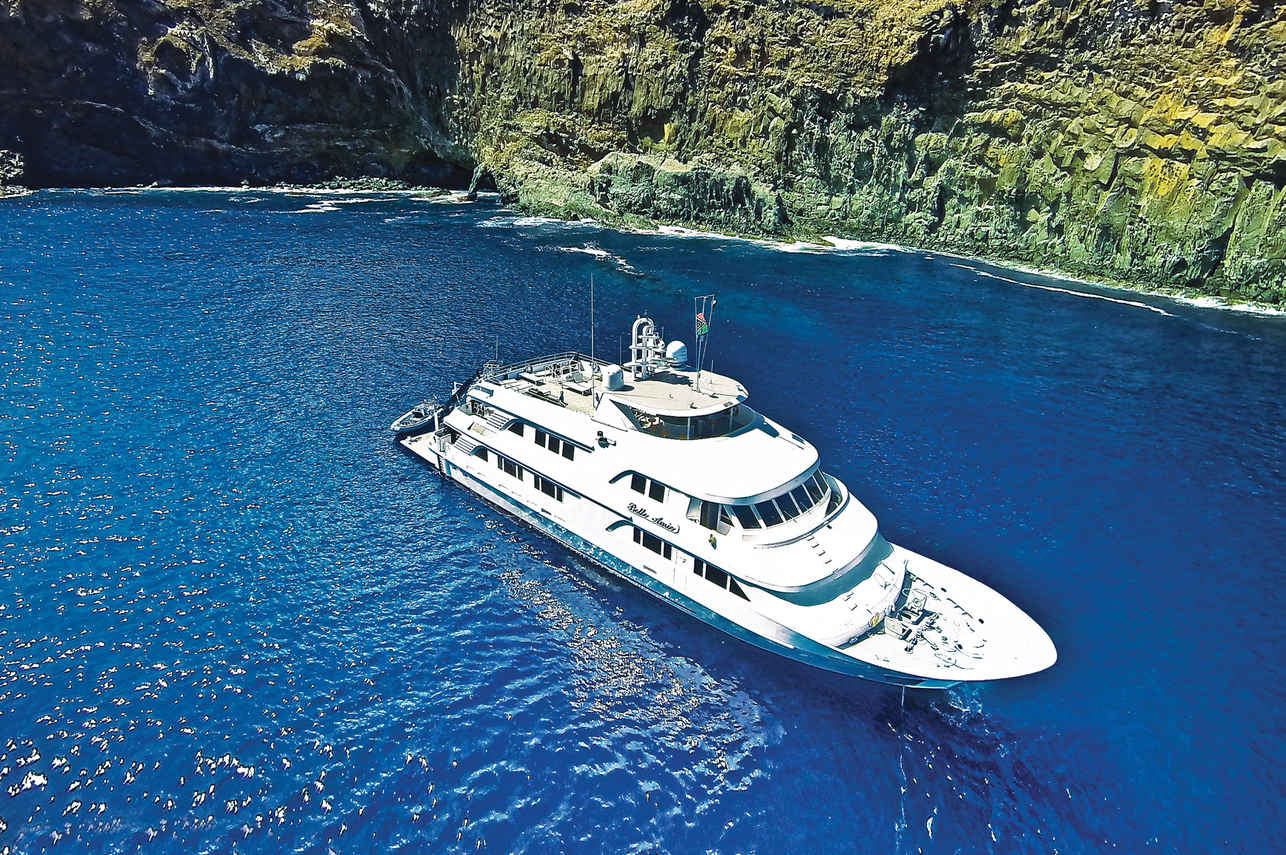
Nautilus Belle Amie
Mexique
32 plongeurs44.8 m
€284/jour
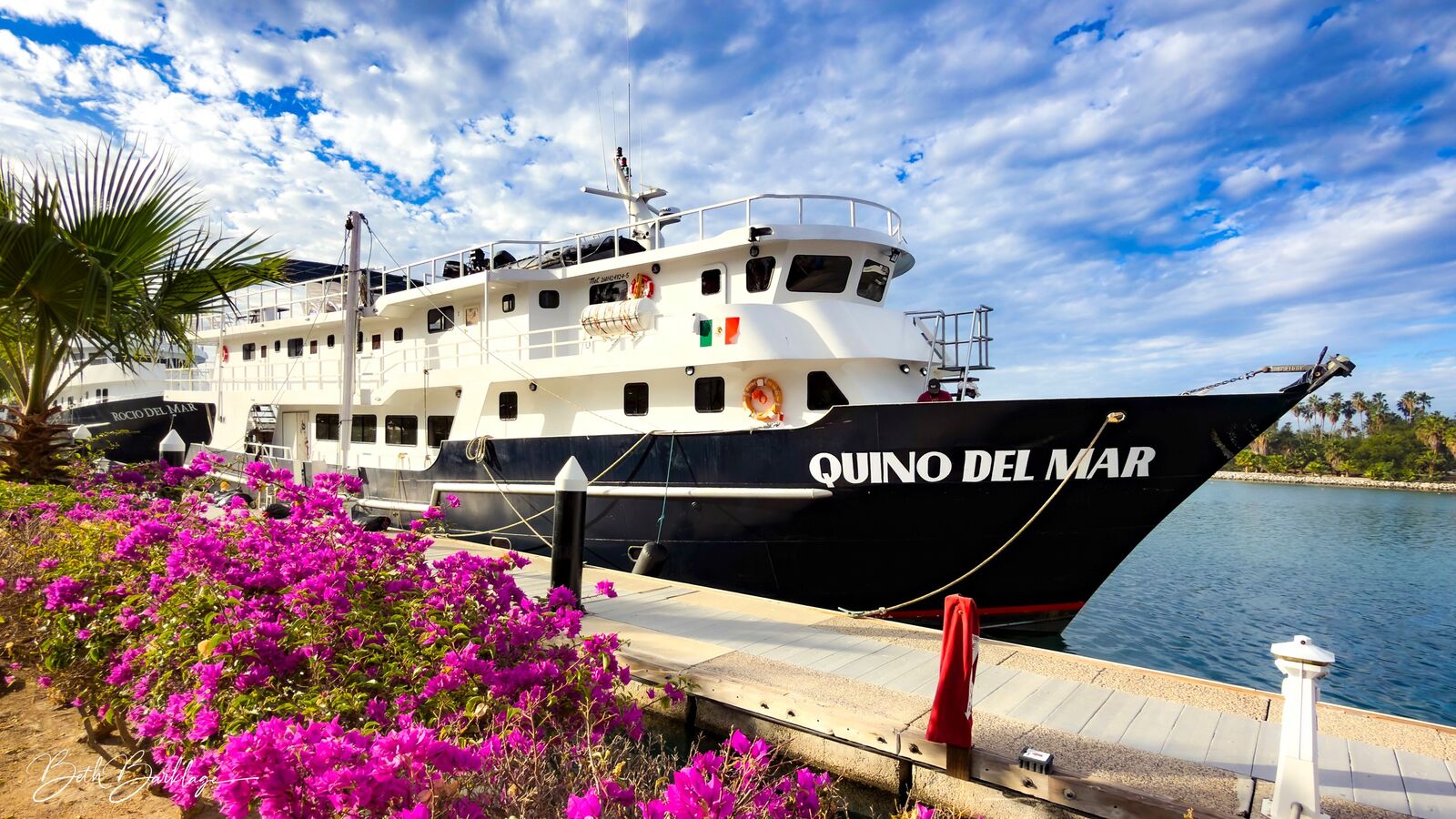
Quino del Mar
Mexique
20 plongeurs36 m
€331/jour
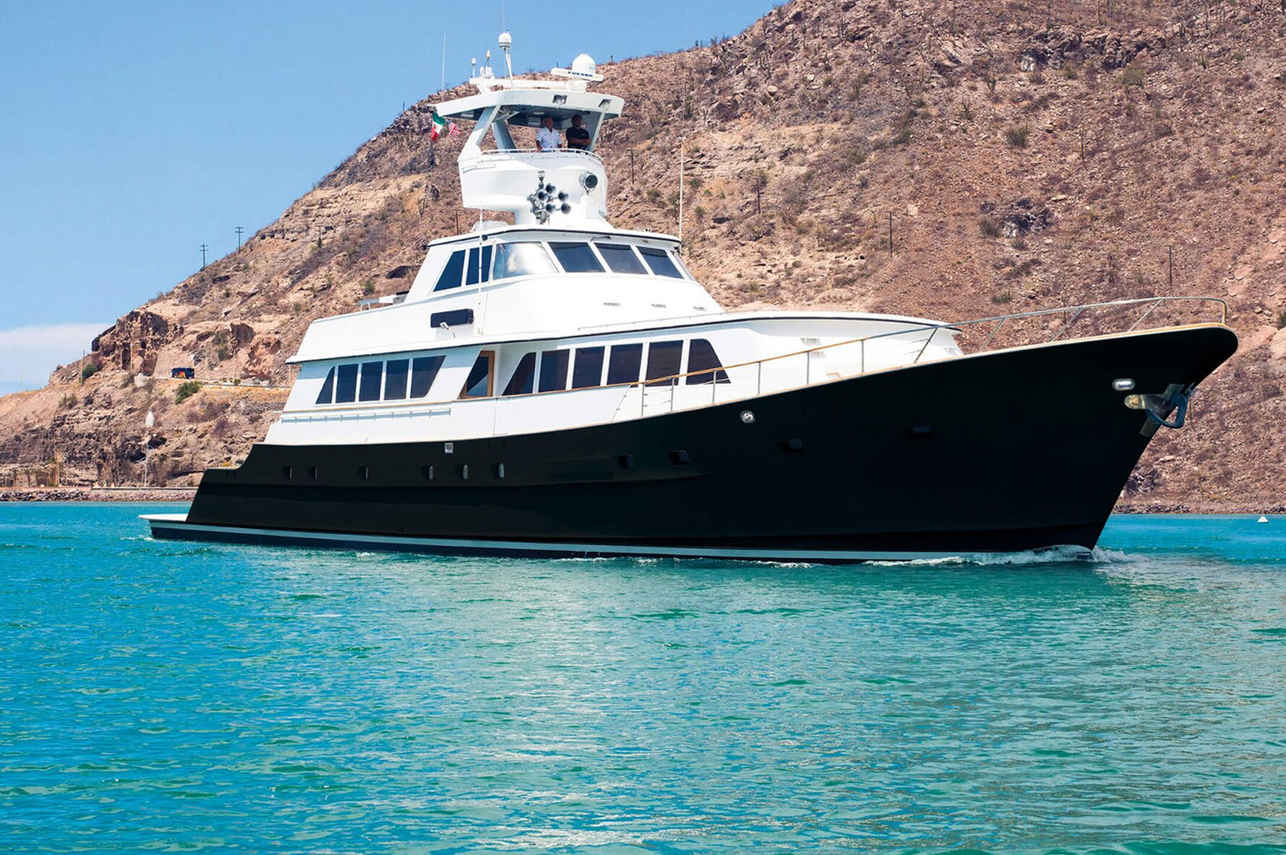
Nautilus Gallant Lady
Mexique
12 plongeurs35.36 m
€292/jour
Sites de plongée similaires à Palo Blanco
Même ambiance, mêmes eaux : six autres sites appréciés pour les mêmes raisons.Comparez les saisons, l'accès et les itinéraires de liveaboard, puis choisissez le site qui correspond à votre voyage.
© Esri — Maxar, Earthstar, GIS
Tak Be Luum
Mexique
Le cénote Tak Be Luum, situé dans l'État mexicain de Quintana Roo, est une plongée en caverne exceptionnelle qui fait partie du vaste système de grottes sous-marines de Sac Actun, l'un des plus grands au monde.
- Adapté à
- Avancé
- Courant
- Sans courant
- Accès
- Depuis la côte / bateau à la journée
- Profondeur
- 4–9 m
- Thème
- Récif
© Esri — Maxar, Earthstar, GIS
Le Doigt de Neptune
Mexique
Le Doigt de Neptune est un site de plongée de renom situé à Cabo San Lucas, au Mexique, à la pointe sud de la péninsule de Basse-Californie.
- Adapté à
- Débutant
- Courant
- Faible
- Accès
- Croisière ou bateau à la journée
- Profondeur
- 4–152 m
- Thème
- Récif
Le récif Atlantis est un site de plongée captivant situé au large des côtes d'Isla Mujeres, au Mexique, offrant aux plongeurs certifiés une exploration passionnante de son monde sous-marin vibrant.
- Adapté à
- Débutant
- Courant
- Faible
- Accès
- Croisière ou bateau à la journée
- Profondeur
- —
- Thème
- Récif
© Esri — Maxar, Earthstar, GIS
Bajo Sandia
Mexique
Bajo Sandia est un site sous-marin fascinant à Loreto, en Basse-Californie du Sud, reconnu comme une zone d'exploration au sein du parc marin.
- Adapté à
- Intermédiaire
- Courant
- Faible
- Accès
- Croisière uniquement
- Profondeur
- —
- Thème
- Récif
© Esri — Maxar, Earthstar, GIS
Black Dragon Herradura
Mexique
Black Dragon Herradura est un site de plongée très spécialisé à Cozumel, réputé pour ses conditions exigeantes et son paysage sous-marin unique.
- Adapté à
- Avancé
- Courant
- Fort
- Accès
- Croisière uniquement
- Profondeur
- —
- Thème
- Récif
© Esri — Maxar, Earthstar, GIS
Récif Huarache
Mexique
Le récif Huarache est un site de plongée récemment découvert, situé au nord de Loreto, dans la région de San Bruno.
- Adapté à
- Intermédiaire
- Courant
- Faible
- Accès
- Croisière uniquement
- Profondeur
- 9–18 m
- Thème
- Récif / Dérivante