About Rennell Island - Lake Tegano
Lake Tegano, located on Rennell Island in the Solomon Islands, stands out as the world's largest raised coral atoll lake and holds prestigious UNESCO World Heritage status. This unique site is encircled by dramatic limestone cliffs, creating an enclosed freshwater environment with exceptional clarity. The lake's waters offer a rare opportunity for divers to explore ancient coral formations, remnants of its marine past when the atoll was submerged, now preserved in a freshwater setting. While traditional coral reefs are not found here, the lake harbors unique marine life adapted to its specific conditions, alongside a diverse array of bird species that frequent its shores. The deep cultural significance of the lake to the local communities adds another layer of intrigue to this remote destination. Diving in Lake Tegano provides an unparalleled experience, merging geological wonder with biological adaptation. The crystal-clear waters allow for excellent visibility, revealing the lake's untouched beauty and geological history. It is a tranquil and reflective dive, far removed from the ocean's currents and teeming pelagic life, offering a profound connection with a truly extraordinary natural wonder.
Highlights
World's largest raised coral atoll lakeUNESCO World Heritage siteAncient coral formations in freshwaterLimestone cliff surroundingsExceptional water clarityUnique freshwater biodiversity
Season calendar
Best months to dive here
Jan
Feb
Mar
Apr
May
Jun
Jul
Aug
Sep
Oct
Nov
Dec
Excellent
Good
Apr – Nov (Dry Season)
Best visibility up to 30m, calm seas. Peak wreck diving conditions. Manta rays frequent cleaning stations.
Dec – Mar (Wet Season)
Warmer water, reduced visibility, occasional heavy rain. Still diveable with fewer crowds and interesting macro life.
Dive site facts: Rennell Island - Lake Tegano
- Depth
- Varies
- Current
- None
- Visibility
- Excellent
- Water temperature
- Warm, consistent
- Entry
- Shore / Boat
- Level
- All levels
- Dive type
- Freshwater geology, unique biodiversity
- Night dive
- Possible
- Region / port
- Rennell Island
- Coordinates
- -11.65, 160.25
Conditions & Currents
Lake Tegano is a freshwater lake, entirely enclosed, and therefore experiences no ocean currents or tidal influences. Divers can expect exceptionally calm and still conditions underwater, making it suitable for all experience levels. Visibility in the crystal-clear waters is generally excellent and unaffected by oceanic weather patterns. There are no thermoclines mentioned for this specific lake environment. Entry and exit are typically straightforward due to the calm conditions.
Dive profile & how the dive runs
Diving in Lake Tegano typically begins with an entry from the shore or a small boat, allowing for a gentle descent into the calm, clear waters. The primary focus is exploring the ancient coral formations that line the lakebed, remnants of its geological past. Divers can follow the contours of these fossilized structures, observing any unique freshwater organisms that have adapted to this environment. The dive profile is largely dictated by the lake's topography, often involving gentle explorations at varying depths around the coral formations and limestone walls. Given the lack of currents, navigation is easy, and divers can extend bottom time as gas supply allows, with safety stops conducted in the clear, shallow waters near the exit point.
Underwater photography
Lake Tegano's crystal-clear freshwater offers exceptional visibility for underwater photography, making it ideal for capturing the unique geological formations. Wide-angle lenses are recommended to frame the ancient coral structures and the dramatic limestone cliffs, especially when available light penetrates the shallows. For capturing any unique endemic species or macro details on the formations, a macro lens would be beneficial. Due to the enclosed nature and lack of sediment, buoyancy control is less critical for disturbing the environment but remains important for stable shots. Strobe lighting can enhance colors and bring out textures on the ancient corals. Photographers should focus on conveying the serene and unique atmosphere of this UNESCO site.
Getting there & logistics
Access to Rennell Island and Lake Tegano is remote, typically starting with international flights into Honiara International Airport (HIR) on Guadalcanal. From Honiara, onward travel to Rennell Island usually involves local flights or charter boats, as it is a less-frequented destination. Due to its remote nature, trips to Lake Tegano are often bespoke arrangements, focusing specifically on this unique site or combined with broader Solomon Islands liveaboard itineraries if logistics permit. Visitors should anticipate needing several days for travel to and from the island, in addition to dedicated time for exploring the lake. Permits for diving may be required and should be arranged in advance through local operators.
Safety & environment
Diving in Lake Tegano, while serene, is in an extremely remote location. The nearest recompression chamber is approximately 1,500 miles away in Townsville, Australia, necessitating a complex and lengthy evacuation process involving a helicopter to Honiara and then a specialized KingAir turboprop for transfer. Divers must carry comprehensive dive insurance that covers emergency medical evacuation, as local medical facilities are limited. Given the isolation, divers should ensure all equipment is in excellent condition and adhere to conservative dive profiles. Awareness of personal health and fitness is paramount, as assistance for any medical emergency is significantly delayed.
Who it suits — and who it doesn't
Suited for
- Experienced divers seeking unique environments
- Geology enthusiasts and natural history buffs
- Photographers looking for pristine, clear freshwater
- Divers desiring remote, untouched locations
- Those interested in UNESCO World Heritage sites
Less suited for
- Divers seeking traditional coral reefs and pelagic action
- Beginners without robust remote dive experience
- Those requiring immediate access to medical facilities
- Divers who prefer bustling, accessible dive sites
- Individuals uncomfortable with extensive travel logistics
FAQ
Rennell Island - Lake Tegano FAQ
What makes Lake Tegano a unique dive site?
Lake Tegano is unique because it is the world's largest raised coral atoll lake and a UNESCO World Heritage site. Divers explore ancient coral formations in a crystal-clear freshwater environment, a rare geological phenomenon that merges marine history with a terrestrial setting, offering a distinct experience compared to ocean diving.
What kind of marine life can be seen in Lake Tegano?
While not a marine reef, Lake Tegano hosts unique freshwater organisms adapted to its specific ecosystem. Divers primarily encounter fossilized coral structures and may observe specific freshwater fish or invertebrates, along with various bird species around the lake's perimeter. It is not a site known for typical ocean marine biodiversity.
What are the diving conditions like in Lake Tegano?
Diving conditions in Lake Tegano are exceptionally calm and clear due to its enclosed freshwater nature. There are no currents, and visibility is generally excellent. The water temperature is consistently warm, making it a comfortable environment for extended dives without concerns about surge or tidal movements.
Is Lake Tegano suitable for all diver experience levels?
Yes, the calm and current-free conditions of Lake Tegano make it suitable for divers of all experience levels. However, due to its remote location and the logistical challenges of reaching Rennell Island, divers should be comfortable with independent travel and self-reliance in a remote setting.
How do I get to Lake Tegano on Rennell Island?
Accessing Lake Tegano involves flying into Honiara International Airport in the Solomon Islands, followed by a domestic flight or charter boat to Rennell Island. Given the remoteness, it is advisable to coordinate all travel and diving arrangements with specialized tour operators who are experienced in managing logistics for this unique destination.
Why dive Rennell Island - Lake Tegano from a liveaboard?
Rennell Island - Lake Tegano is one of Solomon Islands's signature dive sites. A liveaboard sleeps you on the water and puts you in the water for three to four guided dives per day, including dawn and night dives that day-boat operators rarely offer. You skip the daily commute back to port and reach quieter, less-crowded sites in the same region on a single trip.
Below are the liveaboards that include Rennell Island - Lake Tegano on their Solomon Islands itineraries.
Liveaboards diving Rennell Island - Lake Tegano
These liveaboards may visit Rennell Island - Lake Tegano on selected itineraries — the exact dive sites depend on departure, weather and conditions.
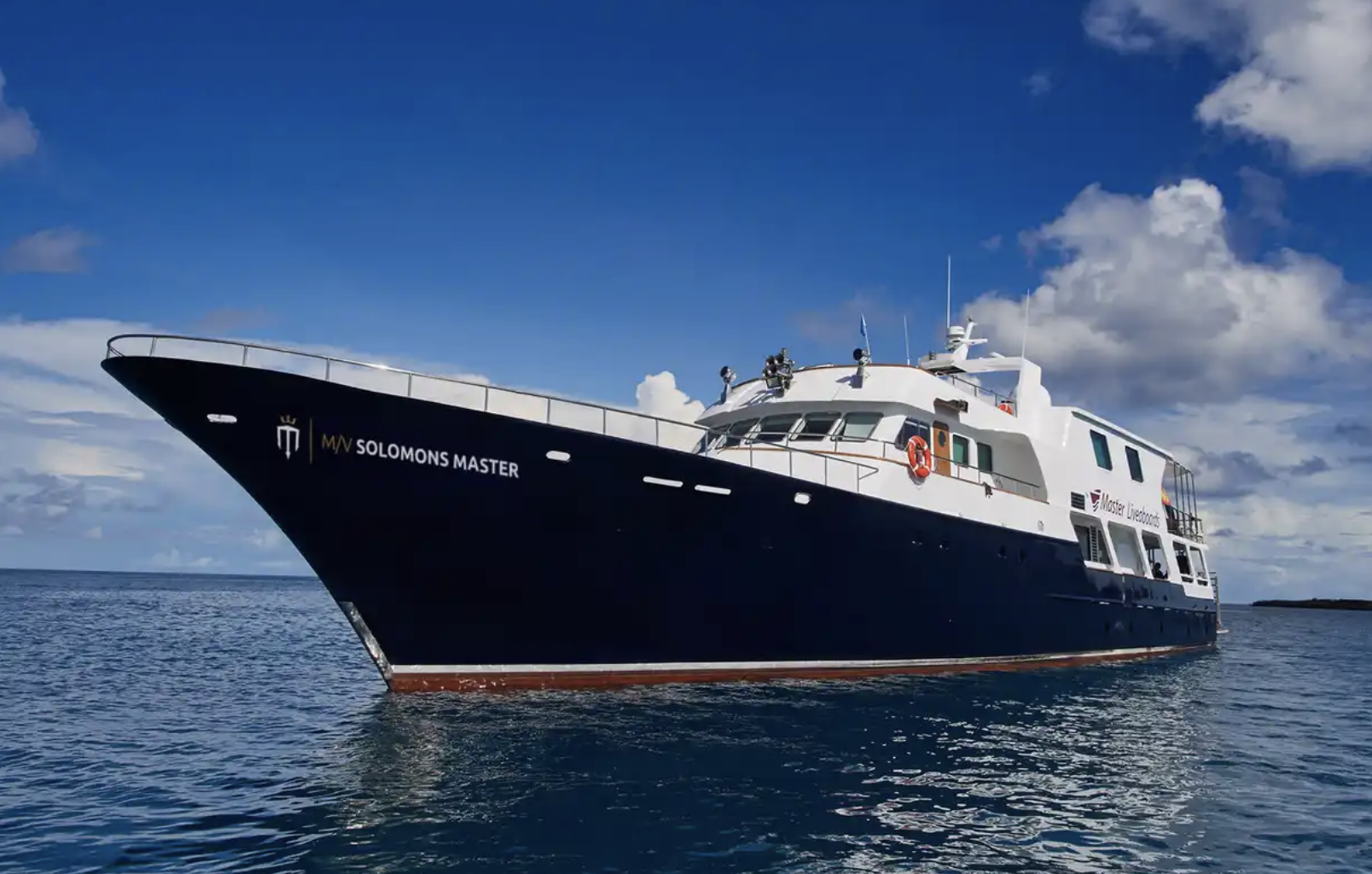
Solomons Master
Solomon Islands
16 guests
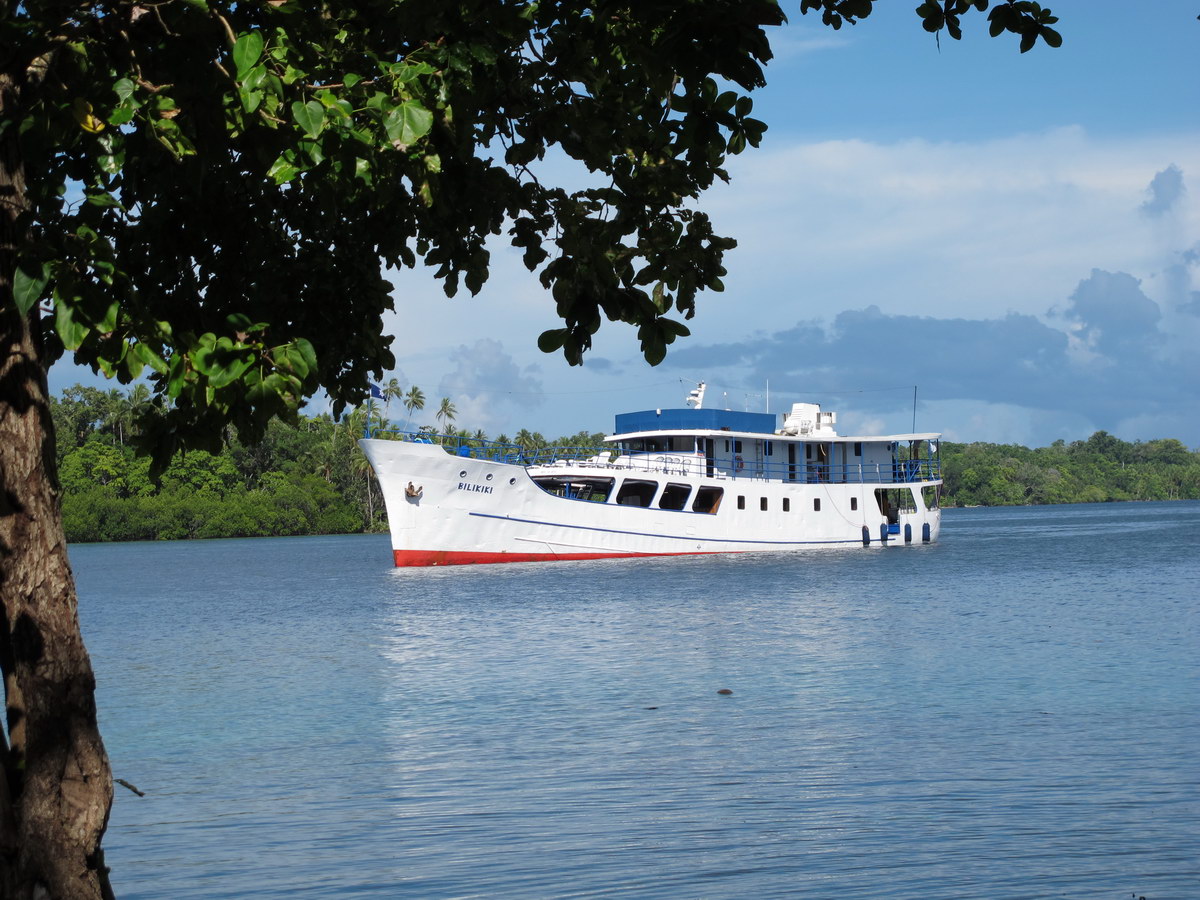
Emperor Bilikiki
Solomon Islands
20 guests38 m
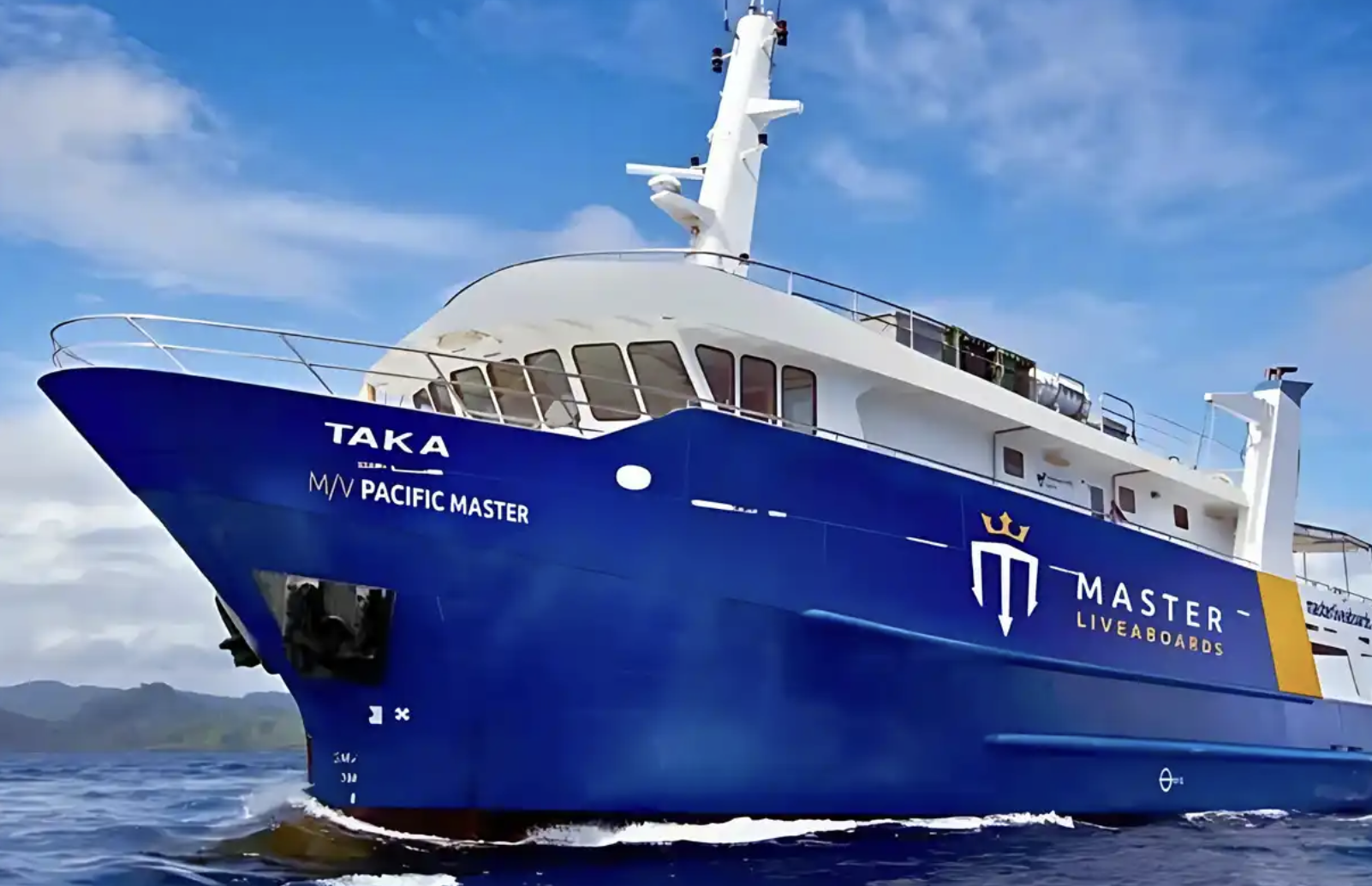
Pacific Master
Solomon Islands
20 guests30 m
Dive sites similar to Rennell Island - Lake Tegano
Same character, same waters — six more sites divers love for the exact same reasons.Compare seasons, access and liveaboard routes — then pick the site that fits your trip best.
Abila is a notable dive site located within the Alor Islands Marine Park, an area celebrated for its rich marine biodiversity due to its position in the Coral Triangle.
- Suitable for
- Beginner
- Current
- Mild
- Access
- Liveaboard only
- Depth
- —
- Theme
- Reef
© Esri — Maxar, Earthstar, GIS
Adonara Channel
Alor
Adonara Channel stands as one of Alor's most iconic dive sites, celebrated for its dynamic currents and exceptionally rich biodiversity.
- Suitable for
- Advanced
- Current
- Strong
- Access
- Liveaboard or dayboat
- Depth
- 10–40 m
- Theme
- Drift / Wall
© Esri — Maxar, Earthstar, GIS
Adonara Wall
Indonesia
Adonara is an Indonesian island dive site, renowned for its vibrant underwater topography characterized by submerged seamounts.
- Suitable for
- Intermediate
- Current
- Strong
- Access
- Liveaboard or dayboat
- Depth
- 5–35 m
- Theme
- Seamount / Wall
© Esri — Maxar, Earthstar, GIS
Agnay Fish Sanctuary
Philippines
Agnay Fish Sanctuary is nestled in a sheltered bay near the village of Agnay in Romblon, a province celebrated for its rich marine biodiversity.
- Suitable for
- Beginner
- Current
- Mild
- Access
- Dayboat
- Depth
- 9–18 m
- Theme
- Reef
© Esri — Maxar, Earthstar, GIS
Ai Island Reef
Banda Sea
Ai Island Reef, nestled within the Banda Sea, offers a remarkable diving experience characterized by its rich marine biodiversity and varied underwater topography.
- Suitable for
- Beginner
- Current
- Strong
- Access
- Liveaboard only
- Depth
- 3–30 m
- Theme
- Reef / Seamount
© Esri — Maxar, Earthstar, GIS
Akitsushima
Philippines
The Akitsushima is a distinguished World War II Japanese seaplane tender, sunk in September 1944 during an American air raid in Coron Bay, Palawan.
- Suitable for
- Advanced
- Current
- Strong
- Access
- Dayboat
- Depth
- 22–38 m
- Theme
- Wreck