Bluerides – Blue Rides - Book Liveaboards worldwideOCEAN ADVENTURES
River CruisesRiversNature & WildlifeOur Promise
River CruisesRiversNature & WildlifeOur PromiseSign In

River destinations

  • River destinations
  • Amazon
  • Danube
  • Rhine
  • Mekong
  • Nile

Ships & departures

  • River Cruise Search
  • Deals

Nature & Wildlife

  • Nature & Wildlife

Travel support

  • Our Promise
  • Contact

Contact

Get in Touch

Get in touch anytime, we're happy to help you find the right trip or sort out any question.

EmailWrite us, we usually reply within a few hours.
contact@bluerides.com
WhatsAppChat with us on WhatsApp, Mon–Fri 10:00–16:00 (CET).
Start WhatsApp Chat
PhoneCall us, we're happy to help.
Free call, Mon–Fri 10 AM – 8 PM (CET).
Europe+49 800 1144 990USA+1 888 557 7735UK+44 800 707 4152Australia+61 2 8599 6113Canada+1 888 557 7735
Which river journey is yours?Answer 8 quick questions and find the river cruise that fits you.
8 questions, 1 minute·Plus Gift
Secure Payment MethodsYour payments are fully secured with AES-256 encryption.
Powered byStripeWiseAMEXPayGoogle PaySEPABank
Imprint·Terms & Conditions·Privacy Policy·About·Contact·Liability Waiver·Affiliate Program·Cruise·
Visit us here

© 2026 Blue Rides. All rights reserved.·

Bluerides – Blue Rides - Book Liveaboards worldwideOCEAN ADVENTURES
River CruisesRiversNature & WildlifeOur Promise
River CruisesRiversNature & WildlifeOur PromiseSign In
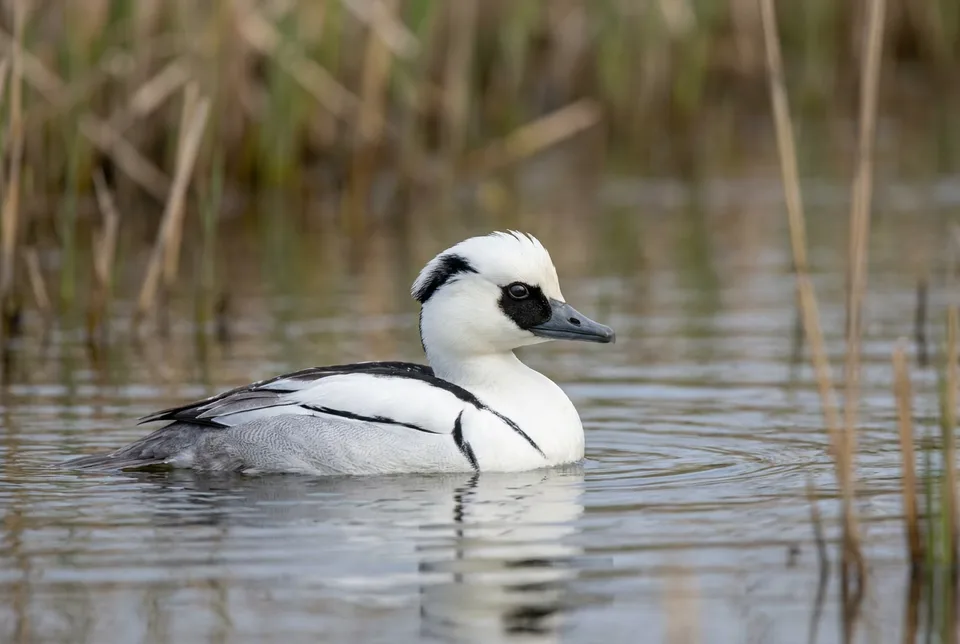
Smew in wetland habitat — Rhine, River Cruises wildlife
Home›River Cruises›River Wildlife›Smew

SmewMergellus albellusWhere and when to see them

Previous speciesShort-Toed TreecreeperNext speciesSnail Kite

Smew at a glance

The Smew is a small diving duck with strikingly different male and female plumages. A male’s white body and black facial pattern can stand out at considerable range, while a chestnut-headed female is easier to overlook. The Rhine registration concerns Augst–Whylen, the Ergolz mouth and nearby old-Rhine waters upstream of Basel, not the entire cruise river. Species reference: https://birds-europe.linnaeus.naturalis.nl/linnaeus_ng/app/views/species/nsr_taxon.php?id=130454
Behaviour & reproduction

Size
38–44 cm (15–17 in) total length, Naturalis Birds of Europe.
Weight
Species-specific weight not verified.
Lifespan
Species-specific lifespan not verified.
Status
Formal global conservation category not verified.

Birds obtain food by diving and often bring prey back to the surface before swallowing. Naturalis describes daytime feeding and dives to several metres. A bird can disappear during a scan and surface well away from the original spot. Watch repeatedly rather than identifying a small group from a single moment.

Top wildlife locations

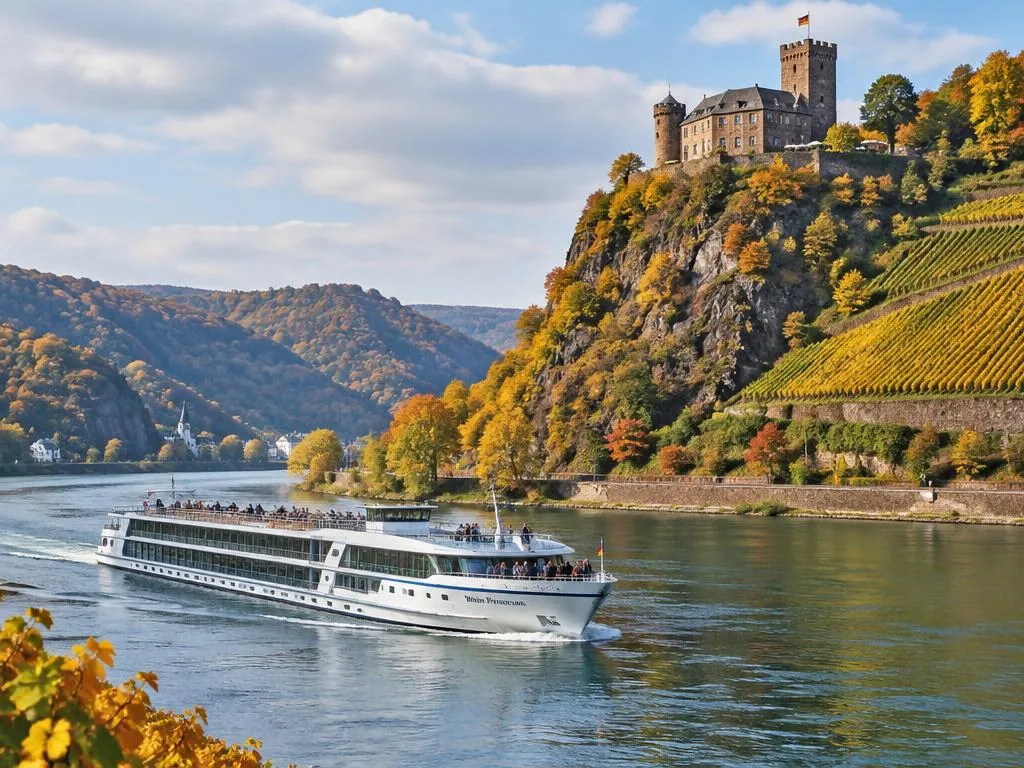
Rhine river landscape — River Cruises wildlife habitat

Rhine

Basel vicinity: Rhine at Augst–Whylen / Ergolz mouth and Altrhein, upstream of Basel; optional shore/hide excursion. Occurrence list; chiefly passage or winter waterbird watching here, uncommon visitors not guaranteed.
Explore river cruises

Destinations describe the species' habitat, not guaranteed cruise stops. Some animals require an optional inland excursion or are found in restricted reserves.

Fun facts about the Smew

  • It is smaller than the larger sawbills.
  • Males and females look very different.
  • Females have chestnut-coloured heads.
  • It feeds by surface-diving.
  • Small fish are important winter prey.
  • It nests in tree holes in its breeding range.

Best time to see the Smew

WWF Basel recommends October–March for winter waterbirds at Augster Stau, but that recommendation is not specific to Smew. The registry calls Smew chiefly a passage or winter visitor. Those qualitative statements are retained without turning the whole waterbird season into species-specific numerical months.

Smew: season matrix by destination

Highlighted months reflect the stated local evidence, not guaranteed encounters. Neutral months mean no verified monthly viewing window, not absence. Observation records and recommended viewing windows are distinct.

Rhine

Winter/passage is registry guidance. WWF gives October–March for waterbirds generally, not Smew specifically; those months were not assigned.

JanFebMarAprMayJunJulAugSepOctNovDec
Explore river cruises

Where the Smew lives

Breeding habitat includes wooded northern wetlands, where the species nests in tree holes. Nonbreeding birds mainly use freshwater. The impounded Rhine and protected bays near Augst–Whylen provide a relevant search landscape, but local waterbird concentrations are dominated by other ducks. Suitable water does not make an uncommon visitor likely on demand.

What the Smew eats

Small fish are especially important in winter and early spring, with aquatic insects also taken at other times. This is a general European species account, not a feeding study at Augst. Avoid assigning a locally preferred fish species or interpreting every dive as a successful capture; neither was verified.

Species at a glance

Common name
Smew
Scientific name
Mergellus albellus
Animal group
Birds
Size
38–44 cm (15–17 in) total length, Naturalis Birds of Europe.
Weight
Species-specific weight not verified.
Lifespan
Species-specific lifespan not verified.
Status
Formal global conservation category not verified.
Identification
An adult male appears mainly white with a black eye patch and fine dark body markings. Females have a chestnut crown and nape, white cheek and throat, and grey body. Juveniles resemble females. The compact body and short bill help separate Smew from larger sawbills, but distant female-type ducks require care.

Smew: frequently asked questions

Where can I see the Smew?
Rhine. Use authorised bank viewpoints or hides, preferably with a telescope because birds may be far offshore. Scan duck groups methodically and allow time for divers to surface. Confirm head shape and plumage before reporting a Smew. Do not approach by boat simply to obtain a more recognisable photograph.
When is the best time to see the Smew?
WWF Basel recommends October–March for winter waterbirds at Augster Stau, but that recommendation is not specific to Smew. The registry calls Smew chiefly a passage or winter visitor. Those qualitative statements are retained without turning the whole waterbird season into species-specific numerical months.
How big does the Smew get?
38–44 cm (15–17 in) total length, Naturalis Birds of Europe.. Adult weight: Species-specific weight not verified.. Size varies with age, sex and population.
How should I behave around the Smew?
Use authorised bank viewpoints or hides, preferably with a telescope because birds may be far offshore. Scan duck groups methodically and allow time for divers to surface. Confirm head shape and plumage before reporting a Smew. Do not approach by boat simply to obtain a more recognisable photograph.
What does the Smew eat?
Small fish are especially important in winter and early spring, with aquatic insects also taken at other times. This is a general European species account, not a feeding study at Augst. Avoid assigning a locally preferred fish species or interpreting every dive as a successful capture; neither was verified.
Are wildlife sightings guaranteed on a river cruise?
No. Animals move freely and routes, weather, access restrictions and local conditions influence every outing. Confirm the actual itinerary and shore program before booking.

Compare wildlife in the same destinations

Explore other birds recorded in these destinations. Similar surroundings do not mean the animals share the same habits or viewing season.

Species comparison by animal group and destination
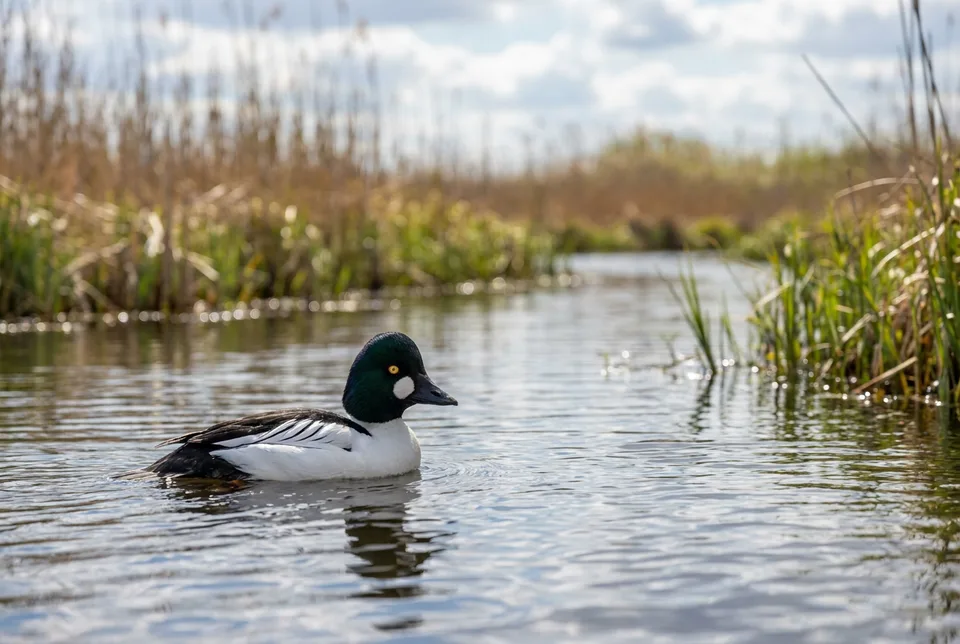
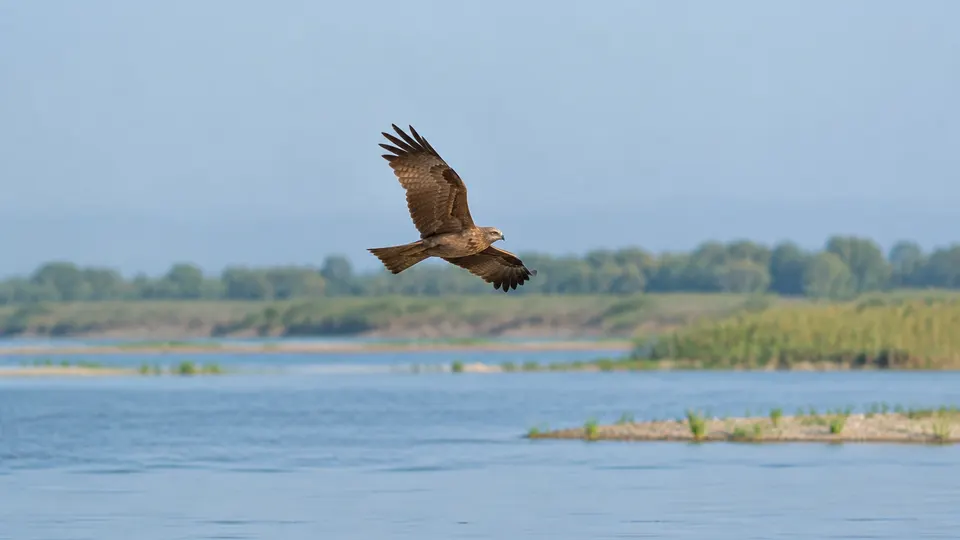
Smew in wetland habitat — Rhine, River Cruises wildlifeSmewBlack kite in wetland habitat — Danube, Rhine, River Cruises wildlifeBlack KiteCommon Goldeneye in wetland habitat — Rhine, River Cruises wildlifeCommon Goldeneye
Animal groupBirdsAnimal groupBirdsAnimal groupBirds
DestinationsRhineDestinationsDanube, RhineDestinationsRhine
Scientific name
Mergellus albellus
Scientific name
Scientific name
Previous speciesShort-Toed TreecreeperNext speciesSnail Kite
All river wildlife
On this page
  • 01About
  • 02Behaviour & reproduction
  • 03Top wildlife locations
  • 04Fun facts
  • 05Best season
  • 06Season matrix by destination
  • 07Habitat
  • 08Diet
  • 09Species at a glance
  • 10Questions & answers
  • 11Compare

Find your river cruise

Plan your trip

Find your next river journey

Compare destinations, shore programs and dates with the animals and habitats you would love to see.

  • Daily shore excursions
  • Responsible wildlife watching
  • Boutique river ships
Explore river cruises