Bluerides – Blue Rides - Book Liveaboards worldwideOCEAN ADVENTURES
River CruisesRiversNature & WildlifeOur Promise
River CruisesRiversNature & WildlifeOur PromiseSign In

River destinations

  • River destinations
  • Amazon
  • Danube
  • Rhine
  • Mekong
  • Nile

Ships & departures

  • River Cruise Search
  • Deals

Nature & Wildlife

  • Nature & Wildlife

Travel support

  • Our Promise
  • Contact

Contact

Get in Touch

Get in touch anytime, we're happy to help you find the right trip or sort out any question.

EmailWrite us, we usually reply within a few hours.
contact@bluerides.com
WhatsAppChat with us on WhatsApp, Mon–Fri 10:00–16:00 (CET).
Start WhatsApp Chat
PhoneCall us, we're happy to help.
Free call, Mon–Fri 10 AM – 8 PM (CET).
Europe+49 800 1144 990USA+1 888 557 7735UK+44 800 707 4152Australia+61 2 8599 6113Canada+1 888 557 7735
Which river journey is yours?Answer 8 quick questions and find the river cruise that fits you.
8 questions, 1 minute·Plus Gift
Secure Payment MethodsYour payments are fully secured with AES-256 encryption.
Powered byStripeWiseAMEXPayGoogle PaySEPABank
Imprint·Terms & Conditions·Privacy Policy·About·Contact·Liability Waiver·Affiliate Program·Cruise·
Visit us here

© 2026 Blue Rides. All rights reserved.·

Bluerides – Blue Rides - Book Liveaboards worldwideOCEAN ADVENTURES
River CruisesRiversNature & WildlifeOur Promise
River CruisesRiversNature & WildlifeOur PromiseSign In
Short-Toed Treecreeper in wetland habitat — Saone, River Cruises wildlife
Home›River Cruises›River Wildlife›Short-Toed Treecreeper

Short-Toed TreecreeperCerthia brachydactylaWhere and when to see them

Previous speciesShort-eared OwlNext speciesSmew

Short-Toed Treecreeper at a glance

The Short-Toed Treecreeper brings the wildlife focus away from open water and onto riverside trees. Its bark-coloured plumage and small size make it easy to overlook from a vessel. The Saône association is specifically the lower-river promenade from Rochetaillée-sur-Saône through Fontaines-sur-Saône towards Lyon, upstream of the Rhône confluence. Species reference: https://www.bto.org/learn/about-birds/birdfacts/short-toed-treecreeper

Behaviour & reproduction

Size
Species-specific body length not verified.
Weight
9.5 g (0.34 oz), BTO species account.
Lifespan
Species-specific lifespan not verified.
Status
Least Concern globally, reported by BTO and BirdLife; BirdLife assessment year 2024.

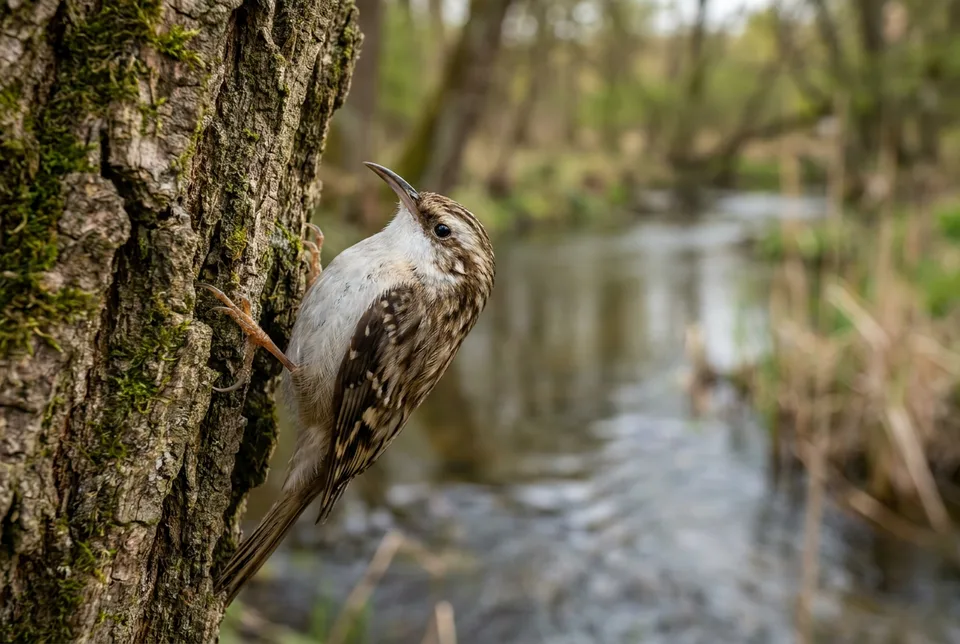
Watch trunks for a small bird making short upward movements, sometimes disappearing around the far side. A long, fine bill and supporting tail suit close examination of bark surfaces. Identification should not depend on climbing behaviour alone, because the closely similar Eurasian Treecreeper behaves in much the same way.

Top wildlife locations

Saone river landscape — River Cruises wildlife habitat

Saone

Lower Saône: Grand Lyon Rives de Saône promenade, Rochetaillée-sur-Saône–Fontaines-sur-Saône–Lyon, upstream of the Rhône confluence. Tree trunks; elusive, shore walk, year-round.
Explore river cruises

Destinations describe the species' habitat, not guaranteed cruise stops. Some animals require an optional inland excursion or are found in restricted reserves.

Fun facts about the Short-Toed Treecreeper

  • BTO reports a weight of 9.5 g.
  • Its closest lookalike is Eurasian Treecreeper.
  • Song is especially useful for identification.
  • BirdLife classifies it as nonmigratory.
  • Its global assessment is Least Concern.
  • The registered viewing opportunity is a riverside walk.

Best time to see the Short-Toed Treecreeper

The registry describes year-round shore-walk opportunities, and BirdLife classifies the species as nonmigratory. Neither statement is a verified recurring local month-by-month source. The Saône array remains empty. A knowledgeable local guide may improve the chance of recognising song and locating suitable trees without implying guaranteed presence.

Short-Toed Treecreeper: season matrix by destination

Highlighted months reflect the stated local evidence, not guaranteed encounters. Neutral months mean no verified monthly viewing window, not absence. Observation records and recommended viewing windows are distinct.

Saone

Year-round is registry guidance, not a verified recurring local source. No monthly calendar verified for the lower Saône promenade.

JanFebMarAprMayJunJulAugSepOctNovDec
Explore river cruises

Where the Short-Toed Treecreeper lives

Wooded riverside sections are the useful search habitat on this promenade. Mature trees offer bark surfaces and concealment, but an urban river setting does not make every tree suitable or occupied. The route is a shore-walk opportunity rather than a main-channel observation claim. Preserve quiet space around any cavity or loose-bark nesting site.

What the Short-Toed Treecreeper eats

Treecreepers search bark for small invertebrates. A species-specific prey list and a measured diet from the lower Saône were not verified. The narrow bill provides a useful clue to the feeding niche, not permission to assign precise prey categories or percentages. Observe from the path without peeling bark or exposing hidden animals.

Species at a glance

Common name
Short-Toed Treecreeper
Scientific name
Certhia brachydactyla
Animal group
Birds
Size
Species-specific body length not verified.
Weight
9.5 g (0.34 oz), BTO species account.
Lifespan
Species-specific lifespan not verified.
Status
Least Concern globally, reported by BTO and BirdLife; BirdLife assessment year 2024.
Identification
Expect mottled brown upperparts, pale underparts, a fine downcurved bill and a relatively long tail. BTO emphasises song as the best distinction from Eurasian Treecreeper. Bill length and plumage details can support an expert identification, but a brief view of an anonymous bark-climbing bird should remain unresolved.

Short-Toed Treecreeper: frequently asked questions

Where can I see the Short-Toed Treecreeper?
Saone. Pause beside groups of mature trees and watch their lower and middle trunks. If a bird moves behind a trunk, wait for it to reappear rather than circling close to it. Record a natural song if identification is uncertain; do not use repeated playback to force a response beside a busy public promenade.
When is the best time to see the Short-Toed Treecreeper?
The registry describes year-round shore-walk opportunities, and BirdLife classifies the species as nonmigratory. Neither statement is a verified recurring local month-by-month source. The Saône array remains empty. A knowledgeable local guide may improve the chance of recognising song and locating suitable trees without implying guaranteed presence.
How big does the Short-Toed Treecreeper get?
Species-specific body length not verified.. Adult weight: 9.5 g (0.34 oz), BTO species account.. Size varies with age, sex and population.
How should I behave around the Short-Toed Treecreeper?
Pause beside groups of mature trees and watch their lower and middle trunks. If a bird moves behind a trunk, wait for it to reappear rather than circling close to it. Record a natural song if identification is uncertain; do not use repeated playback to force a response beside a busy public promenade.
What does the Short-Toed Treecreeper eat?
Treecreepers search bark for small invertebrates. A species-specific prey list and a measured diet from the lower Saône were not verified. The narrow bill provides a useful clue to the feeding niche, not permission to assign precise prey categories or percentages. Observe from the path without peeling bark or exposing hidden animals.
Are wildlife sightings guaranteed on a river cruise?
No. Animals move freely and routes, weather, access restrictions and local conditions influence every outing. Confirm the actual itinerary and shore program before booking.

Compare wildlife in the same destinations

Explore other birds recorded in these destinations. Similar surroundings do not mean the animals share the same habits or viewing season.

Species comparison by animal group and destination
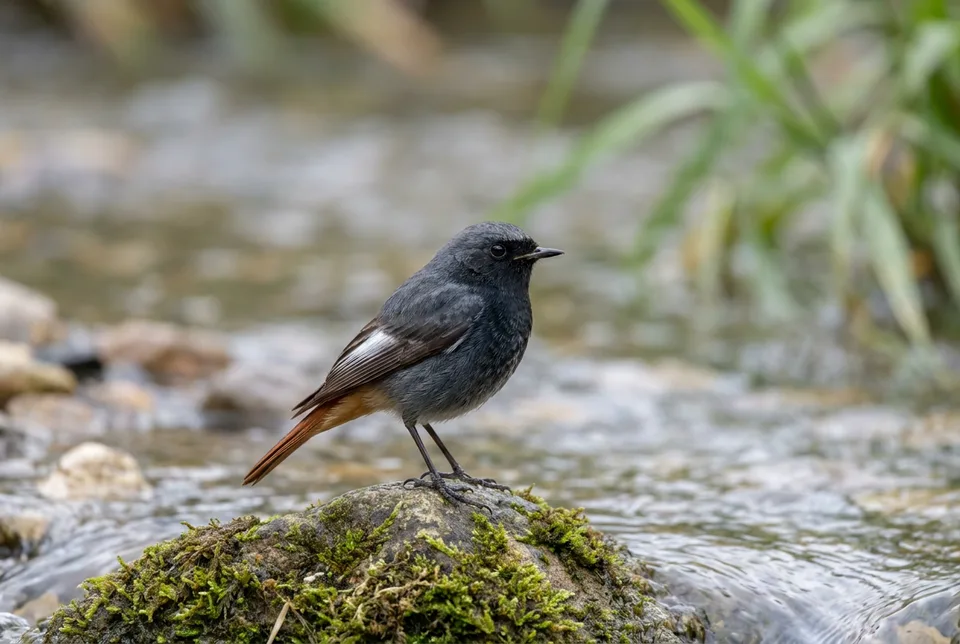
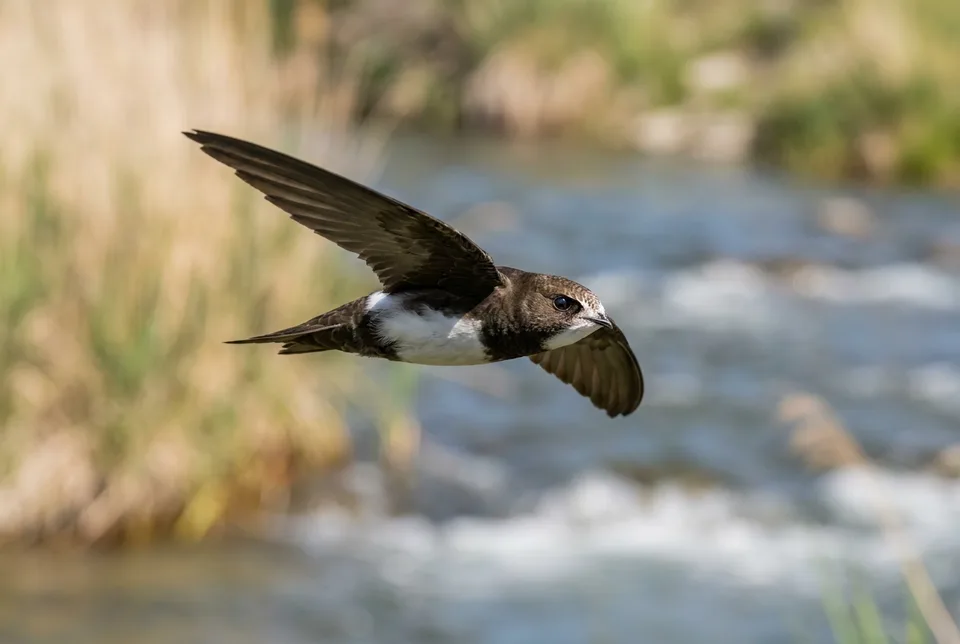
Short-Toed Treecreeper in wetland habitat — Saone, River Cruises wildlifeShort-Toed TreecreeperAlpine Swift in wetland habitat — Saone, River Cruises wildlifeAlpine SwiftBlack Redstart in wetland habitat — Saone, Douro, River Cruises wildlifeBlack Redstart
Animal groupBirdsAnimal groupBirdsAnimal groupBirds
DestinationsSaoneDestinationsSaoneDestinationsSaone, Douro
Scientific name
Certhia brachydactyla
Scientific name
Scientific name
Previous speciesShort-eared OwlNext speciesSmew
All river wildlife
On this page
  • 01About
  • 02Behaviour & reproduction
  • 03Top wildlife locations
  • 04Fun facts
  • 05Best season
  • 06Season matrix by destination
  • 07Habitat
  • 08Diet
  • 09Species at a glance
  • 10Questions & answers
  • 11Compare

Find your river cruise

Plan your trip

Find your next river journey

Compare destinations, shore programs and dates with the animals and habitats you would love to see.

  • Daily shore excursions
  • Responsible wildlife watching
  • Boutique river ships
Explore river cruises