
Bluerides – Blue Rides - Book Liveaboards worldwideOCEAN ADVENTURES
River CruisesRiversNature & WildlifeOur Promise
River CruisesRiversNature & WildlifeOur PromiseSign In

River destinations

  • River destinations
  • Amazon
  • Danube
  • Rhine
  • Mekong
  • Nile

Ships & departures

  • River Cruise Search
  • Deals

Nature & Wildlife

  • Nature & Wildlife

Travel support

  • Our Promise
  • Contact

Contact

Get in Touch

Get in touch anytime, we're happy to help you find the right trip or sort out any question.

EmailWrite us, we usually reply within a few hours.
contact@bluerides.com
WhatsAppChat with us on WhatsApp, Mon–Fri 10:00–16:00 (CET).
Start WhatsApp Chat
PhoneCall us, we're happy to help.
Free call, Mon–Fri 10 AM – 8 PM (CET).
Europe+49 800 1144 990USA+1 888 557 7735UK+44 800 707 4152Australia+61 2 8599 6113Canada+1 888 557 7735
Which river journey is yours?Answer 8 quick questions and find the river cruise that fits you.
8 questions, 1 minute·Plus Gift
Secure Payment MethodsYour payments are fully secured with AES-256 encryption.
Powered byStripeWiseAMEXPayGoogle PaySEPABank
Imprint·Terms & Conditions·Privacy Policy·About·Contact·Liability Waiver·Affiliate Program·Cruise·Blog·
Visit us here

© 2026 Blue Rides. All rights reserved.

Bluerides – Blue Rides - Book Liveaboards worldwideOCEAN ADVENTURES
River CruisesRiversNature & WildlifeOur Promise
River CruisesRiversNature & WildlifeOur PromiseSign In
Short-eared owl in wetland habitat — Douro, River Cruises wildlifeAI-modified
Home›River Cruises›River Wildlife›Short-eared Owl

Short-eared OwlAsio flammeusWhere and when to see them

Previous speciesSenegal Thick-kneeNext speciesShort-Toed Treecreeper

Short-eared Owl at a glance

This open-country owl is associated with low vegetation rather than dense woodland. Broad wings and low hunting flights make it possible to see an owl without waiting for complete darkness. The Douro listing is restricted to the Porto estuary reserve and explicitly treats the species as irregular or seasonal; it is not an inland vineyard-reach speciality. Species reference: https://www.allaboutbirds.org/guide/Short-eared_Owl/lifehistory

Behaviour & reproduction

Size
Species-specific body length not verified.
Weight
Species-specific weight not verified.
Lifespan
Species-specific lifespan not verified.
Status
A Portuguese technical account reports global Least Concern using a 2004 assessment; a current global assessment was not verified.

Low searching flights alternate with periods on the ground or a low perch. Cornell describes strong links between owl numbers and fluctuating mammal prey. Consequently a site that held birds in one season may be quiet in another. Ground nesting and ground roosting also make apparently empty rough vegetation sensitive to trampling.

Top wildlife locations

Douro river landscape — River Cruises wildlife habitatAI-modified

Douro

Porto / Vila Nova de Gaia: Douro estuary reserve, Afurada–Cabedelo–São Paio; NOT a claim for inland Régua–Pinhão Accessible Porto shore visit with paths and hides; waders/gulls concentrated at low tide and migration/winter. Osprey and Short-eared Owl irregular/seasonal; no guaranteed sightings.

Explore river cruises

Destinations describe the species' habitat, not guaranteed cruise stops. Some animals require an optional inland excursion or are found in restricted reserves.

Fun facts about the Short-eared Owl

  • Small mammals dominate its diet.
  • It uses open, low vegetation.
  • It nests on the ground.
  • The female constructs a lined scrape.
  • Numbers can track prey fluctuations.
  • Its small ear tufts can be difficult to see.

Best time to see the Short-eared Owl

Winter-oriented searching is consistent with the registry, but no recurring species-specific month range for the Douro reserve was verified. Portugal-wide November–March guidance has deliberately not been copied into this local matrix. Treat any visit as opportunistic and ask reserve staff whether birds are currently being watched from public viewpoints.

Short-eared Owl: season matrix by destination

Highlighted months reflect the stated local evidence, not guaranteed encounters. Neutral months mean no verified monthly viewing window, not absence. Observation records and recommended viewing windows are distinct.

Douro

Irregular or seasonal in the registry; no species-specific recurring Douro reserve month range verified. Portugal-wide winter dates were excluded.

JanFebMarAprMayJunJulAugSepOctNovDec
Explore river cruises

Where the Short-eared Owl lives

Large open areas with low vegetation include grassland, marsh, dunes, heath and agricultural land. Winter use can include stubble and weedy fields. Around the Douro mouth, suitable open margins matter more than open water itself. The registry does not establish a breeding population in the reserve, and no such claim is made here.

What the Short-eared Owl eats

Mice and voles dominate the general diet, though other small mammals and birds are recorded. This prey dependence helps explain mobile, variable populations. A Portugal-wide technical account provides national seasonality, but neither that nor a general prey-cycle description supplies a Douro-specific calendar. A local diet sample was not verified.

Species at a glance

Common name
Short-eared Owl
Scientific name
Asio flammeus
Animal group
Birds
Size
Species-specific body length not verified.
Weight
Species-specific weight not verified.
Lifespan
Species-specific lifespan not verified.
Status
A Portuguese technical account reports global Least Concern using a 2004 assessment; a current global assessment was not verified.
Identification
Look for a pale facial disc, yellow eyes set in dark patches, streaked underparts and broad wings. The short ear tufts may be inconspicuous. Low, buoyant flight is suggestive, but harriers also quarter marshes; check the head, body and wing pattern rather than using hunting style alone.

Short-eared Owl: frequently asked questions

Where can I see the Short-eared Owl?
Douro. Scan open vegetation from paths rather than walking across it. Late-day light may assist a search, but do not interpret a quiet scan as absence. Keep well away from any ground roost and avoid playback or deliberate flushing. A distant, undisturbed hunting sequence is more valuable than a close photograph obtained by pursuit.
When is the best time to see the Short-eared Owl?
Winter-oriented searching is consistent with the registry, but no recurring species-specific month range for the Douro reserve was verified. Portugal-wide November–March guidance has deliberately not been copied into this local matrix. Treat any visit as opportunistic and ask reserve staff whether birds are currently being watched from public viewpoints.
How big does the Short-eared Owl get?
Species-specific body length not verified.. Adult weight: Species-specific weight not verified.. Size varies with age, sex and population.
How should I behave around the Short-eared Owl?
Scan open vegetation from paths rather than walking across it. Late-day light may assist a search, but do not interpret a quiet scan as absence. Keep well away from any ground roost and avoid playback or deliberate flushing. A distant, undisturbed hunting sequence is more valuable than a close photograph obtained by pursuit.
What does the Short-eared Owl eat?
Mice and voles dominate the general diet, though other small mammals and birds are recorded. This prey dependence helps explain mobile, variable populations. A Portugal-wide technical account provides national seasonality, but neither that nor a general prey-cycle description supplies a Douro-specific calendar. A local diet sample was not verified.
Are wildlife sightings guaranteed on a river cruise?
No. Animals move freely and routes, weather, access restrictions and local conditions influence every outing. Confirm the actual itinerary and shore program before booking.

Compare wildlife in the same destinations

Explore other birds recorded in these destinations. Similar surroundings do not mean the animals share the same habits or viewing season.

Species comparison by animal group and destination
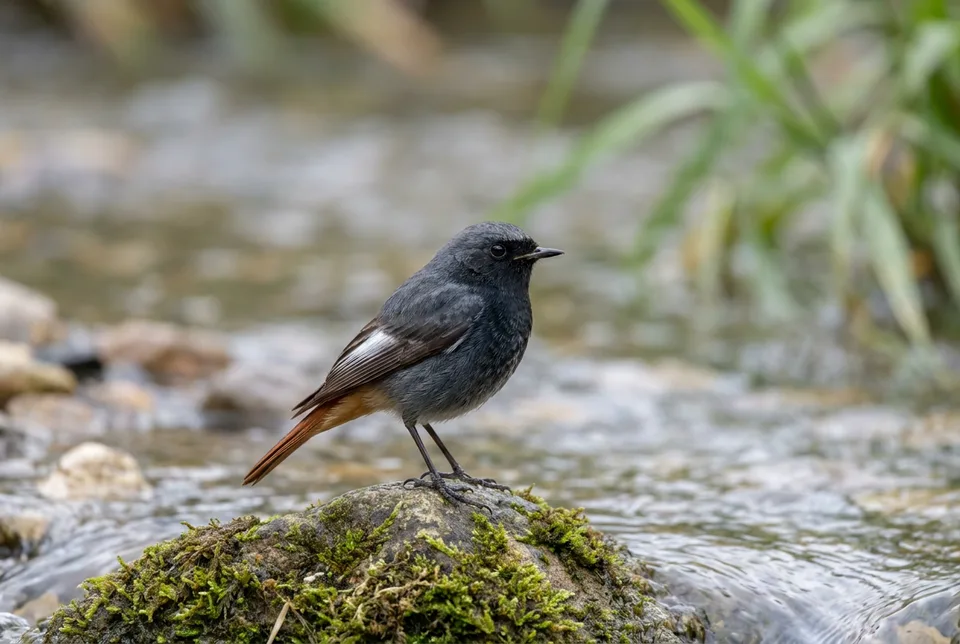
Short-eared owl in wetland habitat — Douro, River Cruises wildlifeAI-modifiedShort-eared OwlBar-tailed godwit in wetland habitat — Douro, River Cruises wildlifeAI-modifiedBar-tailed godwitBlack Redstart in wetland habitat — Saone, Douro, River Cruises wildlifeAI-modifiedBlack Redstart
Animal groupBirdsAnimal groupBirdsAnimal groupBirds
DestinationsDouroDestinationsDouroDestinationsSaone, Douro
Scientific name
Asio flammeus
Scientific name
Scientific name
Previous speciesSenegal Thick-kneeNext speciesShort-Toed Treecreeper
All river wildlife
On this page
  • 01About
  • 02Behaviour & reproduction
  • 03Top wildlife locations
  • 04Fun facts
  • 05Best season
  • 06Season matrix by destination
  • 07Habitat
  • 08Diet
  • 09Species at a glance
  • 10Questions & answers
  • 11Compare

Find your river cruise

AI-modified
Plan your trip

Find your next river journey

Compare destinations, shore programs and dates with the animals and habitats you would love to see.

  • Daily shore excursions
  • Responsible wildlife watching
  • Boutique river ships
Explore river cruises