Bluerides – Blue Rides - Book Liveaboards worldwideOCEAN ADVENTURES
River CruisesRiversNature & WildlifeOur Promise
River CruisesRiversNature & WildlifeOur PromiseSign In

River destinations

  • River destinations
  • Amazon
  • Danube
  • Rhine
  • Mekong
  • Nile

Ships & departures

  • River Cruise Search
  • Deals

Nature & Wildlife

  • Nature & Wildlife

Travel support

  • Our Promise
  • Contact

Contact

Get in Touch

Get in touch anytime, we're happy to help you find the right trip or sort out any question.

EmailWrite us, we usually reply within a few hours.
contact@bluerides.com
WhatsAppChat with us on WhatsApp, Mon–Fri 10:00–16:00 (CET).
Start WhatsApp Chat
PhoneCall us, we're happy to help.
Free call, Mon–Fri 10 AM – 8 PM (CET).
Europe+49 800 1144 990USA+1 888 557 7735UK+44 800 707 4152Australia+61 2 8599 6113Canada+1 888 557 7735
Which river journey is yours?Answer 8 quick questions and find the river cruise that fits you.
8 questions, 1 minute·Plus Gift
Secure Payment MethodsYour payments are fully secured with AES-256 encryption.
Powered byStripeWiseAMEXPayGoogle PaySEPABank
Imprint·Terms & Conditions·Privacy Policy·About·Contact·Liability Waiver·Affiliate Program·Cruise·Blog·
Visit us here

© 2026 Blue Rides. All rights reserved.

Bluerides – Blue Rides - Book Liveaboards worldwideOCEAN ADVENTURES
River CruisesRiversNature & WildlifeOur Promise
River CruisesRiversNature & WildlifeOur PromiseSign In
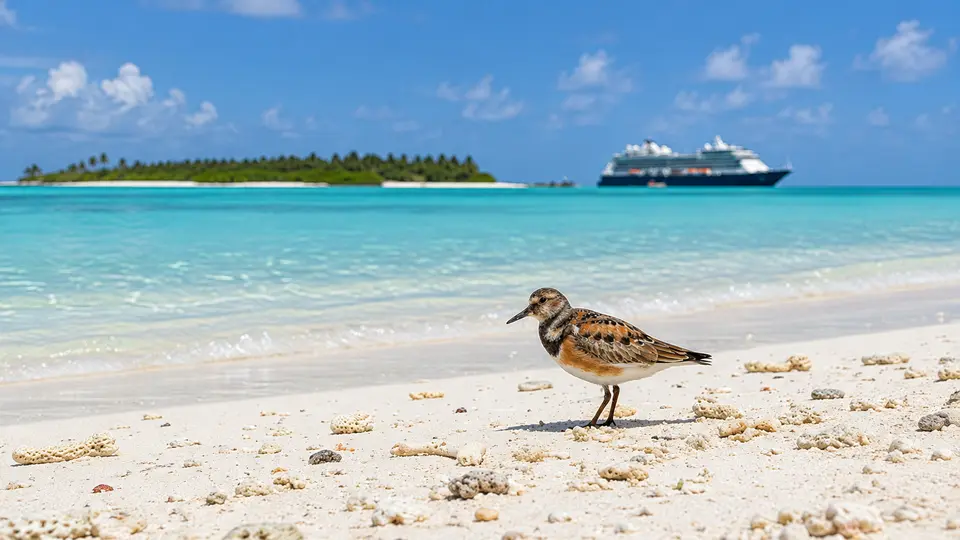
Ruddy turnstone in wetland habitat — Douro, River Cruises wildlifeAI-modified
Home›River Cruises›River Wildlife›Ruddy turnstone

Ruddy turnstoneArenaria interpresWhere and when to see them

Previous speciesRuddy DuckNext speciesRuddy-breasted Crake

Ruddy turnstone at a glance

The Ruddy Turnstone is a stocky shorebird whose feeding technique explains its name. It turns over small objects to expose hidden food. The registered Douro setting is the estuary reserve at Porto and Vila Nova de Gaia, not the inland vineyard cruise around Régua or Pinhão. Species reference: https://www.allaboutbirds.org/guide/Ruddy_Turnstone/lifehistory
Behaviour & reproduction

Size
Species-specific body-length measurement not verified.
Weight
Species-specific weight not verified.
Lifespan
Species-specific lifespan not verified.
Status
The Gaia reserve page reports Pouco preocupante; a current original global assessment was not verified.

A short stout bill is used to shift pebbles, shells and wrack. Birds also pick at exposed prey. A working individual may follow the same stretch of shoreline methodically rather than ranging randomly. Give feeding groups room to continue, and avoid moving them repeatedly between resting and feeding sites.

Top wildlife locations

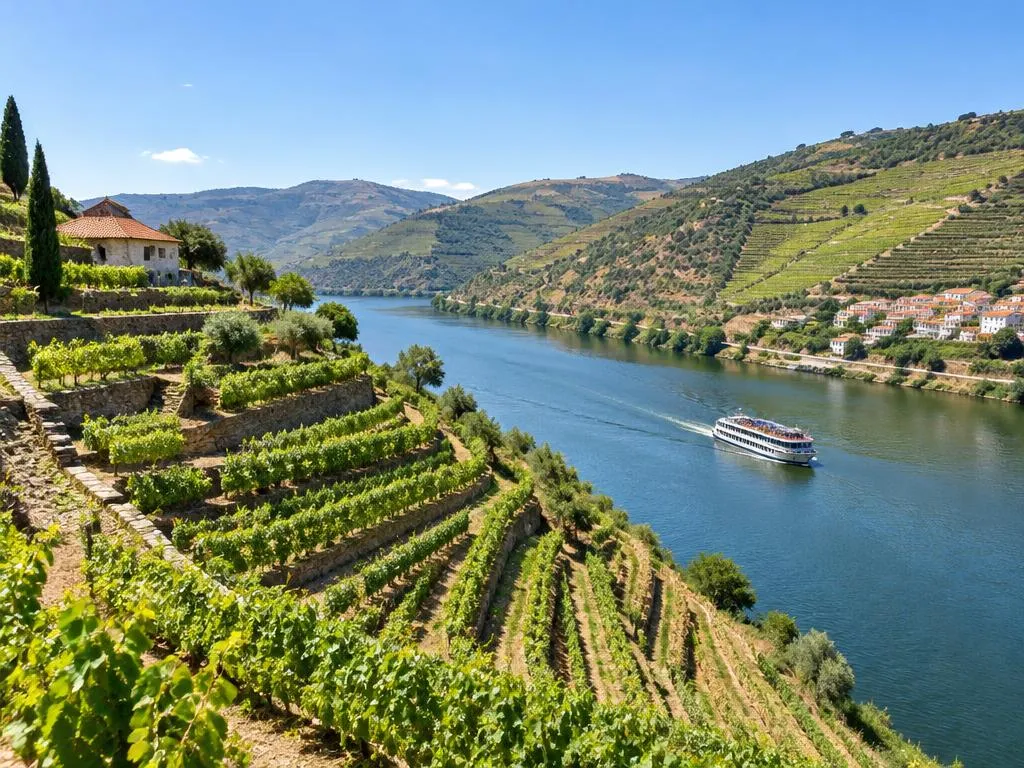
Douro river landscape — River Cruises wildlife habitatAI-modified

Douro

Porto / Vila Nova de Gaia: Douro estuary reserve, Afurada–Cabedelo–São Paio; NOT a claim for inland Régua–Pinhão Accessible Porto shore visit with paths and hides; waders/gulls concentrated at low tide and migration/winter. Osprey and Short-eared Owl irregular/seasonal; no guaranteed sightings.
Explore river cruises

Destinations describe the species' habitat, not guaranteed cruise stops. Some animals require an optional inland excursion or are found in restricted reserves.

Fun facts about the Ruddy turnstone

  • The bill is used to turn shoreline objects.
  • It has short orange legs.
  • Breeding birds have richer rufous upperparts.
  • It breeds in the Arctic.
  • Its diet includes shoreline invertebrates.
  • The Douro reserve supports observation throughout the year.

Best time to see the Ruddy turnstone

Gaia’s Douro reserve species page explicitly says “Maior probabilidade de observação: Todo o ano” and explains that passage and wintering birds may be joined by nonbreeders observed throughout the year. This is a local recurring source, so all twelve months are supported as potential occurrence, not equal abundance or guaranteed sightings.

Ruddy turnstone: season matrix by destination

Highlighted months reflect the stated local evidence, not guaranteed encounters. Neutral months mean no verified monthly viewing window, not absence. Observation records and recommended viewing windows are distinct.

Douro

The reserve’s own species page explicitly supports observation throughout the year. Passage and wintering birds predominate; summer birds may be nonbreeders. This does not mean equal abundance or guaranteed sightings.

JanFebMarAprMayJunJulAugSepOctNovDec
Explore river cruises

Where the Ruddy turnstone lives

Rocky shores, mudflats, sandy beaches and deltas are used outside the breeding range. The Gaia reserve’s own species page provides direct local support. Tide and available exposed substrate influence where a visitor should look, but no unverified tidal threshold is supplied as a guarantee.

What the Ruddy turnstone eats

Invertebrates dominate much feeding, including insects, crustaceans and mollusks. Cornell also describes opportunistic feeding on eggs and carrion in suitable circumstances. These broader habits are not a measured Douro diet. Look for actual object-turning and prey handling without assuming every bill movement results in a catch.

Species at a glance

Common name
Ruddy turnstone
Scientific name
Arenaria interpres
Animal group
Birds
Size
Species-specific body-length measurement not verified.
Weight
Species-specific weight not verified.
Lifespan
Species-specific lifespan not verified.
Status
The Gaia reserve page reports Pouco preocupante; a current original global assessment was not verified.
Identification
Short orange legs, a compact shape and a patterned breast help distinguish turnstones. Breeding plumage adds strong rufous colour above; nonbreeding birds are browner. The stout slightly upturned bill and habit of flipping shoreline objects are useful together. Compare structure as well as plumage with nearby small waders.

Ruddy turnstone: frequently asked questions

Where can I see the Ruddy turnstone?
Douro. Use reserve paths and hides, scanning the exposed shoreline and rocky margins. Watch the birds’ route before choosing a viewing position so you do not block it. Keep dogs away from feeding or roosting groups. This is a Porto-area shore visit and should not be advertised as expected wildlife on an inland Douro sailing.
When is the best time to see the Ruddy turnstone?
Gaia’s Douro reserve species page explicitly says “Maior probabilidade de observação: Todo o ano” and explains that passage and wintering birds may be joined by nonbreeders observed throughout the year. This is a local recurring source, so all twelve months are supported as potential occurrence, not equal abundance or guaranteed sightings.
How big does the Ruddy turnstone get?
Species-specific body-length measurement not verified.. Adult weight: Species-specific weight not verified.. Size varies with age, sex and population.
How should I behave around the Ruddy turnstone?
Use reserve paths and hides, scanning the exposed shoreline and rocky margins. Watch the birds’ route before choosing a viewing position so you do not block it. Keep dogs away from feeding or roosting groups. This is a Porto-area shore visit and should not be advertised as expected wildlife on an inland Douro sailing.
What does the Ruddy turnstone eat?
Invertebrates dominate much feeding, including insects, crustaceans and mollusks. Cornell also describes opportunistic feeding on eggs and carrion in suitable circumstances. These broader habits are not a measured Douro diet. Look for actual object-turning and prey handling without assuming every bill movement results in a catch.
Are wildlife sightings guaranteed on a river cruise?
No. Animals move freely and routes, weather, access restrictions and local conditions influence every outing. Confirm the actual itinerary and shore program before booking.

Compare wildlife in the same destinations

Explore other birds recorded in these destinations. Similar surroundings do not mean the animals share the same habits or viewing season.

Species comparison by animal group and destination
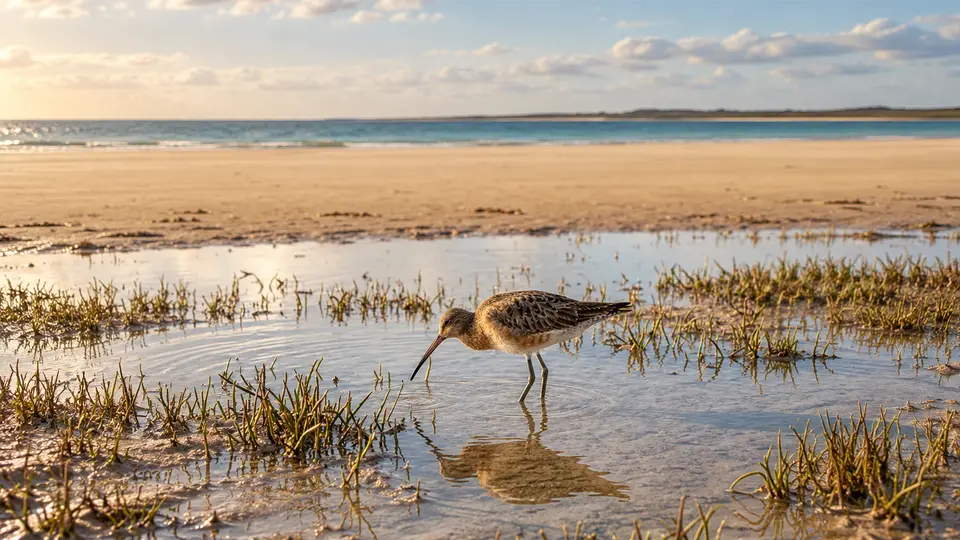
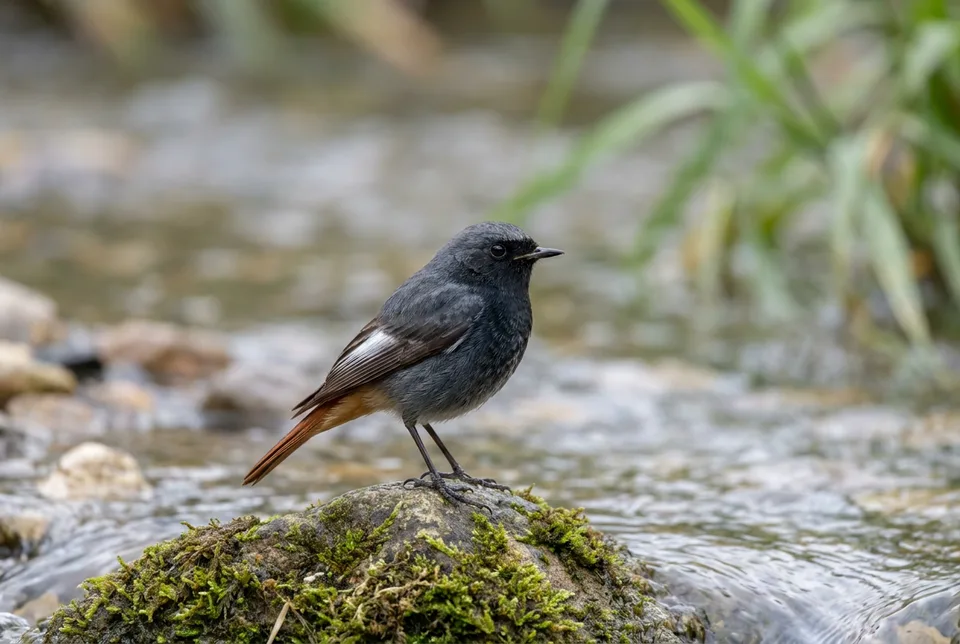
Ruddy turnstone in wetland habitat — Douro, River Cruises wildlifeAI-modifiedRuddy turnstoneBar-tailed godwit in wetland habitat — Douro, River Cruises wildlifeAI-modifiedBar-tailed godwitBlack Redstart in wetland habitat — Saone, Douro, River Cruises wildlifeAI-modifiedBlack Redstart
Animal groupBirdsAnimal groupBirdsAnimal groupBirds
DestinationsDouroDestinationsDouroDestinationsSaone, Douro
Scientific name
Arenaria interpres
Scientific name
Scientific name
Previous speciesRuddy DuckNext speciesRuddy-breasted Crake
All river wildlife
On this page
  • 01About
  • 02Behaviour & reproduction
  • 03Top wildlife locations
  • 04Fun facts
  • 05Best season
  • 06Season matrix by destination
  • 07Habitat
  • 08Diet
  • 09Species at a glance
  • 10Questions & answers
  • 11Compare

Find your river cruise

AI-modified
Plan your trip

Find your next river journey

Compare destinations, shore programs and dates with the animals and habitats you would love to see.

  • Daily shore excursions
  • Responsible wildlife watching
  • Boutique river ships
Explore river cruises