Bluerides – Blue Rides - Book Liveaboards worldwideOCEAN ADVENTURES
River CruisesRiversNature & WildlifeOur Promise
River CruisesRiversNature & WildlifeOur PromiseSign In

River destinations

  • River destinations
  • Amazon
  • Danube
  • Rhine
  • Mekong
  • Nile

Ships & departures

  • River Cruise Search
  • Deals

Nature & Wildlife

  • Nature & Wildlife

Travel support

  • Our Promise
  • Contact

Contact

Get in Touch

Get in touch anytime, we're happy to help you find the right trip or sort out any question.

EmailWrite us, we usually reply within a few hours.
contact@bluerides.com
WhatsAppChat with us on WhatsApp, Mon–Fri 10:00–16:00 (CET).
Start WhatsApp Chat
PhoneCall us, we're happy to help.
Free call, Mon–Fri 10 AM – 8 PM (CET).
Europe+49 800 1144 990USA+1 888 557 7735UK+44 800 707 4152Australia+61 2 8599 6113Canada+1 888 557 7735
Which river journey is yours?Answer 8 quick questions and find the river cruise that fits you.
8 questions, 1 minute·Plus Gift
Secure Payment MethodsYour payments are fully secured with AES-256 encryption.
Powered byStripeWiseAMEXPayGoogle PaySEPABank
Imprint·Terms & Conditions·Privacy Policy·About·Contact·Liability Waiver·Affiliate Program·Cruise·Blog·
Visit us here

© 2026 Blue Rides. All rights reserved.

Bluerides – Blue Rides - Book Liveaboards worldwideOCEAN ADVENTURES
River CruisesRiversNature & WildlifeOur Promise
River CruisesRiversNature & WildlifeOur PromiseSign In
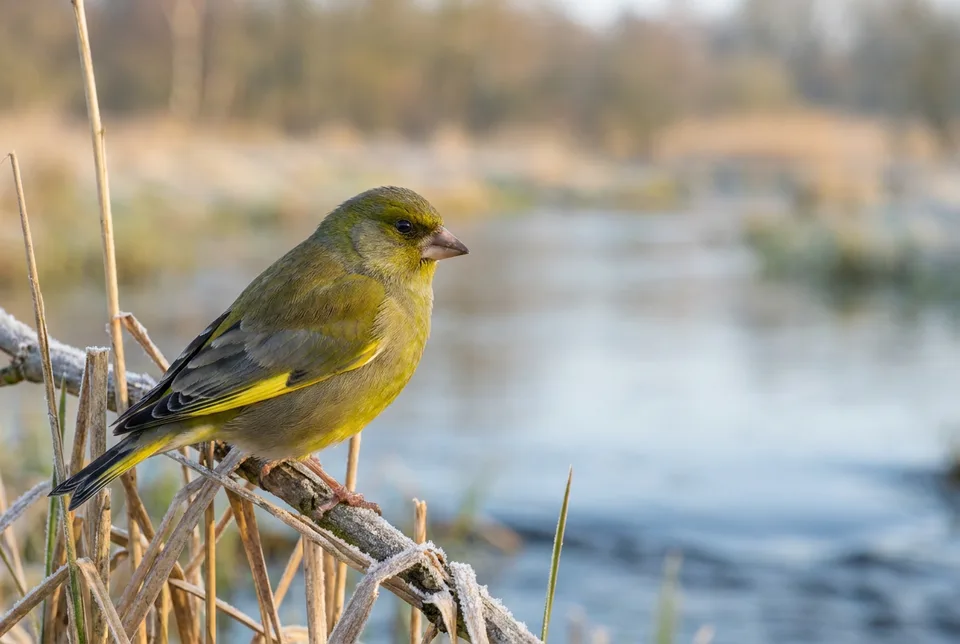
European Greenfinch in wetland habitat — Saone, River Cruises wildlifeAI-modified
Home›River Cruises›River Wildlife›European Greenfinch

European GreenfinchChloris chlorisWhere and when to see them

Previous speciesEuropean Green WoodpeckerNext speciesEuropean Hedgehog

European Greenfinch at a glance

The European greenfinch is a robust seed-eater, built around a much heavier bill than that of a goldfinch. It uses a mixture of woody cover and open feeding areas, making hedges, gardens and park edges relevant even beside a major river. Its rolling calls and wheezing song can reveal birds hidden in foliage before the yellow wing patches are seen. The familiar appearance should not obscure its conservation story: trichomonosis has caused serious declines in some populations, especially well documented in Britain. That regional history is not itself a measurement of the Saône population, but it explains why feeding behaviour and sick birds deserve careful interpretation. The registry associates greenfinch with the lower Saône promenade upstream of the Rhône confluence. Search the vegetation and seed resources of that landscape, not the water surface, and retain the specific locality of each encounter.
Behaviour & reproduction

Size
Species-specific measurement not verified in retrieved sources
Weight
Species-specific weight not verified
Lifespan
Species-specific lifespan not verified
Status
See sourced assessment

Greenfinches form feeding groups outside breeding and may visit gardens or other concentrated food sources. Singing males can use conspicuous perches and display flights, while quieter birds remain within foliage. Nesting usually involves a cup supported in woody cover. BTO gives a typical clutch of four or five eggs and usually two broods. The female incubates for about fourteen days; dependent chicks generally leave the nest around two weeks after hatching. A family group is therefore not necessarily a set of fully independent adults, and juvenile begging or feeding interactions can add useful behavioural evidence. Outside the breeding period, flock size and movements may be shaped by available seed rather than a permanent attachment to one tree. A bird repeatedly trying to swallow or feed unsuccessfully should not be interpreted simply as normal seed handling, particularly where other signs suggest disease.

Top wildlife locations

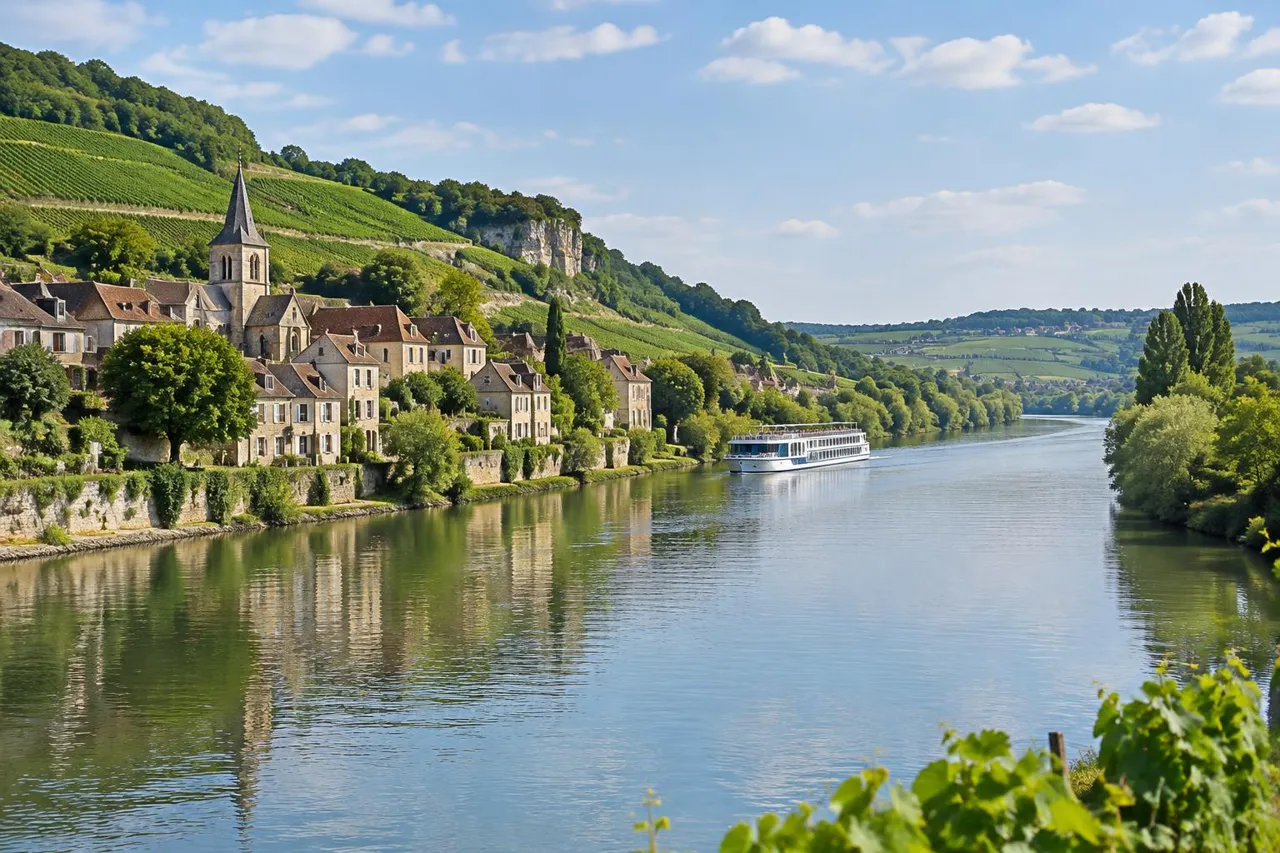
Saone river landscape — River Cruises wildlife habitatAI-modified

Saone

Lower Saône: Grand Lyon Rives de Saône promenade, Rochetaillée-sur-Saône–Fontaines-sur-Saône–Lyon, upstream of the Rhône confluence.
Explore river cruises

Destinations describe the species' habitat, not guaranteed cruise stops. Some animals require an optional inland excursion or are found in restricted reserves.

Fun facts about the European Greenfinch

  • The heavy bill handles and cracks seeds.
  • Females are duller than adult males.
  • Juveniles show more streaking.
  • Yellow occurs in both the wings and tail.
  • The song includes a distinctive wheezing phrase.
  • A typical clutch contains four or five eggs.
  • The female incubates for about fourteen days.
  • Two broods are usual.
  • Trichomonosis can prevent successful swallowing and feeding.

Best time to see the European Greenfinch

Greenfinches can occur throughout the year in much of western Europe, with breeding pairs and later feeding flocks producing different kinds of encounter. A spring singer and an autumn group at a seed source are not evidence of equal local abundance. The lower-Saône registry source does not supply a species-specific monthly series, so numerical viewing months remain empty. British declines associated with trichomonosis also should not be converted into a French seasonal absence claim. For a particular walk, check current reports and the condition of seed-bearing patches rather than relying on the species' former reputation as a universally common garden bird. A food source can draw birds for a short period and then become exhausted. Woody cover may conceal greenfinches even when calls show they are nearby, making listening and patient watching useful across seasons without establishing a verified local best month.

European Greenfinch: season matrix by destination

Highlighted months reflect the stated local evidence, not guaranteed encounters. Neutral months mean no verified monthly viewing window, not absence. Observation records and recommended viewing windows are distinct.

Saone

Exact local species-specific monthly viewing evidence has not been verified; no monthly calendar is inferred.

JanFebMarAprMayJunJulAugSepOctNovDec
Explore river cruises

Where the European Greenfinch lives

Hedges, shrubs, trees and adjoining open ground provide a useful habitat mosaic. Dense woody vegetation offers shelter and nesting cover, while gardens, weedy patches, field edges and feeding stations can supply food. The species need not occupy the wettest part of a riverside park. Along the lower Saône, planted promenade sections and neighbouring gardens may be more relevant than a reed-fringed inlet or bare quay. Habitat quality depends on both cover and resources: a neat ornamental hedge without nearby seed sources is not the same as a varied edge supporting feeding birds. Flocks can move among several patches, so a single empty stop is not evidence that the reach is unsuitable. Conversely, a garden feeder attracting birds does not demonstrate a breeding territory in the adjoining river vegetation. The retained occurrence record does not resolve current territories or population size within the named communes.

What the European Greenfinch eats

The thick conical bill is suited to handling and cracking seeds. Greenfinches use seeds from a range of plants and may also take buds, berries and some animal material, rather than depending on one iconic food source. At feeders they can hold and process larger items more readily than a fine-billed goldfinch. Watch whether a bird removes the husk and swallows normally; feeding attempts alone do not demonstrate successful intake. RSPB notes that trichomonosis can prevent normal feeding, so prolonged difficulty swallowing is biologically relevant but not sufficient for a field diagnosis by itself. On the Saône promenade, observe natural seed patches where possible and do not introduce communal feeding merely to attract a view. The retained local evidence provides no diet breakdown. Specific plant species, consumption rates and the contribution of supplied food should therefore remain unquantified unless directly observed and accurately identified.

Species at a glance

Common name
European Greenfinch
Scientific name
Chloris chloris
Animal group
Birds
Size
Species-specific measurement not verified in retrieved sources
Weight
Species-specific weight not verified
Lifespan
Species-specific lifespan not verified
Status
Current global category not independently verified; regional conservation statements must not be presented as a global assessment.
Identification
A greenfinch looks broad-headed and heavy-billed beside a goldfinch or siskin. Adult males can be strongly yellow-green, with conspicuous yellow in the wing and sides of the tail. Females are duller and greyer-brown, so subdued plumage is not evidence against the species. Juveniles resemble the duller birds but are more streaked, making structure and the yellow wing area especially useful. The bill is a strong diagnostic feature: it is thicker and less delicate than a goldfinch's, and the adult lacks the latter's red facial mask. In flight, brief yellow flashes can be helpful but are not unique among finches. The drawn-out wheezing song provides supporting evidence when a singer is concealed. Do not assign sex or age solely from brightness in poor light, where a male can appear dull and a sunlit female unexpectedly yellow.

European Greenfinch: frequently asked questions

Where can I see the European Greenfinch?
Saone. Begin at a hedge or tree line beside open feeding ground and listen for the wheezing song or repeated contact notes. Once a bird is found, compare its thick bill and broad head with any goldfinches nearby. A mixed flock offers a useful structural comparison but can also encourage careless identification from yellow flashes alone. Wait for a settled view before assigning sex, and look for juvenile streaking if young birds are suspected. Record whether birds are feeding on plants, on the ground or at a feeder. If one appears unable to swallow, keep your distance and avoid adding food or water that might concentrate more birds; a single visual sign is not a confirmed diagnosis. Keep the observation attached to the actual lower-Saône promenade section rather than extending it to the Rhône confluence or the whole river corridor.
When is the best time to see the European Greenfinch?
Greenfinches can occur throughout the year in much of western Europe, with breeding pairs and later feeding flocks producing different kinds of encounter. A spring singer and an autumn group at a seed source are not evidence of equal local abundance. The lower-Saône registry source does not supply a species-specific monthly series, so numerical viewing months remain empty. British declines associated with trichomonosis also should not be converted into a French seasonal absence claim. For a particular walk, check current reports and the condition of seed-bearing patches rather than relying on the species' former reputation as a universally common garden bird. A food source can draw birds for a short period and then become exhausted. Woody cover may conceal greenfinches even when calls show they are nearby, making listening and patient watching useful across seasons without establishing a verified local best month.
How big does the European Greenfinch get?
Species-specific measurement not verified in retrieved sources. Adult weight: Species-specific weight not verified. Size varies with age, sex and population.
How should I behave around the European Greenfinch?
Begin at a hedge or tree line beside open feeding ground and listen for the wheezing song or repeated contact notes. Once a bird is found, compare its thick bill and broad head with any goldfinches nearby. A mixed flock offers a useful structural comparison but can also encourage careless identification from yellow flashes alone. Wait for a settled view before assigning sex, and look for juvenile streaking if young birds are suspected. Record whether birds are feeding on plants, on the ground or at a feeder. If one appears unable to swallow, keep your distance and avoid adding food or water that might concentrate more birds; a single visual sign is not a confirmed diagnosis. Keep the observation attached to the actual lower-Saône promenade section rather than extending it to the Rhône confluence or the whole river corridor.
What does the European Greenfinch eat?
The thick conical bill is suited to handling and cracking seeds. Greenfinches use seeds from a range of plants and may also take buds, berries and some animal material, rather than depending on one iconic food source. At feeders they can hold and process larger items more readily than a fine-billed goldfinch. Watch whether a bird removes the husk and swallows normally; feeding attempts alone do not demonstrate successful intake. RSPB notes that trichomonosis can prevent normal feeding, so prolonged difficulty swallowing is biologically relevant but not sufficient for a field diagnosis by itself. On the Saône promenade, observe natural seed patches where possible and do not introduce communal feeding merely to attract a view. The retained local evidence provides no diet breakdown. Specific plant species, consumption rates and the contribution of supplied food should therefore remain unquantified unless directly observed and accurately identified.
Are wildlife sightings guaranteed on a river cruise?
No. Animals move freely and routes, weather, access restrictions and local conditions influence every outing. Confirm the actual itinerary and shore program before booking.

Compare wildlife in the same destinations

Explore other birds recorded in these destinations. Similar surroundings do not mean the animals share the same habits or viewing season.

Species comparison by animal group and destination
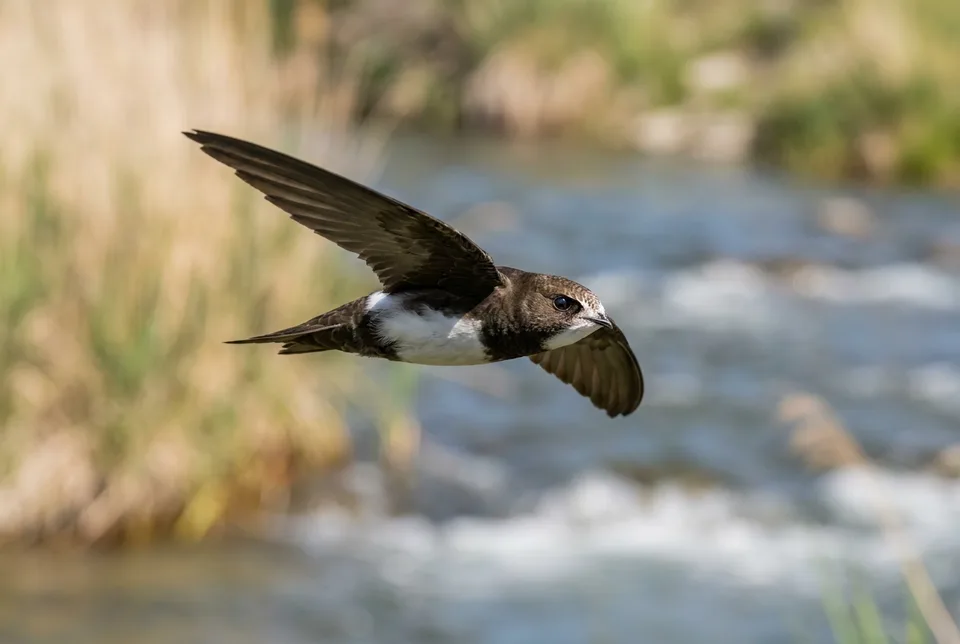
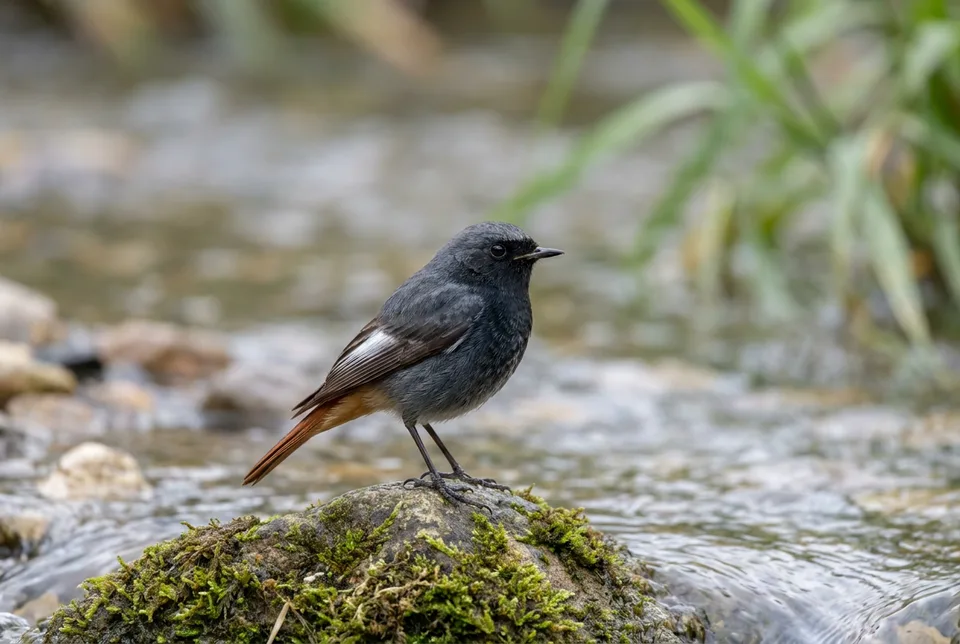
European Greenfinch in wetland habitat — Saone, River Cruises wildlifeAI-modifiedEuropean GreenfinchAlpine Swift in wetland habitat — Saone, River Cruises wildlifeAI-modifiedAlpine SwiftBlack Redstart in wetland habitat — Saone, Douro, River Cruises wildlifeAI-modifiedBlack Redstart
Animal groupBirdsAnimal groupBirdsAnimal groupBirds
DestinationsSaoneDestinationsSaoneDestinationsSaone, Douro
Scientific name
Chloris chloris
Scientific name
Scientific name
Previous speciesEuropean Green WoodpeckerNext speciesEuropean Hedgehog
All river wildlife
On this page
  • 01About
  • 02Behaviour & reproduction
  • 03Top wildlife locations
  • 04Fun facts
  • 05Best season
  • 06Season matrix by destination
  • 07Habitat
  • 08Diet
  • 09Species at a glance
  • 10Questions & answers
  • 11Compare

Find your river cruise

AI-modified
Plan your trip

Find your next river journey

Compare destinations, shore programs and dates with the animals and habitats you would love to see.

  • Daily shore excursions
  • Responsible wildlife watching
  • Boutique river ships
Explore river cruises