Bluerides – Blue Rides - Book Liveaboards worldwideOCEAN ADVENTURES
River CruisesRiversNature & WildlifeOur Promise
River CruisesRiversNature & WildlifeOur PromiseSign In

River destinations

  • River destinations
  • Amazon
  • Danube
  • Rhine
  • Mekong
  • Nile

Ships & departures

  • River Cruise Search
  • Deals

Nature & Wildlife

  • Nature & Wildlife

Travel support

  • Our Promise
  • Contact

Contact

Get in Touch

Get in touch anytime, we're happy to help you find the right trip or sort out any question.

EmailWrite us, we usually reply within a few hours.
contact@bluerides.com
WhatsAppChat with us on WhatsApp, Mon–Fri 10:00–16:00 (CET).
Start WhatsApp Chat
PhoneCall us, we're happy to help.
Free call, Mon–Fri 10 AM – 8 PM (CET).
Europe+49 800 1144 990USA+1 888 557 7735UK+44 800 707 4152Australia+61 2 8599 6113Canada+1 888 557 7735
Which river journey is yours?Answer 8 quick questions and find the river cruise that fits you.
8 questions, 1 minute·Plus Gift
Secure Payment MethodsYour payments are fully secured with AES-256 encryption.
Powered byStripeWiseAMEXPayGoogle PaySEPABank
Imprint·Terms & Conditions·Privacy Policy·About·Contact·Liability Waiver·Affiliate Program·Cruise·Blog·
Visit us here

© 2026 Blue Rides. All rights reserved.

Bluerides – Blue Rides - Book Liveaboards worldwideOCEAN ADVENTURES
River CruisesRiversNature & WildlifeOur Promise
River CruisesRiversNature & WildlifeOur PromiseSign In
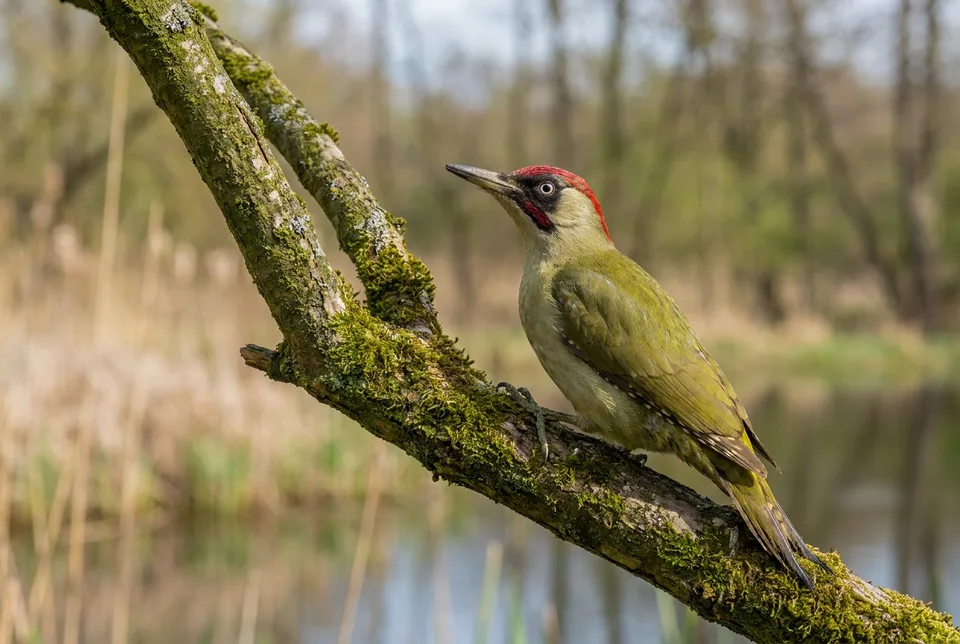
European Green Woodpecker in wetland habitat — Saone, River Cruises wildlifeAI-modified
Home›River Cruises›River Wildlife›European Green Woodpecker

European Green WoodpeckerPicus viridisWhere and when to see them

Previous speciesEuropean GoldfinchNext speciesEuropean Greenfinch

European Green Woodpecker at a glance

The European green woodpecker is unusual among familiar woodpeckers because much of its feeding takes place on the ground. Ant-rich short turf can matter more during a feeding watch than an impressive expanse of tree trunks. Trees remain essential to its life cycle as nesting and shelter structures, creating a dependence on a mosaic rather than either grassland or woodland alone. Its loud laughing call explains the traditional name yaffle and often gives away a bird that is otherwise well hidden. The species can be shy despite living in parks and other managed landscapes. Along the lower Saône registry reach, look for the combination of mature trees and accessible grassy patches between Rochetaillée-sur-Saône, Fontaines-sur-Saône and Lyon. The record is a riverside-landscape association; it does not make the bird aquatic or imply that it should be visible from every passing vessel.
Behaviour & reproduction

Size
Species-specific measurement not verified in retrieved sources
Weight
Species-specific weight not verified
Lifespan
Species-specific lifespan not verified
Status
See sourced assessment

A feeding green woodpecker can spend an extended period working one ant-rich patch, making repeated movements of the bill and tongue close to the ground. When disturbed, it may bound away in undulating flight and land out of sight behind vegetation. The laughing call can therefore be easier to obtain than a prolonged view. Breeding takes place in a tree cavity, with a typical clutch of four to six eggs. Both sexes incubate; BTO gives about eighteen to twenty days for incubation and roughly three weeks from hatching to fledging. The young hatch naked and dependent, unlike the downy mobile chicks of ground-nesting waders. A tree carrying a nesting cavity and a lawn used for feeding can be separate parts of the same territory. Adults travelling repeatedly between them should be watched from a distance rather than followed to the entrance.

Top wildlife locations

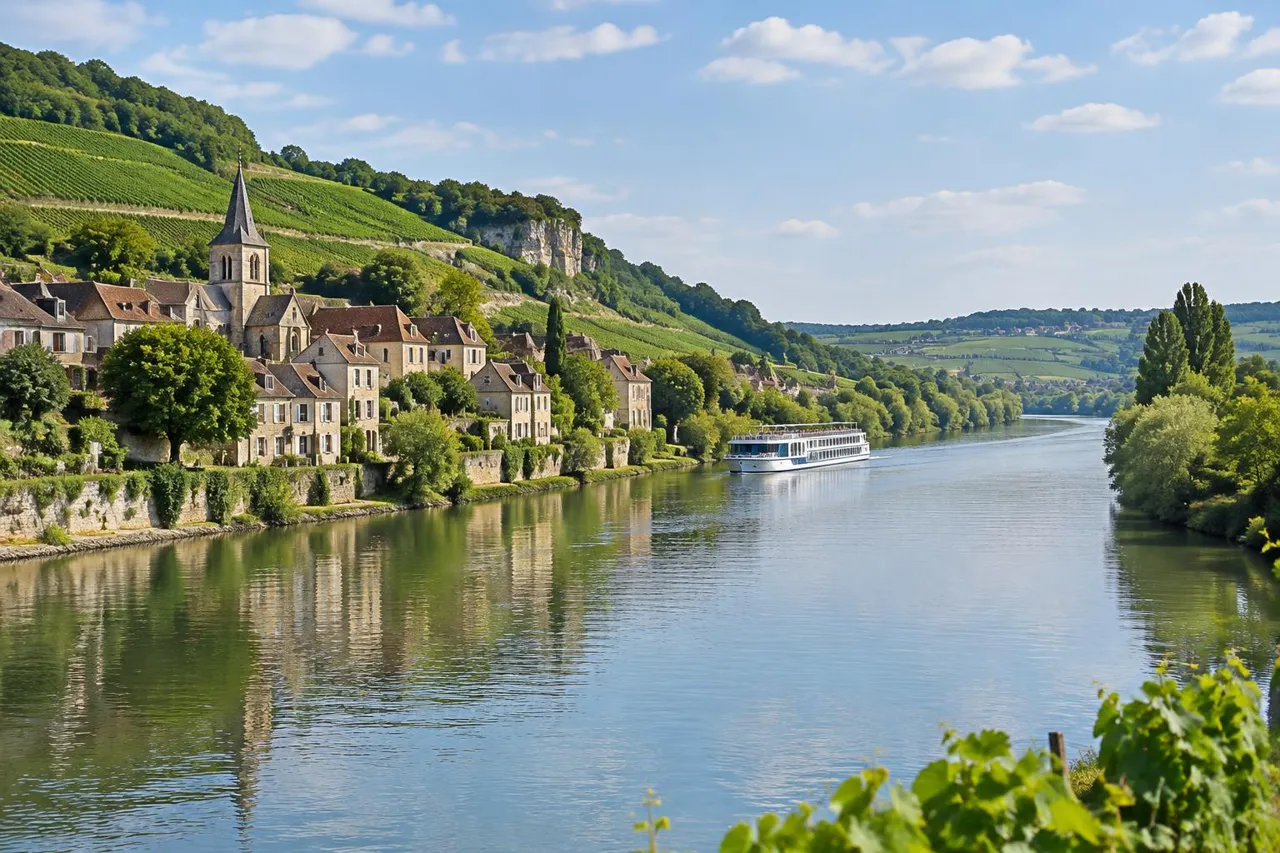
Saone river landscape — River Cruises wildlife habitatAI-modified

Saone

Lower Saône: Grand Lyon Rives de Saône promenade, Rochetaillée-sur-Saône–Fontaines-sur-Saône–Lyon, upstream of the Rhône confluence.
Explore river cruises

Destinations describe the species' habitat, not guaranteed cruise stops. Some animals require an optional inland excursion or are found in restricted reserves.

Fun facts about the European Green Woodpecker

  • Ants are the principal food.
  • Short turf provides access to ant nests.
  • A long tongue collects prey during ground feeding.
  • Trees and open feeding areas form complementary habitat.
  • Both sexes have red crowns.
  • Only the male has red in the moustachial stripe.
  • Juveniles are more heavily spotted and barred than adults.
  • Both parents incubate four to six eggs.
  • Young hatch naked and dependent in a tree cavity.

Best time to see the European Green Woodpecker

This is generally a resident species rather than a long-distance seasonal visitor, so the most useful changes through the year concern activity and detectability. Territorial calling and breeding behaviour can make birds noticeable, while feeding individuals may be quiet and easily missed in short grass. Hard ground or snow can restrict access to ants in parts of the range, but the retrieved lower-Saône source does not quantify local weather effects or supply monthly encounter rates. No numerical months are added. A quiet walk when grassy patches can be scanned without heavy foot traffic is a practical observation choice, not a proven local seasonal peak. Recent calls or sightings from a particular promenade section are more informative than treating the entire Lyon reach as uniformly occupied. A bird's presence in one season also does not establish the position or success of a nest later in the year.

European Green Woodpecker: season matrix by destination

Highlighted months reflect the stated local evidence, not guaranteed encounters. Neutral months mean no verified monthly viewing window, not absence. Observation records and recommended viewing windows are distinct.

Saone

Exact local species-specific monthly viewing evidence has not been verified; no monthly calendar is inferred.

JanFebMarAprMayJunJulAugSepOctNovDec
Explore river cruises

Where the European Green Woodpecker lives

The key habitat structure is open feeding ground close to suitable trees. Park lawns, orchard grass, woodland rides and similar short-turf areas can hold accessible ant nests. Dense, closed vegetation may conceal birds and make ground feeding more difficult, while mature trees offer the structures needed for cavity nesting. A treeless lawn is therefore not a complete description of the habitat, and dense woodland without open feeding patches is not necessarily the best search area. On the lower Saône promenade, inspect grassy openings near established trees rather than scanning only riparian foliage. Human use can make some promising lawns temporarily unavailable, so quieter edges may be more revealing than a busy picnic area. The retained local source establishes the named promenade reach, not a map of current territories. An apparent cavity should not be assumed occupied without behaviour observed from an appropriate distance.

What the European Green Woodpecker eats

Ants form the principal food documented by BTO, which specifically describes birds feeding at ant nests in garden lawns and woodland rides. A green woodpecker uses its bill to investigate the ground and its long tongue to collect prey. Workers and other stages available within an ant colony make a nest a concentrated food source, so repeated attention to one small area is understandable. This is not the same feeding method as a woodpecker searching bark for concealed larvae, even though the bird is capable of perching and excavating. Watch the position of the head and the repetition of short feeding movements rather than expecting dramatic blows at a trunk. A lawn visit does not show that all green woodpecker food comes from grass. No local Saône prey study was retrieved, so naming an ant species or assigning a precise dietary percentage would exceed the evidence.

Species at a glance

Common name
European Green Woodpecker
Scientific name
Picus viridis
Animal group
Birds
Size
Species-specific measurement not verified in retrieved sources
Weight
Species-specific weight not verified
Lifespan
Species-specific lifespan not verified
Status
Current global category not independently verified; regional conservation statements must not be presented as a global assessment.
Identification
Green upperparts, a paler belly, a vivid yellow rump and a red crown identify the general pattern. The face is dark around the eye. The most useful sex difference is in the moustachial stripe: the male has a red centre, while the female's stripe lacks that red. Both sexes have a red cap, so crown colour alone does not distinguish them. Juveniles are much more spotted and barred than adults and can look unexpectedly untidy while retaining the basic green-and-yellow impression. In flight, the yellow rump and bounding trajectory are often more visible than the head pattern. The loud laughing call supports identification but should be associated with an actual location before assuming the bird is in the nearest tree. Avoid confusing a brief green flash with other park birds; wait for a perched view or a second flight that reveals the whole shape.

European Green Woodpecker: frequently asked questions

Where can I see the European Green Woodpecker?
Saone. Listen for the laughing call, then scan lawns and short-grass margins before searching high branches. A bird feeding below a tree can be obscured by a small rise in the ground, so a fixed patient view often works better than walking directly towards the sound. If it flies, note the yellow rump and follow only with optics; repeated approaches can keep a shy bird moving without producing a better observation. Once settled, compare the moustachial stripe if the angle and light are adequate, but leave sex unassigned when the red centre cannot be resolved. Juvenile spotting is worth noting if a family is present. Record the exact lower-Saône promenade section and whether the bird was feeding, calling or commuting. Do not inspect cavities or stand beneath a repeatedly used entrance merely to obtain evidence of breeding.
When is the best time to see the European Green Woodpecker?
This is generally a resident species rather than a long-distance seasonal visitor, so the most useful changes through the year concern activity and detectability. Territorial calling and breeding behaviour can make birds noticeable, while feeding individuals may be quiet and easily missed in short grass. Hard ground or snow can restrict access to ants in parts of the range, but the retrieved lower-Saône source does not quantify local weather effects or supply monthly encounter rates. No numerical months are added. A quiet walk when grassy patches can be scanned without heavy foot traffic is a practical observation choice, not a proven local seasonal peak. Recent calls or sightings from a particular promenade section are more informative than treating the entire Lyon reach as uniformly occupied. A bird's presence in one season also does not establish the position or success of a nest later in the year.
How big does the European Green Woodpecker get?
Species-specific measurement not verified in retrieved sources. Adult weight: Species-specific weight not verified. Size varies with age, sex and population.
How should I behave around the European Green Woodpecker?
Listen for the laughing call, then scan lawns and short-grass margins before searching high branches. A bird feeding below a tree can be obscured by a small rise in the ground, so a fixed patient view often works better than walking directly towards the sound. If it flies, note the yellow rump and follow only with optics; repeated approaches can keep a shy bird moving without producing a better observation. Once settled, compare the moustachial stripe if the angle and light are adequate, but leave sex unassigned when the red centre cannot be resolved. Juvenile spotting is worth noting if a family is present. Record the exact lower-Saône promenade section and whether the bird was feeding, calling or commuting. Do not inspect cavities or stand beneath a repeatedly used entrance merely to obtain evidence of breeding.
What does the European Green Woodpecker eat?
Ants form the principal food documented by BTO, which specifically describes birds feeding at ant nests in garden lawns and woodland rides. A green woodpecker uses its bill to investigate the ground and its long tongue to collect prey. Workers and other stages available within an ant colony make a nest a concentrated food source, so repeated attention to one small area is understandable. This is not the same feeding method as a woodpecker searching bark for concealed larvae, even though the bird is capable of perching and excavating. Watch the position of the head and the repetition of short feeding movements rather than expecting dramatic blows at a trunk. A lawn visit does not show that all green woodpecker food comes from grass. No local Saône prey study was retrieved, so naming an ant species or assigning a precise dietary percentage would exceed the evidence.
Are wildlife sightings guaranteed on a river cruise?
No. Animals move freely and routes, weather, access restrictions and local conditions influence every outing. Confirm the actual itinerary and shore program before booking.

Compare wildlife in the same destinations

Explore other birds recorded in these destinations. Similar surroundings do not mean the animals share the same habits or viewing season.

Species comparison by animal group and destination
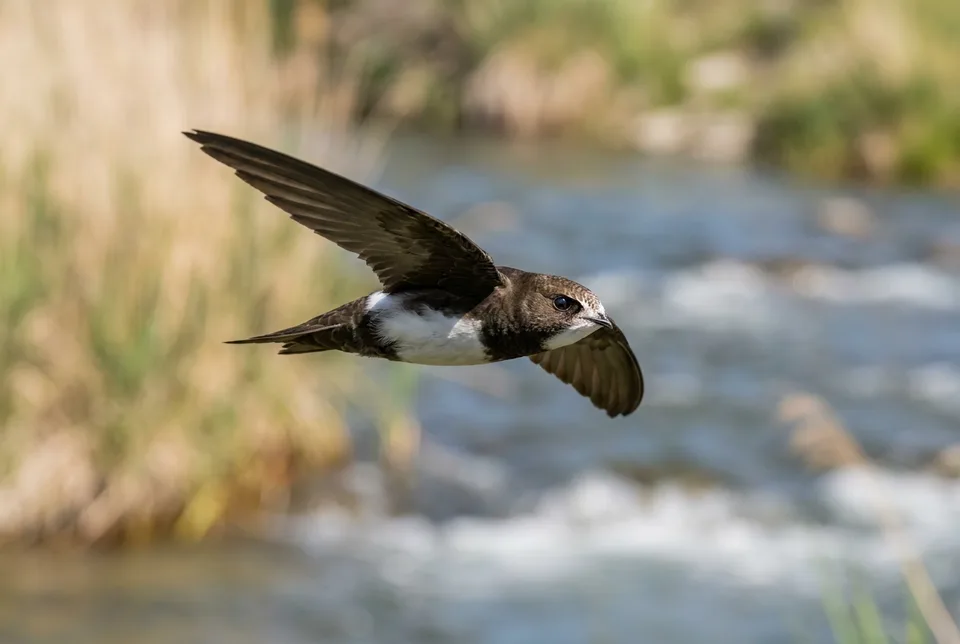
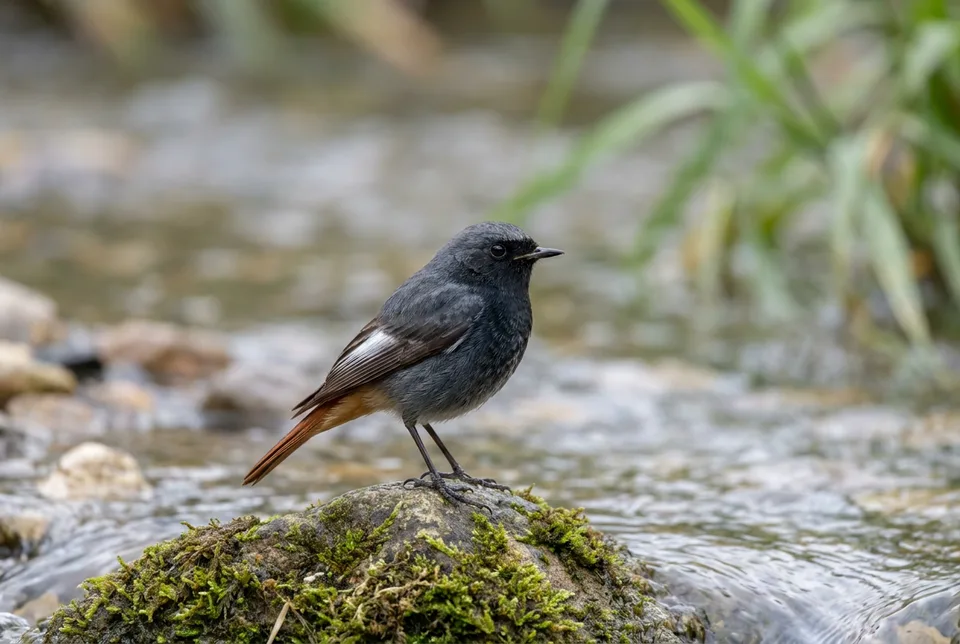
European Green Woodpecker in wetland habitat — Saone, River Cruises wildlifeAI-modifiedEuropean Green WoodpeckerAlpine Swift in wetland habitat — Saone, River Cruises wildlifeAI-modifiedAlpine SwiftBlack Redstart in wetland habitat — Saone, Douro, River Cruises wildlifeAI-modifiedBlack Redstart
Animal groupBirdsAnimal groupBirdsAnimal groupBirds
DestinationsSaoneDestinationsSaoneDestinationsSaone, Douro
Scientific name
Picus viridis
Scientific name
Scientific name
Previous speciesEuropean GoldfinchNext speciesEuropean Greenfinch
All river wildlife
On this page
  • 01About
  • 02Behaviour & reproduction
  • 03Top wildlife locations
  • 04Fun facts
  • 05Best season
  • 06Season matrix by destination
  • 07Habitat
  • 08Diet
  • 09Species at a glance
  • 10Questions & answers
  • 11Compare

Find your river cruise

AI-modified
Plan your trip

Find your next river journey

Compare destinations, shore programs and dates with the animals and habitats you would love to see.

  • Daily shore excursions
  • Responsible wildlife watching
  • Boutique river ships
Explore river cruises