Bluerides – Blue Rides - Book Liveaboards worldwideOCEAN ADVENTURES
River CruisesRiversNature & WildlifeOur Promise
River CruisesRiversNature & WildlifeOur PromiseSign In

River destinations

  • River destinations
  • Amazon
  • Danube
  • Rhine
  • Mekong
  • Nile

Ships & departures

  • River Cruise Search
  • Deals

Nature & Wildlife

  • Nature & Wildlife

Travel support

  • Our Promise
  • Contact

Contact

Get in Touch

Get in touch anytime, we're happy to help you find the right trip or sort out any question.

EmailWrite us, we usually reply within a few hours.
contact@bluerides.com
WhatsAppChat with us on WhatsApp, Mon–Fri 10:00–16:00 (CET).
Start WhatsApp Chat
PhoneCall us, we're happy to help.
Free call, Mon–Fri 10 AM – 8 PM (CET).
Europe+49 800 1144 990USA+1 888 557 7735UK+44 800 707 4152Australia+61 2 8599 6113Canada+1 888 557 7735
Which river journey is yours?Answer 8 quick questions and find the river cruise that fits you.
8 questions, 1 minute·Plus Gift
Secure Payment MethodsYour payments are fully secured with AES-256 encryption.
Powered byStripeWiseAMEXPayGoogle PaySEPABank
Imprint·Terms & Conditions·Privacy Policy·About·Contact·Liability Waiver·Affiliate Program·Cruise·Blog·
Visit us here

© 2026 Blue Rides. All rights reserved.

Bluerides – Blue Rides - Book Liveaboards worldwideOCEAN ADVENTURES
River CruisesRiversNature & WildlifeOur Promise
River CruisesRiversNature & WildlifeOur PromiseSign In
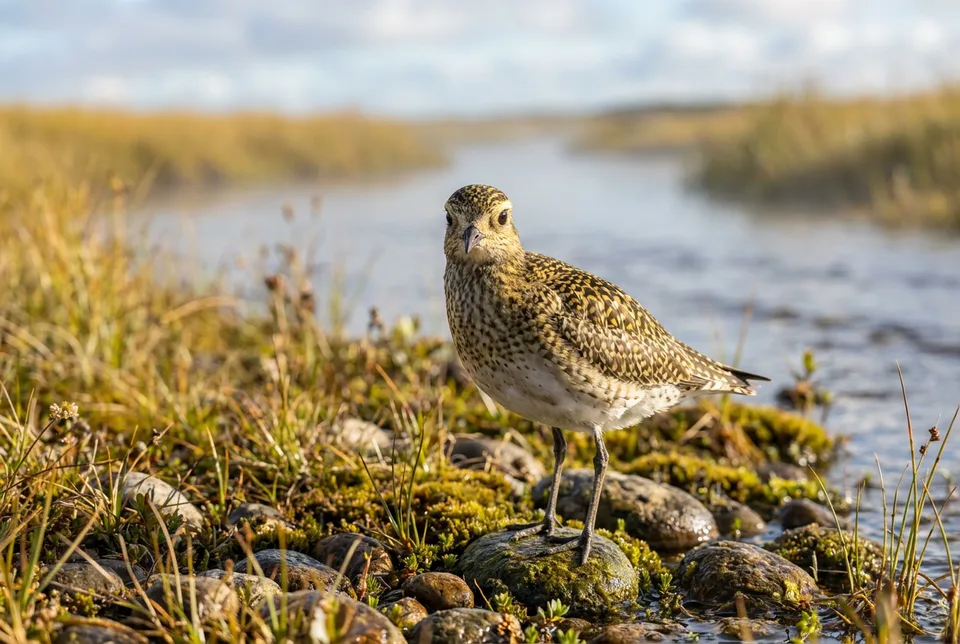
European Golden Plover in wetland habitat — Douro, River Cruises wildlifeAI-modified
Home›River Cruises›River Wildlife›European Golden Plover

European Golden PloverPluvialis apricariaWhere and when to see them

Previous speciesEuropean Fire-bellied ToadNext speciesEuropean Goldfinch

European Golden Plover at a glance

The European golden plover alternates between breeding landscapes of short upland vegetation and nonbreeding gatherings on open lowland ground. It is a visual hunter, using a characteristic run-and-pause rhythm rather than continuously probing deep mud. The seasonal change in plumage is striking: a bird with black underparts in breeding condition can become a much paler-looking winter wader while retaining the finely spangled upperparts. Outside breeding, flocks often associate with lapwings, so finding the group may be easier than picking out each plover at first. BTO documents large lowland winter gatherings in Britain and Ireland, but those patterns are not a Portuguese monthly calendar. The Douro registry entry is specifically the Porto–Vila Nova de Gaia estuary reserve. It does not imply a breeding population in the river valley or routine sightings from an inland vessel passing the vineyards.
Behaviour & reproduction

Size
Species-specific measurement not verified in retrieved sources
Weight
Species-specific weight not verified
Lifespan
Species-specific lifespan not verified
Status
See sourced assessment

A golden plover often stands upright to look, runs a short distance and stops again before taking prey. The pauses are part of visual searching, not inactivity. Breeding birds use calls and display to advertise territories and become conspicuous when alarmed near chicks. Nesting takes place in a ground scrape, usually with four eggs. BTO gives an incubation period of twenty-eight to thirty-one days and downy, precocial young that take roughly twenty-five to thirty-three days to fledge. Thus chicks can leave the nest well before flight is possible. Outside breeding, birds become much more gregarious, forming flocks that may include lapwings. A flock turning in coordinated flight can change from bright to dark as the angle of the wings changes. At the Douro, those feeding, resting and flocking behaviours are more relevant to an estuary watch than territorial upland displays.

Top wildlife locations

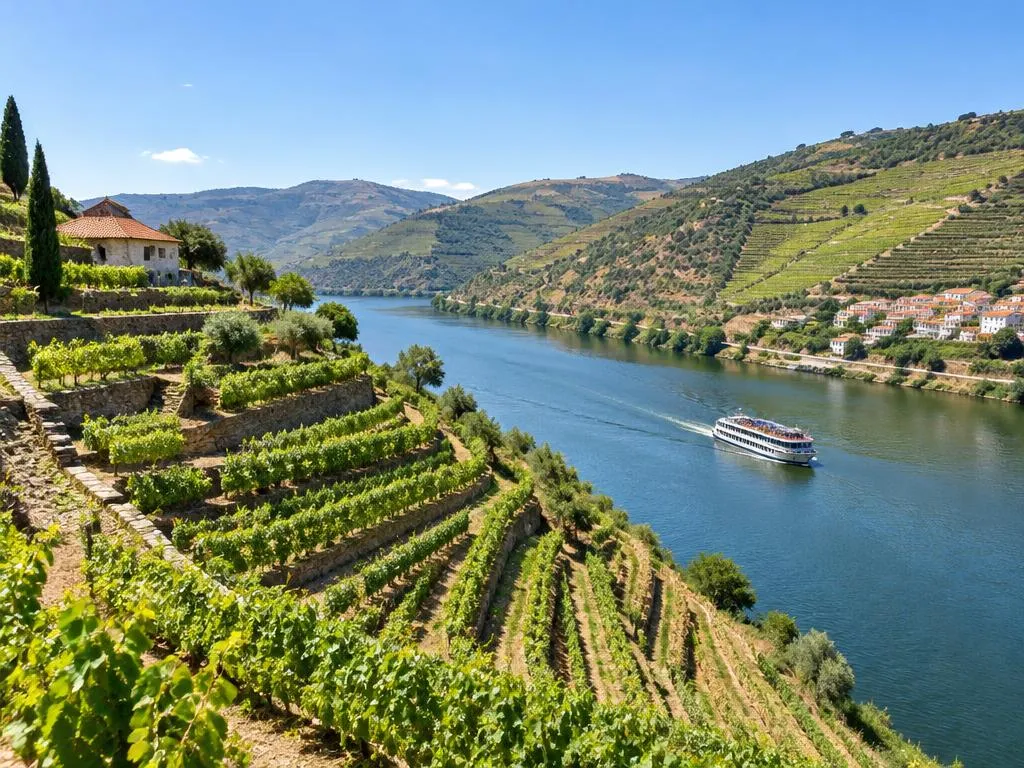
Douro river landscape — River Cruises wildlife habitatAI-modified

Douro

Porto / Vila Nova de Gaia: Douro estuary reserve, Afurada–Cabedelo–São Paio; NOT a claim for inland Régua–Pinhão
Explore river cruises

Destinations describe the species' habitat, not guaranteed cruise stops. Some animals require an optional inland excursion or are found in restricted reserves.

Fun facts about the European Golden Plover

  • Golden plovers hunt with a run-and-pause rhythm.
  • Nonbreeding flocks often mix with lapwings.
  • Nests are shallow scrapes on the ground.
  • The usual clutch contains four eggs.
  • Incubation takes roughly four weeks.
  • Downy chicks leave the nest before they can fly.
  • Lowland farmland is important outside breeding.
  • Grey plover shows black axillaries in flight.
  • Seasonal moult transforms the appearance of the underparts.

Best time to see the European Golden Plover

The wider ecological expectation is for open-ground flocking outside the breeding season, but the retained Douro record does not supply a verified local arrival date, departure date or monthly abundance series. Northern breeding-ground timing described in British sources cannot establish the best viewing period at Porto. No numbered months are assigned. Seasonal plumage also changes what observers see: a pale-bellied flock is consistent with nonbreeding appearance and does not represent a different species simply because it lacks a black belly. On a particular visit, recent counts and the location of open feeding areas are more informative than a borrowed calendar. Weather and disturbance can shift flocks between fields and shore roosts. A report of birds in the reserve should therefore be checked for its precise locality and activity before treating it as evidence that they will be visible from an estuary viewpoint throughout the day.

European Golden Plover: season matrix by destination

Highlighted months reflect the stated local evidence, not guaranteed encounters. Neutral months mean no verified monthly viewing window, not absence. Observation records and recommended viewing windows are distinct.

Douro

Exact local species-specific monthly viewing evidence has not been verified; no monthly calendar is inferred.

JanFebMarAprMayJunJulAugSepOctNovDec
Explore river cruises

Where the European Golden Plover lives

Open ground with low vegetation is more important than a generic association with water. On breeding grounds, moorland and other short upland vegetation provide visibility and space for ground nesting. During the nonbreeding period, lowland grassland and farmland can become important, often alongside wetland roosting areas. Golden plovers should therefore not be searched for only at the edge of deep water or among reeds. Within the Douro estuary reserve, scan open short turf, exposed ground and suitable margins in the local habitat mosaic, as well as checking mixed wader gatherings. The reserve association does not specify that every mudflat is equally suitable or that the birds spend all their time inside the boundary. Feeding and resting areas may be separated. A carefully recorded field or shore locality is more useful than simply attaching the name Douro to any flock seen near Porto.

What the European Golden Plover eats

Golden plovers take small animal prey from open ground, commonly using sight to locate items and a short bill to pick them up. Earthworms, beetles and other invertebrates are important examples; the food available changes between upland breeding terrain and lowland winter feeding areas. The stop–run–stop sequence lets a bird inspect the surface before moving to the next opportunity. It is quite different from the repeated deep probing of a curlew. Damp ground can make some prey more accessible, but standing water alone does not define a feeding site. When watching a mixed flock, compare the plovers' quick dashes and pauses with the methods of accompanying lapwings or longer-billed waders. Exact prey often cannot be identified through binoculars. The existing Douro occurrence source contains no local diet study, so neither a Portuguese prey species list nor a seasonal food percentage is justified here.

Species at a glance

Common name
European Golden Plover
Scientific name
Pluvialis apricaria
Animal group
Birds
Size
Species-specific measurement not verified in retrieved sources
Weight
Species-specific weight not verified
Lifespan
Species-specific lifespan not verified
Status
Current global category not independently verified; regional conservation statements must not be presented as a global assessment.
Identification
Look for a compact plover with a short dark bill, upright posture and fine golden spotting across the upperparts. Breeding plumage includes dark face and underparts bordered by pale feathering, while nonbreeding birds are much paler below. The degree of black varies with sex, population and stage of moult, so a partially dark bird should not be forced into a simple male-or-female label. Juveniles and winter adults require more care than fully coloured breeding birds. Grey plover is the key comparison: it generally looks heavier-billed and greyer, and in flight shows conspicuous black axillaries that European golden plover lacks. Colour can be misleading in low light, making structure, flight pattern and calls useful supporting evidence. Do not use golden tones alone to exclude scarcer plover species; an unfamiliar bird merits photographs and expert review rather than a confident identification from one distant glimpse.

European Golden Plover: frequently asked questions

Where can I see the European Golden Plover?
Douro. Scan open fields and short vegetation around the registered estuary reserve before restricting the search to the waterline. Check lapwing groups carefully for smaller, more compact golden plovers standing among them. A telescope is useful when the birds are resting with heads drawn in, because posture alone can conceal their proportions. Follow one active bird through its run-and-pause sequence and look for the short bill and golden-spangled back. If a flock flies, note the underwing and whether any birds show the black armpit patches of grey plover. Avoid flushing a group to obtain that view; wait for a natural movement. Photograph uncertain birds from the established viewpoint and record whether they were on turf, bare ground or tidal shore. Keep the locality at Porto–Vila Nova de Gaia rather than extending the observation inland along the Douro itinerary.
When is the best time to see the European Golden Plover?
The wider ecological expectation is for open-ground flocking outside the breeding season, but the retained Douro record does not supply a verified local arrival date, departure date or monthly abundance series. Northern breeding-ground timing described in British sources cannot establish the best viewing period at Porto. No numbered months are assigned. Seasonal plumage also changes what observers see: a pale-bellied flock is consistent with nonbreeding appearance and does not represent a different species simply because it lacks a black belly. On a particular visit, recent counts and the location of open feeding areas are more informative than a borrowed calendar. Weather and disturbance can shift flocks between fields and shore roosts. A report of birds in the reserve should therefore be checked for its precise locality and activity before treating it as evidence that they will be visible from an estuary viewpoint throughout the day.
How big does the European Golden Plover get?
Species-specific measurement not verified in retrieved sources. Adult weight: Species-specific weight not verified. Size varies with age, sex and population.
How should I behave around the European Golden Plover?
Scan open fields and short vegetation around the registered estuary reserve before restricting the search to the waterline. Check lapwing groups carefully for smaller, more compact golden plovers standing among them. A telescope is useful when the birds are resting with heads drawn in, because posture alone can conceal their proportions. Follow one active bird through its run-and-pause sequence and look for the short bill and golden-spangled back. If a flock flies, note the underwing and whether any birds show the black armpit patches of grey plover. Avoid flushing a group to obtain that view; wait for a natural movement. Photograph uncertain birds from the established viewpoint and record whether they were on turf, bare ground or tidal shore. Keep the locality at Porto–Vila Nova de Gaia rather than extending the observation inland along the Douro itinerary.
What does the European Golden Plover eat?
Golden plovers take small animal prey from open ground, commonly using sight to locate items and a short bill to pick them up. Earthworms, beetles and other invertebrates are important examples; the food available changes between upland breeding terrain and lowland winter feeding areas. The stop–run–stop sequence lets a bird inspect the surface before moving to the next opportunity. It is quite different from the repeated deep probing of a curlew. Damp ground can make some prey more accessible, but standing water alone does not define a feeding site. When watching a mixed flock, compare the plovers' quick dashes and pauses with the methods of accompanying lapwings or longer-billed waders. Exact prey often cannot be identified through binoculars. The existing Douro occurrence source contains no local diet study, so neither a Portuguese prey species list nor a seasonal food percentage is justified here.
Are wildlife sightings guaranteed on a river cruise?
No. Animals move freely and routes, weather, access restrictions and local conditions influence every outing. Confirm the actual itinerary and shore program before booking.

Compare wildlife in the same destinations

Explore other birds recorded in these destinations. Similar surroundings do not mean the animals share the same habits or viewing season.

Species comparison by animal group and destination
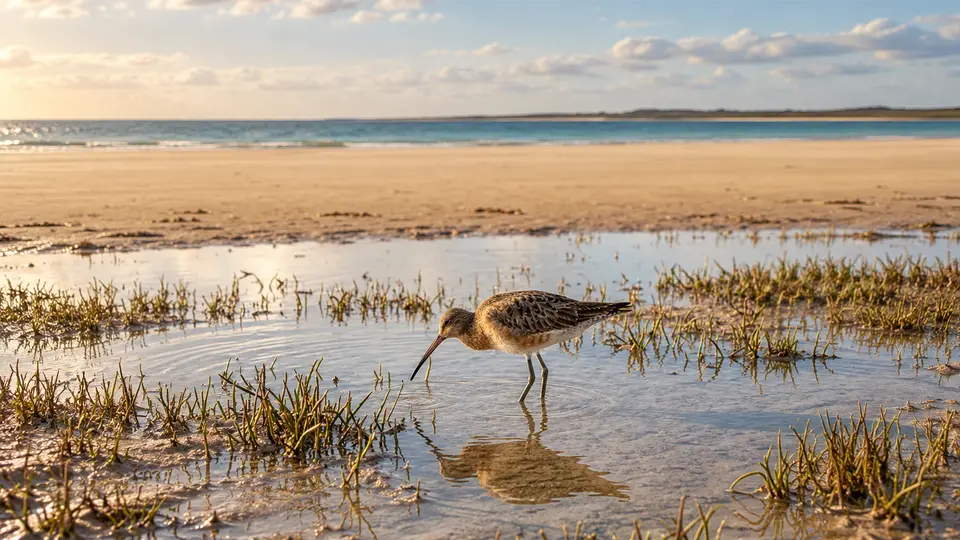
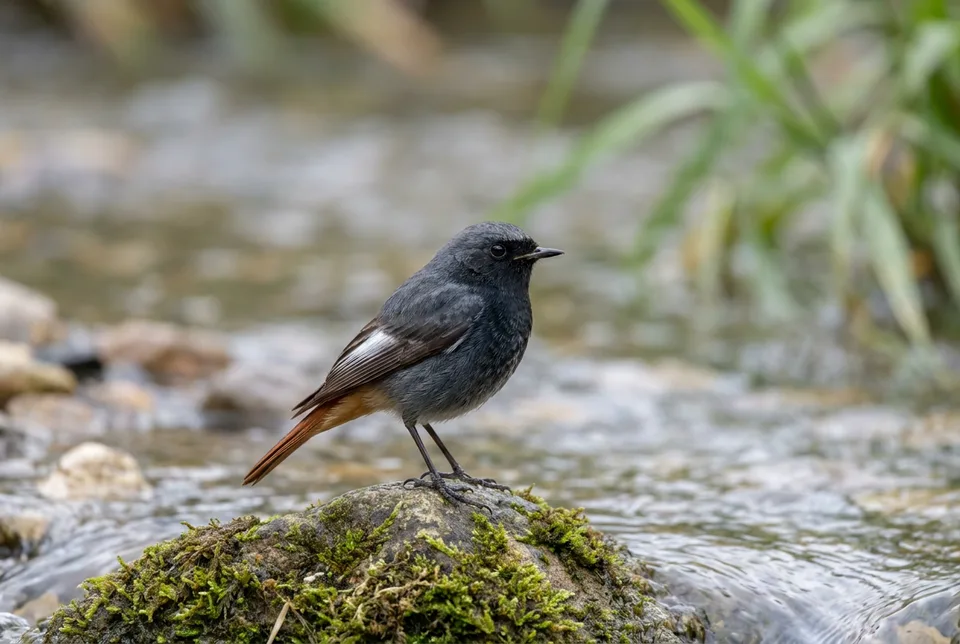
European Golden Plover in wetland habitat — Douro, River Cruises wildlifeAI-modifiedEuropean Golden PloverBar-tailed godwit in wetland habitat — Douro, River Cruises wildlifeAI-modifiedBar-tailed godwitBlack Redstart in wetland habitat — Saone, Douro, River Cruises wildlifeAI-modifiedBlack Redstart
Animal groupBirdsAnimal groupBirdsAnimal groupBirds
DestinationsDouroDestinationsDouroDestinationsSaone, Douro
Scientific name
Pluvialis apricaria
Scientific name
Scientific name
Previous speciesEuropean Fire-bellied ToadNext speciesEuropean Goldfinch
All river wildlife
On this page
  • 01About
  • 02Behaviour & reproduction
  • 03Top wildlife locations
  • 04Fun facts
  • 05Best season
  • 06Season matrix by destination
  • 07Habitat
  • 08Diet
  • 09Species at a glance
  • 10Questions & answers
  • 11Compare

Find your river cruise

AI-modified
Plan your trip

Find your next river journey

Compare destinations, shore programs and dates with the animals and habitats you would love to see.

  • Daily shore excursions
  • Responsible wildlife watching
  • Boutique river ships
Explore river cruises