Bluerides – Blue Rides - Book Liveaboards worldwideOCEAN ADVENTURES
River CruisesRiversNature & WildlifeOur Promise
River CruisesRiversNature & WildlifeOur PromiseSign In

River destinations

  • River destinations
  • Amazon
  • Danube
  • Rhine
  • Mekong
  • Nile

Ships & departures

  • River Cruise Search
  • Deals

Nature & Wildlife

  • Nature & Wildlife

Travel support

  • Our Promise
  • Contact

Contact

Get in Touch

Get in touch anytime, we're happy to help you find the right trip or sort out any question.

EmailWrite us, we usually reply within a few hours.
contact@bluerides.com
WhatsAppChat with us on WhatsApp, Mon–Fri 10:00–16:00 (CET).
Start WhatsApp Chat
PhoneCall us, we're happy to help.
Free call, Mon–Fri 10 AM – 8 PM (CET).
Europe+49 800 1144 990USA+1 888 557 7735UK+44 800 707 4152Australia+61 2 8599 6113Canada+1 888 557 7735
Which river journey is yours?Answer 8 quick questions and find the river cruise that fits you.
8 questions, 1 minute·Plus Gift
Secure Payment MethodsYour payments are fully secured with AES-256 encryption.
Powered byStripeWiseAMEXPayGoogle PaySEPABank
Imprint·Terms & Conditions·Privacy Policy·About·Contact·Liability Waiver·Affiliate Program·Cruise·
Visit us here

© 2026 Blue Rides. All rights reserved.·

Bluerides – Blue Rides - Book Liveaboards worldwideOCEAN ADVENTURES
River CruisesRiversNature & WildlifeOur Promise
River CruisesRiversNature & WildlifeOur PromiseSign In
Eurasian Bittern in wetland habitat — Seine, River Cruises wildlife
Home›River Cruises›River Wildlife›Eurasian Bittern

Eurasian BitternBotaurus stellarisWhere and when to see them

Previous speciesEurasian BeaverNext speciesEurasian Blackcap

Eurasian Bittern at a glance

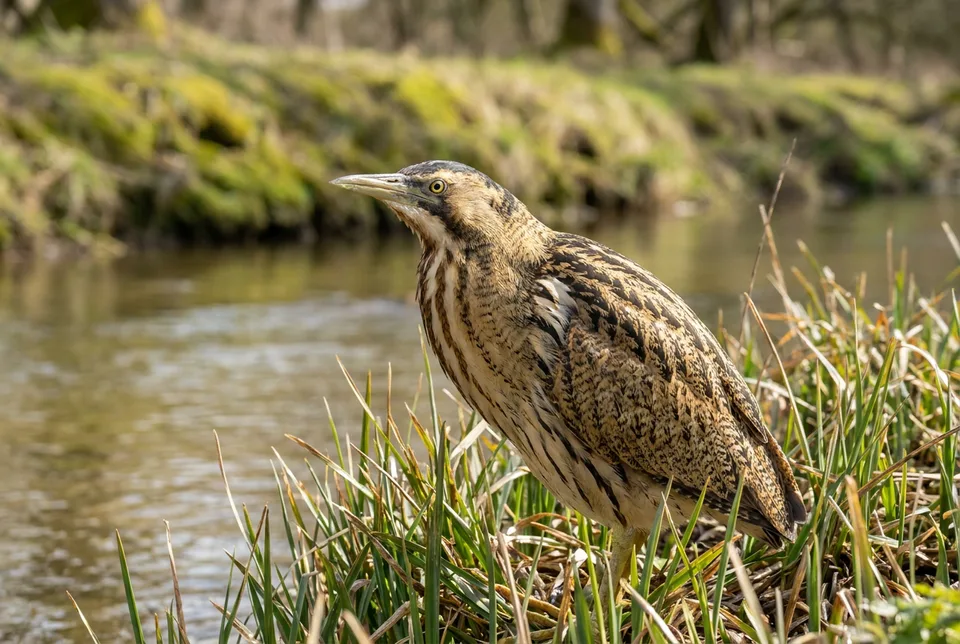
The Eurasian Bittern is a reedbed heron whose elaborate brown pattern makes an exceptionally effective disguise. It can be present without offering a clear view. The Seine association is Grande Noë at Val-de-Reuil, a floodplain lake excursion inside the Léry-Poses loop rather than an expectation from a main-channel ship. Species background source: https://www.wildlifetrusts.org/wildlife-explorer/birds/herons-egrets-spoonbill-and-crane/bittern

Behaviour & reproduction

Size
70–80 cm (28–31 in) body length; wingspan about 1.3 m (4.3 ft).
Weight
1–1.5 kg (2.2–3.3 lb).
Lifespan
Maximum 11 years reported by The Wildlife Trusts; not a verified average.
Status
LPO Normandie reports Vulnerable on the French breeding-bird Red List. The Wildlife Trusts reports UK Amber; global assessment not verified.

The Wildlife Trusts describes long motionless periods that help the bird avoid detection. Male breeding calls are deep booming sounds, but that behaviour must not be promised to winter visitors. A winter bird hidden among reeds may reveal itself only through movement or a short flight across a gap.

Top wildlife locations

Seine river landscape — River Cruises wildlife habitat

Seine

Grande Noë reserve, Val-de-Reuil, inside Seine loop at Léry-Poses between Les Andelys and Rouen; shore excursion to floodplain gravel-pit lake, not main-channel deck evidence. Viewing: Very elusive reeds; winter best; often heard rather than seen. Use public hides; sightings not guaranteed.
Explore river cruises

Destinations describe the species' habitat, not guaranteed cruise stops. Some animals require an optional inland excursion or are found in restricted reserves.

Fun facts about the Eurasian Bittern

  • It is a heron.
  • Its patterned plumage conceals it among reeds.
  • It can stand motionless for long periods.
  • Males produce deep booming calls.
  • Fish including eels are recorded prey.
  • Grande Noë is a lake excursion, not deck evidence.
  • A reported maximum age is not average lifespan.

Best time to see the Eurasian Bittern

The registry recommends winter, and regional LPO evidence confirms that Normandy receives additional wintering birds. However, a verified recurring numerical calendar for Grande Noë itself was not located. Regional occurrence and breeding dates elsewhere cannot supply the missing local month range. The month array is therefore empty.

Eurasian Bittern: season matrix by destination

Highlighted months reflect the stated local evidence, not guaranteed encounters. Neutral months mean no verified monthly viewing window, not absence. Observation records and recommended viewing windows are distinct.

Seine

Regional winter context only, not a Grande Noë monthly calendar. Registry winter guidance retained qualitatively.

JanFebMarAprMayJunJulAugSepOctNovDec
Explore river cruises

Where the Eurasian Bittern lives

Large reedbeds supply concealment and feeding habitat. At Grande Noë, attention belongs on vegetated lake margins seen from public observatories, not exposed shipping banks. LPO's account discusses Normandy more broadly; breeding information from the Seine estuary cannot be transferred to this inland reserve.

What the Eurasian Bittern eats

The Wildlife Trusts explicitly lists eels and other fish as prey. This supports a fish-eating description without establishing that all food is fish or that eels dominate at Grande Noë. A local dietary study, prey proportions and winter feeding timetable were not verified.

Species at a glance

Common name
Eurasian Bittern
Scientific name
Botaurus stellaris
Animal group
Birds
Size
70–80 cm (28–31 in) body length; wingspan about 1.3 m (4.3 ft).
Weight
1–1.5 kg (2.2–3.3 lb).
Lifespan
Maximum 11 years reported by The Wildlife Trusts; not a verified average.
Status
LPO Normandie reports Vulnerable on the French breeding-bird Red List. The Wildlife Trusts reports UK Amber; global assessment not verified.
Identification
Look for pale brown plumage heavily streaked and mottled with beige and black. Its bulky heron shape may become clearer during flight than during a concealed standing view. A tan patch in reeds is not sufficient: look for the head, bill and coherent body outline before confirming identification.

Eurasian Bittern: frequently asked questions

Where can I see the Eurasian Bittern?
Seine. Use open public hides and inspect reed edges slowly with binoculars or a telescope. Stay patient when the bird disappears behind stems. Do not play calls or enter reedbeds. Check current access: reserve accounts describe maintenance and changes to viewing structures, so old descriptions are not access guarantees.
When is the best time to see the Eurasian Bittern?
The registry recommends winter, and regional LPO evidence confirms that Normandy receives additional wintering birds. However, a verified recurring numerical calendar for Grande Noë itself was not located. Regional occurrence and breeding dates elsewhere cannot supply the missing local month range. The month array is therefore empty.
How big does the Eurasian Bittern get?
70–80 cm (28–31 in) body length; wingspan about 1.3 m (4.3 ft).. Adult weight: 1–1.5 kg (2.2–3.3 lb).. Size varies with age, sex and population.
How should I behave around the Eurasian Bittern?
Use open public hides and inspect reed edges slowly with binoculars or a telescope. Stay patient when the bird disappears behind stems. Do not play calls or enter reedbeds. Check current access: reserve accounts describe maintenance and changes to viewing structures, so old descriptions are not access guarantees.
What does the Eurasian Bittern eat?
The Wildlife Trusts explicitly lists eels and other fish as prey. This supports a fish-eating description without establishing that all food is fish or that eels dominate at Grande Noë. A local dietary study, prey proportions and winter feeding timetable were not verified.
Are wildlife sightings guaranteed on a river cruise?
No. Animals move freely and routes, weather, access restrictions and local conditions influence every outing. Confirm the actual itinerary and shore program before booking.

Compare wildlife in the same destinations

Explore other birds recorded in these destinations. Similar surroundings do not mean the animals share the same habits or viewing season.

Species comparison by animal group and destination
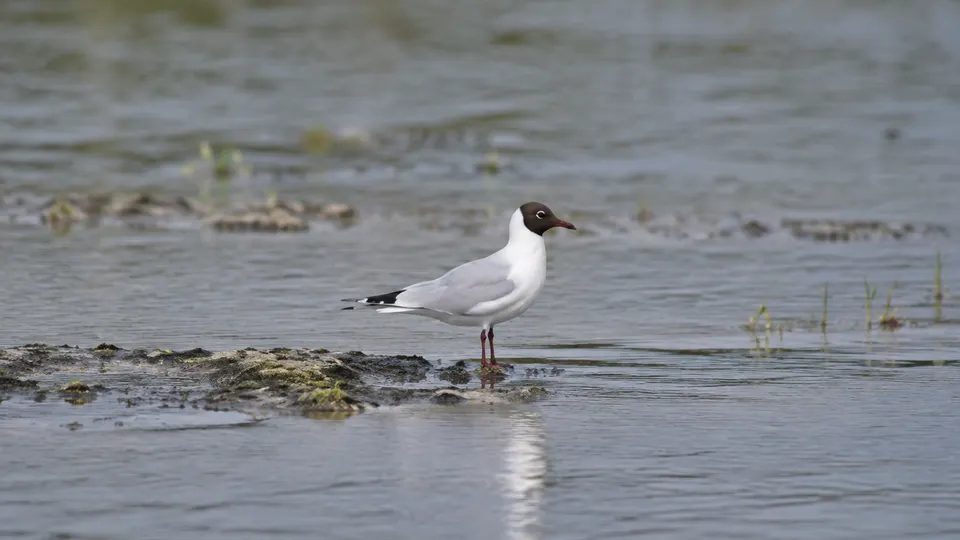
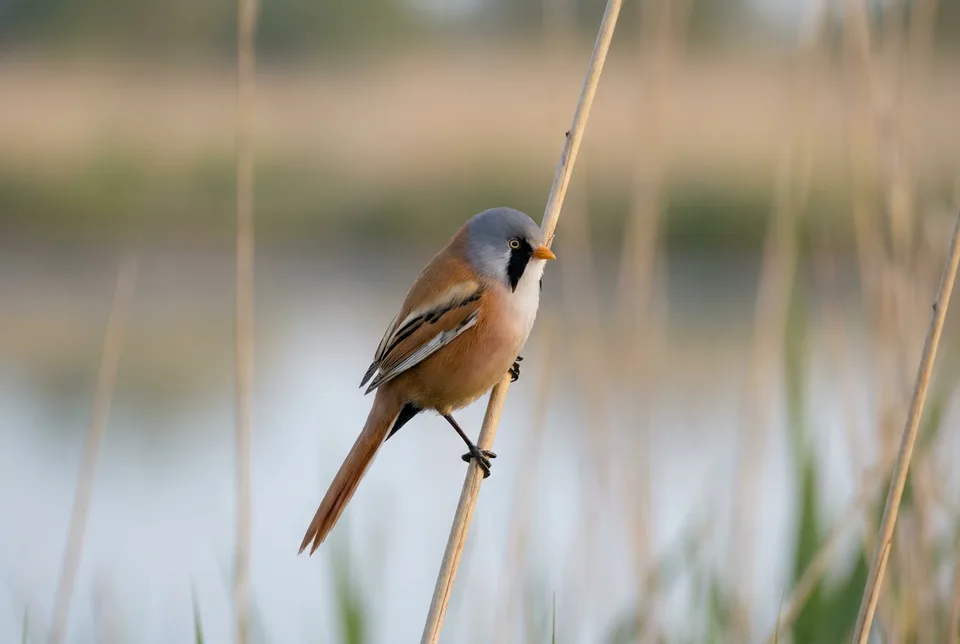
Eurasian Bittern in wetland habitat — Seine, River Cruises wildlifeEurasian BitternBearded Reedling in wetland habitat — Seine, River Cruises wildlifeBearded ReedlingBlack-headed gull in wetland habitat — Saone, Seine, Nile, Douro, River Cruises wildlifeBlack-Headed Gull
Animal groupBirdsAnimal groupBirdsAnimal groupBirds
DestinationsSeineDestinationsSeineDestinationsSaone, Seine, Nile, Douro
Scientific name
Botaurus stellaris
Scientific name
Scientific name
Previous speciesEurasian BeaverNext speciesEurasian Blackcap
All river wildlife
On this page
  • 01About
  • 02Behaviour & reproduction
  • 03Top wildlife locations
  • 04Fun facts
  • 05Best season
  • 06Season matrix by destination
  • 07Habitat
  • 08Diet
  • 09Species at a glance
  • 10Questions & answers
  • 11Compare

Find your river cruise

Plan your trip

Find your next river journey

Compare destinations, shore programs and dates with the animals and habitats you would love to see.

  • Daily shore excursions
  • Responsible wildlife watching
  • Boutique river ships
Explore river cruises