Bluerides – Blue Rides - Book Liveaboards worldwideOCEAN ADVENTURES
River CruisesRiversNature & WildlifeOur Promise
River CruisesRiversNature & WildlifeOur PromiseSign In

River destinations

  • River destinations
  • Amazon
  • Danube
  • Rhine
  • Mekong
  • Nile

Ships & departures

  • River Cruise Search
  • Deals

Nature & Wildlife

  • Nature & Wildlife

Travel support

  • Our Promise
  • Contact

Contact

Get in Touch

Get in touch anytime, we're happy to help you find the right trip or sort out any question.

EmailWrite us, we usually reply within a few hours.
contact@bluerides.com
WhatsAppChat with us on WhatsApp, Mon–Fri 10:00–16:00 (CET).
Start WhatsApp Chat
PhoneCall us, we're happy to help.
Free call, Mon–Fri 10 AM – 8 PM (CET).
Europe+49 800 1144 990USA+1 888 557 7735UK+44 800 707 4152Australia+61 2 8599 6113Canada+1 888 557 7735
Which river journey is yours?Answer 8 quick questions and find the river cruise that fits you.
8 questions, 1 minute·Plus Gift
Secure Payment MethodsYour payments are fully secured with AES-256 encryption.
Powered byStripeWiseAMEXPayGoogle PaySEPABank
Imprint·Terms & Conditions·Privacy Policy·About·Contact·Liability Waiver·Affiliate Program·Cruise·
Visit us here

© 2026 Blue Rides. All rights reserved.·

Bluerides – Blue Rides - Book Liveaboards worldwideOCEAN ADVENTURES
River CruisesRiversNature & WildlifeOur Promise
River CruisesRiversNature & WildlifeOur PromiseSign In
Common Pochard in wetland habitat — Seine, River Cruises wildlife
Home›River Cruises›River Wildlife›Common Pochard

Common PochardAythya ferinaWhere and when to see them

Previous speciesCommon MerganserNext speciesCommon Potoo

Common Pochard at a glance

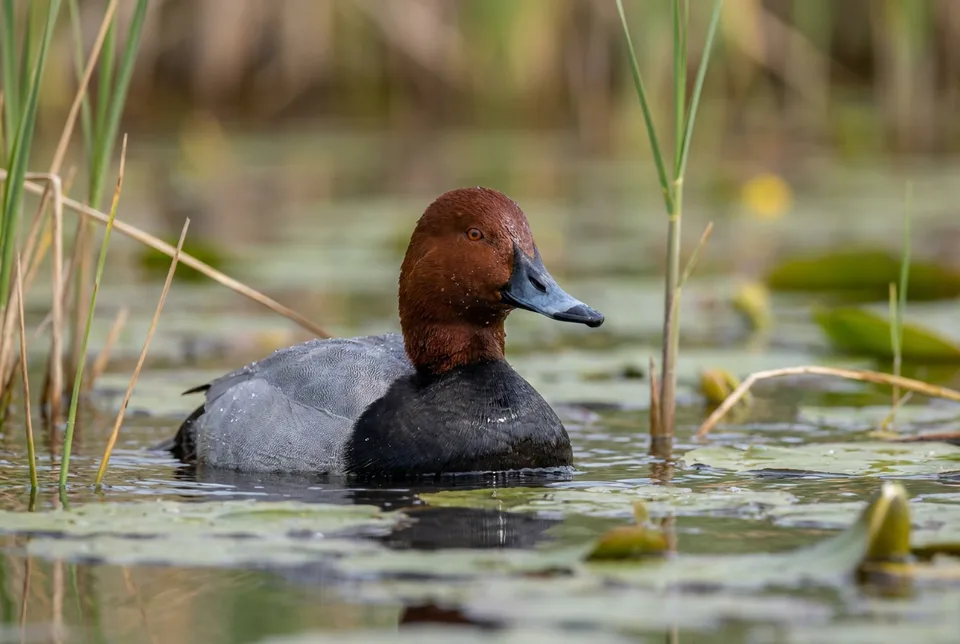
The Common Pochard is a diving duck, registered as Aythya ferina and named fuligule milouin in the French reserve account. An adult male in winter or spring has a reddish-brown head, black breast and tail, and a pale grey body. Females are browner and greyer, with paler cheeks, and are less immediately distinctive. Male appearance also changes during eclipse plumage, when the bright breeding pattern becomes subdued. The registered Seine association is not a main-channel observation: it is Grande Noë reserve at Val-de-Reuil, inside the Seine loop at Léry-Poses between Les Andelys and Rouen. The tourism authority lists the species among birds using the reserve’s lakes. Viewing therefore requires a shore excursion to the floodplain gravel-pit setting, using its designated observation facilities rather than expecting pochards beside a passing ship.
Behaviour & reproduction

Size
Not independently verified in the retrieved evidence
Weight
Not independently verified in the retrieved evidence
Lifespan
Not independently verified in the retrieved evidence
Status
See sourced assessment

Pochards repeatedly dive to feed, then rest or preen on the water between feeding bouts. A group may appear inactive for a time before several birds begin diving, so patient watching is more useful than judging the lake from one scan. Individuals can associate with other diving ducks, including Tufted Ducks, which the Grande Noë account also lists. Mixed groups make identification more interesting but require each bird to be checked separately. Seasonal plumage changes can alter the apparent balance of males and females if observers assume every brownish bird is female. During eclipse, males become less conspicuous and resemble females more closely. At a reserve hide, watch natural spacing, feeding and resting without tapping windows or trying to make birds lift their heads. Flight caused by disturbance costs energy and can move a flock away from a useful feeding or refuge area.

Top wildlife locations

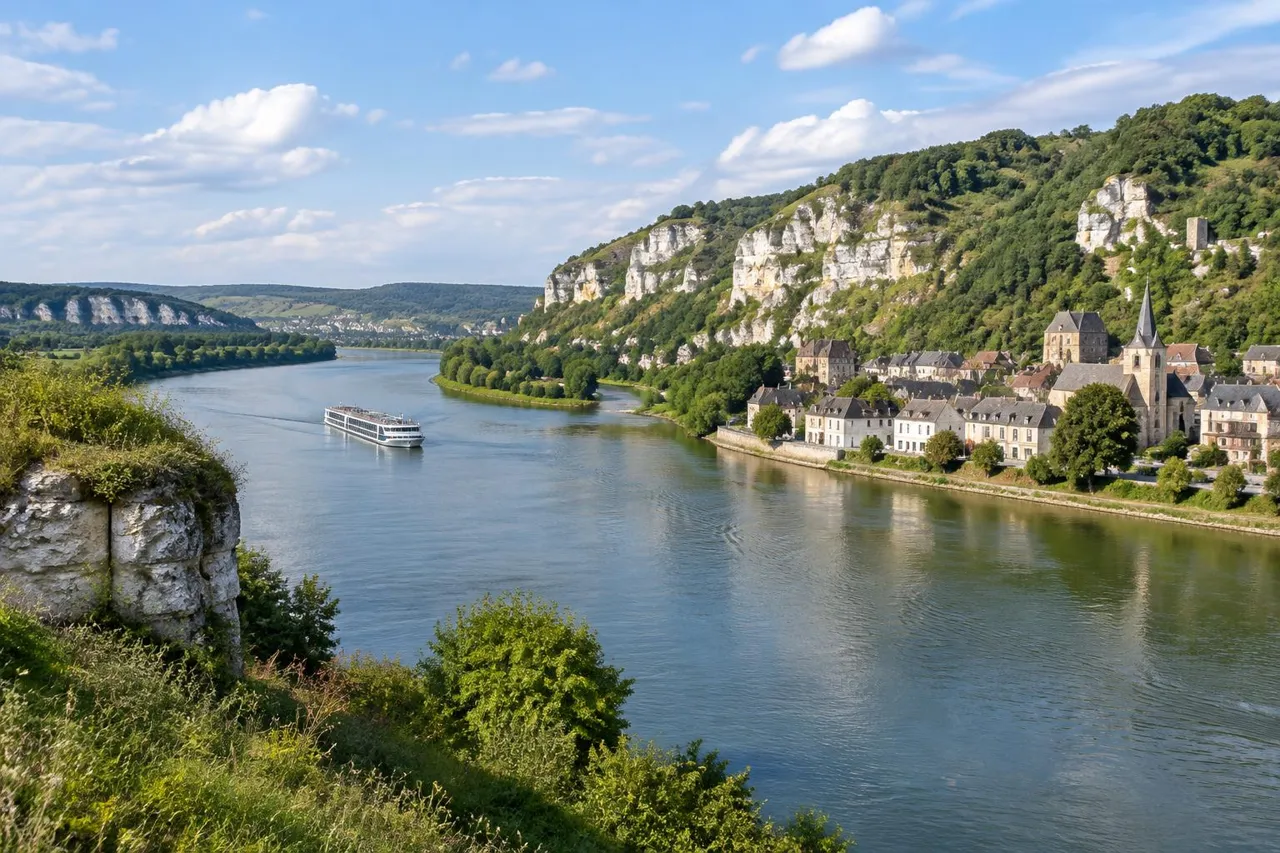
Seine river landscape — River Cruises wildlife habitat

Seine

Grande Noë reserve, Val-de-Reuil, inside Seine loop at Léry-Poses between Les Andaly[s] and Rouen; shore excursion to floodplain gravel-pit lake, not main-channel deck evidence.
Explore river cruises

Destinations describe the species' habitat, not guaranteed cruise stops. Some animals require an optional inland excursion or are found in restricted reserves.

Fun facts about the Common Pochard

  • The registry identity is Aythya ferina.
  • The French local name is fuligule milouin.
  • Common Pochard is a diving duck.
  • A well-marked male has a reddish-brown head.
  • The male’s breast is black.
  • Its pale grey body contrasts with the dark front and rear.
  • Females have a browner, less contrasting appearance.
  • Eclipse males can resemble females.
  • The registered Seine evidence comes from a floodplain lake excursion.

Best time to see the Common Pochard

The retrieved Grande Noë tourism page directly lists Common Pochard but does not provide a species-specific monthly calendar. Although the existing registry research recommends winter viewing, that recommendation is not converted here into numbered months without direct local species season evidence. The monthly array remains empty. The reserve is an important place for migrating and wintering waterbirds generally, but broad site seasonality must not be treated as proof that pochards peak in a particular month. Male plumage is often especially distinctive in winter and spring, according to the RSPB account; that is an identification consideration rather than a Grande Noë abundance forecast. Before arranging the shore excursion, check recent reserve observations, opening arrangements and access to the public hides. A visit can still be worthwhile for other birds if pochards are absent, but the species should not be presented as a guaranteed inclusion.

Common Pochard: season matrix by destination

Highlighted months reflect the stated local evidence, not guaranteed encounters. Neutral months mean no verified monthly viewing window, not absence. Observation records and recommended viewing windows are distinct.

Seine

Local occurrence is directly listed. Exact species-specific monthly season was not verified.

JanFebMarAprMayJunJulAugSepOctNovDec
Explore river cruises

Where the Common Pochard lives

Common Pochards use substantial freshwater wetlands, including lakes and other waters that provide underwater feeding opportunities and secure resting space. The registered Grande Noë locality is a floodplain gravel-pit lake within the Seine loop, not the busy navigation channel itself. The reserve’s mosaic and position on a migration route help explain why many waterbirds use it, but those general site attributes do not establish identical habitat use by every listed species. For this profile, the precise excursion destination matters: Val-de-Reuil, Léry-Poses, between Les Andelys and Rouen. The tourism account describes public observation facilities around the lake, including covered observatories and a viewing screen. Use those routes rather than entering secluded shore vegetation. A pochard record from the reserve should not be relabelled as proof of a deck sighting on the Seine or extended to unrelated lakes along the itinerary.

What the Common Pochard eats

Common Pochards feed underwater on a mixture of aquatic plant material and small animals. Seeds, other plant parts and aquatic invertebrates can all contribute, with the balance varying between sites and seasons. Their diving method gives access to food below the surface rather than limiting them to items floating within bill reach. The exact food composition at Grande Noë was not established by the retrieved reserve description, so this profile does not assign local percentages or a preferred prey species. From an observatory, look for repeated dives in a particular patch, movement between feeding areas and the transition to resting. A bird surfacing empty-billed may still have swallowed food underwater. Avoid feeding ducks or throwing material toward them for photographs. The purpose of a reserve visit is to watch normal use of the lake, not to draw a flock artificially toward the nearest viewing window.

Species at a glance

Common name
Common Pochard
Scientific name
Aythya ferina
Animal group
Birds
Size
Not independently verified in the retrieved evidence
Weight
Not independently verified in the retrieved evidence
Lifespan
Not independently verified in the retrieved evidence
Status
RSPB UK Birds of Conservation Concern: Red. A current global category was not independently verified in the retrieved evidence.
Identification
A male Common Pochard in its distinctive winter and spring plumage combines a reddish-brown head, black breast, pale grey body and dark rear. The contrast between these large colour blocks is often more useful than a fine detail at long range. Females are browner, with a greyish body and pale cheeks, and need closer examination. Eclipse males become subdued and can resemble females, so season and plumage state matter. Tufted Duck is a likely comparison at Grande Noë because the local source lists both species; check head shape, body pattern and any tuft rather than identifying every diving duck by its companions. Red-crested Pochard and other ducks also have different combinations that should be compared carefully if present. Glare can wash out grey and brown, so change the viewing angle within authorised facilities when possible. Do not identify an indistinct brown duck solely from the reserve checklist.

Common Pochard: frequently asked questions

Where can I see the Common Pochard?
Seine. Arrange a shore visit to Grande Noë rather than relying on the Seine navigation channel. Use the marked public routes and observation structures described by the tourism authority, and scan the lake with binoculars before settling on a group of diving ducks. A telescope helps distinguish brownish females or eclipse males from other species at a distance. Follow individuals through several dives and compare head colour, breast pattern and body tone when they resurface. Keep voices low in covered observatories and avoid crowding viewing openings. Do not enter screened-off shoreline or reed cover to improve a photograph. Note whether birds are feeding, resting or merely flying across the reserve, because those observations describe different uses of the site. Retain the exact Val-de-Reuil lake locality in any record; a floodplain reserve observation is not main-channel deck evidence, even though the excursion lies within the Seine cruise region.
When is the best time to see the Common Pochard?
The retrieved Grande Noë tourism page directly lists Common Pochard but does not provide a species-specific monthly calendar. Although the existing registry research recommends winter viewing, that recommendation is not converted here into numbered months without direct local species season evidence. The monthly array remains empty. The reserve is an important place for migrating and wintering waterbirds generally, but broad site seasonality must not be treated as proof that pochards peak in a particular month. Male plumage is often especially distinctive in winter and spring, according to the RSPB account; that is an identification consideration rather than a Grande Noë abundance forecast. Before arranging the shore excursion, check recent reserve observations, opening arrangements and access to the public hides. A visit can still be worthwhile for other birds if pochards are absent, but the species should not be presented as a guaranteed inclusion.
How big does the Common Pochard get?
Not independently verified in the retrieved evidence. Adult weight: Not independently verified in the retrieved evidence. Size varies with age, sex and population.
How should I behave around the Common Pochard?
Arrange a shore visit to Grande Noë rather than relying on the Seine navigation channel. Use the marked public routes and observation structures described by the tourism authority, and scan the lake with binoculars before settling on a group of diving ducks. A telescope helps distinguish brownish females or eclipse males from other species at a distance. Follow individuals through several dives and compare head colour, breast pattern and body tone when they resurface. Keep voices low in covered observatories and avoid crowding viewing openings. Do not enter screened-off shoreline or reed cover to improve a photograph. Note whether birds are feeding, resting or merely flying across the reserve, because those observations describe different uses of the site. Retain the exact Val-de-Reuil lake locality in any record; a floodplain reserve observation is not main-channel deck evidence, even though the excursion lies within the Seine cruise region.
What does the Common Pochard eat?
Common Pochards feed underwater on a mixture of aquatic plant material and small animals. Seeds, other plant parts and aquatic invertebrates can all contribute, with the balance varying between sites and seasons. Their diving method gives access to food below the surface rather than limiting them to items floating within bill reach. The exact food composition at Grande Noë was not established by the retrieved reserve description, so this profile does not assign local percentages or a preferred prey species. From an observatory, look for repeated dives in a particular patch, movement between feeding areas and the transition to resting. A bird surfacing empty-billed may still have swallowed food underwater. Avoid feeding ducks or throwing material toward them for photographs. The purpose of a reserve visit is to watch normal use of the lake, not to draw a flock artificially toward the nearest viewing window.
Are wildlife sightings guaranteed on a river cruise?
No. Animals move freely and routes, weather, access restrictions and local conditions influence every outing. Confirm the actual itinerary and shore program before booking.

Compare wildlife in the same destinations

Explore other birds recorded in these destinations. Similar surroundings do not mean the animals share the same habits or viewing season.

Species comparison by animal group and destination
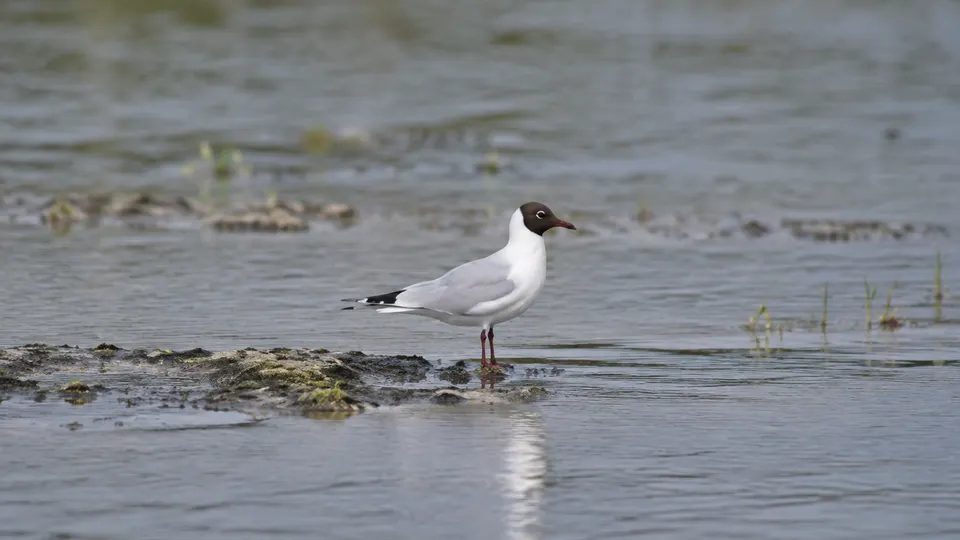
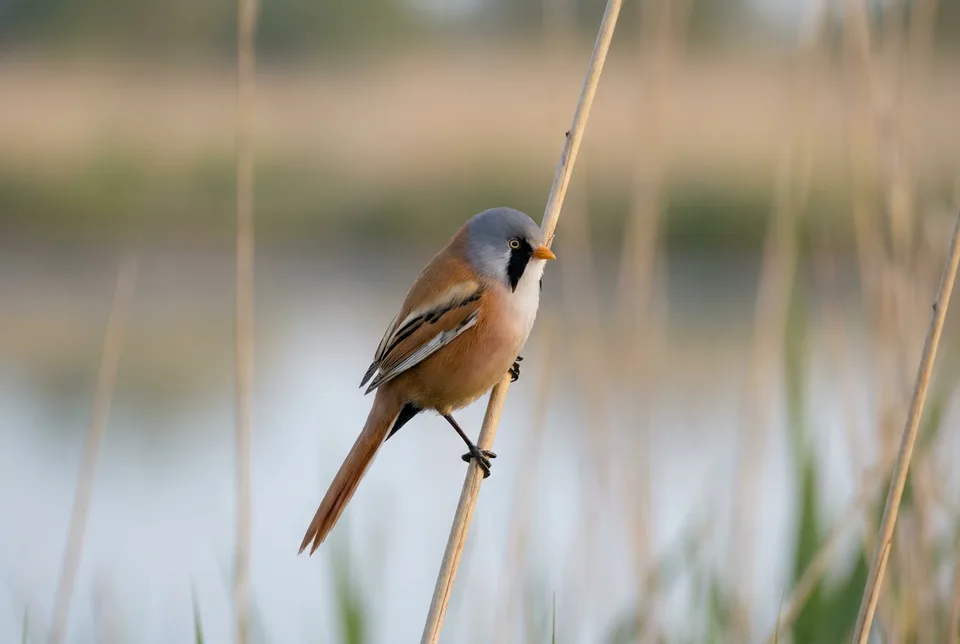
Common Pochard in wetland habitat — Seine, River Cruises wildlifeCommon PochardBearded Reedling in wetland habitat — Seine, River Cruises wildlifeBearded ReedlingBlack-headed gull in wetland habitat — Saone, Seine, Nile, Douro, River Cruises wildlifeBlack-Headed Gull
Animal groupBirdsAnimal groupBirdsAnimal groupBirds
DestinationsSeineDestinationsSeineDestinationsSaone, Seine, Nile, Douro
Scientific name
Aythya ferina

Aythya ferina

Scientific name
Scientific name
Size
Not independently verified in the retrieved evidence
Size
Size
Weight
Not independently verified in the retrieved evidence
Weight
Weight
Lifespan
Not independently verified in the retrieved evidence
Lifespan
Lifespan
Status
See sourced assessment
Status
Status
Identification
A male Common Pochard in its distinctive winter and spring plumage combines a reddish-brown head, black breast, pale grey body and dark rear.

A male Common Pochard in its distinctive winter and spring plumage combines a reddish-brown head, black breast, pale grey body and dark rear. The contrast between these large colour blocks is often more useful than a fine detail at long range. Females are browner, with a greyish body and pale cheeks, and need closer examination. Eclipse males become subdued and can resemble females, so season and plumage state matter. Tufted Duck is a likely comparison at Grande Noë because the local source lists both species; check head shape, body pattern and any tuft rather than identifying every diving duck by its companions. Red-crested Pochard and other ducks also have different combinations that should be compared carefully if present. Glare can wash out grey and brown, so change the viewing angle within authorised facilities when possible. Do not identify an indistinct brown duck solely from the reserve checklist.

Identification
Identification
Habitat
Common Pochards use substantial freshwater wetlands, including lakes and other waters that provide underwater feeding opportunities and secure resting space.

Common Pochards use substantial freshwater wetlands, including lakes and other waters that provide underwater feeding opportunities and secure resting space. The registered Grande Noë locality is a floodplain gravel-pit lake within the Seine loop, not the busy navigation channel itself. The reserve’s mosaic and position on a migration route help explain why many waterbirds use it, but those general site attributes do not establish identical habitat use by every listed species. For this profile, the precise excursion destination matters: Val-de-Reuil, Léry-Poses, between Les Andelys and Rouen. The tourism account describes public observation facilities around the lake, including covered observatories and a viewing screen. Use those routes rather than entering secluded shore vegetation. A pochard record from the reserve should not be relabelled as proof of a deck sighting on the Seine or extended to unrelated lakes along the itinerary.

Habitat
Habitat
Diet
Common Pochards feed underwater on a mixture of aquatic plant material and small animals.

Common Pochards feed underwater on a mixture of aquatic plant material and small animals. Seeds, other plant parts and aquatic invertebrates can all contribute, with the balance varying between sites and seasons. Their diving method gives access to food below the surface rather than limiting them to items floating within bill reach. The exact food composition at Grande Noë was not established by the retrieved reserve description, so this profile does not assign local percentages or a preferred prey species. From an observatory, look for repeated dives in a particular patch, movement between feeding areas and the transition to resting. A bird surfacing empty-billed may still have swallowed food underwater. Avoid feeding ducks or throwing material toward them for photographs. The purpose of a reserve visit is to watch normal use of the lake, not to draw a flock artificially toward the nearest viewing window.

Diet
Diet
Best season
The retrieved Grande Noë tourism page directly lists Common Pochard but does not provide a species-specific monthly calendar.

The retrieved Grande Noë tourism page directly lists Common Pochard but does not provide a species-specific monthly calendar. Although the existing registry research recommends winter viewing, that recommendation is not converted here into numbered months without direct local species season evidence. The monthly array remains empty. The reserve is an important place for migrating and wintering waterbirds generally, but broad site seasonality must not be treated as proof that pochards peak in a particular month. Male plumage is often especially distinctive in winter and spring, according to the RSPB account; that is an identification consideration rather than a Grande Noë abundance forecast. Before arranging the shore excursion, check recent reserve observations, opening arrangements and access to the public hides. A visit can still be worthwhile for other birds if pochards are absent, but the species should not be presented as a guaranteed inclusion.

Best season
Best season
Season matrix by destination
SeineNo verified monthly viewing evidence

Local occurrence is directly listed. Exact species-specific monthly season was not verified.

Season matrix by destinationSeason matrix by destination
Previous speciesCommon MerganserNext speciesCommon Potoo
All river wildlife
On this page
  • 01About
  • 02Behaviour & reproduction
  • 03Top wildlife locations
  • 04Fun facts
  • 05Best season
  • 06Season matrix by destination
  • 07Habitat
  • 08Diet
  • 09Species at a glance
  • 10Questions & answers
  • 11Compare

Find your river cruise

Plan your trip

Find your next river journey

Compare destinations, shore programs and dates with the animals and habitats you would love to see.

  • Daily shore excursions
  • Responsible wildlife watching
  • Boutique river ships
Explore river cruises