Bluerides – Blue Rides - Book Liveaboards worldwideOCEAN ADVENTURES
River CruisesRiversNature & WildlifeOur Promise
River CruisesRiversNature & WildlifeOur PromiseSign In

River destinations

  • River destinations
  • Amazon
  • Danube
  • Rhine
  • Mekong
  • Nile

Ships & departures

  • River Cruise Search
  • Deals

Nature & Wildlife

  • Nature & Wildlife

Travel support

  • Our Promise
  • Contact

Contact

Get in Touch

Get in touch anytime, we're happy to help you find the right trip or sort out any question.

EmailWrite us, we usually reply within a few hours.
contact@bluerides.com
WhatsAppChat with us on WhatsApp, Mon–Fri 10:00–16:00 (CET).
Start WhatsApp Chat
PhoneCall us, we're happy to help.
Free call, Mon–Fri 10 AM – 8 PM (CET).
Europe+49 800 1144 990USA+1 888 557 7735UK+44 800 707 4152Australia+61 2 8599 6113Canada+1 888 557 7735
Which river journey is yours?Answer 8 quick questions and find the river cruise that fits you.
8 questions, 1 minute·Plus Gift
Secure Payment MethodsYour payments are fully secured with AES-256 encryption.
Powered byStripeWiseAMEXPayGoogle PaySEPABank
Imprint·Terms & Conditions·Privacy Policy·About·Contact·Liability Waiver·Affiliate Program·Cruise·
Visit us here

© 2026 Blue Rides. All rights reserved.·

Bluerides – Blue Rides - Book Liveaboards worldwideOCEAN ADVENTURES
River CruisesRiversNature & WildlifeOur Promise
River CruisesRiversNature & WildlifeOur PromiseSign In
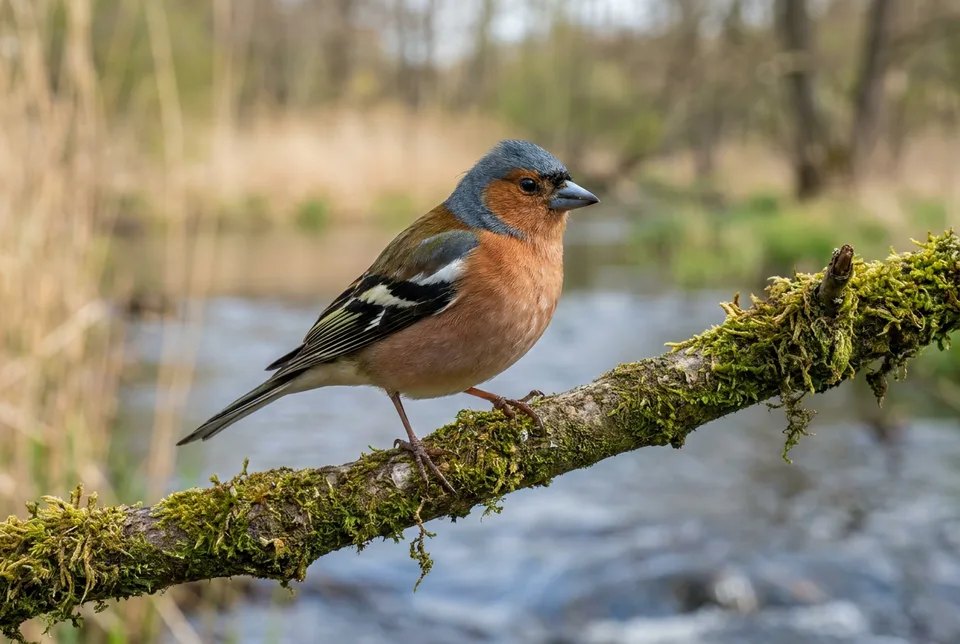
Common Chaffinch in wetland habitat — Saone, River Cruises wildlife
Home›River Cruises›River Wildlife›Common Chaffinch

Common ChaffinchFringilla coelebsWhere and when to see them

Previous speciesCommon BuzzardNext speciesCommon Goldeneye

Common Chaffinch at a glance

The Common Chaffinch is a woodland-associated finch that also uses parks, gardens and planted urban landscapes. Its registry identity is Fringilla coelebs, corresponding to pinson des arbres in the Grand Lyon biodiversity guide. The striking white markings in the wings and outer tail can be easier to notice than a perched bird’s body colours. Males are more colourful, while females and juveniles have subdued brownish plumage. Chaffinches frequently feed on the ground and can disappear surprisingly well among leaf litter or vegetation. The registered river association is the Lower Saône promenade from Rochetaillée-sur-Saône through Fontaines-sur-Saône to Lyon, upstream of the Rhône confluence. This is a specific tree-lined shore-walking context, not a claim about every Saône cruise reach. Listening for the loud song and varied calls can make an encounter much more likely than searching only the open water.
Behaviour & reproduction

Size
Not independently verified in the retrieved evidence
Weight
Not independently verified in the retrieved evidence
Lifespan
Not independently verified in the retrieved evidence
Status
See sourced assessment

Chaffinches often reveal themselves by voice before they become visible. A singing bird may remain on an elevated branch, while a feeding bird can be much lower, hopping across the ground beneath trees or hedges. The transition between these positions is useful to watch: a short flight exposes the white wing markings and outer tail feathers that were concealed when the bird was still. Feeding birds may forage alone or alongside others, especially outside the strongly territorial part of the breeding cycle. Their preference for collecting food from the ground means that looking only into a tree canopy can miss nearby individuals. On the Lower Saône promenade, pause near planted sections and listen before continuing. Do not use playback to provoke repeated responses or follow a bird carrying food. Observe how it moves between ground, low cover and song posts without disturbing those routines.

Top wildlife locations

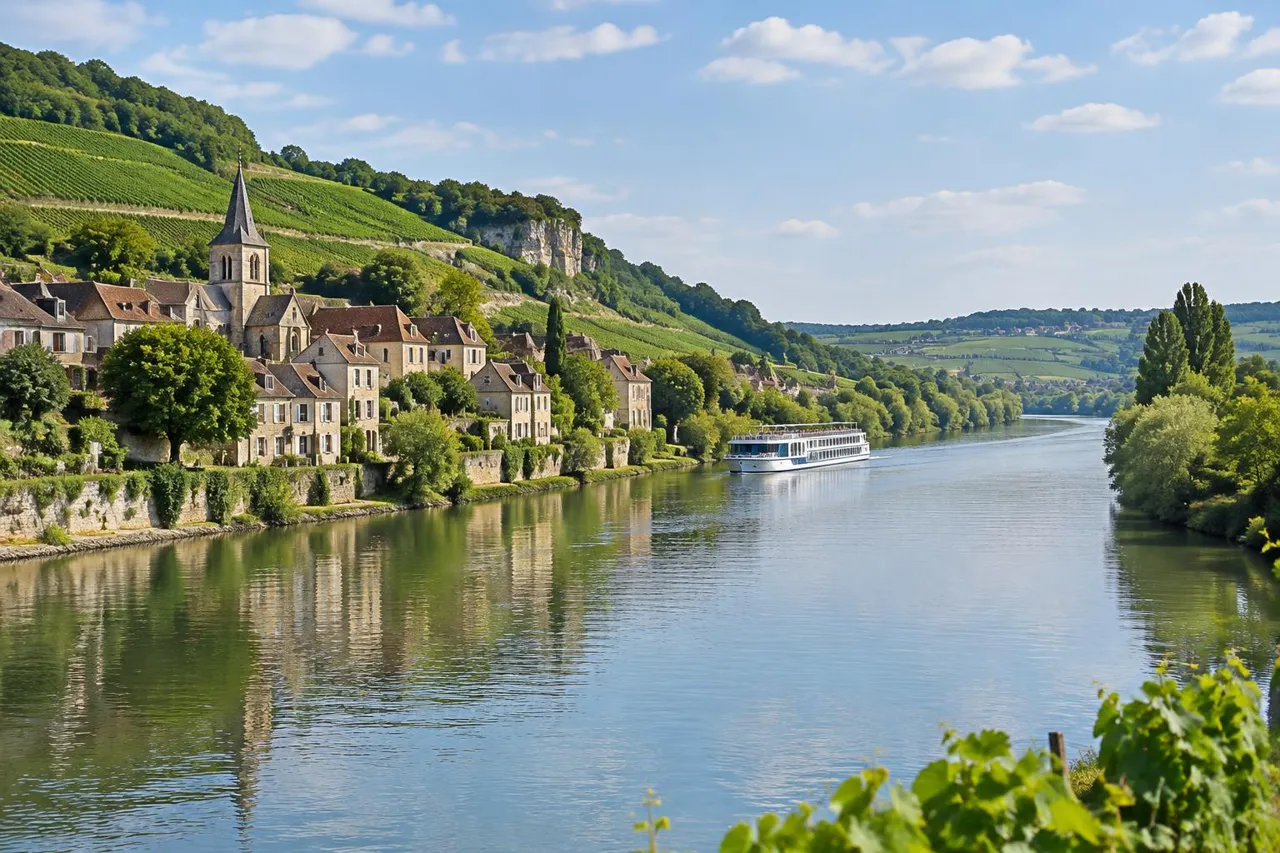
Saone river landscape — River Cruises wildlife habitat

Saone

Lower Saône: Grand Lyon Rives de Saône promenade, Rochetaillée-sur-Saône–Fontaines-sur-Saône–Lyon, upstream of the Rhône confluence.
Explore river cruises

Destinations describe the species' habitat, not guaranteed cruise stops. Some animals require an optional inland excursion or are found in restricted reserves.

Fun facts about the Common Chaffinch

  • The registered scientific name is Fringilla coelebs.
  • The local French source calls it pinson des arbres.
  • White wing markings can remain conspicuous in subdued plumage.
  • The outer tail feathers also show white in flight.
  • Females are less colourful than adult males.
  • Juveniles resemble females.
  • Chaffinches often collect food from the ground.
  • Their diet includes invertebrates as well as seeds.
  • The registered promenade lies upstream of the Rhône confluence.

Best time to see the Common Chaffinch

The Grand Lyon biodiversity guide supports Common Chaffinch occurrence along the registered Lower Saône corridor, but its species list does not supply a local monthly observation series. The monthly array is therefore empty. A general description of the bird as common or widespread, or a national account displaying all months, is not sufficient evidence for a twelve-month local season. Song can make males easier to locate during the territorial part of the year, while quiet feeding birds may be less conspicuous despite being present. Leaf cover also changes the ease of watching branches and the ground beneath them. These are useful detection considerations rather than a verified best-month recommendation for Rochetaillée, Fontaines or Lyon. Check current local bird observations for the actual shore-walk segment and allow time for listening. Keep the seasonal advice separate from both the cruise operating calendar and breeding dates published for other regions.

Common Chaffinch: season matrix by destination

Highlighted months reflect the stated local evidence, not guaranteed encounters. Neutral months mean no verified monthly viewing window, not absence. Observation records and recommended viewing windows are distinct.

Saone

The local biodiversity list establishes occurrence but does not verify species-specific viewing months.

JanFebMarAprMayJunJulAugSepOctNovDec
Explore river cruises

Where the Common Chaffinch lives

Trees are central to the chaffinch’s habitat, but the feeding surface beneath them also matters. Woodland, wooded edges, mature parks, gardens and hedgerows can provide a combination of cover, perches and accessible ground. A river corridor can function as suitable terrestrial habitat where its promenade retains trees and planted margins. The Grand Lyon guide lists pinson des arbres among birds associated with the Rives de Saône setting. The registered reach is Rochetaillée-sur-Saône–Fontaines-sur-Saône–Lyon, above the Rhône confluence, and should remain the geographical scope of this profile’s river claim. It does not establish that the species is equally visible along bare quays or every section of the route. During a shore walk, look where trees meet leaf litter, grass or low vegetation. Use established public access rather than entering planted beds or cutting through the shrubs that supply concealment.

What the Common Chaffinch eats

Common Chaffinches eat seeds and other plant material, with invertebrates becoming particularly important when young are being raised. Their strong finch bill is useful for processing seeds, but their diet should not be reduced to seed eating alone. Ground-level searching beneath trees or hedges is a characteristic way to find food. An individual may pick small items that are impossible to identify from a comfortable viewing distance, so an observer should describe the behaviour rather than invent the prey. Seasonal changes in seed availability and insect abundance can shift where feeding occurs within the same stretch of promenade. Leaf litter, grassy edges and tree foliage can each contribute different food resources. Avoid scattering seed to create a photographic gathering: it changes the natural distribution of birds and can concentrate individuals unnecessarily. Watching an unbaited feeding route gives a better picture of the species’ actual use of the riverside landscape.

Species at a glance

Common name
Common Chaffinch
Scientific name
Fringilla coelebs
Animal group
Birds
Size
Not independently verified in the retrieved evidence
Weight
Not independently verified in the retrieved evidence
Lifespan
Not independently verified in the retrieved evidence
Status
RSPB UK Birds of Conservation Concern: Green. Global and French categories were not independently verified.
Identification
The most practical identification feature is the pair of pale wing markings, often seen as a strong white shoulder patch and wing bar. White outer tail feathers are another useful clue during flight. Adult males show a more colourful combination of head, chest and back tones, whereas females are yellowish brown and juveniles resemble females. Their compact finch structure and substantial seed-handling bill help distinguish them from slender-billed insectivores. Do not rely on a brightly coloured male being present: a female feeding in dappled light can look quite plain until it moves. Other finches may share pale wing areas, so examine the overall pattern, body proportions and tail as well. The loud song and calls can support a visual identification, but an unfamiliar voice should be checked rather than guessed. A brief flight between the ground and a low branch often provides the clearest combination of features.

Common Chaffinch: frequently asked questions

Where can I see the Common Chaffinch?
Saone. Plan to watch chaffinches during a shore walk rather than expecting a distant view from the navigation channel. On the registered Rives de Saône corridor, pause in sections with mature trees, grassy margins or leaf litter. Listen for a loud, repeated song, then examine the branches without standing directly beneath a singing bird. For ground feeders, watch a small area patiently; the white flashes of a departing bird may disclose one that had blended into its surroundings. Binoculars are usually more useful than a telescope at these distances. Give joggers and other path users room rather than stepping into sensitive planted ground to maintain a view. Never pursue a bird into shrub cover or use repeated playback near a territory. If recording an observation, retain the actual locality on the Lower Saône and do not relabel it as a Rhône record merely because the rivers meet in Lyon.
When is the best time to see the Common Chaffinch?
The Grand Lyon biodiversity guide supports Common Chaffinch occurrence along the registered Lower Saône corridor, but its species list does not supply a local monthly observation series. The monthly array is therefore empty. A general description of the bird as common or widespread, or a national account displaying all months, is not sufficient evidence for a twelve-month local season. Song can make males easier to locate during the territorial part of the year, while quiet feeding birds may be less conspicuous despite being present. Leaf cover also changes the ease of watching branches and the ground beneath them. These are useful detection considerations rather than a verified best-month recommendation for Rochetaillée, Fontaines or Lyon. Check current local bird observations for the actual shore-walk segment and allow time for listening. Keep the seasonal advice separate from both the cruise operating calendar and breeding dates published for other regions.
How big does the Common Chaffinch get?
Not independently verified in the retrieved evidence. Adult weight: Not independently verified in the retrieved evidence. Size varies with age, sex and population.
How should I behave around the Common Chaffinch?
Plan to watch chaffinches during a shore walk rather than expecting a distant view from the navigation channel. On the registered Rives de Saône corridor, pause in sections with mature trees, grassy margins or leaf litter. Listen for a loud, repeated song, then examine the branches without standing directly beneath a singing bird. For ground feeders, watch a small area patiently; the white flashes of a departing bird may disclose one that had blended into its surroundings. Binoculars are usually more useful than a telescope at these distances. Give joggers and other path users room rather than stepping into sensitive planted ground to maintain a view. Never pursue a bird into shrub cover or use repeated playback near a territory. If recording an observation, retain the actual locality on the Lower Saône and do not relabel it as a Rhône record merely because the rivers meet in Lyon.
What does the Common Chaffinch eat?
Common Chaffinches eat seeds and other plant material, with invertebrates becoming particularly important when young are being raised. Their strong finch bill is useful for processing seeds, but their diet should not be reduced to seed eating alone. Ground-level searching beneath trees or hedges is a characteristic way to find food. An individual may pick small items that are impossible to identify from a comfortable viewing distance, so an observer should describe the behaviour rather than invent the prey. Seasonal changes in seed availability and insect abundance can shift where feeding occurs within the same stretch of promenade. Leaf litter, grassy edges and tree foliage can each contribute different food resources. Avoid scattering seed to create a photographic gathering: it changes the natural distribution of birds and can concentrate individuals unnecessarily. Watching an unbaited feeding route gives a better picture of the species’ actual use of the riverside landscape.
Are wildlife sightings guaranteed on a river cruise?
No. Animals move freely and routes, weather, access restrictions and local conditions influence every outing. Confirm the actual itinerary and shore program before booking.

Compare wildlife in the same destinations

Explore other birds recorded in these destinations. Similar surroundings do not mean the animals share the same habits or viewing season.

Species comparison by animal group and destination
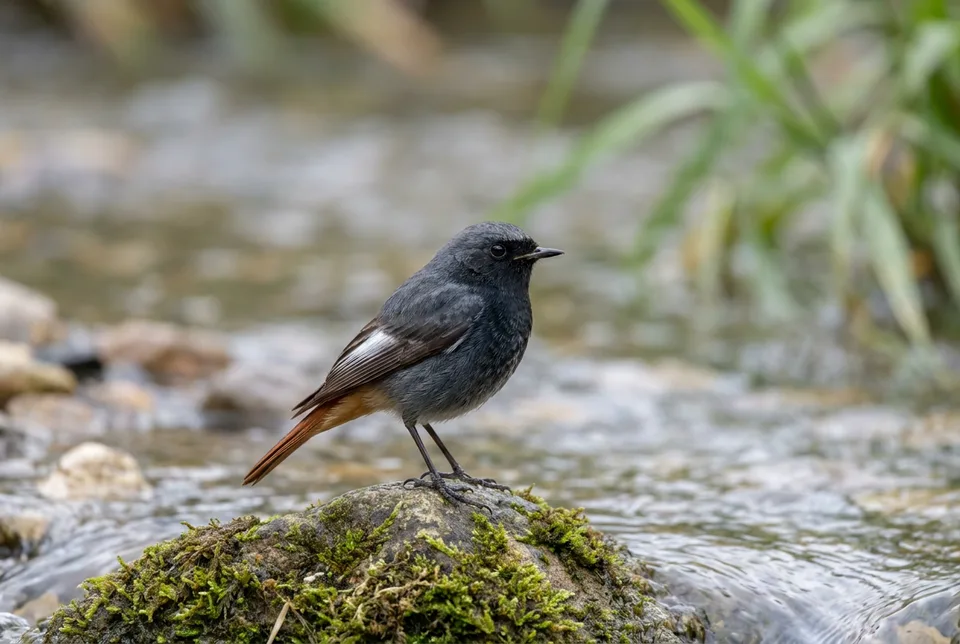
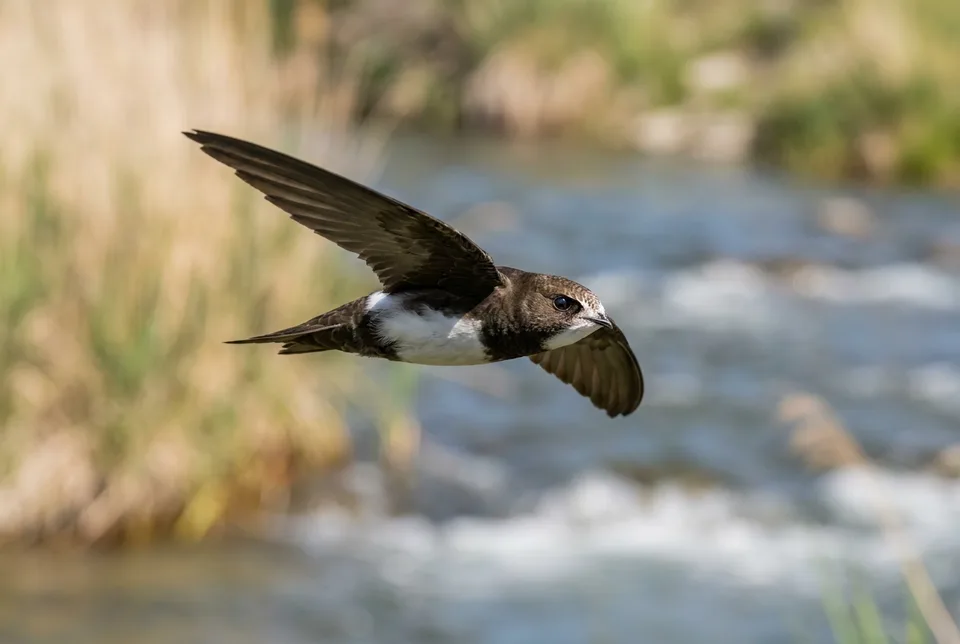
Common Chaffinch in wetland habitat — Saone, River Cruises wildlifeCommon ChaffinchAlpine Swift in wetland habitat — Saone, River Cruises wildlifeAlpine SwiftBlack Redstart in wetland habitat — Saone, Douro, River Cruises wildlifeBlack Redstart
Animal groupBirdsAnimal groupBirdsAnimal groupBirds
DestinationsSaoneDestinationsSaoneDestinationsSaone, Douro
Scientific name
Fringilla coelebs
Scientific name
Scientific name
Previous speciesCommon BuzzardNext speciesCommon Goldeneye
All river wildlife
On this page
  • 01About
  • 02Behaviour & reproduction
  • 03Top wildlife locations
  • 04Fun facts
  • 05Best season
  • 06Season matrix by destination
  • 07Habitat
  • 08Diet
  • 09Species at a glance
  • 10Questions & answers
  • 11Compare

Find your river cruise

Plan your trip

Find your next river journey

Compare destinations, shore programs and dates with the animals and habitats you would love to see.

  • Daily shore excursions
  • Responsible wildlife watching
  • Boutique river ships
Explore river cruises