Bluerides – Blue Rides - Book Liveaboards worldwideOCEAN ADVENTURES
River CruisesRiversNature & WildlifeOur Promise
River CruisesRiversNature & WildlifeOur PromiseSign In

River destinations

  • River destinations
  • Amazon
  • Danube
  • Rhine
  • Mekong
  • Nile

Ships & departures

  • River Cruise Search
  • Deals

Nature & Wildlife

  • Nature & Wildlife

Travel support

  • Our Promise
  • Contact

Contact

Get in Touch

Get in touch anytime, we're happy to help you find the right trip or sort out any question.

EmailWrite us, we usually reply within a few hours.
contact@bluerides.com
WhatsAppChat with us on WhatsApp, Mon–Fri 10:00–16:00 (CET).
Start WhatsApp Chat
PhoneCall us, we're happy to help.
Free call, Mon–Fri 10 AM – 8 PM (CET).
Europe+49 800 1144 990USA+1 888 557 7735UK+44 800 707 4152Australia+61 2 8599 6113Canada+1 888 557 7735
Which river journey is yours?Answer 8 quick questions and find the river cruise that fits you.
8 questions, 1 minute·Plus Gift
Secure Payment MethodsYour payments are fully secured with AES-256 encryption.
Powered byStripeWiseAMEXPayGoogle PaySEPABank
Imprint·Terms & Conditions·Privacy Policy·About·Contact·Liability Waiver·Affiliate Program·Cruise·
Visit us here

© 2026 Blue Rides. All rights reserved.·

Bluerides – Blue Rides - Book Liveaboards worldwideOCEAN ADVENTURES
River CruisesRiversNature & WildlifeOur Promise
River CruisesRiversNature & WildlifeOur PromiseSign In
Common Blackbird in wetland habitat — Saone, River Cruises wildlife
Home›River Cruises›River Wildlife›Common Blackbird

Common BlackbirdTurdus merulaWhere and when to see them

Previous speciesCattle EgretNext speciesCommon Buzzard

Common Blackbird at a glance

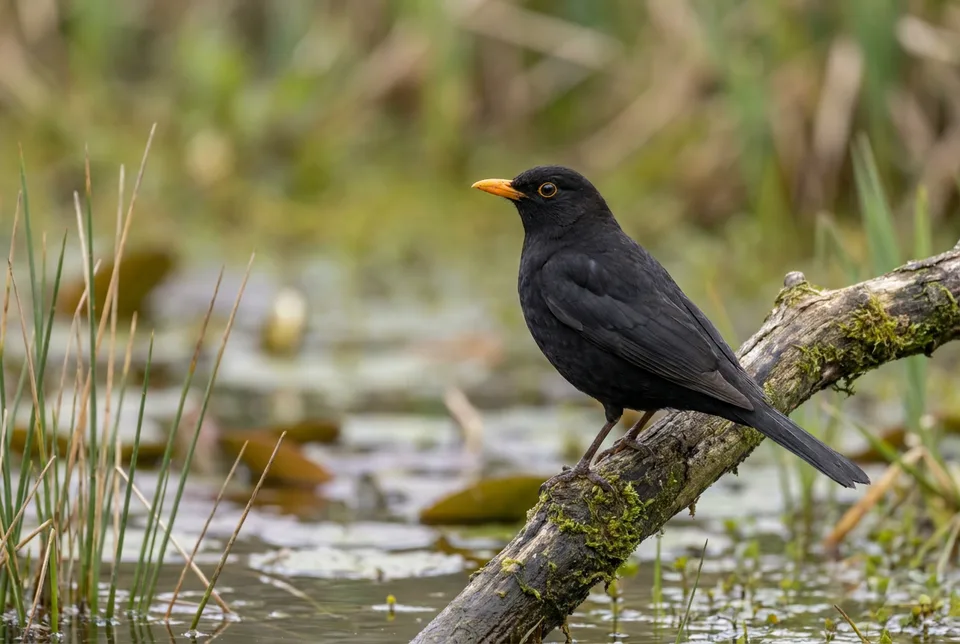
The Common Blackbird is a thrush, rather than one of the unrelated American birds also called blackbirds. Its scientific identity in this registry is Turdus merula. Adult males are black, with an orange-yellow bill and a conspicuous yellow eye-ring; females are brown and may show spotting or streaking below. The familiar mellow song is often a better first clue than a view through foliage. Blackbirds use gardens, parks, hedges, scrub and woodland, so an urban river stop can provide appropriate habitat without the bird depending on the river itself. The registered Saône association is specifically Mâcon municipality. Its atlas lists Merle noir under the correct scientific name, supporting municipal occurrence rather than a documented observation from a cruise deck or a particular quay. A quiet shore walk through planted streets or green spaces is therefore the appropriate viewing context.
Behaviour & reproduction

Size
Not independently verified in the retrieved evidence
Weight
Not independently verified in the retrieved evidence
Lifespan
Not independently verified in the retrieved evidence
Status
See sourced assessment

Blackbirds commonly alternate between still, upright watching and short movements across the ground. A bird may run or hop, pause with its head angled, then investigate the soil or leaf litter. Dense shrubs provide a nearby retreat, while trees, roofs and other elevated structures can serve as song posts. The male’s mellow phrases make listening particularly productive when vegetation prevents a clear view. Adults can be territorial, and chasing does not necessarily mean that a predator is present. Outside territorial encounters, feeding birds may tolerate one another where food is distributed widely. Some populations remain relatively local, while others move south for winter; the RSPB explicitly distinguishes resident birds from incoming northern European migrants in Britain. That movement pattern should not be converted into a Mâcon migration timetable. During a shore visit, watch a bird’s feeding and cover use rather than trying to make it approach.

Top wildlife locations

Saone river landscape — River Cruises wildlife habitat

Saone

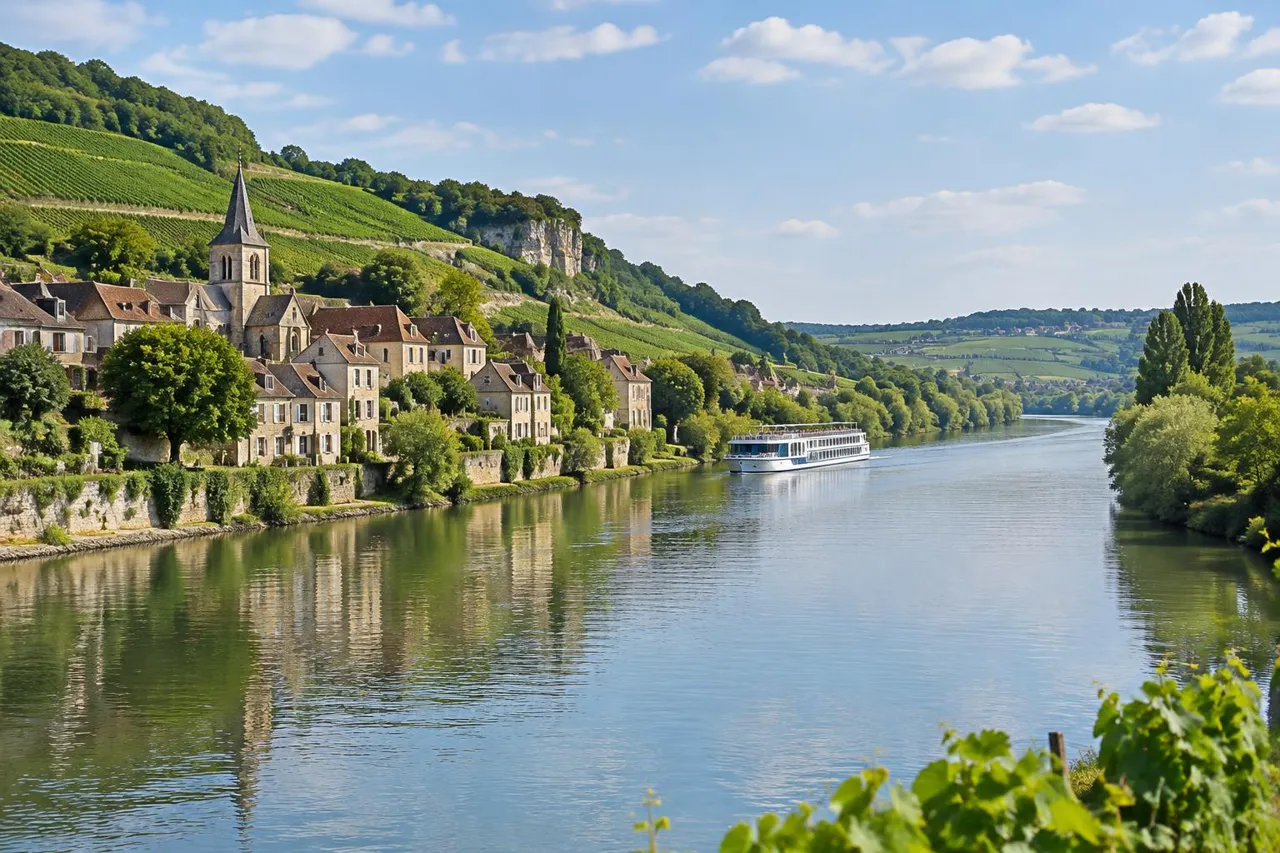
Mâcon municipal stop on the Saône. Atlas evidence is commune-wide, not a specific riverbank sighting.
Explore river cruises

Destinations describe the species' habitat, not guaranteed cruise stops. Some animals require an optional inland excursion or are found in restricted reserves.

Fun facts about the Common Blackbird

  • The Common Blackbird belongs to the thrush family.
  • Its registry identity is Turdus merula.
  • Adult males have a conspicuous yellow eye-ring.
  • Females are brown rather than black.
  • Juveniles can show extensive brown patterning.
  • Its mellow song can reveal a hidden bird.
  • Earthworms are an important natural food.
  • Fruit and berries supplement animal prey.
  • The Mâcon evidence is municipal, not a specific riverbank sighting.

Best time to see the Common Blackbird

The retrieved Mâcon atlas confirms Common Blackbird occurrence but does not establish a species-specific monthly viewing calendar for the registered stop. Its visible summary reports records and a latest observation year, not a complete set of verified observation months. The appropriate monthly array is therefore empty. Blackbirds are often conspicuous when singing from elevated perches, while quiet ground-feeding birds can be harder to detect behind shrubs or among pedestrians. These differences concern behaviour and visibility, not proof of a local seasonal peak. General accounts describe residents and migrants within the species, but neither British year-round occurrence nor a broad European breeding season establishes twelve supported months at Mâcon. For a planned shore walk, look for recent municipal observations and suitable green-space access. A short visit after rain may offer useful feeding behaviour, but it is not a verified seasonal recommendation.

Common Blackbird: season matrix by destination

Highlighted months reflect the stated local evidence, not guaranteed encounters. Neutral months mean no verified monthly viewing window, not absence. Observation records and recommended viewing windows are distinct.

Saone

Municipal occurrence verified; a complete local species-specific monthly season is not established.

JanFebMarAprMayJunJulAugSepOctNovDec
Explore river cruises

Where the Common Blackbird lives

Blackbird habitat is usually structured around the combination of accessible ground and nearby protective vegetation. Lawns, leaf litter, soft soil, hedgerows and shrub beds can all be useful, especially where mature trees offer additional cover and song posts. The species is consequently familiar in parks and gardens as well as woodland and farmland edges. A riverside promenade may be suitable where it includes planted margins, but a continuous stretch of bare paving offers fewer feeding and concealment opportunities. At Mâcon, the relevant evidence covers the commune, not just land immediately beside the Saône. Do not turn an atlas record into a recommendation for an unverified riverbank hotspot. During an independent town walk, use public paths through existing green spaces and leave shrub interiors undisturbed. Removing dense vegetation or repeatedly disturbing ground-feeding birds can reduce the value of otherwise suitable urban habitat.

What the Common Blackbird eats

Common Blackbirds are omnivorous ground feeders. Earthworms and other invertebrates are important foods, while berries and other fruits become especially useful when available. Their feeding behaviour often reveals the food type: probing or tugging at soft ground differs from picking fruit in a shrub or taking fallen berries. Leaf litter is a productive search surface because it shelters small animals and retains moisture. A blackbird inspecting a lawn is therefore not simply grazing vegetation; it may be locating animal prey beneath the surface. Food availability changes with soil moisture, temperature and fruiting, which can move feeding activity between lawns, beds and hedges during a visit. Observe these natural choices rather than offering bread or other food. For photographs, wait near an existing feeding area without blocking the bird’s route back to cover, and avoid manipulating vegetation to expose prey.

Species at a glance

Common name
Common Blackbird
Scientific name
Turdus merula
Animal group
Birds
Size
Not independently verified in the retrieved evidence
Weight
Not independently verified in the retrieved evidence
Lifespan
Not independently verified in the retrieved evidence
Status
RSPB UK Birds of Conservation Concern: Green. This is a UK assessment, not a verified global or French category.
Identification
Begin with sex and age rather than expecting every blackbird to be uniformly black. An adult male combines black plumage, a bright orange-yellow bill and a yellow ring around the eye. Females are brown, with variable breast markings and a bill that may be brown or yellowish. Juveniles are also brown and patterned, making shape, behaviour and context important. A blackbird has a thrush-like body, a fairly long tail and a strong bill suited to handling varied food. Its deliberate ground movements and pauses can help separate it from smaller, constantly flitting garden birds. Starlings differ in structure, bill shape, plumage texture and movement, while other thrushes may show much more obvious spotting. The Ring Ouzel is a separate species, not an alternative name for the registered bird. Confirm the whole combination instead of identifying any dark urban bird as a male blackbird.

Common Blackbird: frequently asked questions

Where can I see the Common Blackbird?
Saone. Treat Mâcon as a town birdwatching opportunity rather than a promised waterside blackbird encounter. From public paths, examine lawns, shrub edges, leaf litter and the lower branches of trees. Stop occasionally and listen for the mellow song, then locate the singer without moving underneath its perch. For a ground-feeding bird, remain still and let its normal route bring it into view. Binoculars are useful for distinguishing a brown female from other thrushes and for seeing the eye-ring without approaching. Avoid surrounding a bird with several observers or forcing it repeatedly from feeding ground into cover. If an adult appears to be carrying food, step back and do not follow it into a nest site. The municipal atlas supports presence somewhere within Mâcon; it does not demonstrate that every riverside park, landing stage or cruise departure point is occupied.
When is the best time to see the Common Blackbird?
The retrieved Mâcon atlas confirms Common Blackbird occurrence but does not establish a species-specific monthly viewing calendar for the registered stop. Its visible summary reports records and a latest observation year, not a complete set of verified observation months. The appropriate monthly array is therefore empty. Blackbirds are often conspicuous when singing from elevated perches, while quiet ground-feeding birds can be harder to detect behind shrubs or among pedestrians. These differences concern behaviour and visibility, not proof of a local seasonal peak. General accounts describe residents and migrants within the species, but neither British year-round occurrence nor a broad European breeding season establishes twelve supported months at Mâcon. For a planned shore walk, look for recent municipal observations and suitable green-space access. A short visit after rain may offer useful feeding behaviour, but it is not a verified seasonal recommendation.
How big does the Common Blackbird get?
Not independently verified in the retrieved evidence. Adult weight: Not independently verified in the retrieved evidence. Size varies with age, sex and population.
How should I behave around the Common Blackbird?
Treat Mâcon as a town birdwatching opportunity rather than a promised waterside blackbird encounter. From public paths, examine lawns, shrub edges, leaf litter and the lower branches of trees. Stop occasionally and listen for the mellow song, then locate the singer without moving underneath its perch. For a ground-feeding bird, remain still and let its normal route bring it into view. Binoculars are useful for distinguishing a brown female from other thrushes and for seeing the eye-ring without approaching. Avoid surrounding a bird with several observers or forcing it repeatedly from feeding ground into cover. If an adult appears to be carrying food, step back and do not follow it into a nest site. The municipal atlas supports presence somewhere within Mâcon; it does not demonstrate that every riverside park, landing stage or cruise departure point is occupied.
What does the Common Blackbird eat?
Common Blackbirds are omnivorous ground feeders. Earthworms and other invertebrates are important foods, while berries and other fruits become especially useful when available. Their feeding behaviour often reveals the food type: probing or tugging at soft ground differs from picking fruit in a shrub or taking fallen berries. Leaf litter is a productive search surface because it shelters small animals and retains moisture. A blackbird inspecting a lawn is therefore not simply grazing vegetation; it may be locating animal prey beneath the surface. Food availability changes with soil moisture, temperature and fruiting, which can move feeding activity between lawns, beds and hedges during a visit. Observe these natural choices rather than offering bread or other food. For photographs, wait near an existing feeding area without blocking the bird’s route back to cover, and avoid manipulating vegetation to expose prey.
Are wildlife sightings guaranteed on a river cruise?
No. Animals move freely and routes, weather, access restrictions and local conditions influence every outing. Confirm the actual itinerary and shore program before booking.

Compare wildlife in the same destinations

Explore other birds recorded in these destinations. Similar surroundings do not mean the animals share the same habits or viewing season.

Species comparison by animal group and destination
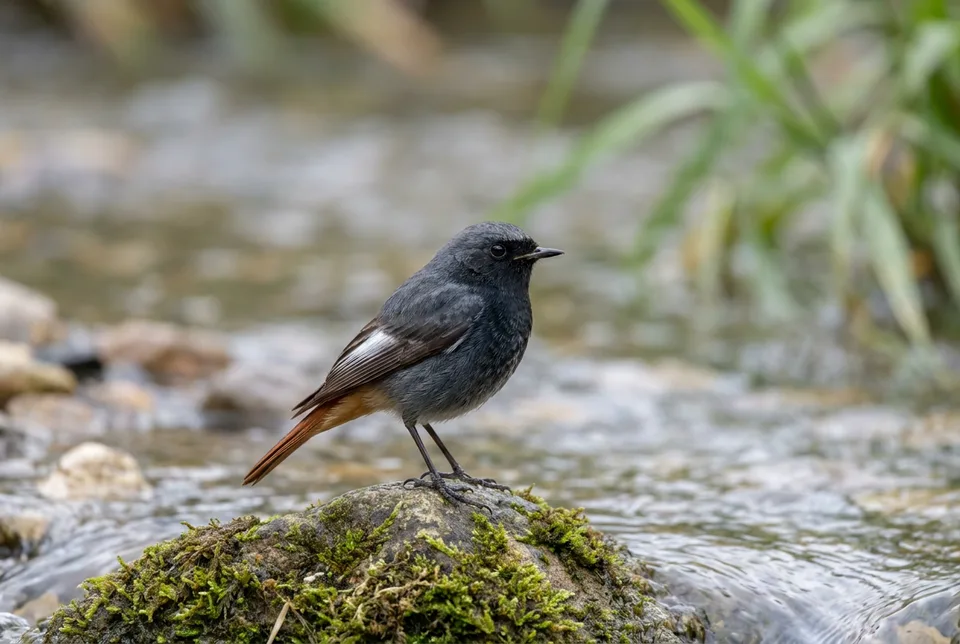
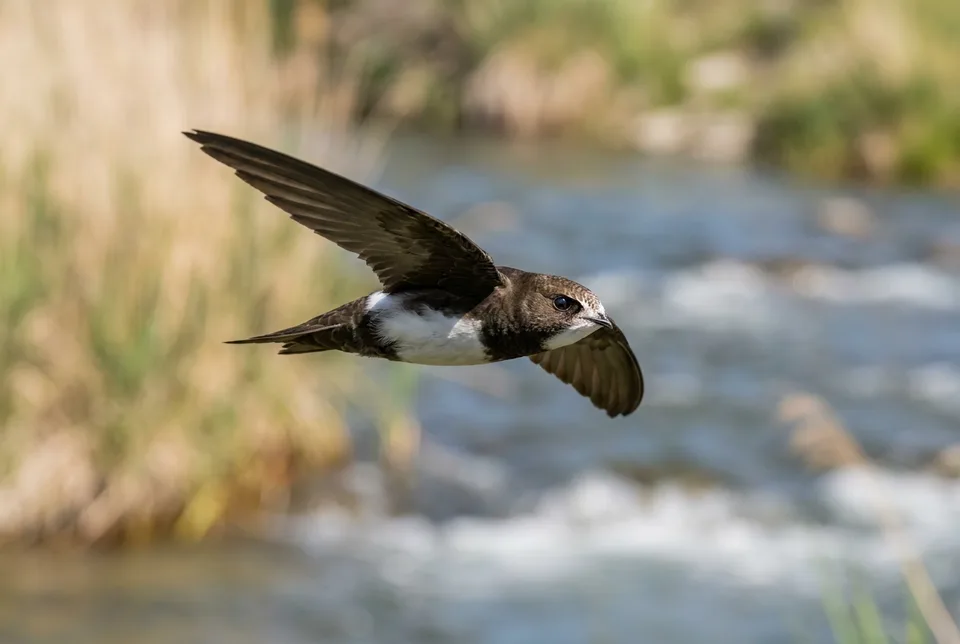
Common Blackbird in wetland habitat — Saone, River Cruises wildlifeCommon BlackbirdAlpine Swift in wetland habitat — Saone, River Cruises wildlifeAlpine SwiftBlack Redstart in wetland habitat — Saone, Douro, River Cruises wildlifeBlack Redstart
Animal groupBirdsAnimal groupBirdsAnimal groupBirds
DestinationsSaoneDestinationsSaoneDestinationsSaone, Douro
Scientific name
Turdus merula
Scientific name
Scientific name
Previous speciesCattle EgretNext speciesCommon Buzzard
All river wildlife
On this page
  • 01About
  • 02Behaviour & reproduction
  • 03Top wildlife locations
  • 04Fun facts
  • 05Best season
  • 06Season matrix by destination
  • 07Habitat
  • 08Diet
  • 09Species at a glance
  • 10Questions & answers
  • 11Compare

Find your river cruise

Plan your trip

Find your next river journey

Compare destinations, shore programs and dates with the animals and habitats you would love to see.

  • Daily shore excursions
  • Responsible wildlife watching
  • Boutique river ships
Explore river cruises