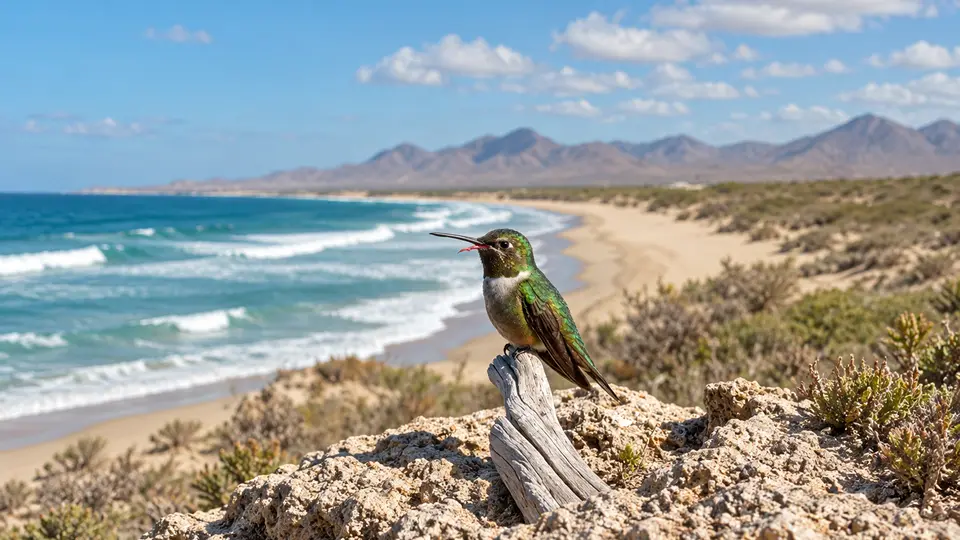
Xantus's Hummingbird in its natural habitatAI-modified

Xantus's HummingbirdBasilinna xantusiiWhere and when to see them

Xantus's Hummingbird at a glance

Xantus's hummingbird is a small hummingbird endemic to the southern Baja California peninsula of Mexico. Its bold white stripe behind the eye, reddish bill and warm cinnamon underparts give it a distinctive appearance. Males add an iridescent green throat that can look dark when the light changes. Although its range includes a largely arid region, flowering shrubs, wooded canyons and oases provide essential resources, often requiring travel inland from coastal visitor areas.

Behaviour & reproduction

Size
8-9 cm (3.1-3.5 in) body length
Weight
3-4 g (0.11-0.14 oz)
Lifespan
Not reliably established
Status
Least Concern

Individuals hover at flowers, perch between feeding bouts and defend profitable nectar sources from other hummingbirds. They also catch tiny arthropods, sometimes taking them in short aerial sallies. A female builds a small cup nest and raises the young without male assistance. Local movements reflect flowering and water availability, so birds can be conspicuous in one canyon or garden while absent from nearby vegetation that offers little food. Males perform a 'pendulum' display flight to attract females and defend their territories. Females construct intricate cup-shaped nests using plant fibers and spider silk, often camouflaging them with lichens or bark.

Top wildlife locations

Mexico wildlife habitatAI-modified

Mexico

Seek flowering scrub, oasis vegetation and wooded canyons in southern Baja California, not Mexico generally. An inland excursion is often needed; coastal gardens offer only local possibilities where suitable flowers are present.
Destinations describe the species' habitat, not guaranteed cruise stops. Some animals require an optional inland excursion or are found in restricted reserves.

Fun facts about the Xantus's Hummingbird

  • Its native range is confined to the southern Baja California peninsula.
  • The green throat of a male is iridescent and changes appearance with viewing angle.
  • The reddish bill has a contrasting dark tip.
  • It belongs to the same genus as the white-eared hummingbird.

Best time to see the Xantus's Hummingbird

The species is resident, so there is no essential migration window. Cooler months generally make Baja California excursions more comfortable, while local flowering controls where birds gather. Rainfall can trigger blooms at different times, and breeding should not be inferred from the tourist season. Breeding activity is often concentrated from winter through early summer, coinciding with peak flowering periods after seasonal rains. While resident, their local abundance can fluctuate dramatically based on the availability of flowering plants and water resources.

Xantus's Hummingbird: season matrix by destination

Travel and observation windows vary by region. Highlighted months are an orientation for planning, not confirmed sightings or a guarantee of access.

Mexico

These cooler months suit land excursions within its restricted range; birds are resident, and local bloom patterns are more important than this travel window.

JanFebMarAprMayJunJulAugSepOctNovDec
Cruise ships in Mexico

Where the Xantus's Hummingbird lives

It occupies scrub, open woodland, canyon vegetation, oases and gardens within southern Baja California. Flowering plants and sheltered perches are important features. Coastal settlements may hold birds where vegetation is suitable, but barren beaches and exposed desert shorelines offer little habitat. This species is endemic to the Baja California Peninsula, primarily found in the southern half. Its range extends north to around Bahía Tortugas and Cedros Island, though it is rare at the northern limits.

What the Xantus's Hummingbird eats

Nectar supplies much of its energy, while small insects and spiders provide protein and other nutrients. It visits a range of flowering plants rather than depending on a single species. Natural blooms are preferable observation settings to feeding arrangements that concentrate birds artificially. They consume nectar from a variety of flowering plants, including cacti and agaves, and also feed on small insects captured in flight or gleaned from foliage. These arthropods are a critical protein source, especially during breeding and chick rearing.

Species at a glance

Common name
Xantus's Hummingbird
Scientific name
Basilinna xantusii
Animal group
Birds
Size
8-9 cm (3.1-3.5 in) body length
Weight
3-4 g (0.11-0.14 oz)
Lifespan
Not reliably established
Status
Least Concern
Identification
Its strong white post-eye stripe and cinnamon underparts distinguish it from Costa's hummingbird, whose male has a purple crown and elongated purple throat feathers. Both sexes possess a straight, relatively short bill and a glossy green back, but the male's iridescent green gorget contrasts with the female's duller throat and buffier underparts. The strong white post-ocular stripe is a key field mark even for juveniles.

Xantus's Hummingbird: frequently asked questions

Where can I see the Xantus's Hummingbird?
Mexico. Wait beside natural flowering patches without blocking access to blooms or nests. Avoid flash at close range, do not touch vegetation holding a nest, and carry water for hot, exposed canyon approaches. When viewing, maintain a respectful distance to avoid disturbing feeding or nesting birds, and use binoculars for close-up details. Early mornings and late afternoons are often the most active times for hummingbirds visiting flowers.
When is the best time to see the Xantus's Hummingbird?
The species is resident, so there is no essential migration window. Cooler months generally make Baja California excursions more comfortable, while local flowering controls where birds gather. Rainfall can trigger blooms at different times, and breeding should not be inferred from the tourist season. Breeding activity is often concentrated from winter through early summer, coinciding with peak flowering periods after seasonal rains. While resident, their local abundance can fluctuate dramatically based on the availability of flowering plants and water resources.
How big does the Xantus's Hummingbird get?
8-9 cm (3.1-3.5 in) body length. Adult weight: 3-4 g (0.11-0.14 oz). Size varies with age, sex and population.
How should I behave around the Xantus's Hummingbird?
Wait beside natural flowering patches without blocking access to blooms or nests. Avoid flash at close range, do not touch vegetation holding a nest, and carry water for hot, exposed canyon approaches. When viewing, maintain a respectful distance to avoid disturbing feeding or nesting birds, and use binoculars for close-up details. Early mornings and late afternoons are often the most active times for hummingbirds visiting flowers.
What does the Xantus's Hummingbird eat?
Nectar supplies much of its energy, while small insects and spiders provide protein and other nutrients. It visits a range of flowering plants rather than depending on a single species. Natural blooms are preferable observation settings to feeding arrangements that concentrate birds artificially. They consume nectar from a variety of flowering plants, including cacti and agaves, and also feed on small insects captured in flight or gleaned from foliage. These arthropods are a critical protein source, especially during breeding and chick rearing.
Are wildlife sightings guaranteed on an adventure cruise?
No. Animals move freely and routes, weather, access restrictions and local conditions influence every outing. Confirm the actual itinerary and shore program before booking.

Compare wildlife in the same destinations

Explore other birds recorded in these destinations. Similar surroundings do not mean the animals share the same habits or viewing season.

Species comparison by animal group and destination
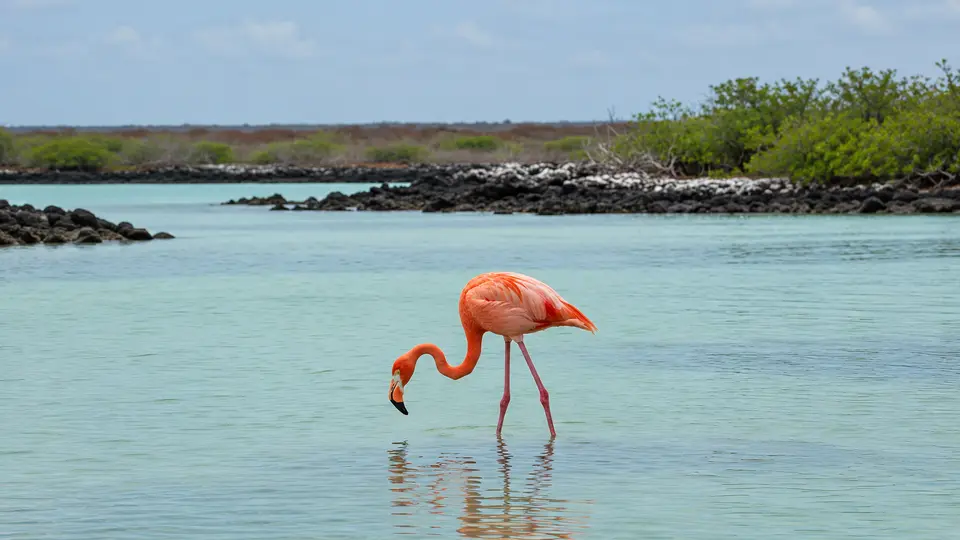
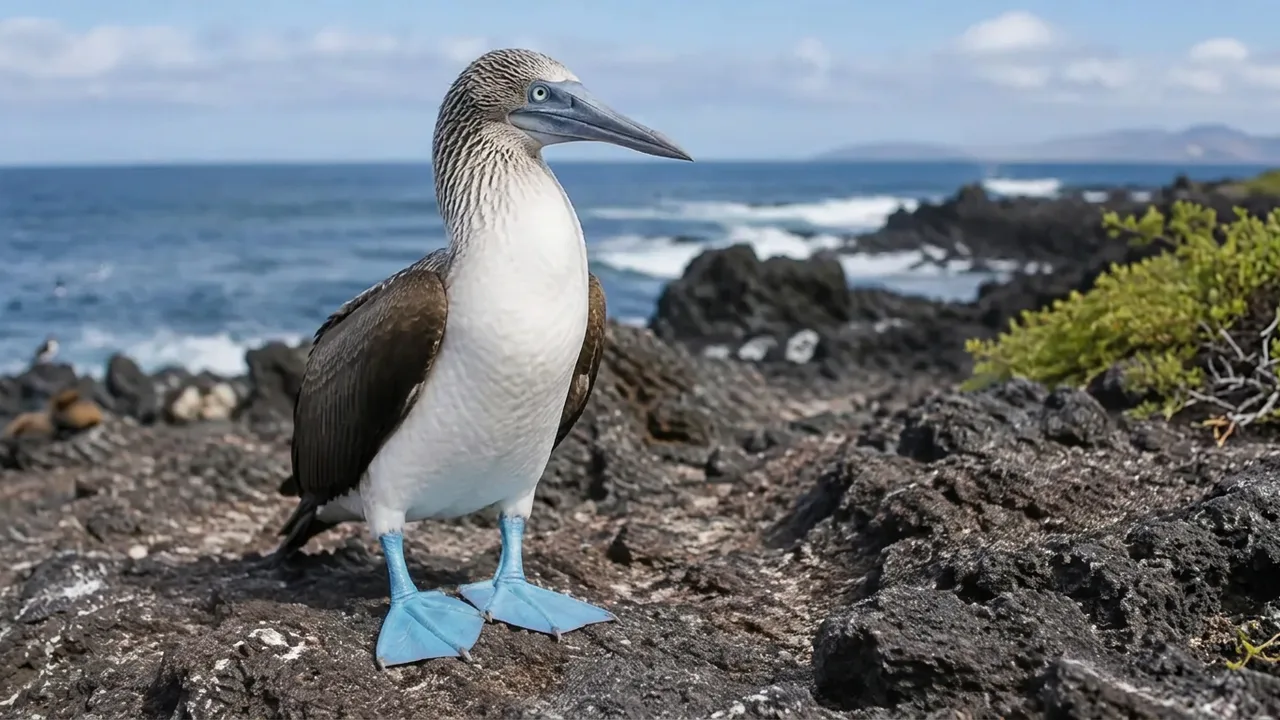
Xantus's HummingbirdAI-modifiedXantus's HummingbirdAmerican FlamingoAI-modifiedAmerican FlamingoBlue-footed BoobyAI-modifiedBlue-footed Booby
Animal groupBirdsAnimal groupBirdsAnimal groupBirds
DestinationsMexicoDestinationsGalapagos, MexicoDestinationsCosta Rica, Galapagos, Mexico
Scientific nameBasilinna xantusiiScientific nameScientific name
All wildlife destinations
AI-modified
Plan your trip

Find your next wildlife adventure

Compare destinations, shore programs and dates with the animals and habitats you would love to see.

  • Naturalist-led shore excursions
  • Responsible wildlife watching
  • Small expedition ships