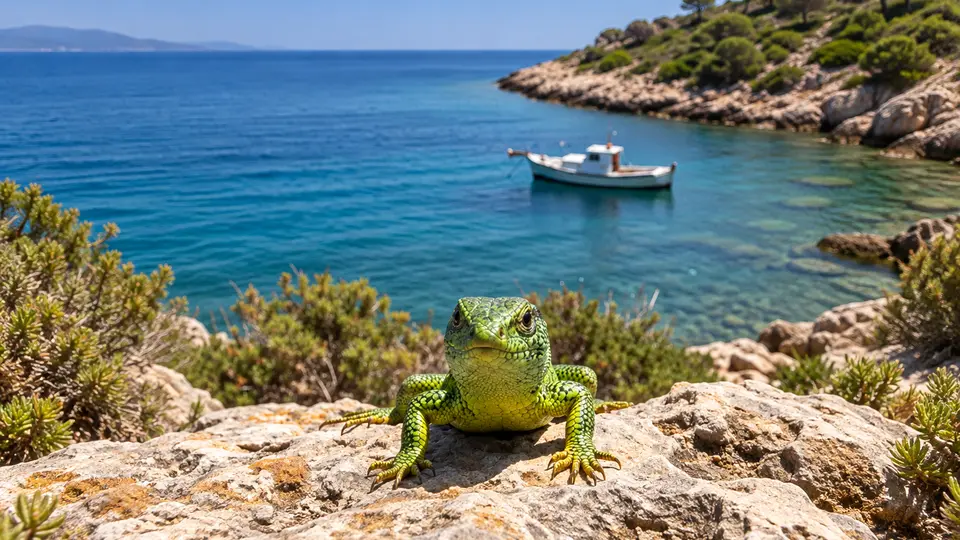
Balkan Green Lizard in its natural habitat, AI illustration
Size30–50 cm total lengthLifespanNot reliably establishedStatusLeast Concern

Balkan Green Lizard: where and when to see them

Lacerta trilineata

Balkan Green Lizard at a glance

The Balkan green lizard is one of southeastern Europe's largest lacertid lizards, with adults often showing vivid green coloration and a very long tail. Young animals look quite different, commonly carrying pale longitudinal stripes against a brown background. In Greece it occupies many sunny, well-vegetated landscapes, including some coastal areas. Its appearance overlaps with related green lizards, so geography, age and detailed markings matter more than color alone for confident identification.

Behaviour & reproduction

Size
30–50 cm total length
Weight
Not reliably established
Lifespan
Not reliably established
Status
Least Concern

These lizards alternate between basking and short foraging movements, keeping dense vegetation or rock crevices within reach. They can climb low shrubs and disappear quickly through tangled cover when alarmed. Males become more conspicuous during spring territorial and courtship activity, sometimes pursuing rivals. Summer heat often concentrates surface activity into cooler hours. Females lay eggs in sheltered ground, and newly emerged juveniles are much smaller and more strongly striped than adults. Courtship involves elaborate displays by males, including head-bobbing and sometimes aggressive chases of females, leading to copulation. Females typically deposit 6-20 oval, soft-shelled eggs in a shallow nest chamber dug in loose soil or under a rock, with hatching occurring after several weeks depending on temperature. Their rapid retreat to cover when disturbed is a primary anti-predator strategy, making them challenging to observe up close for extended periods.

Top wildlife locations

Greece wildlife habitat

Greece

Sunny coastal scrub, old stone walls and vegetated path edges on the mainland and occupied islands offer plausible habitat. Some populations require inland walks, and related green lizards complicate identification in overlapping areas.

Adventure cruises in Greece
Destinations describe the species' habitat, not guaranteed cruise stops. Some animals require an optional inland excursion or are found in restricted reserves.

Fun facts about the Balkan Green Lizard

  • The name trilineata refers to the three pale lines commonly visible on young animals.
  • Its tail accounts for much of its impressive total length.
  • Tail shedding can help escape a predator, but replacement tissue is not an exact replica.
  • Young brown-striped animals can be mistaken for a different species from bright green adults.

Best time to see the Balkan Green Lizard

Spring and early summer usually offer useful viewing conditions in Greece, with active adults basking and breeding. Early autumn may also be productive. During midsummer, watch only during cooler walking hours; winter activity is limited and strongly dependent on local climate. The peak activity period for these lizards generally aligns with the spring breeding season when males are most visible, but warm, sunny days in early autumn can also stimulate significant activity before winter dormancy. During hot summer months, their activity shifts to cooler morning and late afternoon hours to avoid overheating. Hibernation typically occurs from late autumn through winter, depending on local climatic conditions.

Balkan Green Lizard: season matrix by destination

Travel and observation windows vary by region. Highlighted months are an orientation for planning, not confirmed sightings or a guarantee of access.

Greece

These months broadly favor mild-weather walking and surface activity; elevation, island distribution and daily temperatures influence opportunities more than a fixed national season.

JanFebMarAprMayJunJulAugSepOctNovDec
Cruise ships in Greece

Where the Balkan Green Lizard lives

Typical habitat combines sunshine with substantial cover: scrub, hedgerows, field margins, rocky slopes and open woodland. Coastal vegetation and overgrown stone walls can be suitable. Bare sand, heavily cleared waterfronts and places lacking escape cover are less useful. This species exhibits a strong preference for warm, dry environments and can tolerate a range of altitudes from sea level up to moderate elevations in mountainous regions. They often utilize burrows or rock crevices for refuge from predators and extreme temperatures, showcasing their adaptability to diverse microhabitats. In agricultural landscapes, olive groves and vineyards with suitable ground cover provide excellent habitat.

What the Balkan Green Lizard eats

It feeds mainly on insects and other terrestrial invertebrates, including beetles, grasshoppers, spiders and snails. Larger individuals can occasionally take small vertebrates. Prey is found through active searching around vegetation, stones and leaf litter rather than prolonged ambush alone. While primarily insectivorous, they are opportunistic predators and will consume a wide variety of arthropods available in their local environment. Instances of cannibalism on smaller conspecifics, particularly juveniles, have been recorded in some populations. They use their keen eyesight to locate prey, often ambushing or actively pursuing it in short bursts.

Species at a glance

Common name
Balkan Green Lizard
Scientific name
Lacerta trilineata
Animal group
Reptiles
Size
30–50 cm total length
Weight
Not reliably established
Lifespan
Not reliably established
Status
Least Concern
Identification
Often larger and heavier-headed than related green lizards, it commonly has three pale juvenile stripes, but adults may require locality and scale details for reliable separation. Adult male Lacerta trilineata typically display vibrant green coloration with a more robust head, sometimes featuring a bluish hue on the head during the breeding season. Females are often a duller green or olive, and while juveniles possess three distinct pale stripes, these often fade or break up into spots in mature adults. Positive identification often relies on careful observation of the number and arrangement of large temporal scales.

Balkan Green Lizard: frequently asked questions

Where can I see the Balkan Green Lizard?
Greece. Scan sunny scrub edges from paths without pursuing lizards into cover. Never catch one by its tail, which can detach, and avoid lifting refuge stones or trampling fragile coastal vegetation. When observing from a distance, look for movement near the base of sun-drenched bushes or along old stone walls, as these are prime basking and foraging areas. Their bright coloration, especially in males, can make them stand out against dry vegetation if you scan carefully. Patience is key, as they often remain still for extended periods before darting into action.
When is the best time to see the Balkan Green Lizard?
Spring and early summer usually offer useful viewing conditions in Greece, with active adults basking and breeding. Early autumn may also be productive. During midsummer, watch only during cooler walking hours; winter activity is limited and strongly dependent on local climate. The peak activity period for these lizards generally aligns with the spring breeding season when males are most visible, but warm, sunny days in early autumn can also stimulate significant activity before winter dormancy. During hot summer months, their activity shifts to cooler morning and late afternoon hours to avoid overheating. Hibernation typically occurs from late autumn through winter, depending on local climatic conditions.
How big does the Balkan Green Lizard get?
30–50 cm total length. Adult weight: Not reliably established. Size varies with age, sex and population.
How should I behave around the Balkan Green Lizard?
Scan sunny scrub edges from paths without pursuing lizards into cover. Never catch one by its tail, which can detach, and avoid lifting refuge stones or trampling fragile coastal vegetation. When observing from a distance, look for movement near the base of sun-drenched bushes or along old stone walls, as these are prime basking and foraging areas. Their bright coloration, especially in males, can make them stand out against dry vegetation if you scan carefully. Patience is key, as they often remain still for extended periods before darting into action.
What does the Balkan Green Lizard eat?
It feeds mainly on insects and other terrestrial invertebrates, including beetles, grasshoppers, spiders and snails. Larger individuals can occasionally take small vertebrates. Prey is found through active searching around vegetation, stones and leaf litter rather than prolonged ambush alone. While primarily insectivorous, they are opportunistic predators and will consume a wide variety of arthropods available in their local environment. Instances of cannibalism on smaller conspecifics, particularly juveniles, have been recorded in some populations. They use their keen eyesight to locate prey, often ambushing or actively pursuing it in short bursts.
Are wildlife sightings guaranteed on an adventure cruise?
No. Animals move freely and routes, weather, access restrictions and local conditions influence every outing. Confirm the actual itinerary and shore programme before booking.

Compare wildlife in the same destinations

Explore other reptiles recorded in these destinations. Similar surroundings do not mean the animals share the same habits or viewing season.

Species comparison by animal group and destination
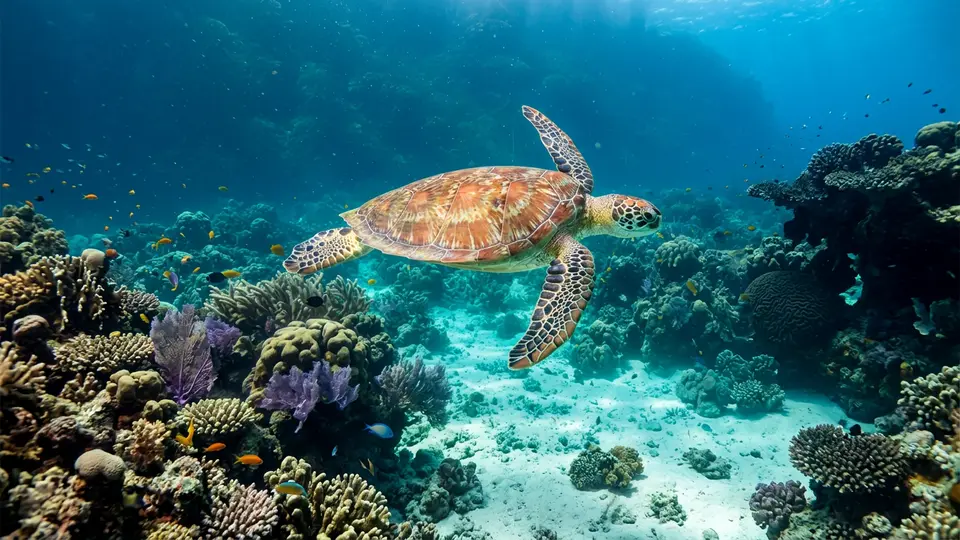
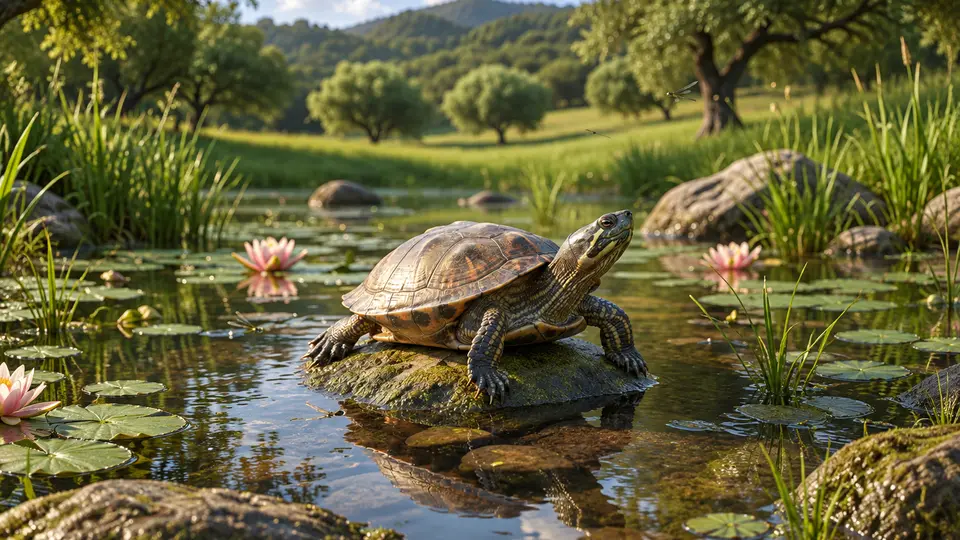
Balkan Green LizardBalkan Green LizardBalkan Pond TurtleBalkan Pond TurtleGreen Sea TurtleGreen Sea Turtle
Animal groupReptilesAnimal groupReptilesAnimal groupReptiles
DestinationsGreeceDestinationsGreeceDestinationsCosta Rica, Florida, Galapagos, Mexico, Cape Verde, Egypt, Greece, Seychelles, Turkey, Indonesia, Maldives, Thailand, Vietnam, Australia, Fiji, Polynesia
All wildlife destinations
Plan your trip

Find your next wildlife adventure

Compare destinations, shore programmes and dates with the animals and habitats you would love to see.

  • Naturalist-led shore excursions
  • Responsible wildlife watching
  • Small expedition ships

Newsletter

Take Blue Rides with you

Adventure cruise offers, last-minute deals and trip inspiration.

Free, unsubscribe anytime. Details: Privacy Policy

Partner with Blue Rides

Affiliate Program

Recommend adventure cruises and earn commission on every confirmed booking.

Share. Track. Earn.