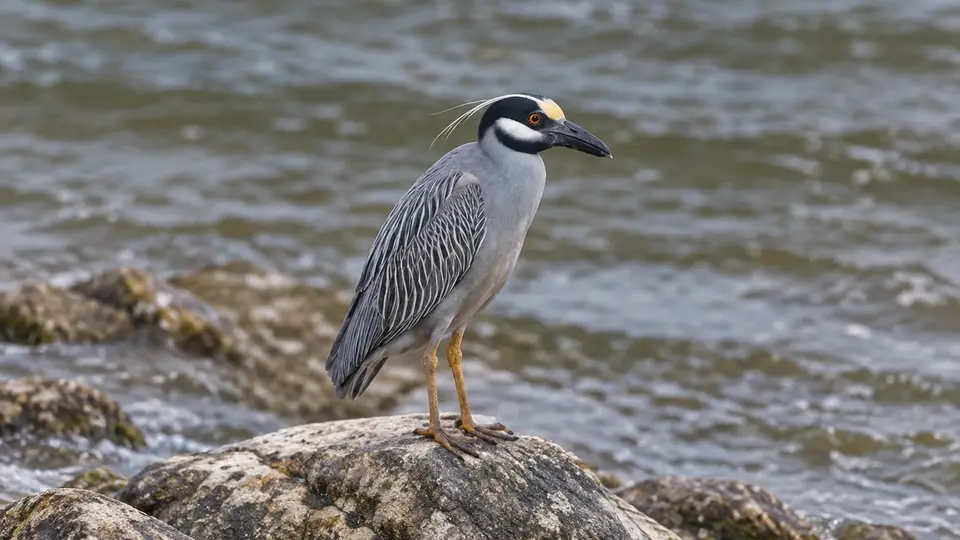
Yellow-crowned Night Heron in its natural habitatAI-modified

Yellow-crowned Night HeronNyctanassa violaceaWhere and when to see them

Yellow-crowned Night Heron at a glance

The yellow-crowned night heron is a sturdy American heron particularly associated with crab-rich wetlands. Adults have gray bodies, boldly patterned black-and-white heads and a pale yellowish crown, with long head plumes during breeding. Unlike a purely nocturnal specialist, it may feed by day whenever tides expose suitable prey. Costa Rica's mangroves and estuaries provide useful habitat, although birds can be difficult to notice while resting quietly among branches.

Behaviour & reproduction

Size
55-70 cm (21.7-27.6 in) body length
Weight
650-850 g (22.9-30.0 oz)
Lifespan
Not reliably established
Status
Least Concern

A hunting bird often stands motionless before making a deliberate approach and rapid strike at a crab. Captured prey may be shaken or manipulated to remove awkward limbs before swallowing. Activity follows prey availability and tides as well as daylight, so daytime feeding is not unusual. Birds roost in trees and shrubs and nest in loose groups or isolated pairs, maintaining a quieter presence than many conspicuous wetland birds. Courtship displays involve bowing, stretching, and bill-clapping, typically occurring at the start of the breeding season. They are often most active during twilight hours, but opportunistic feeding occurs throughout the day when prey is accessible.

Top wildlife locations

Costa Rica wildlife habitatAI-modified

Costa Rica

Mangrove boardwalks and public estuary paths on either coast provide plausible shore-viewing habitat. Dense roosts may be inaccessible, and some wetlands require a separate land excursion rather than a beach visit.
Destinations describe the species' habitat, not guaranteed cruise stops. Some animals require an optional inland excursion or are found in restricted reserves.

Fun facts about the Yellow-crowned Night Heron

  • Its feeding schedule often follows the tides rather than darkness alone.
  • Coastal populations are specialized crab hunters.
  • Breeding adults develop long, slender plumes behind the head.
  • Juveniles are brown and spotted, lacking the adults' bold head pattern.

Best time to see the Yellow-crowned Night Heron

Resident birds can be present throughout the year in Costa Rica. The Pacific dry season often makes estuary trails easier to use, but tidal stage is especially important for feeding views. Caribbean rainfall patterns differ, so one national dry-season rule is misleading. While resident year-round, local movements are influenced by the availability of food resources and suitable nesting sites. Cruise itineraries during the dry season generally offer more predictable weather for shore excursions.

Yellow-crowned Night Heron: season matrix by destination

Travel and observation windows vary by region. Highlighted months are an orientation for planning, not confirmed sightings or a guarantee of access.

Costa Rica

This is primarily a Pacific-side access window; birds are resident, Caribbean weather differs, and tide can matter more than month.

JanFebMarAprMayJunJulAugSepOctNovDec
Cruise ships in Costa Rica

Where the Yellow-crowned Night Heron lives

Mangroves, tidal creeks, estuaries, saltmarsh edges and coastal woodland are characteristic habitats, although freshwater wetlands are also used. Trees or shrubs provide roosting and nesting cover near feeding grounds. Public estuary trails may offer views without entering fragile mudflats or mangrove roots. These herons favor areas where a mix of open water, mudflats, and dense vegetation provides both foraging opportunities and secure roosting or nesting sites. During high tide, they may retreat to mangrove branches to wait for lower water levels.

What the Yellow-crowned Night Heron eats

Crabs are the principal prey in many coastal populations, with crayfish important in some freshwater areas. Other crustaceans, insects, mollusks and occasional vertebrates supplement the diet. Its relatively stout bill is well suited to seizing and handling hard-bodied prey. Young birds often consume smaller crustaceans and insects, gradually shifting to larger crabs as they mature and their bills strengthen. They use their keen eyesight to spot prey from a vantage point before striking swiftly.

Species at a glance

Common name
Yellow-crowned Night Heron
Scientific name
Nyctanassa violacea
Animal group
Birds
Size
55-70 cm (21.7-27.6 in) body length
Weight
650-850 g (22.9-30.0 oz)
Lifespan
Not reliably established
Status
Least Concern
Identification
Adults have a pale crown, black face and white cheek stripe, unlike black-crowned night herons, which have a black crown and back with plainer pale faces. Juvenile yellow-crowned night herons are streaky brown with pale spots, and lack the distinctive adult head pattern, making them harder to identify without experience. Their stout, dark bill and yellow-orange eyes are consistent features across ages.

Yellow-crowned Night Heron: frequently asked questions

Where can I see the Yellow-crowned Night Heron?
Costa Rica. Watch quietly from firm paths or boardwalks as tides expose creek margins. Do not enter mangrove roots or approach roosts, and remain alert to crocodiles near estuaries; allow feeding birds room to continue undisturbed. Scanning mangrove edges and tidal flats from the deck of a zodiac or small boat can also yield excellent views, especially during low tide. Look for their distinct crouched posture on exposed roots or mud. Patience is key, as they can remain still for extended periods.
When is the best time to see the Yellow-crowned Night Heron?
Resident birds can be present throughout the year in Costa Rica. The Pacific dry season often makes estuary trails easier to use, but tidal stage is especially important for feeding views. Caribbean rainfall patterns differ, so one national dry-season rule is misleading. While resident year-round, local movements are influenced by the availability of food resources and suitable nesting sites. Cruise itineraries during the dry season generally offer more predictable weather for shore excursions.
How big does the Yellow-crowned Night Heron get?
55-70 cm (21.7-27.6 in) body length. Adult weight: 650-850 g (22.9-30.0 oz). Size varies with age, sex and population.
How should I behave around the Yellow-crowned Night Heron?
Watch quietly from firm paths or boardwalks as tides expose creek margins. Do not enter mangrove roots or approach roosts, and remain alert to crocodiles near estuaries; allow feeding birds room to continue undisturbed. Scanning mangrove edges and tidal flats from the deck of a zodiac or small boat can also yield excellent views, especially during low tide. Look for their distinct crouched posture on exposed roots or mud. Patience is key, as they can remain still for extended periods.
What does the Yellow-crowned Night Heron eat?
Crabs are the principal prey in many coastal populations, with crayfish important in some freshwater areas. Other crustaceans, insects, mollusks and occasional vertebrates supplement the diet. Its relatively stout bill is well suited to seizing and handling hard-bodied prey. Young birds often consume smaller crustaceans and insects, gradually shifting to larger crabs as they mature and their bills strengthen. They use their keen eyesight to spot prey from a vantage point before striking swiftly.
Are wildlife sightings guaranteed on an adventure cruise?
No. Animals move freely and routes, weather, access restrictions and local conditions influence every outing. Confirm the actual itinerary and shore program before booking.

Compare wildlife in the same destinations

Explore other birds recorded in these destinations. Similar surroundings do not mean the animals share the same habits or viewing season.

Species comparison by animal group and destination
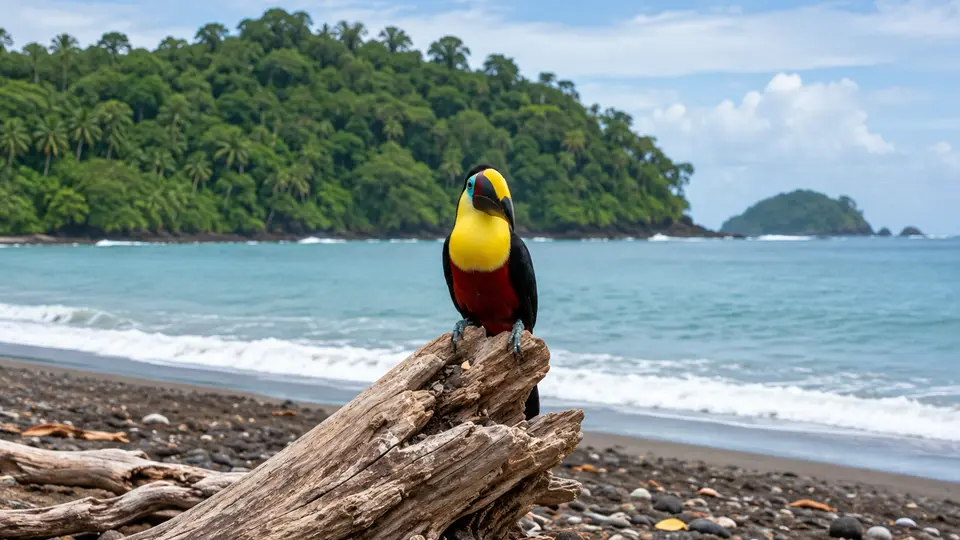
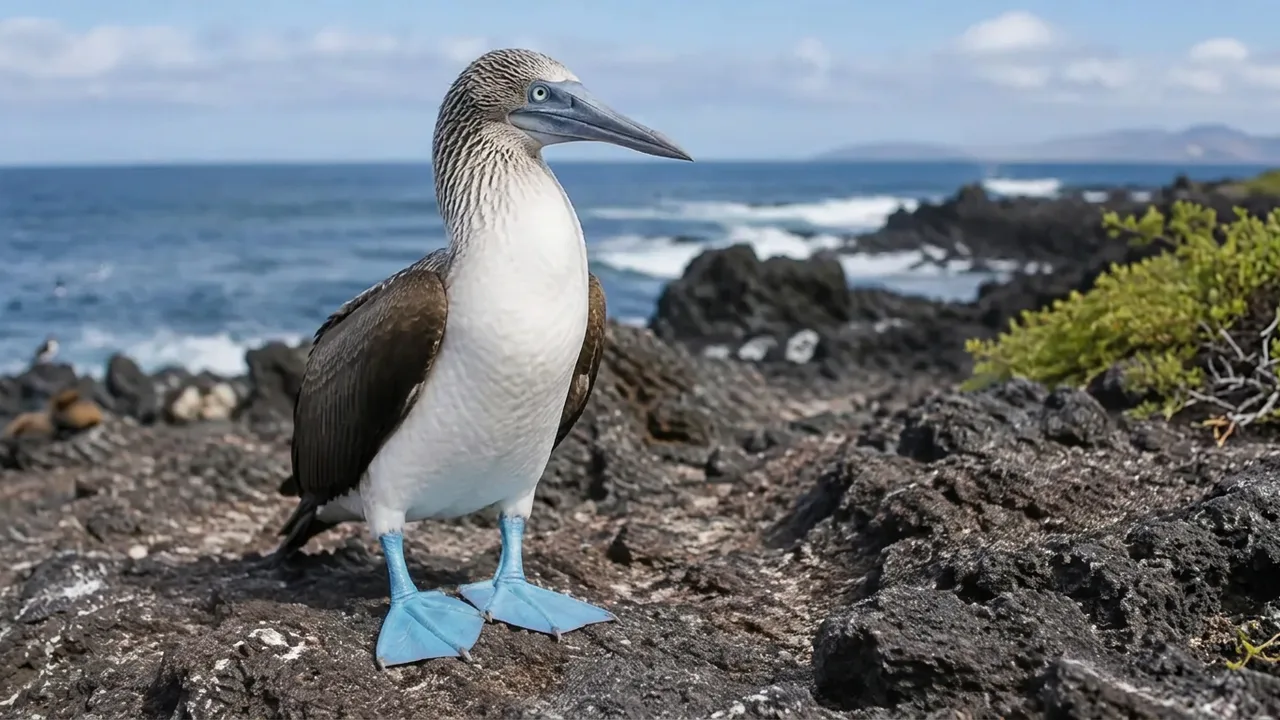
Yellow-crowned Night HeronAI-modifiedYellow-crowned Night HeronBlack-mandibled ToucanAI-modifiedBlack-mandibled ToucanBlue-footed BoobyAI-modifiedBlue-footed Booby
Animal groupBirdsAnimal groupBirdsAnimal groupBirds
DestinationsCosta RicaDestinationsCosta RicaDestinationsCosta Rica, Galapagos, Mexico
Scientific nameNyctanassa violaceaScientific nameScientific name
All wildlife destinations
AI-modified
Plan your trip

Find your next wildlife adventure

Compare destinations, shore programs and dates with the animals and habitats you would love to see.

  • Naturalist-led shore excursions
  • Responsible wildlife watching
  • Small expedition ships