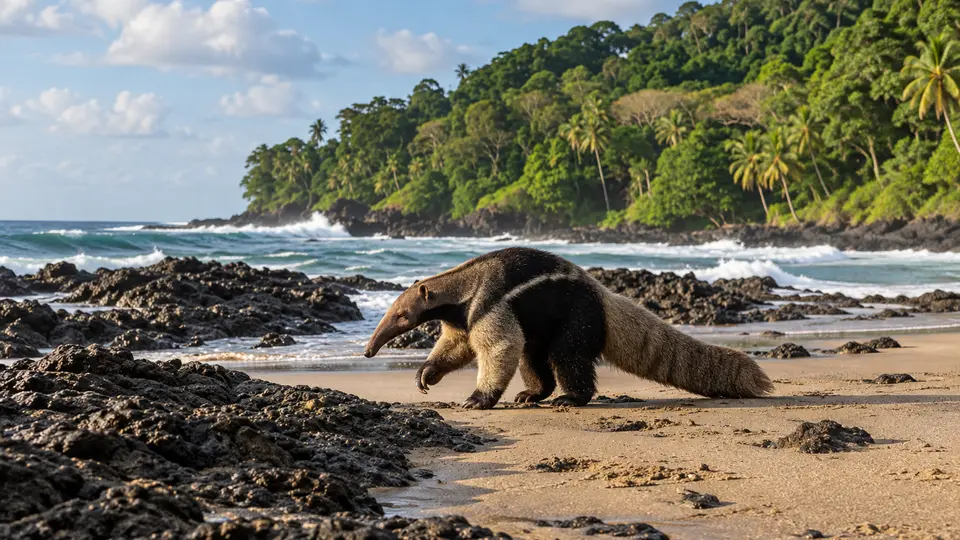
Northern Tamandua in its natural habitatAI-modified

Northern TamanduaTamandua mexicanaWhere and when to see them

Northern Tamandua at a glance

The northern tamandua is a medium-sized anteater of tropical Mexico, Central America and northwestern South America. In Costa Rica, its pale body and dark vest can occasionally be seen moving through forest branches or crossing the ground. A long muzzle, powerful foreclaws and grasping tail suit a life divided between trees and forest floor. Although globally assessed as Least Concern, it is vulnerable locally to habitat loss, road traffic and attacks by dogs.

Behaviour & reproduction

Size
47–77 cm (18.5–30.3 in) head-body length; 40–67 cm (15.7–26.4 in) tail
Weight
3–6 kg (6.6–13.2 lb)
Lifespan
Not reliably established
Status
Least Concern

Northern tamanduas are mostly solitary and may be active by day or night, depending on local conditions. They climb deliberately, using their tail for support while probing branches and opening insect nests. On the ground, they turn the forefeet inward to protect their long claws. When threatened, a tamandua may brace against a tree or balance on its hind legs and tail, leaving its powerful front claws free for defence. They have a powerful grip with their prehensile tail, which is used like a fifth limb for balance and support while climbing. When resting, a tamandua often curls into a ball, especially in tree hollows or dense vegetation.

Top wildlife locations

Costa Rica wildlife habitatAI-modified

Costa Rica

Coastal lowland forest, mangrove margins and inland woodland provide habitat, but tamanduas are easily overlooked. A guided forest excursion is usually more suitable than open-shore watching, and encounters remain unpredictable.
Destinations describe the species' habitat, not guaranteed cruise stops. Some animals require an optional inland excursion or are found in restricted reserves.

Fun facts about the Northern Tamandua

  • Its toothless mouth relies on a sticky tongue rather than chewing to collect and swallow prey.
  • The partly hairless underside of the tail helps it grip branches.
  • A youngster rides on its mother's back while she travels and forages.
  • Strong-smelling secretions provide an additional defence alongside its formidable foreclaws.

Best time to see the Northern Tamandua

Costa Rica's Pacific dry season often makes forest trails easier to use, but tamanduas remain active throughout the year and have no dependable public viewing season. Caribbean rainfall patterns differ. Sightings depend more on local habitat, patient searching and chance than on a particular month. During wet periods, tamanduas may spend more time in trees to avoid flooded ground. For cruise passengers, excursions into protected forest areas offer the best chance, particularly if guides are familiar with their typical haunts.

Northern Tamandua: season matrix by destination

Travel and observation windows vary by region. Highlighted months are an orientation for planning, not confirmed sightings or a guarantee of access.

Costa Rica

These months are a practical trail-access window on much of the Pacific side, not a tamandua breeding or abundance peak. Caribbean conditions differ, and sightings are possible year-round.

JanFebMarAprMayJunJulAugSepOctNovDec
Cruise ships in Costa Rica

Where the Northern Tamandua lives

This species inhabits tropical evergreen forest, seasonal dry forest, secondary woodland and some mangrove or wooded agricultural landscapes. It uses both canopy and ground-level routes. Connected vegetation and abundant social insects matter more than proximity to the coast, so forest excursions are often necessary. They are well-adapted to life both arboreal and terrestrial, often moving between trees and the ground. This versatility allows them to exploit a wider range of food sources across different strata of the forest.

What the Northern Tamandua eats

Northern tamanduas feed principally on ants and termites, breaking into nests with strong claws and collecting insects with a long, sticky tongue. They often take brief meals from multiple colonies, limiting exposure to defensive insects. They have no teeth and swallow their small prey whole. Their specialized diet means they consume vast numbers of ants and termites, acting as important insect population regulators in their ecosystems. They primarily target larvae and adult workers, avoiding soldiers when possible.

Species at a glance

Common name
Northern Tamandua
Scientific name
Tamandua mexicana
Animal group
Mammals
Size
47–77 cm (18.5–30.3 in) head-body length; 40–67 cm (15.7–26.4 in) tail
Weight
3–6 kg (6.6–13.2 lb)
Lifespan
Not reliably established
Status
Least Concern
Identification
Its black vest, pale limbs and partly bare prehensile tail distinguish it from the much smaller silky anteaters and the larger, bushy-tailed giant anteater, though southern tamanduas can look similar. Their relatively small eyes and poor eyesight mean they rely more on their excellent sense of smell and hearing to find food and detect predators. Look for the distinct black 'vest' pattern that can vary slightly in shape, sometimes appearing as a complete band or a more broken shape.

Northern Tamandua: frequently asked questions

Where can I see the Northern Tamandua?
Costa Rica. Watch quietly from a trail and leave an unobstructed escape route. Never corner, handle or approach a tamandua for photographs: its digging claws can cause serious injury, especially when it adopts a defensive stance. Remember that disturbing wildlife can alter their natural behaviors and feeding patterns. Keep a respectful distance, using binoculars or zoom lenses for closer views.
When is the best time to see the Northern Tamandua?
Costa Rica's Pacific dry season often makes forest trails easier to use, but tamanduas remain active throughout the year and have no dependable public viewing season. Caribbean rainfall patterns differ. Sightings depend more on local habitat, patient searching and chance than on a particular month. During wet periods, tamanduas may spend more time in trees to avoid flooded ground. For cruise passengers, excursions into protected forest areas offer the best chance, particularly if guides are familiar with their typical haunts.
How big does the Northern Tamandua get?
47–77 cm (18.5–30.3 in) head-body length; 40–67 cm (15.7–26.4 in) tail. Adult weight: 3–6 kg (6.6–13.2 lb). Size varies with age, sex and population.
How should I behave around the Northern Tamandua?
Watch quietly from a trail and leave an unobstructed escape route. Never corner, handle or approach a tamandua for photographs: its digging claws can cause serious injury, especially when it adopts a defensive stance. Remember that disturbing wildlife can alter their natural behaviors and feeding patterns. Keep a respectful distance, using binoculars or zoom lenses for closer views.
What does the Northern Tamandua eat?
Northern tamanduas feed principally on ants and termites, breaking into nests with strong claws and collecting insects with a long, sticky tongue. They often take brief meals from multiple colonies, limiting exposure to defensive insects. They have no teeth and swallow their small prey whole. Their specialized diet means they consume vast numbers of ants and termites, acting as important insect population regulators in their ecosystems. They primarily target larvae and adult workers, avoiding soldiers when possible.
Are wildlife sightings guaranteed on an adventure cruise?
No. Animals move freely and routes, weather, access restrictions and local conditions influence every outing. Confirm the actual itinerary and shore program before booking.

Compare wildlife in the same destinations

Explore other mammals recorded in these destinations. Similar surroundings do not mean the animals share the same habits or viewing season.

Species comparison by animal group and destination
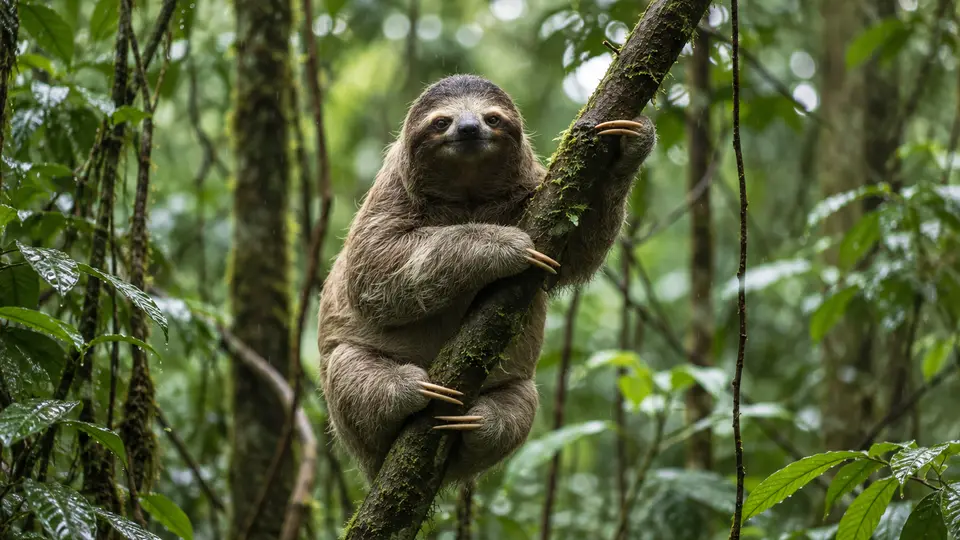
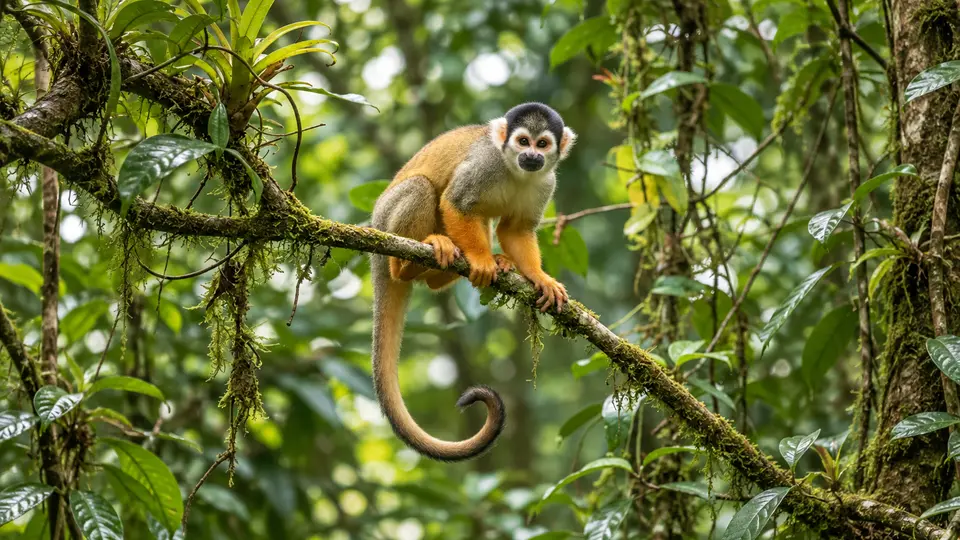
Northern TamanduaAI-modifiedNorthern TamanduaBrown-throated SlothAI-modifiedBrown-throated SlothCentral American Squirrel MonkeyAI-modifiedCentral American Squirrel Monkey
Animal groupMammalsAnimal groupMammalsAnimal groupMammals
DestinationsCosta RicaDestinationsCosta RicaDestinationsCosta Rica
Scientific nameTamandua mexicanaScientific nameScientific name
All wildlife destinations
AI-modified
Plan your trip

Find your next wildlife adventure

Compare destinations, shore programs and dates with the animals and habitats you would love to see.

  • Naturalist-led shore excursions
  • Responsible wildlife watching
  • Small expedition ships