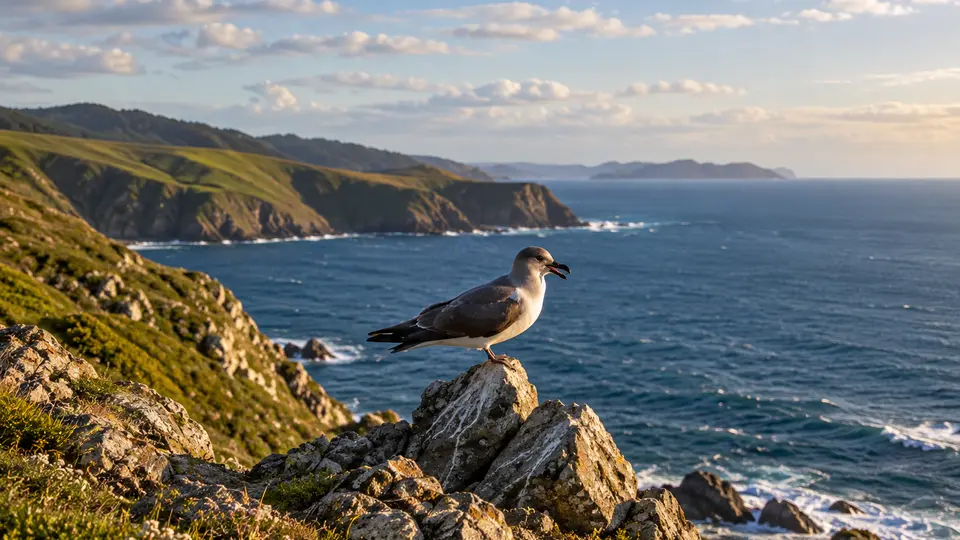
Cook's petrel in its natural habitatAI-modified

Cook's petrelPterodroma cookiiWhere and when to see them

Cook's petrel at a glance

Cook's petrel is a small, ocean-ranging seabird that breeds in New Zealand and spends much of its life over the Pacific. Its grey upperparts, white underside and swift, banking flight suit a life far from land. Breeding colonies occupy burrows on protected islands, where restoration has reduced introduced-predator pressure. For most visitors it is a challenging bird to identify from a distant headland or vessel deck, rather than a readily accessible colony species.

Behaviour & reproduction

Size
25–30 cm (9.8–11.8 in) long
Weight
180–250 g (6.3–8.8 oz)
Lifespan
Not reliably established
Status
Vulnerable

At sea, Cook's petrels alternate rapid wingbeats with graceful glides, rising and dipping as they search wide areas for scattered prey. They return to breeding colonies mainly at night, reducing exposure to daytime predators. Pairs share incubation and chick provisioning, with each adult making extended feeding trips. Outside the breeding period, birds disperse across the Pacific, so the birds visible off New Zealand vary substantially with season, weather and location. Courtship involves aerial chases and vocalizations near breeding burrows, particularly during moonless nights. They exhibit site fidelity, returning to the same burrow and mate year after year if successful, demonstrating a strong pair bond.

Top wildlife locations

New Zealand wildlife habitatAI-modified

New Zealand

Exposed northern headlands and offshore deck routes near breeding regions offer possible distant views. Birds often remain far offshore, and protected island colonies are not assumed accessible to ordinary shore visitors.
Destinations describe the species' habitat, not guaranteed cruise stops. Some animals require an optional inland excursion or are found in restricted reserves.

Fun facts about the Cook's petrel

  • It belongs to the gadfly petrels, named for their agile, restless flight.
  • A breeding attempt normally involves a single egg.
  • Chicks are provisioned with concentrated stomach oil as well as prey.
  • Introduced-predator removal has been crucial to protecting its island colonies.

Best time to see the Cook's petrel

The New Zealand breeding period broadly spans spring through early autumn, making October to March a reasonable regional observation window. This does not imply that colonies are publicly accessible. Distant coastal visibility depends heavily on winds, sea conditions and the birds' offshore movements. Peak breeding activity and chick rearing occurs from December to February, offering the highest chance of observing adults near colonies at night. Post-breeding dispersal sees birds migrating north into the equatorial Pacific, making them scarce in New Zealand waters during the austral winter.

Cook's petrel: season matrix by destination

Travel and observation windows vary by region. Highlighted months are an orientation for planning, not confirmed sightings or a guarantee of access.

New Zealand

This window overlaps breeding activity in New Zealand, but shore encounters remain unpredictable and colony access requires separate authorization.

JanFebMarAprMayJunJulAugSepOctNovDec
Cruise ships in New Zealand

Where the Cook's petrel lives

Breeding habitat consists of burrows in forested or vegetated island slopes with suitable soil. Away from colonies, the species occupies offshore and oceanic waters, often beyond easy coastal viewing range. Headlands overlooking deep water provide more plausible distant opportunities than sheltered harbours. They are particularly associated with relict broadleaf forests and regenerating scrub on their breeding islands, favoring higher elevations. Introduced mammalian predators like rats and cats have severely impacted historic colony sites, leading to their extirpation from many former breeding areas.

What the Cook's petrel eats

Small squid, fish and crustaceans are taken at or close to the sea surface. Birds search dispersed oceanic feeding areas rather than relying on a single coastal food source. Food brought to chicks includes energy-rich stomach oil produced from digested prey. Their diet primarily consists of cephalopods and small fish, which they snatch from the surface or just below while on the wing or swimming. Stomach content analysis has revealed a significant proportion of bioluminescent squid species, suggesting nocturnal or deep-water foraging.

Species at a glance

Common name
Cook's petrel
Scientific name
Pterodroma cookii
Animal group
Birds
Size
25–30 cm (9.8–11.8 in) long
Weight
180–250 g (6.3–8.8 oz)
Lifespan
Not reliably established
Status
Vulnerable
Identification
Compared with Pycroft's petrel, Cook's petrel generally has a paler head and less strongly marked underwing, but reliable separation often requires excellent views and expert assessment. Key features for identification include their small size, very pale face extending above the eye, and a distinct M-shaped dark dorsal wing pattern. Their flight style is typically very erratic and buoyant, with quick changes in direction.

Cook's petrel: frequently asked questions

Where can I see the Cook's petrel?
New Zealand. Use binoculars from a secure deck position or a sheltered headland viewpoint. Do not enter burrow colonies or use lights to attract birds; petrels can become disoriented by artificial lighting near breeding islands. Focus viewing efforts during dawn or dusk around their breeding islands, when birds are most active flying to and from burrows. On Pelagic trips, look for them feeding over seamounts or oceanic fronts where prey is concentrated, often associating with other petrel species.
When is the best time to see the Cook's petrel?
The New Zealand breeding period broadly spans spring through early autumn, making October to March a reasonable regional observation window. This does not imply that colonies are publicly accessible. Distant coastal visibility depends heavily on winds, sea conditions and the birds' offshore movements. Peak breeding activity and chick rearing occurs from December to February, offering the highest chance of observing adults near colonies at night. Post-breeding dispersal sees birds migrating north into the equatorial Pacific, making them scarce in New Zealand waters during the austral winter.
How big does the Cook's petrel get?
25–30 cm (9.8–11.8 in) long. Adult weight: 180–250 g (6.3–8.8 oz). Size varies with age, sex and population.
How should I behave around the Cook's petrel?
Use binoculars from a secure deck position or a sheltered headland viewpoint. Do not enter burrow colonies or use lights to attract birds; petrels can become disoriented by artificial lighting near breeding islands. Focus viewing efforts during dawn or dusk around their breeding islands, when birds are most active flying to and from burrows. On Pelagic trips, look for them feeding over seamounts or oceanic fronts where prey is concentrated, often associating with other petrel species.
What does the Cook's petrel eat?
Small squid, fish and crustaceans are taken at or close to the sea surface. Birds search dispersed oceanic feeding areas rather than relying on a single coastal food source. Food brought to chicks includes energy-rich stomach oil produced from digested prey. Their diet primarily consists of cephalopods and small fish, which they snatch from the surface or just below while on the wing or swimming. Stomach content analysis has revealed a significant proportion of bioluminescent squid species, suggesting nocturnal or deep-water foraging.
Are wildlife sightings guaranteed on an adventure cruise?
No. Animals move freely and routes, weather, access restrictions and local conditions influence every outing. Confirm the actual itinerary and shore program before booking.

Compare wildlife in the same destinations

Explore other birds recorded in these destinations. Similar surroundings do not mean the animals share the same habits or viewing season.

Species comparison by animal group and destination
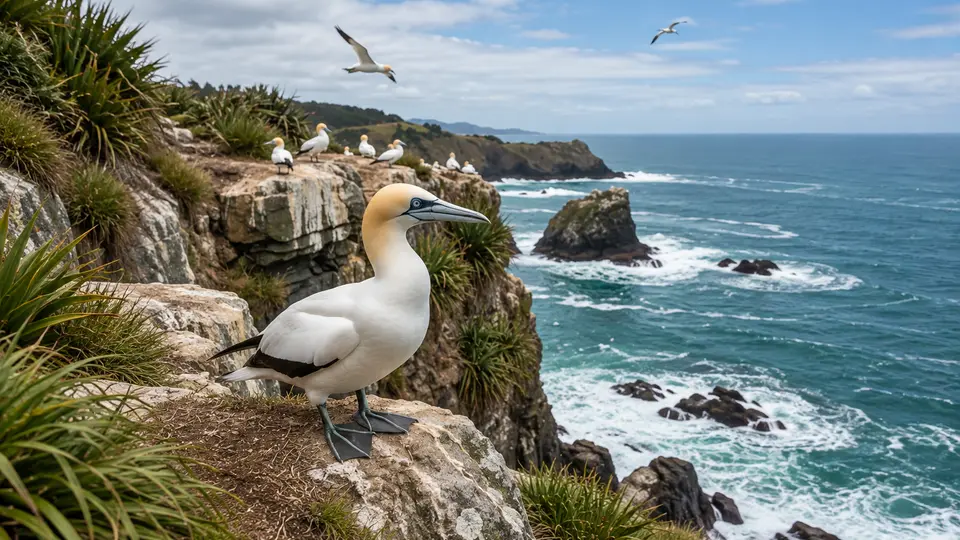
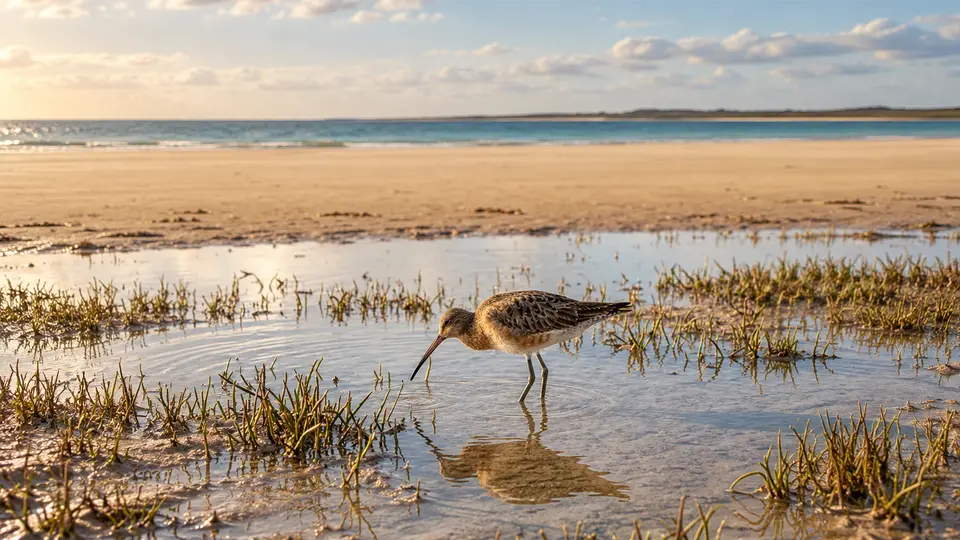
Cook's petrelAI-modifiedCook's petrelAustralasian gannetAI-modifiedAustralasian gannetBar-tailed godwitAI-modifiedBar-tailed godwit
Animal groupBirdsAnimal groupBirdsAnimal groupBirds
DestinationsNew ZealandDestinationsNew ZealandDestinationsAustralia, New Zealand
Scientific namePterodroma cookiiScientific nameScientific name
All wildlife destinations
AI-modified
Plan your trip

Find your next wildlife adventure

Compare destinations, shore programs and dates with the animals and habitats you would love to see.

  • Naturalist-led shore excursions
  • Responsible wildlife watching
  • Small expedition ships