关于 Shark Bay
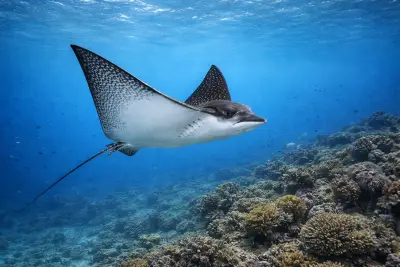
Shark Bay, known in Spanish as Bahia de Tiburones, is a celebrated dive site located off Wolf Island in the remote northern reaches of the Galapagos archipelago. This site is particularly renowned for its exceptional density of sharks, boasting the largest shark biomass globally, and is primarily accessible via liveaboard cruises. It is one of the premier locations within the Galapagos Marine Reserve, which itself is a UNESCO World Heritage Site. The underwater topography of Shark Bay is characterized by rocky walls and slopes, providing a rich habitat for marine life. Divers typically explore these formations where schooling hammerhead sharks, Galapagos sharks, blacktip, and silky sharks are consistently present. The currents in this area contribute significantly to the vibrant marine ecosystem, drawing in large pelagic species. While sharks are the main draw, the site also offers frequent sightings of two species of sea turtles, green and hawksbill, navigating the rocky structures. Eagle rays and vast schools of fish, including snappers, groupers, and jacks, patrol the drop-offs. Dolphins are often encountered, especially at the end of dives when drifting in the blue. The region around Wolf Island, where Shark Bay is located, is also a vital nesting ground for various marine birds, such as Red-footed and Nazca boobies. Diving at Shark Bay typically involves drift diving due to the powerful marine currents, making it suitable for advanced divers. The site is often part of multi-day liveaboard itineraries that dedicate significant time to the Wolf and Darwin Islands, offering multiple dives over two days at these shark-rich locations.
亮点
成群的锤头鲨加拉帕戈斯鲨黑鳍礁鲨丝鲨放流潜水体验绿海龟和玳瑁大型远洋鱼群
季节日历
最佳潜水月份
1月
2月
3月
4月
5月
6月
7月
8月
9月
10月
11月
12月
良好
潜点资料: Shark Bay
- 水流
- 中等 至 heavy, turbine-like
- 能见度
- 8–18 m (25–60 ft)
- 水温
- 18–26°C (65–80°F)
- 入水方式
- 小艇 / 负浮力入水
- 等级
- 高级, 强 流水潜水经验 必需
- 潜水类型
- 漂流潜水, big animals, 鲨鱼
- 地区 / 港口
- Wolf Island, Galápagos
- 坐标
- -0.519005, -90.205999
条件与水流
在鲨鱼湾潜水会遇到强大的海流,通常被形容为“涡轮机般”的强劲,这也是这里远洋生物丰富的主要原因。这些水况需要使用放流潜水技术,因此该潜点适合进阶潜水员。通常,潜水员会配备个人定位信标作为标准安全措施,这也突显了这些海流的强度。能见度可能会有变化,在整个加拉帕戈斯地区通常评为3/5分,水温在温和的14°C到24°C之间,较冷的水温可能意味着存在温跃层。由于强劲的水流,入水和出水程序通常会采用活船操作。 导潜通常将这里的水流评定为激流。 通常会将其简报为适合高级级别潜水员的潜水。 该潜点通过船宿到达,因此入水通常从接驳艇或直接从船尾甲板进行。 由于水流可能迅速增强,因此放流潜水、水面浮标和紧密的团队是这里的标准做法,船员的简报始终优先于任何一般性描述。
海洋生物与遇见概率
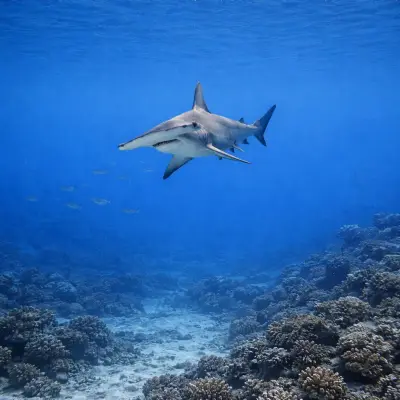
Hammerhead shark
June-November (peak) · 常见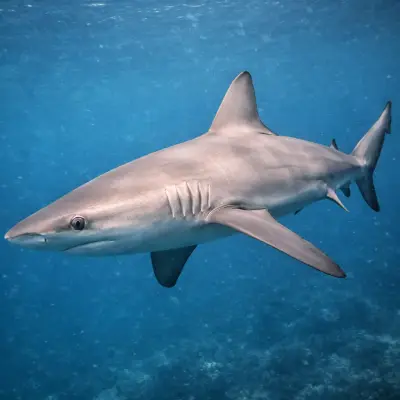
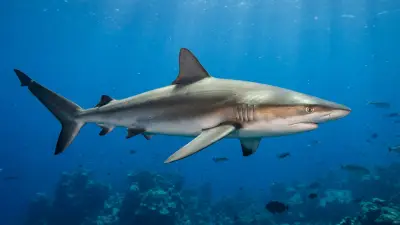
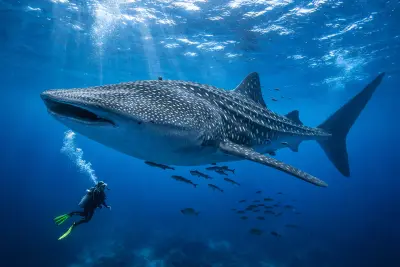
Whale shark
June-November · 偶尔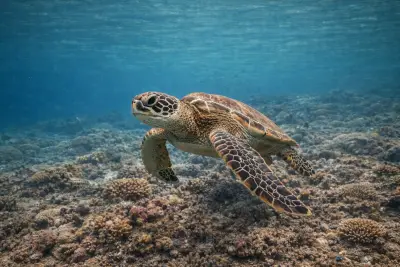

Dolphin
偶尔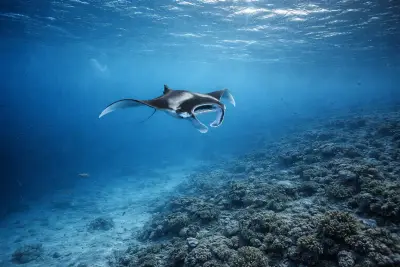
Manta ray
December-June · 偶尔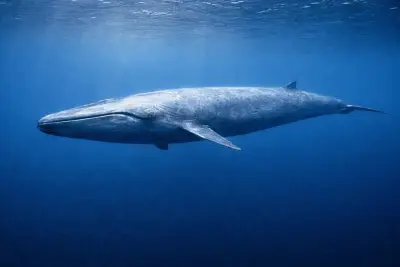
Whale
June-November · 罕见潜水剖面与流程
Dives at Shark Bay often begin with a negative entry from a dinghy to quickly get below the sometimes-choppy surface and strong currents. Divers descend immediately to depths around 20-30 meters, following the rocky contours of the reef or wall. The dive typically proceeds as a drift, allowing the current to carry divers along while observing the active pelagic environment. Key areas include specific ledges or points where hammerhead sharks are frequently sighted in large schools, or where other large predators congregate. Dive guides skillfully navigate to maintain proximity to the most active zones, often allowing divers to use reef hooks to hold position against the current for extended viewing opportunities. The turn point is usually dictated by air consumption or bottom time. Safety stops are often conducted in the blue, potentially still in current, or in slightly more sheltered areas if available, before a safety sausage deployment for pickup by the tender.
水下摄影
Photographing at Shark Bay demands skill and appropriate gear due to strong currents and potential thermoclines. A wide-angle lens is essential for capturing the vast schools of hammerhead sharks, whale sharks, and other large pelagics that frequent the area. Dual strobes are highly recommended to balance ambient light and illuminate subjects effectively, especially in the nutrient-rich waters which can reduce clarity. Due to the dynamic conditions, excellent buoyancy control and comfort with drift diving are paramount to avoid disturbing marine life and to compose shots accurately. Patience is key, as conditions can change rapidly, and animals move quickly. Be mindful of not chasing or crowding marine life, particularly the sharks and rays, allowing them to approach naturally for the best photographic opportunities.
可搭配的邻近潜点
- Fondeadero
Night diving permitted, protected from winds and currents, bioluminescence and Galápagos Fur Seals.
- North Islet / La Banana
Sheer wall with caverns, depths 9-36m, moderate to heavy current, excellent visibility, sharks and mantas.
- The Cave Dive Site
Known for hammerheads, Galápagos sharks, and whale shark encounters.
- Landslide
Highly regarded for hammerhead and Galápagos shark sightings, with whale sharks also possible.
交通与行程
Access to Shark Bay, located at Wolf Island, is exclusively via liveaboard cruises, as Wolf Island is approximately 26 hours of navigation from Santa Cruz and other main islands. Typical liveaboard trips span 7 to 8 days, departing from Baltra (GPS) or San Cristóbal (SCY) airports after initial flights from Quito (UIO) or Guayaquil (GYE) in mainland Ecuador. Divers are advised to arrive at least one day prior to departure to avoid travel delays. Marine park fees and other local taxes are usually paid onboard or upon arrival. These itineraries are specifically designed for serious divers, often combining Wolf Island with other remote sites like Darwin Island to maximize encounters with large pelagic species, requiring an Advanced Open Water certification and often 50-100 logged dives.
安全与环保
Diving at Shark Bay presents significant challenges due to strong, unpredictable currents and varying water conditions, demanding a high level of dive experience and preparation. Divers must carry a surface marker buoy (SMB) and consider a personal location device like an EPIRB, as being pulled away from the group or boat is a realistic possibility. Due to the remote location, evacuation for decompression sickness would be complex and time-consuming, with the nearest hyperbaric chamber in Puerto Ayora on Santa Cruz Island. Comprehensive dive insurance, including coverage for emergency medical evacuation and hyperbaric treatment, is therefore mandatory. It is crucial to adhere strictly to dive leader instructions, manage air consumption diligently in strong currents, and be proficient in negative entries and drift diving techniques. Divers should also be aware of potential thermoclines and ensure adequate thermal protection.
适合谁 — 不适合谁
适合
- Experienced divers comfortable with strong currents
- Photographers with wide-angle setups seeking pelagics
- Divers seeking frequent shark encounters
- Liveaboard enthusiasts focused on remote sites
- Those looking for exhilarating drift dives
不太适合
- Beginner or newly certified divers
- Divers uncomfortable with strong currents or choppy conditions
- Individuals prone to seasickness on long liveaboard journeys
- Divers with limited cold water or negative entry experience
- Those preferring calm, shallow reef dives
常见问题
Shark Bay 常见问题
What kind of sharks can I expect to see at Shark Bay?
Shark Bay is particularly renowned for its abundant shark populations. Divers frequently encounter large schools of hammerhead sharks, Galápagos sharks, and silky sharks. On occasion, especially during the cool season, lucky divers may also spot whale sharks passing through the area.
Is Shark Bay suitable for beginner divers?
Shark Bay is generally not recommended for beginner divers. The dive site is characterized by strong, often unpredictable currents, and surface conditions can be choppy. It requires advanced diving skills, including proficiency in negative entries and drift diving, making it best suited for experienced divers with ample logged dives in challenging conditions.
What are the water temperatures like at Shark Bay?
Water temperatures at Shark Bay vary by season. During the warm season (December to May), temperatures range from 20-26°C (70-80°F). In the cool season (June to November), temperatures drop to 18-23°C (65-75°F). Thermoclines are common, so appropriate thermal protection like a 5mm or 7mm wetsuit, possibly with a hood, is advisable.
How do I get to Shark Bay?
Shark Bay, being located at Wolf Island, is only accessible via liveaboard diving cruises. Wolf Island is quite remote, typically a 26-hour journey from Santa Cruz. Liveaboards usually depart from Baltra or San Cristóbal airports and offer multi-day itineraries that include dives at Wolf and Darwin Islands.
What is the visibility generally like at Shark Bay?
Visibility at Shark Bay averages between 8 to 10 meters (25-35 feet), but it can extend up to 18 meters (60 feet) on very good days with calm, sunny conditions. The presence of nutrient-rich waters, which attract abundant marine life, can sometimes reduce clarity, but the sheer volume of animals often compensates for any reduced visibility.
为什么乘船宿潜Shark Bay?
Shark Bay是加拉帕戈斯的标志性潜点之一。船宿让你在海上过夜,每天提供三到四次导潜,包括日间船宿很少提供的黎明潜与夜潜。你无需每日返港,一次行程即可抵达同区域更安静的潜点。
以下是加拉帕戈斯行程中包含Shark Bay的船宿。
潜Shark Bay的船宿
这些船宿在部分行程中可能前往Shark Bay,具体潜点取决于出发日期、天气与海况。
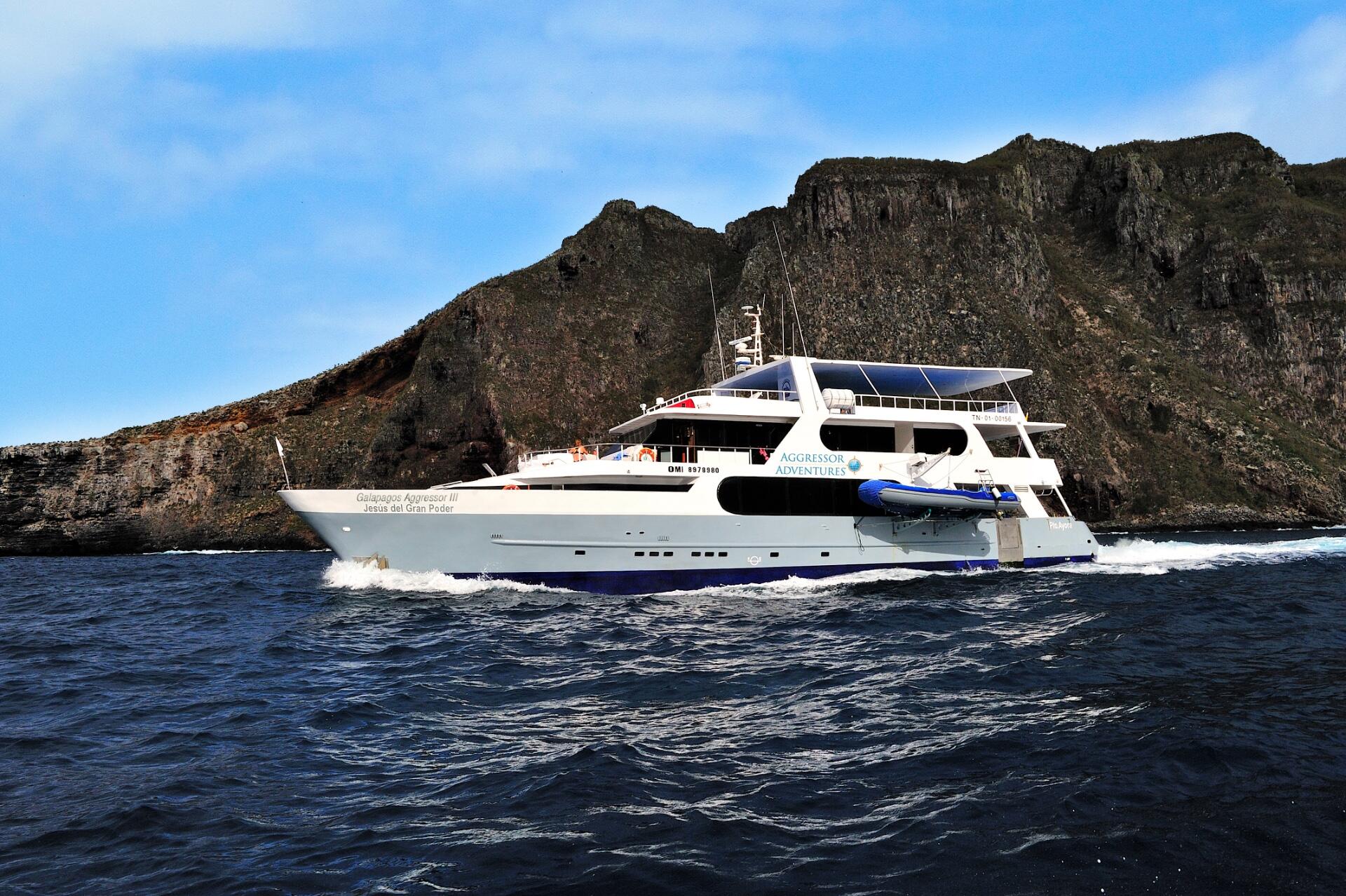
Galapagos Aggressor III
加拉帕戈斯
16 位客人30.5 m
$913/天
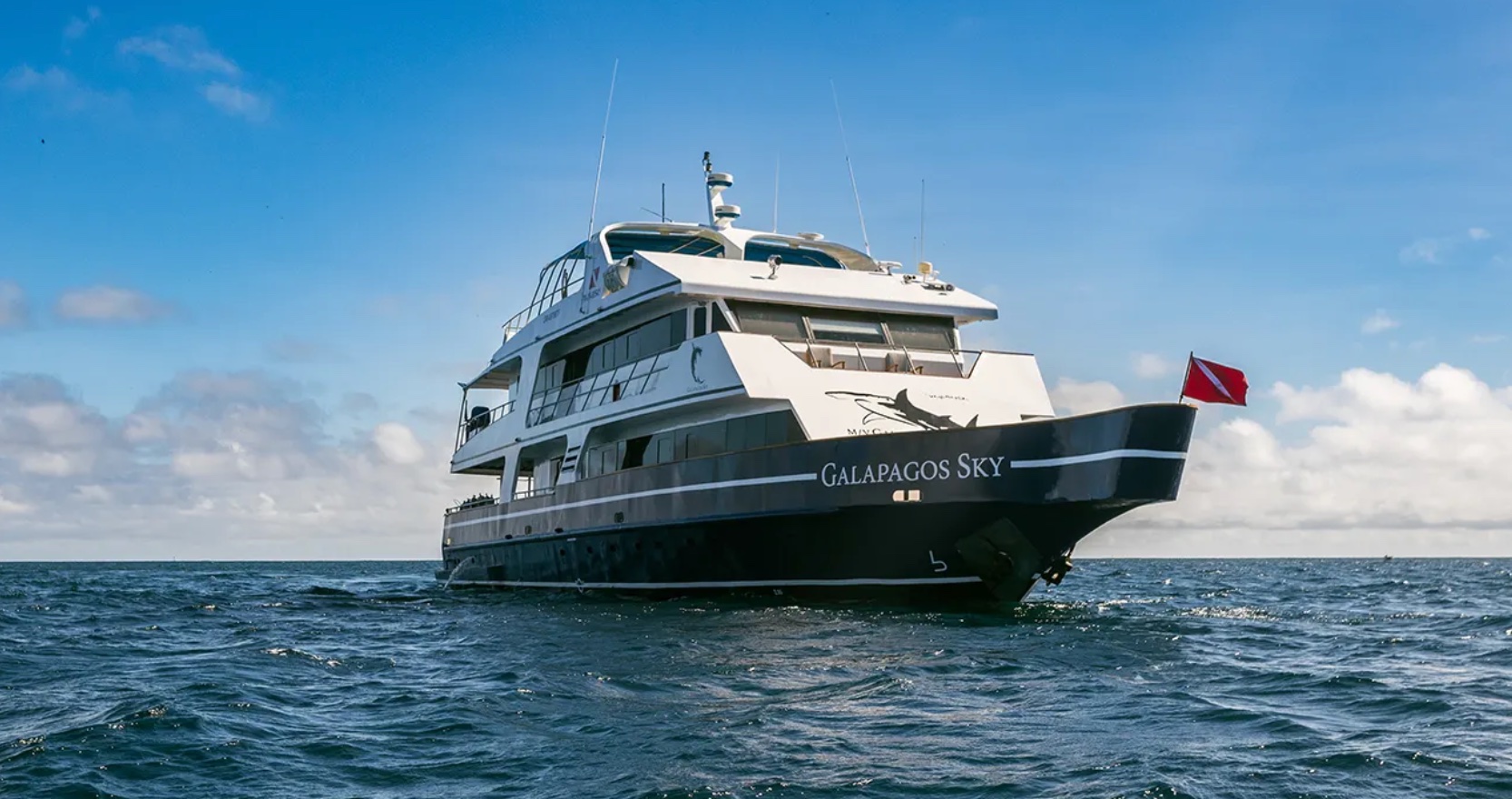
Galapagos Sky
加拉帕戈斯
16 位客人
$937/天
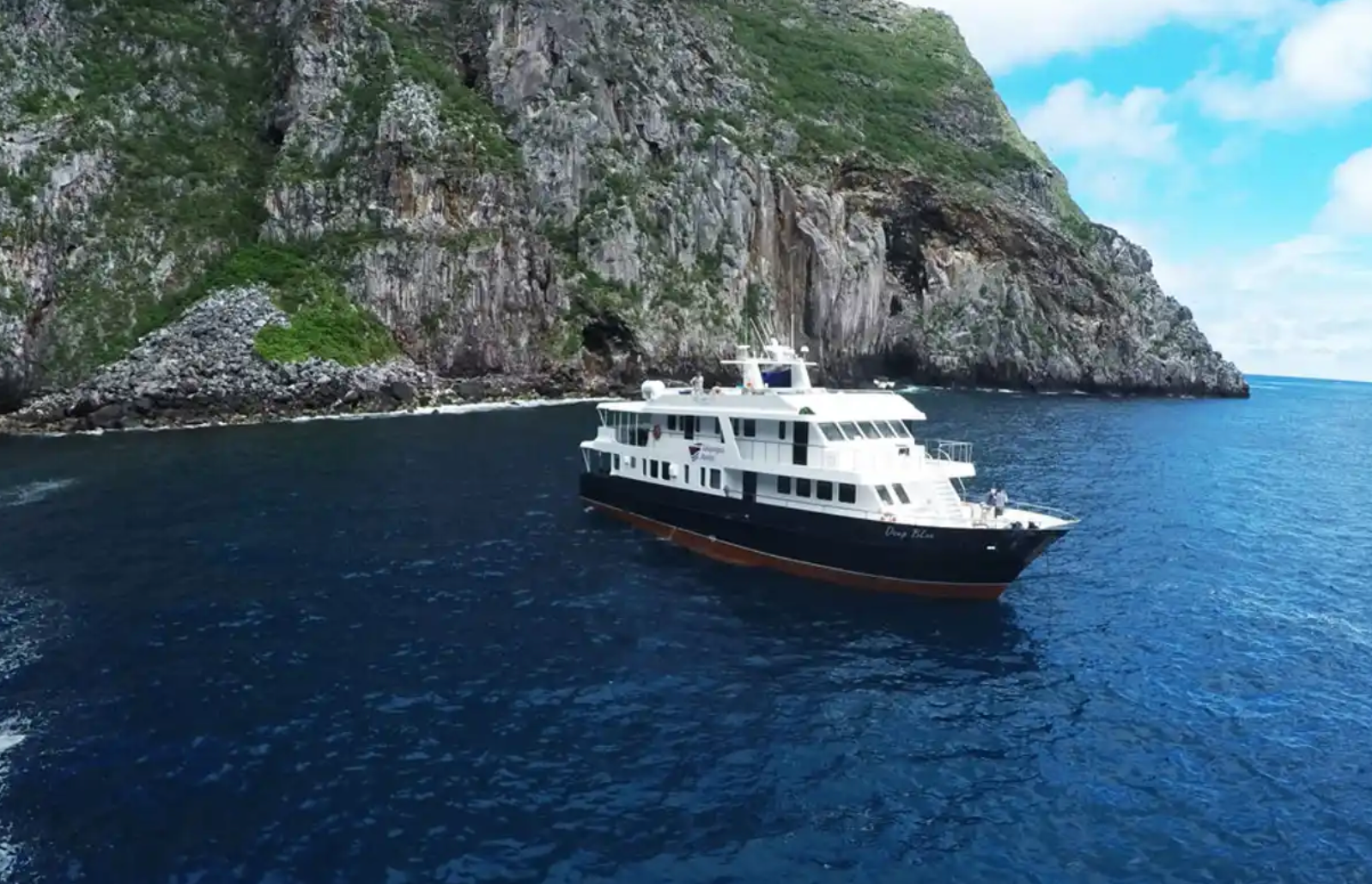
Galapagos Master
加拉帕戈斯
16 位客人
$669/天
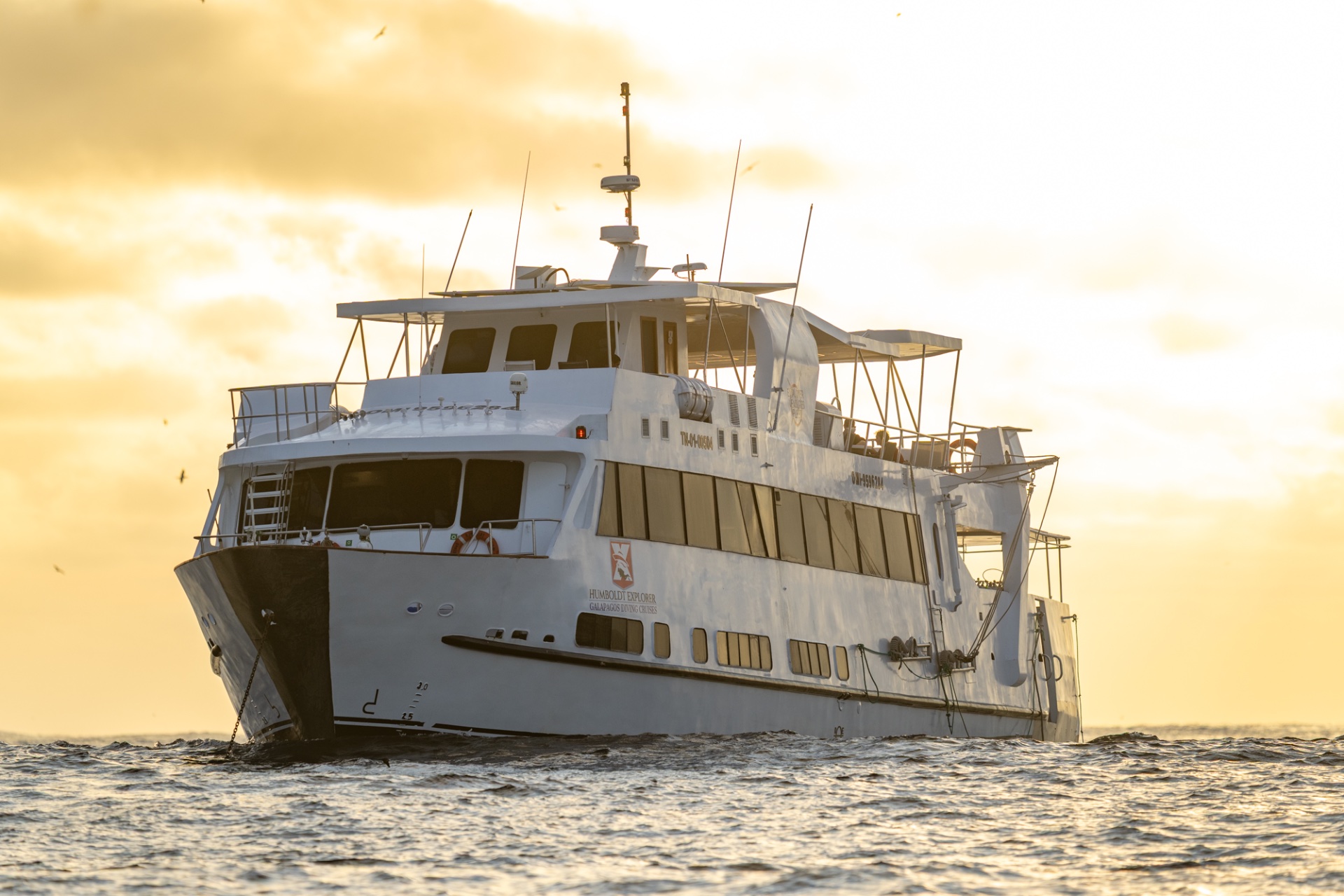
Humboldt Explorer
加拉帕戈斯
16 位客人
$612/天
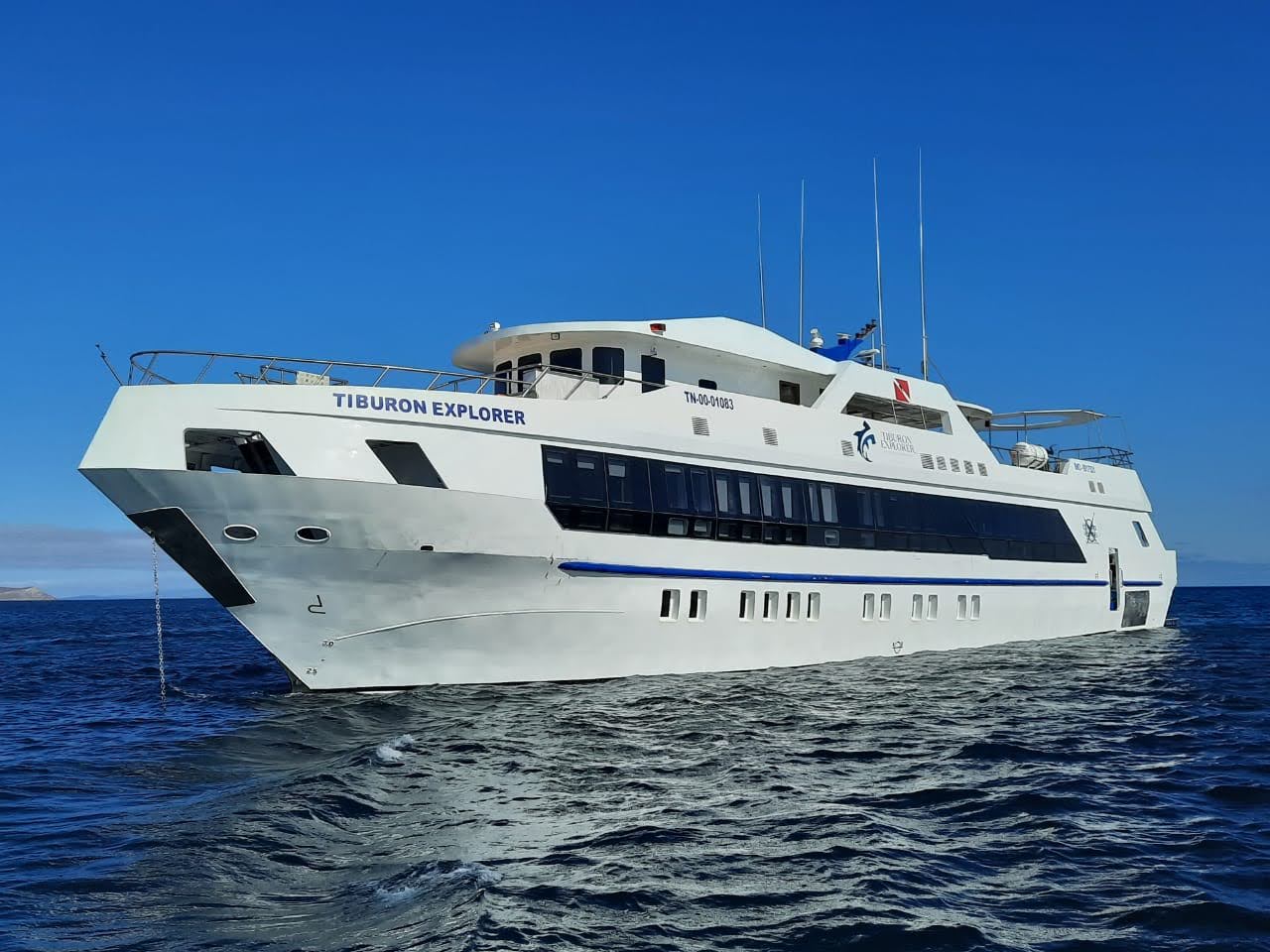
Tiburon Explorer
加拉帕戈斯
16 位客人
$924/天
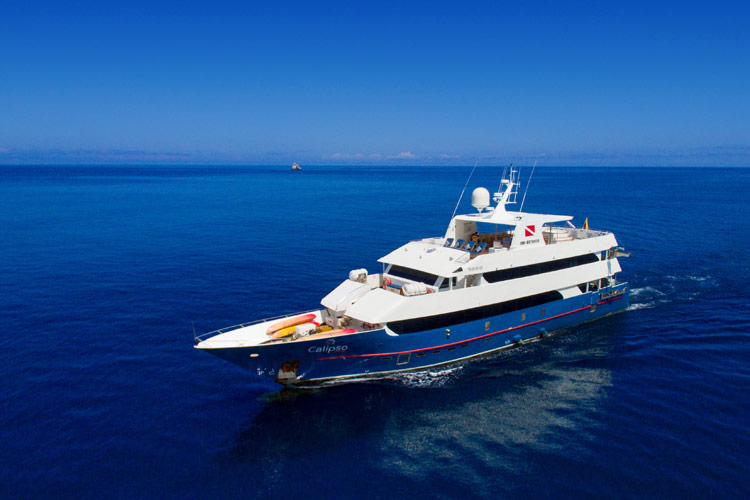
Calipso
加拉帕戈斯
16 位客人
$819/天
与 Shark Bay 相似的潜点
同样的特色、同样的海域——另外六个同样迷人的潜点。比较季节、交通方式和船宿路线,然后选择最适合你行程的潜点。
Landslide(当地称为 El Derrumbe)是位于加拉帕戈斯群岛北部偏远地区沃尔夫岛(Wolf Island)附近的一个著名潜点。
- 适合
- 高级
- 水流
- 非常强
- 交通方式
- 仅船宿
- 深度
- 9–37 m
- 主题
- 放流
© Esri — Maxar, Earthstar, GIS
道格拉斯角 - 费尔南迪纳岛
加拉帕戈斯
道格拉斯角位于费尔南迪纳岛,是全球唯一能让潜水员观察到海鬣蜥在水下啃食海藻的地方,提供独一无二的海底体验。这个偏远的潜点是加拉帕戈斯潜水的亮点,以其独特的特有物种展现着进化过程。潜水活动在火山海岸线进行,这里的海水冰冷且富含营养,孕育了令人难以置信的丰富生命。…
- 适合
- 高级
- 水流
- 强
- 交通方式
- 仅船宿
- 深度
- 6–6 m
- 主题
- 放流
Pinzon岛位于加拉帕戈斯群岛的中心岛屿之间,这片水域通常比北部或西部地区更温暖、更受保护。
- 适合
- 高级
- 水流
- 强
- 交通方式
- 船宿或日间船
- 深度
- ≤ 18 m
- 主题
- 珊瑚礁 / 放流
位于圣克里斯托瓦尔岛(San Cristóbal)的溶洞(The Caves)潜点提供了一种独特的水下探险体验,它将潜水技巧与加拉帕戈斯群岛丰富的生物多样性直接结合起来。
- 适合
- 高级
- 水流
- 非常强
- 交通方式
- 仅船宿
- 深度
- ≤ 35 m
- 主题
- 放流
El Arco,以达尔文拱门(Darwin's Arch)闻名,代表了加拉帕戈斯群岛潜水船宿的巅峰之作。它位于远离主群岛数英里的开阔太平洋中。该地点在拱门坍塌后,现在以两座高耸的石柱为特征,是这个偏远地区巨大地质和海洋力量作用的证明。潜水员来到这里,是为了在富含营养的水域中与大型远洋物种进行无与伦比的邂逅。 El…
- 适合
- 高级
- 水流
- 非常强
- 交通方式
- 仅船宿
- 深度
- —
- 主题
- 放流