Bluerides – Blue Rides - Book dykkecruise over hele verdenOCEAN ADVENTURES
River CruisesRiversNature & WildlifeOur Promise
River CruisesRiversNature & WildlifeOur PromiseLogg inn

Elvereisemål

  • Elvereisemål
  • Amazonas
  • Donau
  • Rhinen
  • Mekong
  • Nilen

Skip og avganger

  • Søk etter elvecruise
  • Tilbud

Natur og dyreliv

  • Natur og dyreliv

Reisehjelp

  • Vårt løfte
  • Kontakt

Kontakt

Ta kontakt

Ta gjerne kontakt, vi hjelper deg med å finne riktig tur eller svare på spørsmål.

E-postSkriv til oss, vi svarer som regel i løpet av få timer.
contact@bluerides.com
WhatsAppSend oss en melding på WhatsApp, man–fre 10:00–16:00 (CET).
Start WhatsApp-chat
TelefonRing oss, vi hjelper deg gjerne.
Gratis samtale, man–fre 10:00–20:00 (CET).
Europa+49 800 1144 990USA+1 888 557 7735Storbritannia+44 800 707 4152Australia+61 2 8599 6113Canada+1 888 557 7735
Which river journey is yours?Answer 8 quick questions and find the river cruise that fits you.
8 questions, 1 minute·Plus Gift
Sikre betalingsmåterDine betalinger er fullt sikret med AES-256-kryptering.
Drevet avStripeWiseAMEXPayGoogle PaySEPABank
Kolofon·Vilkår og betingelser·Personvern·Om oss·Kontakt·Ansvarsfraskrivelse·Partnerprogram·Cruise·
Besøk oss her

© 2026 Blue Rides. Alle rettigheter reservert.·

Bluerides – Blue Rides - Book dykkecruise over hele verdenOCEAN ADVENTURES
River CruisesRiversNature & WildlifeOur Promise
River CruisesRiversNature & WildlifeOur PromiseLogg inn
Red Squirrel i våtmark — Saone, dyreliv på elvecruise
Hjem›River Cruises›River Wildlife›Red Squirrel

Red SquirrelSciurus vulgarisHvor og når du kan se dem

Previous speciesRed Collared DoveNext speciesRed-backed Shrike

Red Squirrel at a glance

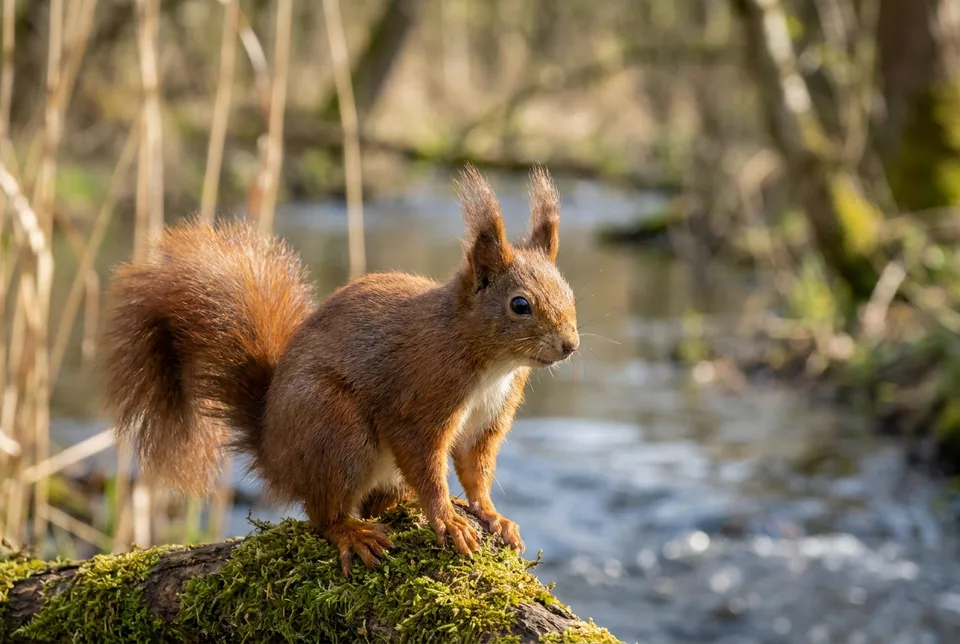
The Red Squirrel is a tree-dwelling mammal whose bushy tail and quick canopy movements can briefly animate a riverside walk. Its coat is not always bright red: individuals range from ginger to dark brown. This profile concerns the lower Saône promenade between Rochetaillée, Fontaines and Lyon, not the entire river basin. Species reference: https://www.woodlandtrust.org.uk/trees-woods-and-wildlife/animals/mammals/red-squirrel/ Measurements and average lifespan: https://www.cumbriawildlifetrust.org.uk/wildlife-explorer/red-squirrel
Behaviour & reproduction

Size
18–24 cm body length; tail 17–18 cm.
Weight
100–350 g in the Cumbria Wildlife Trust account.
Lifespan
Average 6 years in the Cumbria Wildlife Trust account; not a Saône population estimate.
Status
A current formal global assessment was not verified; UK protection must not be treated as French status.

Individuals travel through branches and descend to forage, sometimes spiralling around a trunk out of view. They build a twig-and-leaf nest called a drey high in trees. Chasing behaviour can occur, but a brief chase should not be interpreted as aggression without context. Watch quietly rather than circling the trunk after the animal.

Top wildlife locations

Elvelandskap Saone — leveområde på elvecruise

Saone

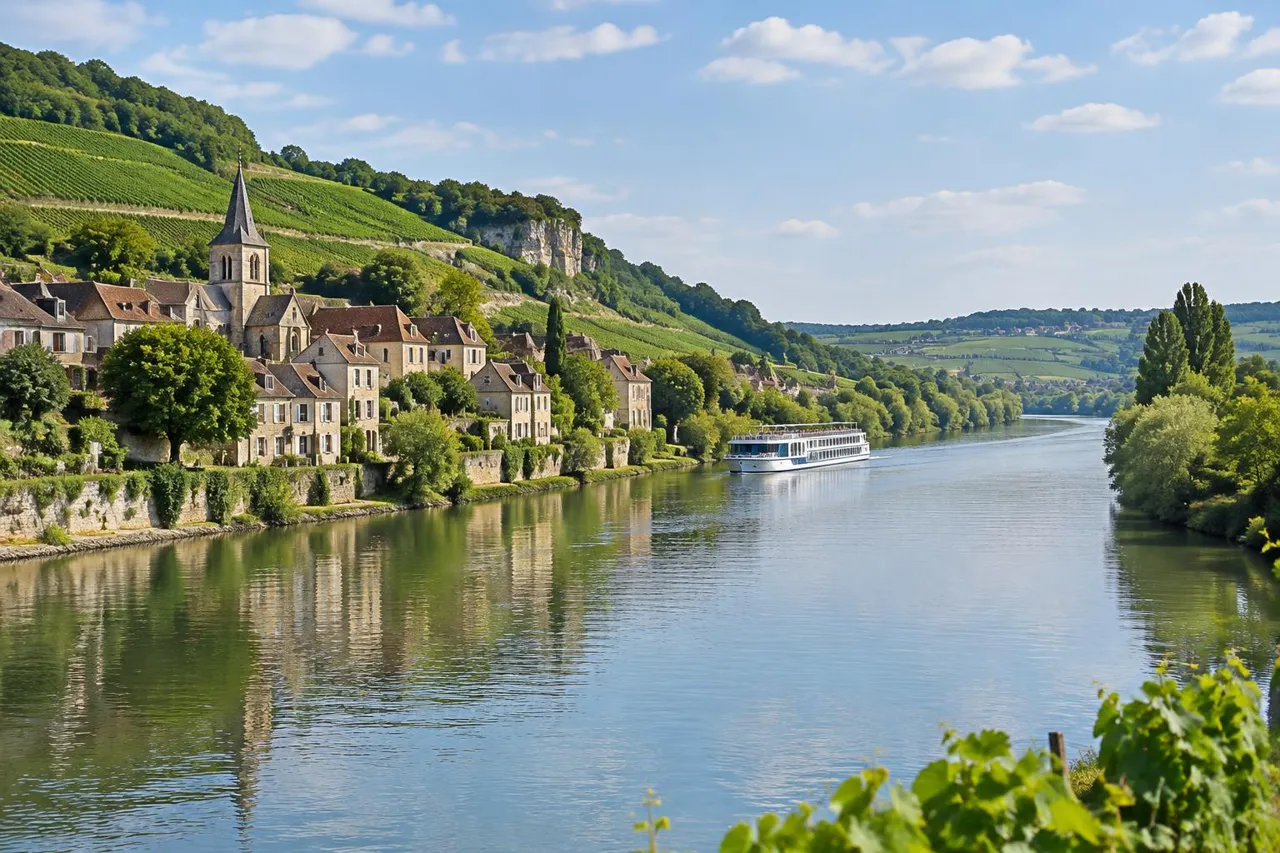
Lower Saône: Grand Lyon Rives de Saône promenade, Rochetaillée-sur-Saône–Fontaines-sur-Saône–Lyon, upstream of the Rhône confluence. Daytime riverside trees; shore walk, not guaranteed from boat.
Explore river cruises

Destinations describe the species' habitat, not guaranteed cruise stops. Some animals require an optional inland excursion or are found in restricted reserves.

Fun facts about the Red Squirrel

  • Its fur can be dark brown rather than red.
  • Ear tufts are especially conspicuous in winter.
  • The tail is nearly as long as the body.
  • Its nest is called a drey.
  • Tree seeds and nuts are major foods.
  • The Saône opportunity is a shore walk.

Best time to see the Red Squirrel

A UK wildlife page lists year-round observation there, but that is not recurring evidence for the lower Saône. The local association is daytime riverside-tree watching without a verified monthly calendar. The location retains no months. Arrange a quiet shore walk rather than expecting a reliable sighting from a moving vessel.

Red Squirrel: season matrix by destination

Highlighted months reflect the stated local evidence, not guaranteed encounters. Neutral months mean no verified monthly viewing window, not absence. Observation records and recommended viewing windows are distinct.

Saone

The local biodiversity guide and registry association do not establish recurring monthly observation. UK year-round guidance is not transferred to the Saône.

janfebmaraprmaijunjulaugsepoktnovdes
Explore river cruises

Where the Red Squirrel lives

Coniferous, mixed and broadleaved woods all occur in the species’ broader habitat use. On the lower Saône, riverside trees provide the relevant viewing setting. The Grand Lyon guide documents local biodiversity and the promenade’s vegetated banks; it does not establish a squirrel in every garden or waterside tree.

What the Red Squirrel eats

Tree seeds and nuts are major foods, with shoots and other plant material also used. Gnawed cones and split nut shells can suggest squirrel feeding, although signs should be interpreted carefully. A local seasonal menu for the Saône was not verified. Do not offer snacks or encourage squirrels towards dogs and busy paths.

Species at a glance

Common name
Red Squirrel
Scientific name
Sciurus vulgaris
Animal group
Mammals
Size
18–24 cm body length; tail 17–18 cm.
Weight
100–350 g in the Cumbria Wildlife Trust account.
Lifespan
Average 6 years in the Cumbria Wildlife Trust account; not a Saône population estimate.
Status
A current formal global assessment was not verified; UK protection must not be treated as French status.
Identification
A bushy tail, pale underside and often tufted ears are useful features, but coat colour varies. Winter ear tufts can be conspicuous; their visibility is not constant. The Woodland Trust warns that red and grey squirrel colours overlap, so colour alone is not a dependable distinction. Assess size, tail appearance and ear structure together.

Red Squirrel: frequently asked questions

Where can I see the Red Squirrel?
Saone. Pause near connected tree cover and inspect both trunks and the canopy. If a squirrel hides behind a branch, wait rather than pursuing it. Keep dogs controlled and leave dreys untouched. Nibbled food remains can enrich a walk even without an animal sighting, but are not necessarily proof of a current occupant.
When is the best time to see the Red Squirrel?
A UK wildlife page lists year-round observation there, but that is not recurring evidence for the lower Saône. The local association is daytime riverside-tree watching without a verified monthly calendar. The location retains no months. Arrange a quiet shore walk rather than expecting a reliable sighting from a moving vessel.
How big does the Red Squirrel get?
18–24 cm body length; tail 17–18 cm.. Adult weight: 100–350 g in the Cumbria Wildlife Trust account.. Size varies with age, sex and population.
How should I behave around the Red Squirrel?
Pause near connected tree cover and inspect both trunks and the canopy. If a squirrel hides behind a branch, wait rather than pursuing it. Keep dogs controlled and leave dreys untouched. Nibbled food remains can enrich a walk even without an animal sighting, but are not necessarily proof of a current occupant.
What does the Red Squirrel eat?
Tree seeds and nuts are major foods, with shoots and other plant material also used. Gnawed cones and split nut shells can suggest squirrel feeding, although signs should be interpreted carefully. A local seasonal menu for the Saône was not verified. Do not offer snacks or encourage squirrels towards dogs and busy paths.
Are wildlife sightings guaranteed on a river cruise?
No. Animals move freely and routes, weather, access restrictions and local conditions influence every outing. Confirm the actual itinerary and shore program before booking.

Compare wildlife in the same destinations

Explore other mammals recorded in these destinations. Similar surroundings do not mean the animals share the same habits or viewing season.

Species comparison by animal group and destination
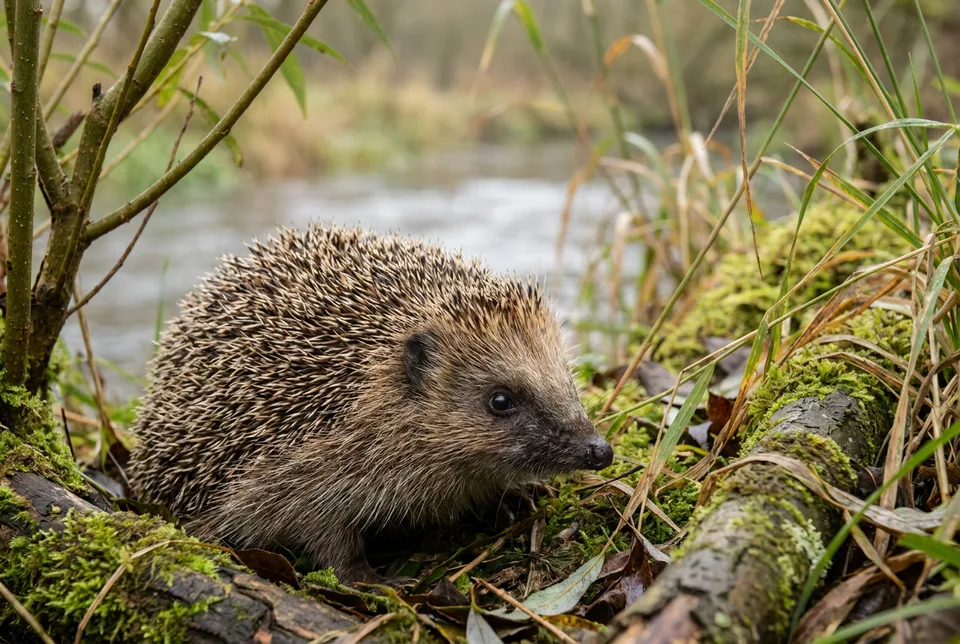
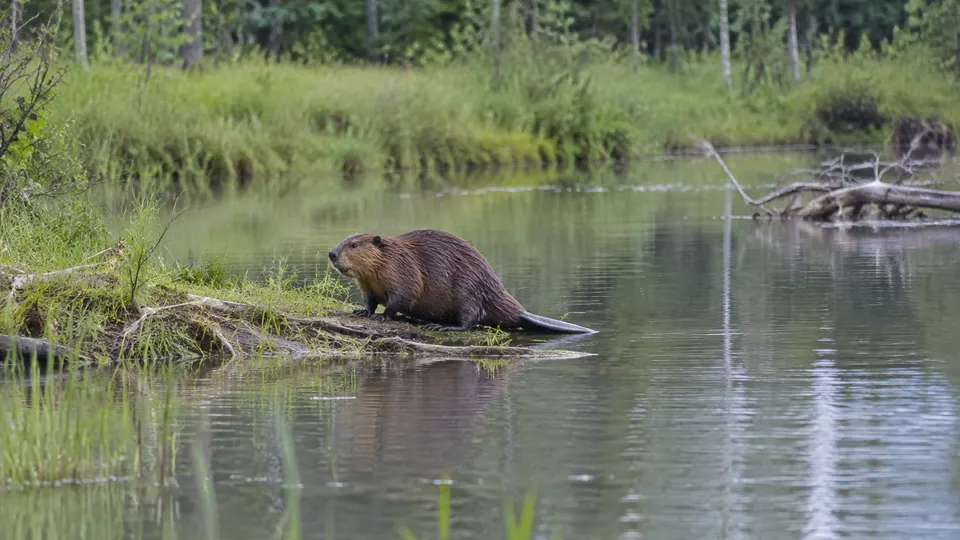
Red Squirrel i våtmark — Saone, dyreliv på elvecruiseRed SquirrelEurasian beaver i våtmark — Danube, Rhine, Saone, dyreliv på elvecruiseEurasian BeaverEuropean Hedgehog i våtmark — Saone, dyreliv på elvecruiseEuropean Hedgehog
Animal groupMammalsAnimal groupMammalsAnimal groupMammals
DestinationsSaoneDestinationsDanube, Rhine, SaoneDestinationsSaone
Scientific name
Sciurus vulgaris

Sciurus vulgaris

Scientific name
Scientific name
Size
18–24 cm body length; tail 17–18 cm.
Size
Size
Weight
100–350 g in the Cumbria Wildlife Trust account.
Weight
Weight
Lifespan
Average 6 years in the Cumbria Wildlife Trust account; not a Saône population estimate.
Lifespan
Lifespan
Status
A current formal global assessment was not verified; UK protection must not be treated as French status.
Status
Status
Identification
A bushy tail, pale underside and often tufted ears are useful features, but coat colour varies.

A bushy tail, pale underside and often tufted ears are useful features, but coat colour varies. Winter ear tufts can be conspicuous; their visibility is not constant. The Woodland Trust warns that red and grey squirrel colours overlap, so colour alone is not a dependable distinction. Assess size, tail appearance and ear structure together.

Identification
Identification
Habitat
Coniferous, mixed and broadleaved woods all occur in the species’ broader habitat use.

Coniferous, mixed and broadleaved woods all occur in the species’ broader habitat use. On the lower Saône, riverside trees provide the relevant viewing setting. The Grand Lyon guide documents local biodiversity and the promenade’s vegetated banks; it does not establish a squirrel in every garden or waterside tree.

Habitat
Habitat
Diet
Tree seeds and nuts are major foods, with shoots and other plant material also used.

Tree seeds and nuts are major foods, with shoots and other plant material also used. Gnawed cones and split nut shells can suggest squirrel feeding, although signs should be interpreted carefully. A local seasonal menu for the Saône was not verified. Do not offer snacks or encourage squirrels towards dogs and busy paths.

Diet
Diet
Best season
A UK wildlife page lists year-round observation there, but that is not recurring evidence for the lower Saône.

A UK wildlife page lists year-round observation there, but that is not recurring evidence for the lower Saône. The local association is daytime riverside-tree watching without a verified monthly calendar. The location retains no months. Arrange a quiet shore walk rather than expecting a reliable sighting from a moving vessel.

Best season
Best season
Season matrix by destination
SaoneNo verified monthly viewing evidence

The local biodiversity guide and registry association do not establish recurring monthly observation. UK year-round guidance is not transferred to the Saône.

Season matrix by destinationSeason matrix by destination
Previous speciesRed Collared DoveNext speciesRed-backed Shrike
All river wildlife
On this page
  • 01About
  • 02Behaviour & reproduction
  • 03Top wildlife locations
  • 04Fun facts
  • 05Best season
  • 06Season matrix by destination
  • 07Habitat
  • 08Diet
  • 09Species at a glance
  • 10Questions & answers
  • 11Compare

Find your river cruise

Planlegg reisen

Find your next river journey

Compare destinations, shore programs and dates with the animals and habitats you would love to see.

  • Daily shore excursions
  • Responsible wildlife watching
  • Boutique river ships
Explore river cruises