소개 Sawabi Islands
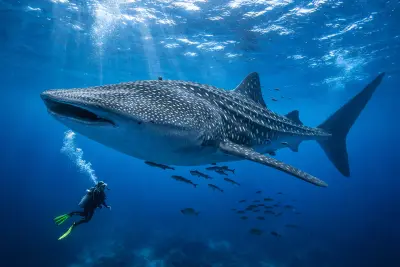
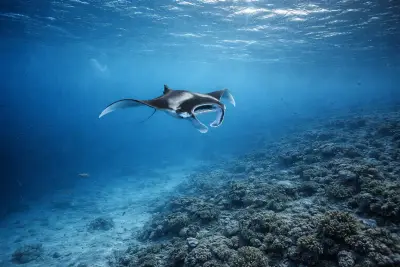
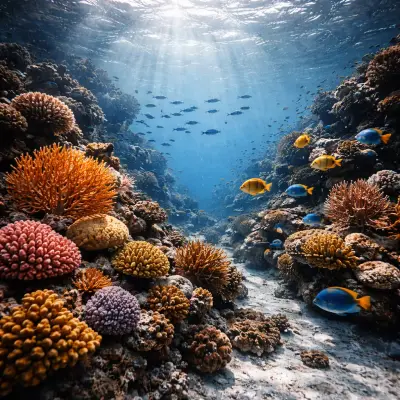
The Sawabi Islands, also known as the Seven Brothers, form a remote volcanic archipelago situated in the Bab El Mandeb strait, a narrow passage connecting the Red Sea to the Gulf of Aden. This strategic location creates a unique marine environment where nutrient-rich currents foster exceptional biodiversity, making it a prime destination for divers seeking pristine reefs and abundant marine life. The islands are uninhabited and recognized as a marine protected area, ensuring their exceptional ecological value is preserved. Diving here typically involves exploring spectacular drop-offs, vibrant coral gardens, and intriguing underwater volcanic formations. Depths can range from shallow reef crests to walls exceeding 40 meters, catering to a variety of dive preferences. The powerful currents found in the strait contribute to healthy coral growth and attract a remarkable array of pelagic species, which are a major draw for the area. The Sawabi Islands are particularly noted for their rich marine ecosystems, boasting over 200 species of hard corals and a diverse population of reef fish, sharks, and rays. Seasonal visits by larger marine animals like whale sharks and manta rays are common, especially during specific times of the year when plankton blooms are prevalent. This makes the area a significant feeding ground and a crucial corridor for migratory species. Due to the currents and remote nature, these sites are often visited via liveaboard, providing access to areas beyond the reach of daily operators. Divers can expect a range of experiences from gentle drifts to more challenging conditions, always rewarded with uncrowded sites and extraordinary encounters in a truly unique underwater landscape.
하이라이트
외딴 화산 군도놀라운 수심 다이빙 포인트활기찬 산호 정원과 벽영양분 풍부한 강한 해류높은 해양 생물 다양성
시즌 캘린더
다이빙하기 가장 좋은 달
1월
2월
3월
4월
5월
6월
7월
8월
9월
10월
11월
12월
최적
양호
다이브 사이트 정보: Sawabi Islands
- 수심
- 5–40+ m
- 일반적인 다이빙
- Varies by site, usually 50–60 min
- 조류
- 보통 ~ 강함
- 시야
- 10–35+ m
- 수온
- 24–33°C
- 입수
- 리브어보드 / 텐더 보트
- 레벨
- 중급자 ~ 상급자
- 다이빙 유형
- 리프, 월 다이빙, 드리프트, 난파선, 원양 encounters
- 야간 다이빙
- Possible
- 지역 / 항구
- Obock / Southern Red Sea
- 좌표
- 12.4433° N, 43.3442° E
조건 및 조류
강한 해류가 흔하니, 드리프트 다이빙 경험과 SMB 또는 리프 훅을 추천해요.
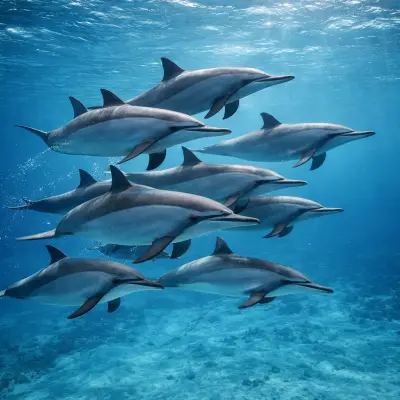
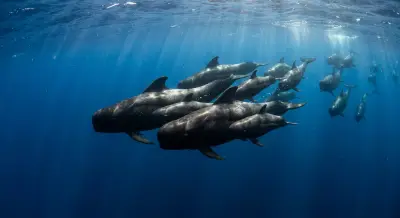
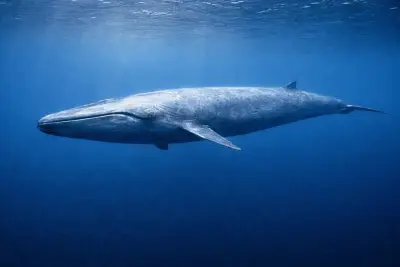
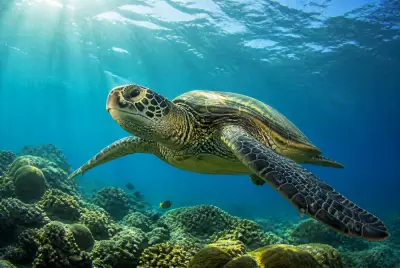
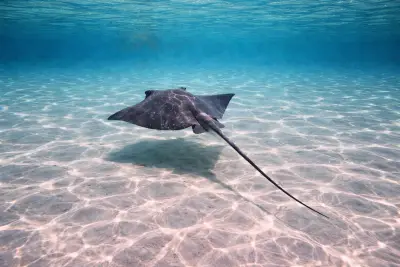
해양 생물과 목격 확률
다이브 프로파일과 진행
Dives at Sawabi Islands typically begin with a tender boat entry directly onto the dive site due to the remote location. Depending on the current and site, it could be a negative entry or a standard descent. Routes often involve drift diving along walls and coral-encrusted slopes, allowing divers to be carried along by the currents past rich reef ecosystems. Depths range from shallow reef crests at 5-15 meters to deeper walls and pinnacles reaching beyond 40 meters. Turn points are usually determined by gas limits and current direction, often concluding with a free ascent. Safety stops are conducted in the blue at the end of the dive, monitored by the dive guide, before surfacing for tender boat pick-up.
수중 사진
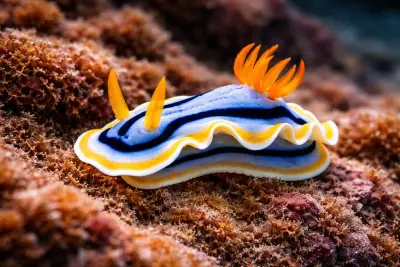
Capturing the vibrant marine life and dramatic topography of the Sawabi Islands demands adaptable camera gear. For wide-angle shots of schooling pelagics, whale sharks, or expansive reefscapes, a fisheye or rectilinear wide-angle lens is ideal. Consider dual strobes for illuminating large scenes and restoring natural colors at depth. Macro photographers will find subjects like nudibranchs, especially at sites like Japanese Gardens, benefiting from a dedicated macro lens and perhaps a snoot for creative lighting. Buoyancy control is paramount, especially in currents, to avoid disturbing delicate corals or stirring up sediment. Be mindful of marine life, maintaining a respectful distance from large animals like whale sharks and never using flash photography on them, particularly during snorkeling encounters.
함께 묶기 좋은 인근 포인트
- Ghoubbet al Kharab
Known for juvenile whale sharks and manta rays, often combined in liveaboard itineraries.
- Gulf of Tadjoura – Whale Shark Area
A primary area for whale shark and manta ray encounters, visited by liveaboards.
- Japanese Gardens
Located within the Seven Brothers Islands, noted for macro life like nudibranchs.
- La Dame Blanche
A well-preserved shipwreck within the Seven Brothers, lying in 25 meters.
- MV Priamos
A world-class wreck, locally known as 'Le Faon', offering varied diving experiences.
가는 방법과 준비
Access to the Sawabi Islands typically begins with arrival at Djibouti Ambouli International Airport (JIB), which offers flights from Paris, Istanbul, Dubai, and other regional hubs. Liveaboard safaris are the primary and most effective way to dive these remote islands, departing from Djibouti Marina. Trip lengths usually range from 7 to 10 days, encompassing the Sawabi Islands, Ghoubbet al Kharab, and the Gulf of Tadjoura. An e-Visa is required for entry into Djibouti, which divers should apply for in advance and pick up a hard copy upon arrival. There are no specific park fees mentioned, but these would be included in the liveaboard package.
안전과 환경
Diving in Djibouti, particularly around the Sawabi Islands, requires careful safety considerations due to remote locations and potential for strong currents. It is highly recommended that divers have comprehensive dive insurance covering emergency medical treatment and evacuation, as recompression chambers are not readily available in Djibouti itself. The nearest medical facilities capable of handling dive-related emergencies would require evacuation to a neighboring country or further. Divers should consult with a medical professional regarding vaccinations (e.g., yellow fever, typhoid) and anti-malarial medication, ensuring any chosen prophylaxis does not contraindicate diving. Adhere strictly to dive brief instructions, especially regarding entry/exit procedures and current management. Avoid touching marine life, and maintain awareness of your surroundings and dive buddy at all times.
누구에게 맞고 — 맞지 않는지
적합
- Experienced divers comfortable with currents
- Underwater photographers seeking pelagic and macro subjects
- Liveaboard enthusiasts looking for remote, uncrowded sites
- Divers interested in unique volcanic underwater topography
- Those passionate about large marine animal encounters (whale sharks, mantas)
덜 적합
- Absolute beginner divers with no current experience
- Divers prone to seasickness on liveaboards
- Those expecting easily accessible shore diving
- Divers uninterested in pelagic encounters or drift diving
- Budget travelers seeking inexpensive dive packages
자주 묻는 질문
Sawabi Islands 자주 묻는 질문
What makes the Sawabi Islands unique for diving?
The Sawabi Islands are unique due to their location at the confluence of the Red Sea and the Gulf of Aden, creating an exceptional marine ecosystem. This volcanic archipelago experiences strong, nutrient-rich currents that support an incredible diversity of marine life, from pristine corals to large pelagic species like whale sharks and manta rays. Their remote, uninhabited nature ensures uncrowded and well-preserved dive sites.
What kind of marine life can I expect to see at Sawabi Islands?
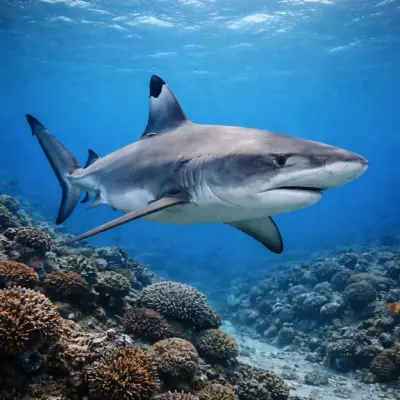
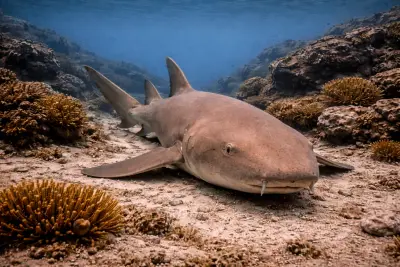
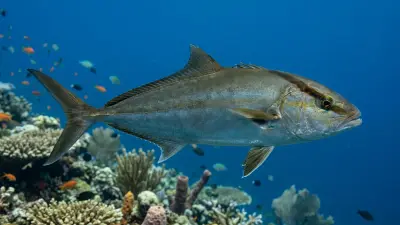
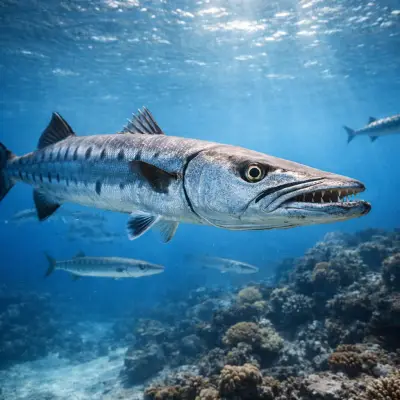
You can anticipate encountering a rich variety of marine life, including over 200 species of hard corals and numerous reef fish. The strong currents attract pelagic species such as whale sharks, manta rays, dolphins, pilot whales, and various reef sharks like grey reef and nurse sharks. Schooling jacks, barracuda, and sea turtles are also commonly sighted in this vibrant ecosystem.
Are the Sawabi Islands suitable for all diver levels?
While some areas may accommodate open water divers, many sites around the Sawabi Islands are better suited for intermediate to advanced divers. This is primarily due to the presence of potentially strong currents and deeper dive profiles. Divers with experience in drift diving and comfort in varied conditions will get the most out of the Sawabi Islands' challenging yet rewarding dive environment.
When is the best time to visit Sawabi Islands for whale sharks?
The peak season for whale shark encounters around the Sawabi Islands and wider Djibouti region is from October to February. During these months, plankton blooms are common, attracting juvenile whale sharks to the nutrient-rich waters. Visibility is also generally good, and water temperatures are comfortable, providing optimal conditions for both diving and snorkeling with these gentle giants.
How do I get to the Sawabi Islands for diving?
The Sawabi Islands are remote and best accessed via liveaboard safari from Djibouti City. Flights arrive at Djibouti Ambouli International Airport, and then divers typically transfer to a liveaboard vessel. These multi-day trips allow access to the islands and other distant dive sites that are not reachable by day boats, providing a comprehensive diving experience in the region.
What is the visibility and water temperature like?
Visibility at the Sawabi Islands typically ranges from 10 to over 35 meters, though it can be affected by strong currents carrying nutrients. Water temperatures are warm year-round, ranging from 24-28°C during the cooler season (Oct-Feb) and 29-33°C during the warmer months (Jun-Sep). These conditions make for generally comfortable diving, although a wetsuit is recommended for longer dives.
왜 Sawabi Islands를 리브어보드로 다이빙해야 할까요?
Sawabi Islands는 지부티의 대표 다이브 사이트 중 하나입니다. 리브어보드는 바다 위에서 숙박하며 일일 3~4회의 가이드 다이빙을 제공하고, 데이 보트가 잘 제공하지 않는 새벽 및 야간 다이빙도 포함합니다. 매일 항구로 돌아갈 필요 없이 한 번의 여행으로 같은 지역의 한적한 사이트에 도달할 수 있습니다.
아래는 지부티 일정에 Sawabi Islands를 포함하는 리브어보드입니다.
Sawabi Islands를 다이빙하는 리브어보드
이 리브어보드는 일부 일정에서 Sawabi Islands를 방문할 수 있습니다. 실제 다이브 사이트는 출발일과 날씨, 해상 상황에 따라 달라집니다.
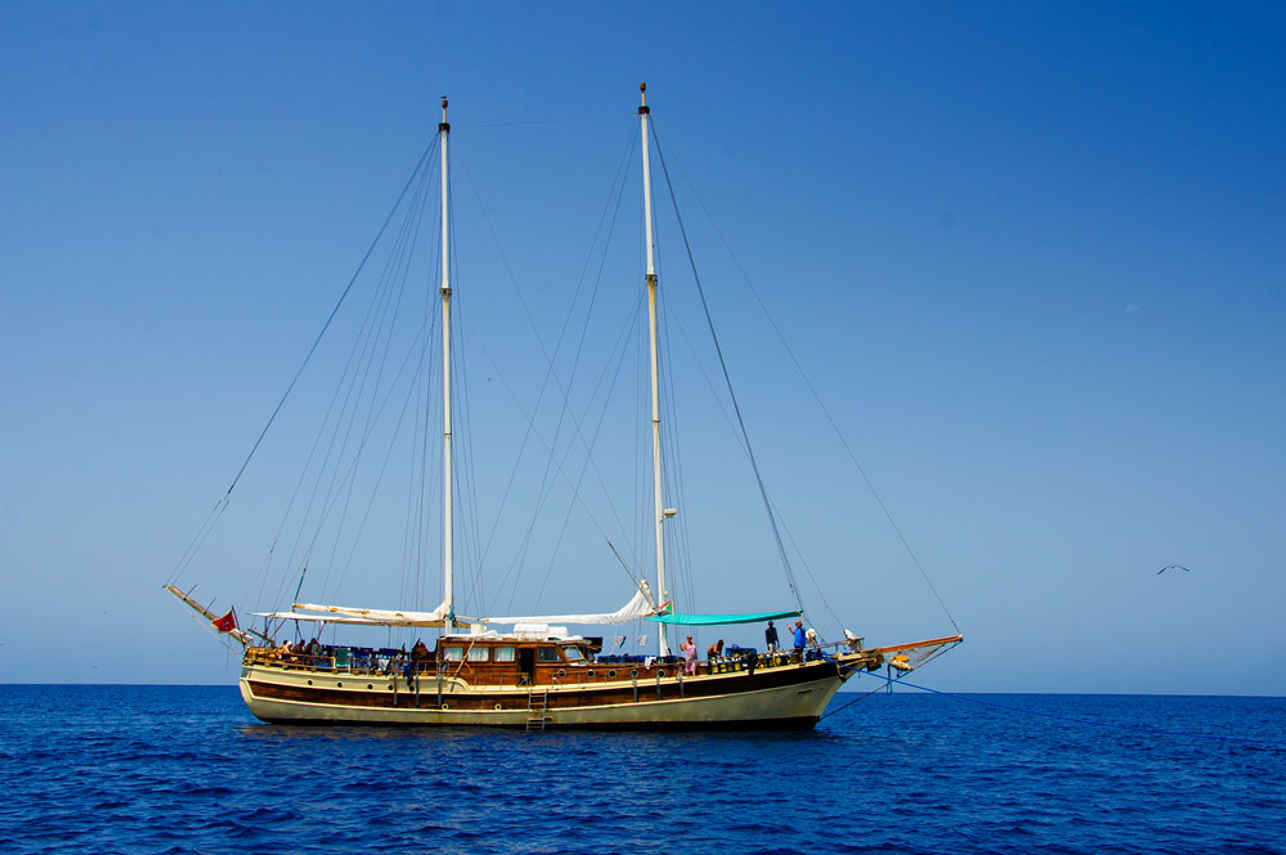
Elegante
지부티
14 명25 m
₩277,810/일
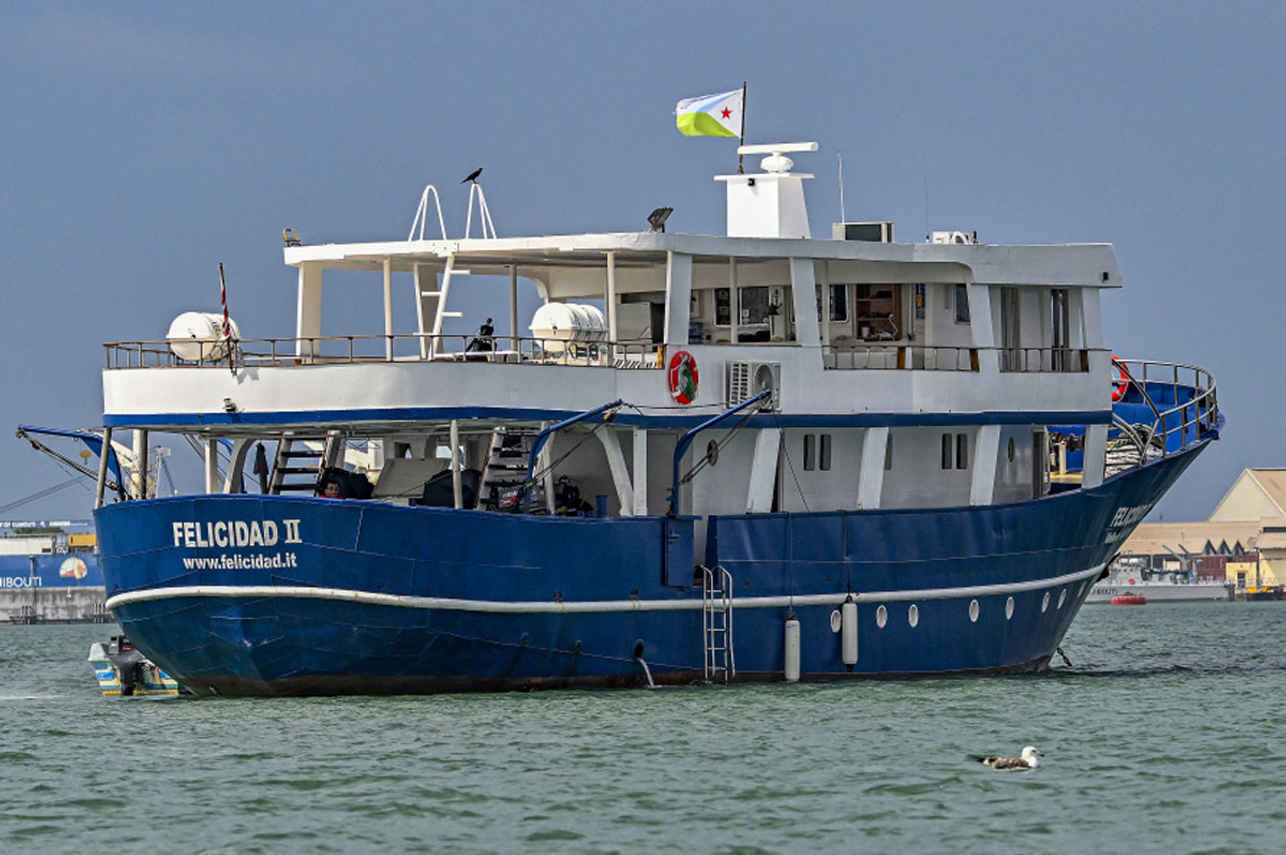
Felicidad II
지부티
18 명30 m
₩278,808/일
Sawabi Islands와(과) 비슷한 다이브 사이트
같은 분위기, 같은 바다 — 같은 이유로 사랑받는 여섯 곳.시즌, 접근성, 라이브어보드 루트를 비교한 뒤 여행에 가장 잘 맞는 사이트를 고르세요.
아르타 비치 리프는 지부티에 위치하며 홍해와 인도양이 만나는 독특한 다이빙 경험을 선사해요. 이 종종 간과되는 목적지는 놀랍도록 건강한 암초와 풍부한 해양 생물 다양성을 자랑하며, 붐비는 홍해 지역에 대한 평화로운 대안을 제공하죠.
- 적합
- 초보
- 조류
- 강함
- 접근 방식
- 리브어보드 또는 데이보트
- 수심
- 3–15 m
- 테마
- 리프
케이프 루즈는 홍해와 인도양이 만나는 지부티의 주목할 만한 다이빙 사이트예요. 이곳은 깨끗한 수중 환경으로 유명하죠. 이 독특한 지리적 합류점은 풍부한 해양 생태계를 만들어 다양한 산호 종과 풍부한 어류를 지원하고 있어요.
- 적합
- 고급
- 조류
- 약함
- 접근 방식
- 리브어보드 또는 데이보트
- 수심
- 15–40 m
- 테마
- 리프
지부티의 카테드랄(Cathedral)은 필리핀의 페스카도르 카테드랄과는 다르게 세계적인 상어 다이빙 명소로 주로 알려져 있어요. 이 다이빙 사이트의 이름은 다양한 상어 종들이 자주 모이는 거대한 해양 동굴이나 깊은 지역을 의미합니다.
- 적합
- 중급
- 조류
- 강함
- 접근 방식
- 리브어보드 또는 데이보트
- 수심
- 12–30 m
- 테마
- 동굴 & 캐번 / 리프
지부티의 아덴만에는 활기찬 해양 생물로 유명한 다이빙 사이트인 커넥터 리프가 있습니다. 홍해와 인도양이 만나는 지점에 자리 잡은 이곳은 화산 활동으로 형성된 독특한 수중 경관을 자랑하며, 상상할 수 있는 모든 색깔의 건강한 연산호와 다양한 해면 동물의 폭발적인 성장을 볼 수 있습니다.
- 적합
- 중급
- 조류
- 강함
- 접근 방식
- 리브어보드 또는 데이보트
- 수심
- 8–25 m
- 테마
- 드리프트 / 리프
© Esri — Maxar, Earthstar, GIS
지부티 크랙 다이빙
지부티
지부티 크랙은 종종 악마의 가마솥이라고 불리는 구베트 알 카랍(Ghoubbet al Kharab) 내에서 발견되는 정말 독특한 다이빙 장소예요.
- 적합
- 중급
- 조류
- 보통
- 접근 방식
- 리브어보드 전용
- 수심
- 8–200 m
- 테마
- 리프