소개 Blue House
블루 하우스 가든은 온두라스 로아탄에 위치한 독특한 다이빙 사이트로, 특히 수심 60피트(18미터)에서 유명해요. 광범위한 지형에 대한 구체적인 정보는 많이 알려져 있지 않지만, 가파른 절벽, 활기찬 산호초, 복잡한 지형을 포함하는 로아탄의 다채로운 수중 풍경의 일부랍니다. 이곳은 다이버들의 경험담에서 언급되는 독특하고 기발한 특징으로 잘 알려져 있어요. 로아탄의 산호초는 일반적으로 절벽, 협곡, 균열과 같은 극적인 지형을 특징으로 하며 풍부한 생태계를 지탱하고 있어요. 섬 주변의 수심은 얕은 산호초 상단부터 더 깊은 절벽 구간까지 다양하여 여러 수준의 다이버들이 즐길 수 있어요. 베이 제도의 해양 생물은 매우 풍부하며, 다양한 어종, 인상적인 해면, 무성한 산호초 군락을 만날 수 있어요. 해마, 랍스터, 문어, 그리고 화려한 산호초 물고기 떼와 마주칠 수도 있습니다. 로아탄 다이빙은 일반적으로 접근성이 좋으며, 많은 사이트가 다양한 자격 수준에 적합하고 쾌적한 수온을 자랑해요. 블루 하우스 가든의 구체적인 조류 정보는 자세히 알려져 있지 않지만, 로아탄의 다이빙 사이트들은 보통 위치와 조건에 따라 약하거나 중간 정도의 조류를 경험할 수 있어요. 다이빙 크루즈를 이용하면 보통 하루에 여러 번 다이빙을 할 수 있어 이런 곳들을 충분히 탐험할 기회를 가질 수 있습니다.
하이라이트
독특한 수중 정원수심 60피트에서 유명다채로운 산호초 지형풍부한 해양 생물기발하고 신비로운 만남의 가능성
시즌 캘린더
다이빙하기 가장 좋은 달
1월
2월
3월
4월
5월
6월
7월
8월
9월
10월
11월
12월
최적
양호
다이브 사이트 정보: Blue House
- 조류
- 약함 ~ 강함 depending on site 및 tide
- 시야
- 10–40 m
- 수온
- 24–31 °C
- 입수
- 보트 / Live drop / Stationary
- 레벨
- 모든 레벨
- 다이빙 유형
- 리프, 월 다이빙, Canyon
- 야간 다이빙
- Possible (on request)
- 지역 / 항구
- Roatan, Bay Islands, Honduras
- 좌표
- 16.3107, -86.5155
조건 및 조류
로아탄의 해류는 일반적으로 잔잔하여 편안한 다이빙 환경을 제공하지만, 일부 다이빙 사이트, 특히 조수 간만 시기에는 해류가 매우 강해질 수 있습니다. 다이버는 썰물 해류가 제대로 관리되지 않으면 위험할 수 있으므로, 거슬러 수영하는 것이 어려울 수 있다는 점을 인지해야 합니다. 입수 및 출수 기술은 주로 보트를 이용하며, 사이트에 따라 계류선에서 정지 입수를 하거나 드리프트 다이빙을 위해 라이브 드롭을 선택할 수 있습니다. 시야는 10m에서 40m로 꾸준히 좋지만, 우기에는 퇴적물이 휘저어져 감소할 수 있으며, 이로 인해 오히려 더 큰 해양 생물을 유인할 수도 있습니다. 로아탄의 자료에서는 수온약층이 주요 요인으로 크게 언급되지 않습니다. 다이버는 특히 드리프트 다이빙의 경우, 해류 방향, 입수/출수 절차를 이해하기 위해 항상 다이빙 브리핑에 주의 깊게 경청해야 합니다.
해양 생물과 목격 확률


수중 사진
Roatan's clear waters, often exceeding 30 meters visibility, create ideal conditions for underwater photography, particularly during the dry season from March to October. Wide-angle lenses are recommended to capture the expansive coral formations, steep walls, and vibrant reef scenes characteristic of the Mesoamerican Barrier Reef. For macro subjects such as seahorses, nudibranchs, and various shrimps, a macro lens will highlight intricate details. Consistent lighting is usually available, but external strobes or video lights can enhance colors and reduce backscatter, especially in deeper areas or under overhangs. Maintaining excellent buoyancy is crucial to avoid disturbing the healthy coral and sand, ensuring respectful interaction with marine life and preserving visibility. Divers should prioritize non-invasive photography, refraining from touching or chasing animals to get a shot.
함께 묶기 좋은 인근 포인트
- Satoshi’s Grave
사토시의 무덤은 로아탄 남부 해안, 특히 미스터 버드 난파선에 위치한 독특한 난파선 다이빙 포인트예요.
- Addie's Garden
애디스 가든(Addie's Garden)은 메소아메리카 산호초 지대 내 온두라스 로아탄 주변에 위치한 350개의 다이빙 및 스노클링 장소 중 하나예요.
- Blackish Point
온두라스 우틸라 북쪽에 위치한 Blackish Point는 중급 다이버들에게 매혹적인 쇼어 드리프트 월 다이빙을 선사합니다.
- Butcher's Bank
부처스 뱅크는 온두라스 로아탄의 유명한 다이빙 장소로, 특히 초보 다이버들에게 가장 즐거운 곳 중 하나로 널리 알려져 있어요.
- Wreck of the Aguila
아귈라(Aguila) 난파선은 '더 이글(The Eagle)'이라는 애칭으로 불리며, 1997년 레크리에이션 다이빙 한계 내에서 인공 산호초를 만들기 위해 의도적으로 가라앉힌 60미터(200피트) 길이의 화물선이에요.
- Al's Garden
알스 가든(Al's Garden)은 온두라스 베이 제도의 일부인 로아탄에 위치한 유명한 다이빙 사이트로, 활기찬 수중 지형과 다양한 해양 생태계로 잘 알려져 있어요.
가는 방법과 준비
Roatan is accessible via international flights to Juan Manuel Gálvez International Airport (RTB). Dive trips typically involve day boat excursions from various resorts and dive centers located along the island's West Bay, West End, and Sandy Bay areas. A common dive schedule includes a two-tank morning dive returning around noon, followed by an optional single-tank afternoon dive. Night dives can also be arranged with a minimum of four divers and 48-hour notice. Roatan Marine Park fees apply, often purchased as a $10 annual bracelet, which contributes to reef protection. Liveaboards also operate in the Bay Islands, offering broader access to the region. The island's dive operations emphasize short boat rides to sites, with many locations just minutes from shore.
안전과 환경
Roatan Dive Center maintains a strong emphasis on diver safety, carrying DAN oxygen and first aid kits on all boats. Divers are expected to adhere to a responsible diver code, including maintaining excellent buoyancy, not touching corals or marine life, and using designated entry/exit points. Emergency evacuation protocols typically involve local medical facilities, with the nearest recompression chamber likely on the island or nearby. Divers are advised to have comprehensive dive insurance. Site-specific hazards include potentially strong currents, particularly when tides are moving in or out, which requires careful attention during dive briefings. Divers should always plan conservative dive profiles, including a 3 to 5-minute safety stop, and manage air consumption effectively, with maximum bottom times typically around 60 minutes.
누구에게 맞고 — 맞지 않는지
적합
- New divers and those undergoing training
- Underwater photographers seeking clear water and varied subjects
- Families and mixed groups with snorkelers
- Divers desiring a relaxed, multi-dive day
- Those who appreciate healthy coral reefs
덜 적합
- Divers seeking extreme or highly challenging currents on every dive
- Those uninterested in reef ecology and conservation
- Budget travelers during peak season (December-February)
- Divers who prefer solitary dive experiences (can be crowded at peak times)
자주 묻는 질문
Blue House 자주 묻는 질문
What marine life can I expect to see at dive sites around Roatan?
Dive sites in Roatan are rich with Caribbean marine life. You can commonly spot parrotfish, angelfish, butterflyfish, and various schools of jacks. Smaller creatures like seahorses and nudibranchs are present, alongside larger animals such as rays, groupers, barracudas, and occasional reef sharks and sea turtles. Lobsters, shrimps, and octopus are also guaranteed sightings at some locations.
What are the typical water temperatures and visibility conditions in Roatan?
Water temperatures in Roatan generally range from highs of 29-31°C from June through October, and lows of 24-27°C from January to April, with some January temperatures dropping to 22°C. Visibility is consistently good year-round, typically ranging from 10 to 40 meters, though it can extend to 36 meters during the dry season (March to May) and may reduce slightly during the rainy season.
Are there strong currents, and what do I need to know about them?
While many Roatan sites feature gentle conditions, some areas can experience very strong currents, particularly during tidal changes. Outgoing currents, in particular, can be dangerous as swimming against them is difficult. Dive briefings are essential for understanding specific current directions and appropriate entry, navigation, and exit procedures, especially for drift dives.
What are the best months to visit Roatan for diving?
Roatan is considered an excellent year-round diving destination. March through October, the dry season, offers warmer waters and the best visibility, often exceeding 30 meters, making it ideal for photographers. The wet season, November through February, still provides great diving, with the added potential for larger marine life attracted by stirred-up sediments, despite some rainfall.
How are dive trips typically organized in Roatan?
Most dive operations in Roatan offer two-tank morning dives, returning to shore around noon, followed by an optional single-tank afternoon dive. Night dives are available upon request, usually requiring a minimum of four divers and advance notice. Dive sites are typically chosen based on daily conditions and diver preferences, with an emphasis on short boat rides to minimize travel time.
What kind of dive training or experience is recommended for Roatan?
Roatan is suitable for divers of all levels, from beginners to experienced individuals. The generally calm conditions and healthy reefs make it an ideal location for new divers and those seeking training. However, experience with currents can be beneficial for certain sites, and advanced certifications may open up opportunities for deeper or more challenging dives.
왜 Blue House를 리브어보드로 다이빙해야 할까요?
Blue House는 온두라스의 대표 다이브 사이트 중 하나입니다. 리브어보드는 바다 위에서 숙박하며 일일 3~4회의 가이드 다이빙을 제공하고, 데이 보트가 잘 제공하지 않는 새벽 및 야간 다이빙도 포함합니다. 매일 항구로 돌아갈 필요 없이 한 번의 여행으로 같은 지역의 한적한 사이트에 도달할 수 있습니다.
아래는 온두라스 일정에 Blue House를 포함하는 리브어보드입니다.
Blue House를 다이빙하는 리브어보드
이 리브어보드는 일부 일정에서 Blue House를 방문할 수 있습니다. 실제 다이브 사이트는 출발일과 날씨, 해상 상황에 따라 달라집니다.
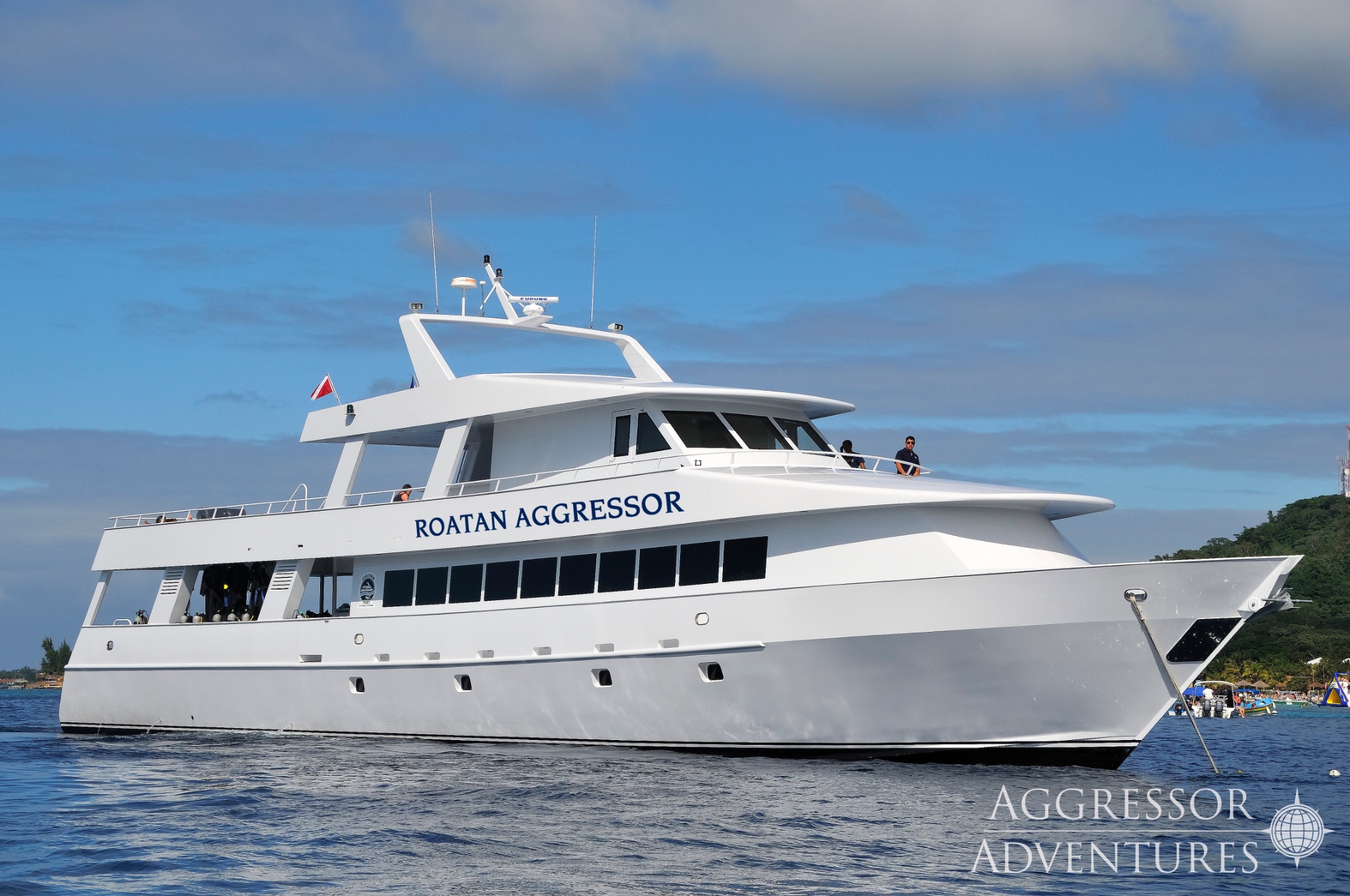
Roatan Aggressor
온두라스
18 명31.1 m
₩410,810/일
Blue House와(과) 비슷한 다이브 사이트
같은 분위기, 같은 바다 — 같은 이유로 사랑받는 여섯 곳.시즌, 접근성, 라이브어보드 루트를 비교한 뒤 여행에 가장 잘 맞는 사이트를 고르세요.
사토시의 무덤은 로아탄 남부 해안, 특히 미스터 버드 난파선에 위치한 독특한 난파선 다이빙 포인트예요. 이 사이트는 약 18미터(60피트) 깊이에 있으며, 난파선과 그 주변 생태계에 관심 있는 다이버들에게 분명한 초점을 제공하죠.
- 적합
- 초보
- 조류
- 보통
- 접근 방식
- 리브어보드 또는 데이보트
- 수심
- 18–18 m
- 테마
- 난파선 / 리프
애디스 가든(Addie's Garden)은 메소아메리카 산호초 지대 내 온두라스 로아탄 주변에 위치한 350개의 다이빙 및 스노클링 장소 중 하나예요.
- 적합
- 중급
- 조류
- 보통
- 접근 방식
- 리브어보드 또는 데이보트
- 수심
- 5–30 m
- 테마
- 리프
마리스 키친(Marie's Kitchen)은 온두라스의 베이 제도(Bay Islands) 주변에 위치한 다이빙 장소입니다. 이 지역은 세계에서 두 번째로 큰 산호초 지대인 메소아메리칸 배리어 리프 시스템(Mesoamerican Barrier Reef System)의 일부로, 매우 다양한 해양 생물이 서식하고 있습니다.
- 적합
- 중급
- 조류
- 보통
- 접근 방식
- 리브어보드 또는 데이보트
- 수심
- 5–30 m
- 테마
- 리프
부처스 뱅크는 온두라스 로아탄의 유명한 다이빙 장소로, 특히 초보 다이버들에게 가장 즐거운 곳 중 하나로 널리 알려져 있어요. 웨스트 엔드에서 보트로 잠깐이면 도착하는 이 장소는 광대한 메소아메리카 방벽 산호초 시스템의 일부로, 보호된 활기찬 수중 경험을 선사합니다.
- 적합
- 초보
- 조류
- 약함
- 접근 방식
- 데이보트
- 수심
- 12–18 m
- 테마
- 리프
© Esri — Maxar, Earthstar, GIS
아귈라(Aguila) 난파선은 '더 이글(The Eagle)'이라는 애칭으로 불리며, 1997년 레크리에이션 다이빙 한계 내에서 인공 산호초를 만들기 위해 의도적으로 가라앉힌 60미터(200피트) 길이의 화물선이에요.
- 적합
- 중급
- 조류
- 약함
- 접근 방식
- 데이보트
- 수심
- 20–33 m
- 테마
- 난파선 / 리프
© Esri — Maxar, Earthstar, GIS
알스 가든(Al's Garden)은 온두라스 베이 제도의 일부인 로아탄에 위치한 유명한 다이빙 사이트로, 활기찬 수중 지형과 다양한 해양 생태계로 잘 알려져 있어요.
- 적합
- 중급
- 조류
- 보통
- 접근 방식
- 리브어보드 또는 데이보트
- 수심
- 9–40 m
- 테마
- 리프