À propos de miniwall
Miniwall est une formation géologique unique située dans les Caraïbes, particulièrement connue pour sa présence à Julie's Wall, au Grand Cayman. Ce site se distingue par l'opportunité d'explorer un mur en surplomb spectaculaire, une caractéristique rare que l'on ne trouve qu'ici et à Breaker’s Cutback. La mini-paroi elle-même est très proche de la paroi principale, ce qui permet aux plongeurs d'explorer facilement les deux zones au cours d'une seule plongée. La topographie crée une «zone crépusculaire» sous le surplomb, où de grandes éponges vibrantes, généralement trouvées à de bien plus grandes profondeurs, prospèrent grâce aux conditions de faible luminosité. Tu peux observer un contraste frappant entre le surplomb ombragé et la mini-paroi brillamment éclairée, à une courte distance. Le site est accessible en bateau et offre une profondeur maximale d'environ 9 mètres (30 pieds). La vie marine à Miniwall comprend des diodons porc-épics, des poissons-anges, des mérous, des vivaneaux, des poissons-perroquets et des tortues imbriquées. Les anguilles, les homards et les requins gris de récif sont également des observations courantes. Les espèces colorées de labres, le corail noir, les tambours tachetés et les gorgones enrichissent davantage la richesse visuelle du récif. Ce site convient à une variété de plongeurs, offrant des profondeurs confortables et un courant minimal, ce qui en fait un excellent endroit pour que les nouveaux plongeurs développent leur confiance et que les plongeurs expérimentés profitent d'une exploration détendue. L'eau claire et la navigation facile le rendent également populaire pour la photographie sous-marine.
Points forts
Exploration mur en surplombÉponges profondes vibrantesObservation diodon porc-épicProximité paroi principaleHabitat zone crépusculaire peu profondeAbondance de labres colorés
Calendrier saisonnier
Meilleurs mois pour plonger
Jan
Fév
Mar
Avr
Mai
Juin
Juil
Août
Sep
Oct
Nov
Déc
Excellent
Bon
Fiche du site de plongée: miniwall
- Profondeur
- 9 m
- Courant
- Faible
- Visibilité
- 50–80 ft
- Température de l'eau
- 80–87°F
- Mise à l'eau
- Bateau
- Niveau
- Open Water Diver
- Type de plongée
- Récif, Tombant
- Région / port
- Bahamas
- Coordonnées
- 24.9027, -77.3351
Conditions & courants
Le site de plongée présente des courants faibles, ce qui contribue à l'eau «cristalline» et à la facilité de navigation, le rendant adapté aux plongeurs de tous niveaux. L'entrée se fait généralement depuis un bateau. Les conditions généralement calmes et la visibilité claire garantissent une expérience de plongée détendue, te permettant d'explorer confortablement les formations géologiques uniques et la vie marine diversifiée. Cette accessibilité et ce défi minimal sont bénéfiques pour les nouveaux plongeurs qui améliorent leurs compétences et pour les plongeurs expérimentés qui recherchent une plongée sans effort.
Faune marine et probabilité d'observation
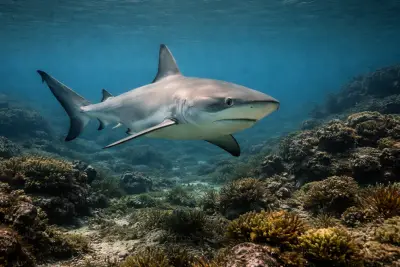
Caribbean reef shark
fréquent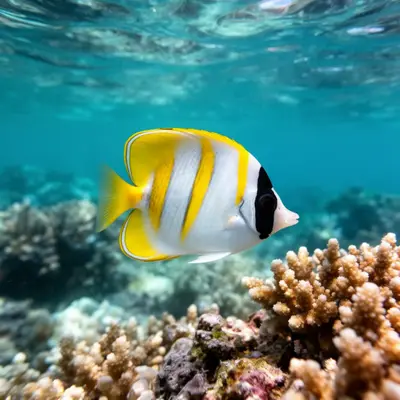
Four-eye butterflyfish
fréquent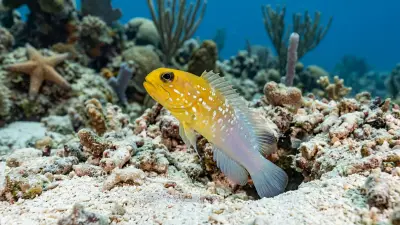
Yellowhead jawfish
fréquent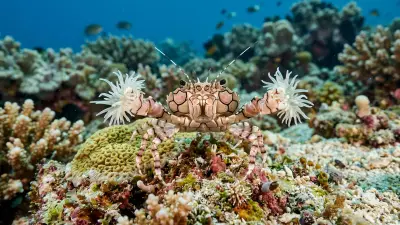
Crab
occasionnel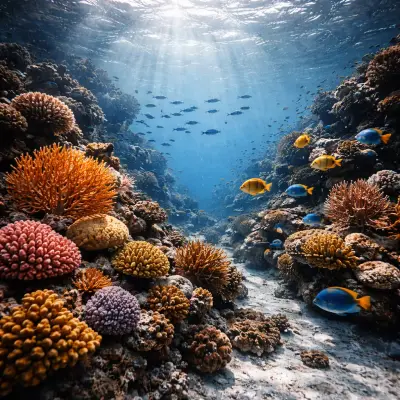
Fan coral
fréquentProfil et déroulé de la plongée
A dive at Miniwall typically begins with a briefing on its horseshoe-shaped reef and resident marine life before a boat entry. Divers descend to explore the vibrant reef, characterized by fan corals and numerous small crevices. The route often involves slowly traversing the reef, observing four-eye butterflyfish among the corals and searching for crabs tucked into rocks. A highlight is watching yellowhead jawfish darting in and out of their burrows. Caribbean reef sharks are frequently encountered circling the area, adding an exciting dimension to the dive. Divers maintain an appropriate depth to maximize bottom time while enjoying the clear visibility. The turn point is usually based on gas consumption or designated time, allowing for a gradual ascent. Safety stops are performed as standard procedure before returning to the surface, often near the boat.
Photographie sous-marine
Miniwall offers excellent opportunities for wide-angle photography, especially to capture the distinctive horseshoe reef shape and the frequent presence of Caribbean reef sharks. A fisheye lens will be ideal for these broader compositions. For macro enthusiasts, focusing on the fan corals can yield captivating shots of four-eye butterflyfish and other small reef inhabitants, while patient observation near sandy patches can reveal yellowhead jawfish peeking from their burrows. Natural light is generally abundant due to good visibility, but strobes are recommended to bring out the true colors of the corals and fish. Maintain good buoyancy to avoid disturbing the delicate coral formations and the shy jawfish.
À combiner avec ces sites
- Shark Paradise
Shark Paradise est un site de plongée dynamique aux Bahamas, réputé pour ses rencontres abondantes avec les requins.
- Mt. Olympus
Le Mont Olympe est un site de plongée dynamique aux Bahamas, régulièrement visité par les croisières plongée, réputé pour son écosystème…
- Fish Tail
Fish Tail est un site de plongée captivant, peu profond et riche en coraux, situé aux Bahamas, plus précisément près de Shark Paradise.
- Metropolis
Metropolis est un site de plongée incontournable aux Bahamas, réputé pour ses rencontres constantes et variées avec les requins, ce qui en…
- El Dorado
El Dorado est un site de plongée captivant aux Bahamas, particulièrement réputé pour ses magnifiques jardins de corail et ses fonds…
Accès et logistique
Access to Miniwall is primarily via liveaboard trips departing from ports such as Old Bahama Bay Marina. Divers flying into the Bahamas typically arrive at major international airports like Lynden Pindling International Airport (Nassau) or Freeport Grand Bahama International Airport. From there, transfers are arranged to the liveaboard departure points. Bahamas liveaboards offer weeklong itineraries, often combining Miniwall with other notable dive sites like Shark Paradise and Mt. Olympus. Permits are not generally required for individual dive sites, though liveaboard costs cover all diving activities.
Sécurité et environnement
For diving at Miniwall and throughout the Bahamas, it is strongly recommended that divers have comprehensive travel and dive insurance, ensuring coverage for potential medical emergencies and evacuations. While specific chamber locations for this precise area aren't detailed, Nassau hosts medical facilities capable of handling dive-related incidents. Evacuation from more remote sites typically involves boat transfer to the nearest island with medical services, or direct to a chamber if critical. Divers should maintain awareness of their surroundings due to the presence of Caribbean reef sharks and practice good buoyancy to protect the delicate reef. Always follow your dive guide's instructions and stay within your certification limits.
Pour qui — et pour qui pas
Adapté à
- Open Water Certified Divers
- Divers interested in reef ecology
- Shark encounter enthusiasts
- Underwater photographers
- Those seeking vibrant coral gardens
Moins adapté à
- Divers with limited buoyancy control
- Those uninterested in reef fish
- Divers seeking only deep wreck penetration
- Individuals prone to seasickness on longer boat transfers
FAQ
FAQ miniwall
What kind of marine life can I expect to see at Miniwall?
At Miniwall, you can commonly observe Caribbean reef sharks circling the area, providing an exciting pelagic encounter. The reef is also home to numerous four-eye butterflyfish darting around fan corals, and yellowhead jawfish frequently pop out of their burrows in the sandy patches. You might also spot various crabs hiding within the rock crevices of the reef structure.
What are the typical diving conditions at Miniwall?
Miniwall generally offers favorable diving conditions with excellent visibility, often ranging between 50 and 80 feet. Water temperatures are comfortably warm, typically from 80°F to 87°F. While currents are usually mild, conditions can occasionally vary, so divers should be prepared for gentle drifts. The site is accessible by boat, typically as an early morning dive.
Is Miniwall suitable for beginner divers?
Miniwall is suitable for Open Water certified divers and above. Its generally mild currents, good visibility, and vibrant reef life make it an accessible site for those with basic diving experience. However, all divers should be comfortable with boat entries and exits and maintain good buoyancy control to protect the reef.
How is Miniwall structured underwater?
Miniwall is characterized by a unique horseshoe-shaped reef structure. This distinctive topography creates varied habitats for marine life, with fan corals adorning the reef and numerous small cracks and crevices providing shelter for smaller creatures. It offers a captivating landscape to explore, blending coral formations with sandy areas.
How far is Miniwall from major departure points?
Miniwall is located approximately 25 miles from Old Bahama Bay Marina, a common liveaboard departure point in the Bahamas. The journey typically takes some time by boat, often making it an early morning dive stop on multi-day itineraries. This distance highlights why liveaboards are the primary way to access this and other remote Bahamian dive sites effectively.
Pourquoi plonger miniwall en croisière ?
miniwall est un site emblématique de Bahamas. Une croisière te loge sur l'eau et propose trois à quatre plongées guidées par jour, dont des plongées à l'aube et de nuit que les bateaux à la journée offrent rarement. Tu évites le retour quotidien au port et atteins des sites plus tranquilles de la même région en un seul voyage.
Voici les croisières qui incluent miniwall dans leurs itinéraires en Bahamas.
Croisières plongée à miniwall
Ces croisières plongée peuvent visiter miniwall sur certains itinéraires — les sites exacts dépendent du départ, de la météo et des conditions.
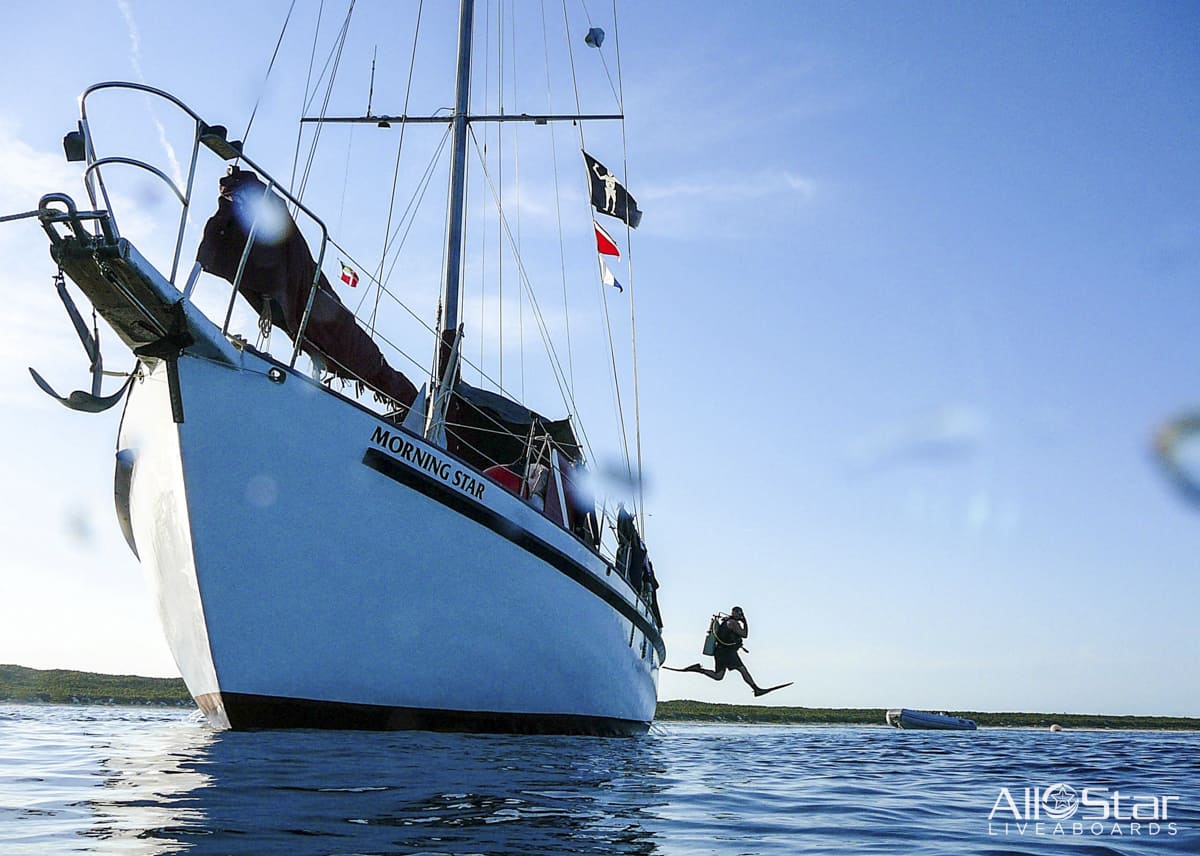
All Star Blackbeards Morning Star
Bahamas
24 plongeurs19.81 m
€137/jour
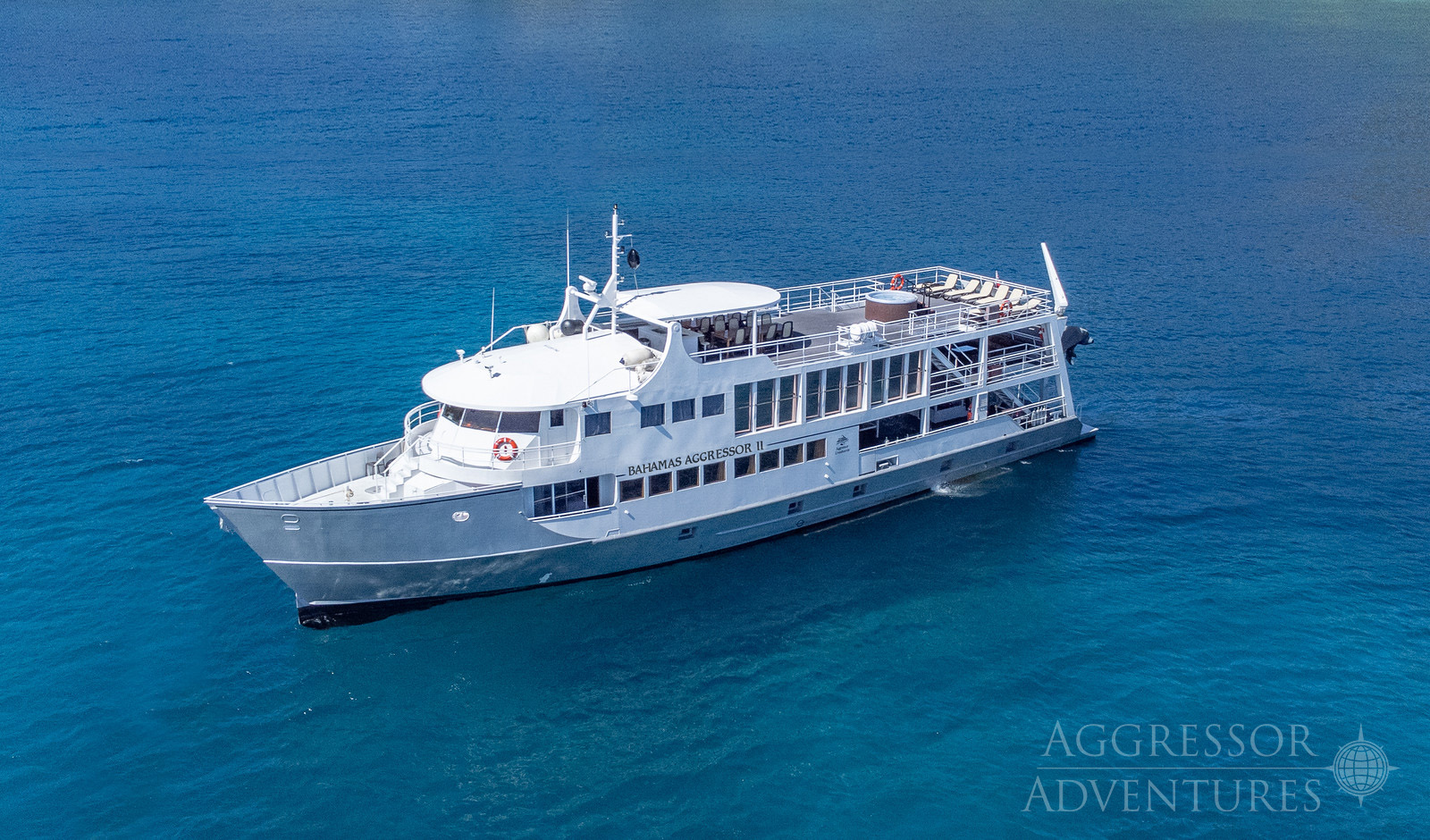
Bahamas Aggressor II
Bahamas
20 plongeurs33.5 m
€288/jour
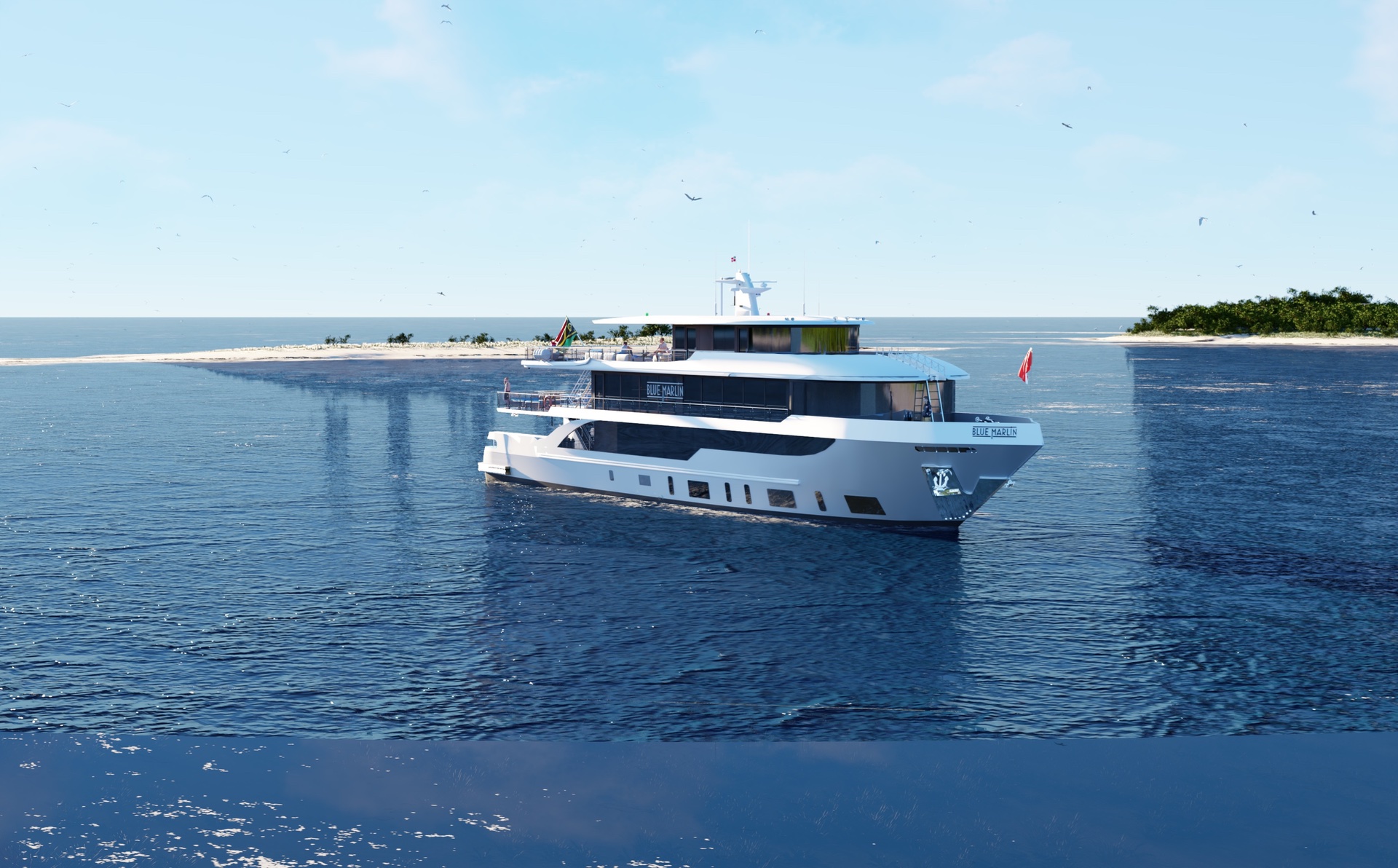
Blue Marlin
Bahamas
26 plongeurs42 m
€280/jour
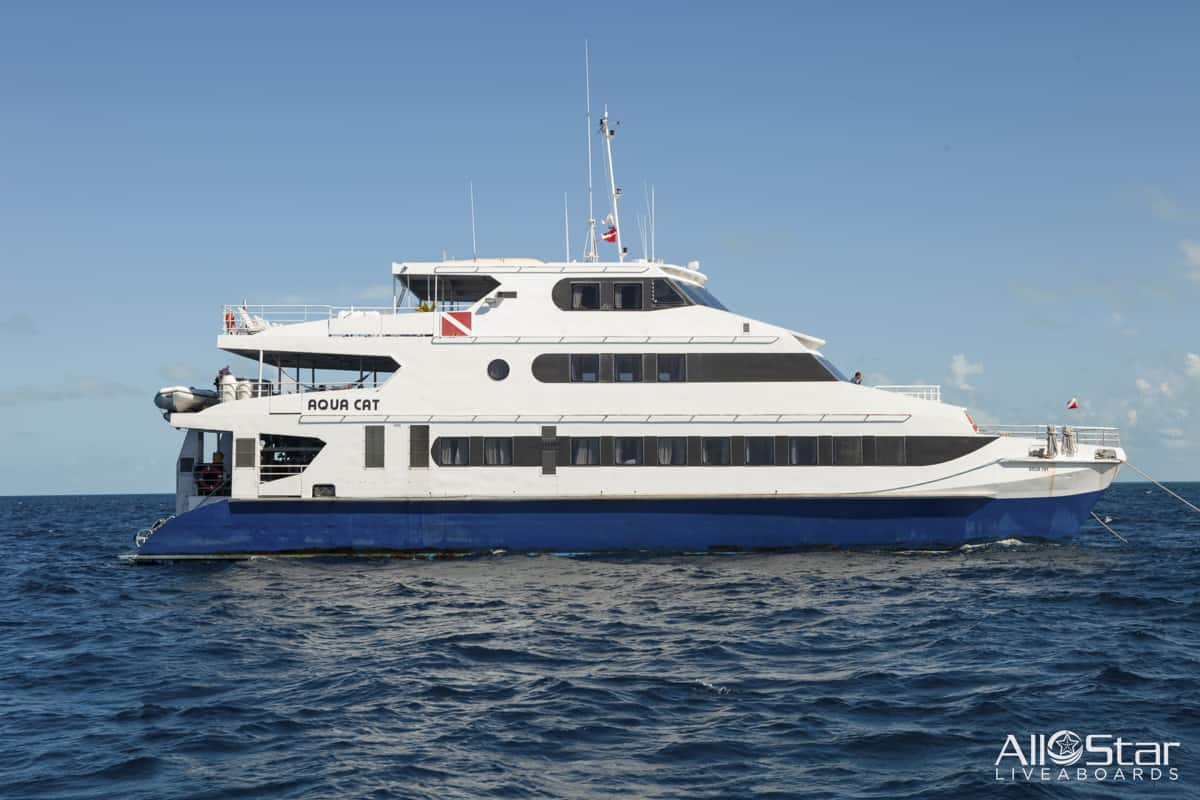
All Star Aqua Cat
Bahamas
30 plongeurs31.09 m
€274/jour
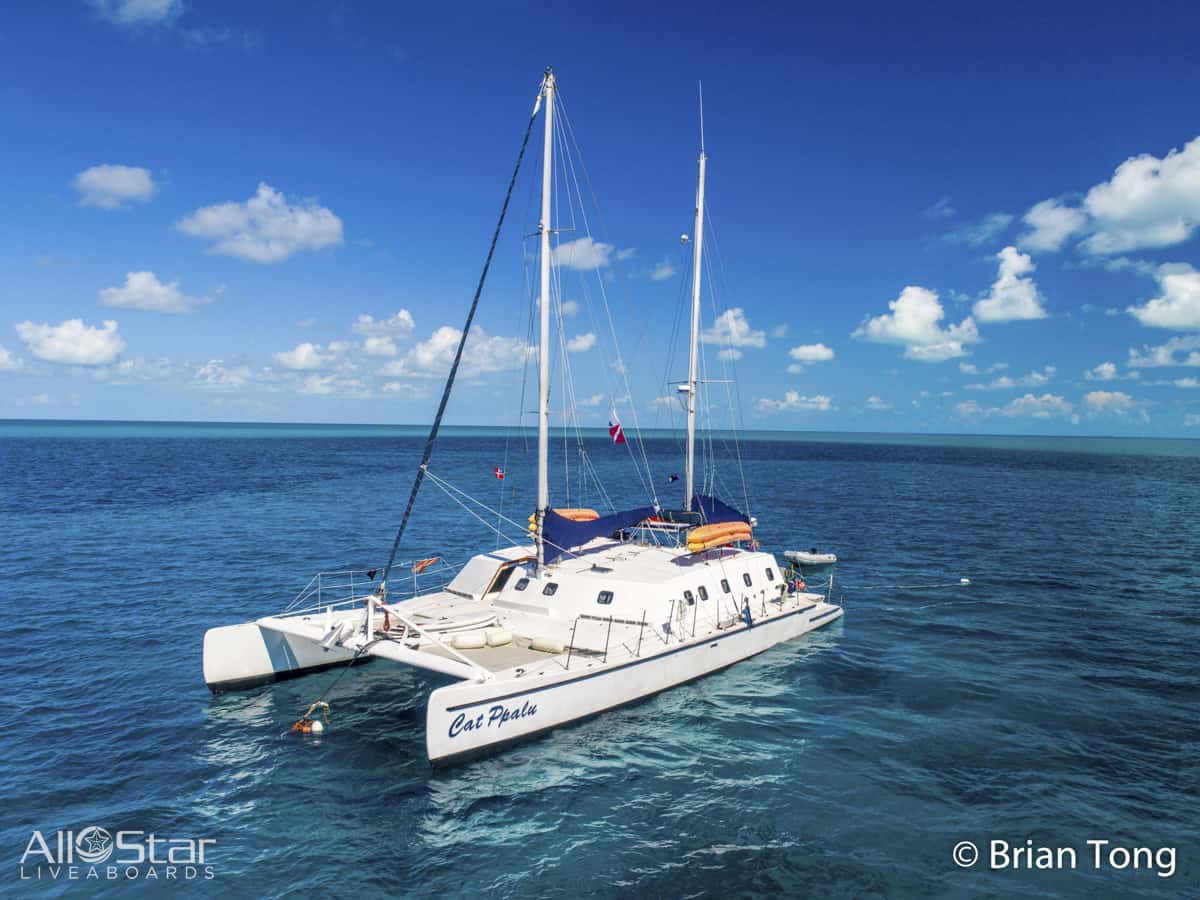
All Star Cat Ppalu
Bahamas
12 plongeurs20 m
€208/jour
Sites de plongée similaires à miniwall
Même ambiance, mêmes eaux : six autres sites appréciés pour les mêmes raisons.Comparez les saisons, l'accès et les itinéraires de liveaboard, puis choisissez le site qui correspond à votre voyage.
© Esri — Maxar, Earthstar, GIS
Pointe Columbus
Bahamas
La Pointe Columbus, au large de Cat Island aux Bahamas, est une destination de plongée avancée réputée pour ses plongées murales spectaculaires le long de l'un des systèmes récifaux les plus intacts de la région.
- Adapté à
- Avancé
- Courant
- Fort
- Accès
- Bateau à la journée
- Profondeur
- ≤ 40 m
- Thème
- Tombant / Dérivante
© Esri — Maxar, Earthstar, GIS
Cut Through City
Bahamas
Cut Through City est un site de plongée remarquable situé au large de la côte d'Eleuthera aux Bahamas, une région réputée pour sa topographie sous-marine diverse.
- Adapté à
- Intermédiaire
- Courant
- Faible
- Accès
- Croisière uniquement
- Profondeur
- 27–40 m
- Thème
- Tombant / Récif
© Esri — Maxar, Earthstar, GIS
Metropolis
Bahamas
Metropolis est un site de plongée incontournable aux Bahamas, réputé pour ses rencontres constantes et variées avec les requins, ce qui en fait une destination palpitante pour les plongeurs en quête d'action pélagique.
- Adapté à
- Intermédiaire
- Courant
- Modérée
- Accès
- Croisière uniquement
- Profondeur
- ≤ 13 m
- Thème
- Récif
© Esri — Maxar, Earthstar, GIS
Mt. Olympus
Bahamas
Le Mont Olympe est un site de plongée dynamique aux Bahamas, régulièrement visité par les croisières plongée, réputé pour son écosystème marin sain et son terrain sous-marin…
- Adapté à
- Avancé
- Courant
- Modérée
- Accès
- Croisière uniquement
- Profondeur
- ≤ 122 m
- Thème
- Récif / Dérivante
© Esri — Maxar, Earthstar, GIS
Mur de la Langue de l'Océan
Bahamas
Au large de la côte est d'Andros, le Mur de la Langue de l'Océan offre des aventures sous-marines variées, plongeant dans de vastes eaux d'un bleu profond.
- Adapté à
- Avancé
- Courant
- Fort
- Accès
- Croisière ou bateau à la journée
- Profondeur
- 18–52 m
- Thème
- Tombant
© Esri — Maxar, Earthstar, GIS
Split Coral Head
Bahamas
Split Coral Head est un site de plongée remarquable situé à Eleuthera, aux Bahamas, célébré pour ses impressionnantes formations coralliennes et la fente distinctive dans une tête de corail massive d'où il tire son nom.
- Adapté à
- Débutant
- Courant
- Sans courant
- Accès
- Croisière uniquement
- Profondeur
- 14–17 m
- Thème
- Récif