À propos de Emerald Bay
La baie d'Émeraude (Emerald Bay) du lac Tahoe, contrairement à ce que son nom pourrait laisser penser, offre une expérience de plongée en eau froide unique en son genre. Cette baie, qui porte bien son nom, se caractérise par des eaux vertes qui donnent l'impression d'un climat plus chaud, bien que la température de l'eau soit bien plus froide que celle des mers tropicales. En plongeant ici, tu découvriras des caractéristiques sous-marines uniques, principalement des cabanes et des arbres engloutis. Ces structures immergées créent le récit visuel d'un ancien camp de bûcherons aujourd'hui reconquis par le lac. La topographie se compose principalement de ces éléments terrestres engloutis, formant un paysage fascinant. Les structures visibles des cabanes et des arbres offrent un environnement d'exploration insolite, très différent des récifs coralliens ou des formations rocheuses habituelles. Le site offre un aperçu de l'activité humaine passée, fusionnée avec l'environnement sous-marin naturel. La vie marine d'Emerald Bay est adaptée aux conditions d'eau douce et froide. Ici, l'accent n'est pas mis sur les coraux ou les poissons tropicaux, mais plutôt sur l'ambiance unique créée par la forêt et les structures submergées. L'attrait principal réside dans l'aspect historique et géologique de la plongée, plutôt que dans l'abondance d'espèces marines. Ce site est idéal pour toi si tu cherches une aventure sous-marine différente, axée sur des formations géologiques et historiques uniques plutôt que sur des écosystèmes foisonnants. La plongée consiste à naviguer autour des cabanes et des arbres, ce qui exige d'être à l'aise en eau froide et d'apprécier les paysages sous-marins singuliers.
Points forts
Teinte de l'eau vert émeraudeCabanes engloutiesArbres immergés
Calendrier saisonnier
Meilleurs mois pour plonger
Jan
Fév
Mar
Avr
Mai
Juin
Juil
Août
Sep
Oct
Nov
Déc
Excellent
Bon
Fiche du site de plongée: Emerald Bay
- Profondeur
- 10–25 m
- Plongée type
- 10–15 m, 60+ min
- Courant
- Faible
- Visibilité
- 10–30 m
- Température de l'eau
- 27–30 °C
- Mise à l'eau
- Depuis le bord
- Niveau
- Débutant à Confirmé
- Type de plongée
- Récif, Récif artificiel, Macro
- Plongée de nuit
- Possible
- Région / port
- Tulamben, Bali
- Coordonnées
- -8.2702, 115.5898
Conditions & courants
Les courants sont généralement négligeables ici, le site reste donc calme et facile à plonger. Les profils se situent environ entre 10 et 25 mètres : prévois ton gaz et tes limites sans palier pour la partie la plus profonde. Il est généralement présenté comme une plongée pour débutants. La mise à l'eau se fait du bord : planifie l'aller-retour en surface selon les conditions du jour. Marée, vent et saison changent la donne d'un jour à l'autre : le briefing de l'équipage prime toujours sur toute description générale.
Faune marine et probabilité d'observation
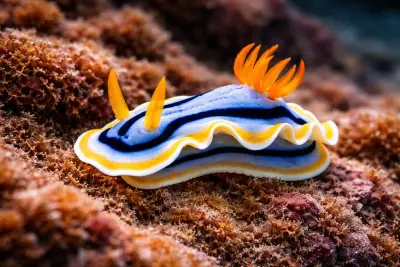
Nudibranchs
fréquent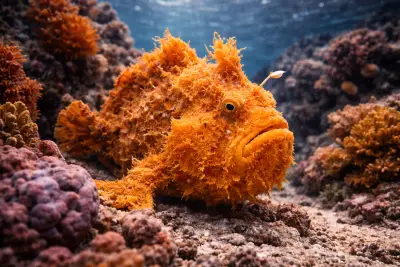
Frogfish
occasionnel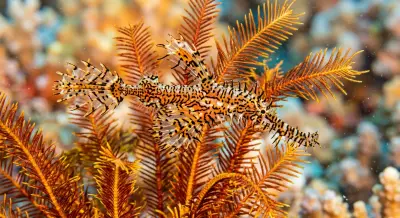
Ghost pipefish
occasionnel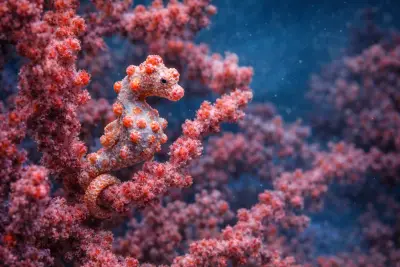
Pygmy seahorses
Seasonal · occasionnel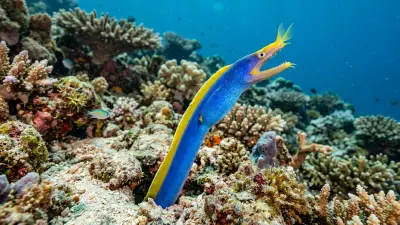
Ribbon eels
fréquent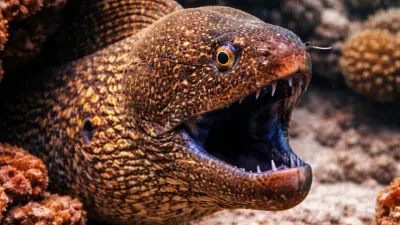
Moray eels
fréquent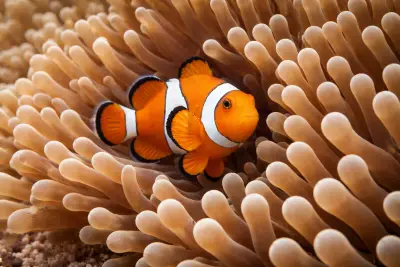
Clownfish
fréquent
Shrimps
fréquent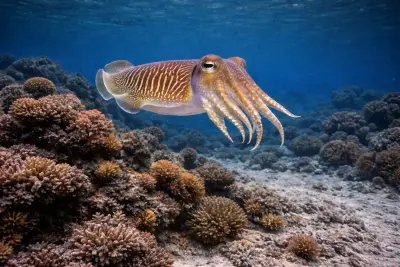
Cuttlefish
occasionnel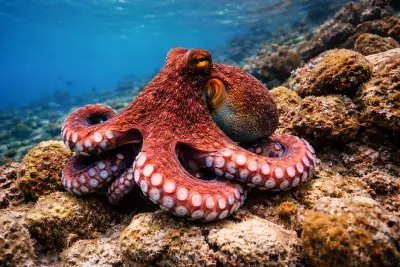
Octopus
occasionnel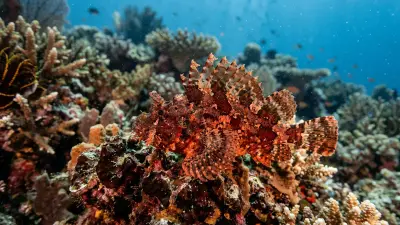
Leaf scorpionfish
occasionnel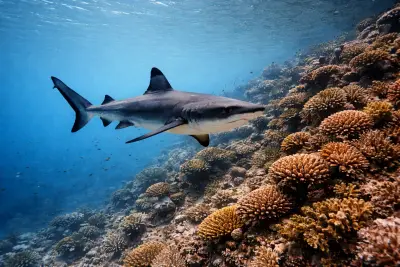
Blacktip reef sharks
occasionnelProfil et déroulé de la plongée
Entry is from the black sand beach, best done by waiting for smaller surf sets and donning fins once in thigh-deep water. The dive typically begins with a gradual descent over the shallow reef, which extends to an average depth of 10 meters. Divers can explore the artificial structures and anemone gardens in this area, maximizing bottom time due to the shallow profile. The site gently slopes down to a maximum depth of approximately 25 meters, allowing for varied depth progression. A common route involves a pass over the shallow reef, sometimes followed by a quick swim towards the nearby USAT Liberty wreck, or exploring deeper parts of the bay. The turnaround point is flexible, often guided by air consumption or bottom time limits. Safety stops are usually conducted in the calm, shallow waters closer to shore, around 5 meters, where divers can continue to observe abundant macro life.
Photographie sous-marine
Emerald Bay is a macro photography paradise, especially on the long-standing artificial structures and amidst the dense soft corals. Patience and good buoyancy are essential to approach shy subjects without disturbing them or damaging the reef. For macro subjects like nudibranchs, frogfish, ghost pipefish, shrimps, and pygmy seahorses, a macro lens (e.g., 60mm or 100/105mm) is highly recommended. External strobes are crucial to bring out the vibrant colors against the black sand and penetrate shadows. Snoots can be effective for isolating small critters. For wide-angle shots, the artificial structures like the airplane and statues, along with the black volcanic sand backdrop, offer unique compositions. Early morning light often provides the best conditions for both ambient light and strobe photography, enhancing visibility and reducing backscatter. Focus on slow, methodical searching to spot cryptic species.
À combiner avec ces sites
- USAT Liberty Wreck
A historic wreck dive accessible for all levels, teeming with marine life.
- Tulamben Wall
Also known as The Drop Off, a steep volcanic wall rich in corals and larger fish.
- Boga Wreck
An artificial reef with unique features like a VW car and Buddha statues, for more advanced divers.
- Batu Kelebit
A boat-accessible site near Tulamben Wall known for its rich marine life in deeper waters.
Accès et logistique
Emerald Bay is part of the Tulamben dive region, accessible from Bali's Ngurah Rai International Airport (DPS) in Denpasar, followed by a two to three-hour car transfer to Tulamben. Day trips typically involve two shore dives and sometimes an optional third, often combining Emerald Bay with nearby sites like the USAT Liberty wreck. Most dive operators in Tulamben offer porter assistance for carrying gear from the shore entry point. Dive packages usually include transfers, guide services, full equipment, tanks (air or Nitrox), lunch, and marine park fees. Trips from Sanur can also be arranged, taking around two to three hours for transport. The site's easy shore access makes logistics straightforward for both individual divers and groups.
Sécurité et environnement
While Emerald Bay offers calm conditions, divers should always carry appropriate insurance that covers scuba diving and potential medical emergencies. The nearest recompression chamber is located in Denpasar, necessitating a significant evacuation time in case of a serious incident. Divers should ensure their equipment is well-maintained and exercise good buoyancy control to avoid contact with the fragile reef and artificial structures. Adhere to dive plan briefings, particularly regarding entry and exit procedures on the black sand beach, and always dive within your certification limits. Monitor air consumption carefully to ensure sufficient reserves for the duration of the dive and a proper safety stop. It is advisable to dive with a reputable local guide who is familiar with the site.
Pour qui — et pour qui pas
Adapté à
- Beginner divers looking for easy conditions
- Macro photographers seeking diverse subjects
- Divers desiring long bottom times
- Those interested in artificial reef exploration
- Divers who prefer shore entries
Moins adapté à
- Divers seeking strong currents or challenging drift dives
- Those exclusively interested in large pelagic encounters
- Individuals sensitive to black sand on entry/exit
- Divers who prefer boat dives exclusively
FAQ
FAQ Emerald Bay
What makes Emerald Bay (Coral Garden) unique?
Emerald Bay is distinct due to its blend of natural reef and artificial structures, including small airplanes and statues, all thriving with marine life. The black volcanic sand bottom creates a dramatic contrast with the vibrant corals, offering a unique aesthetic for divers and photographers. Its calm, clear waters and easy shore entry also set it apart as a highly accessible and enjoyable dive site.
What kind of marine life can I expect to see at Emerald Bay?
You can anticipate a rich variety of macro life, making it a paradise for critter spotting. Common sightings include numerous nudibranchs, various types of shrimps, and clownfish in anemone gardens. You might also spot ribbon eels, moray eels, cuttlefish, and octopus. Occasionally, patient divers can find frogfish, ghost pipefish, leaf scorpionfish, and even seasonal pygmy seahorses on sea fans, as well as blacktip reef sharks patrolling the shallows.
Is Emerald Bay suitable for beginner divers?
Yes, Emerald Bay is highly suitable for beginner divers. Its sheltered location ensures minimal currents and calm surface conditions, making for a relaxed diving experience. The average depth of around 10 meters allows for extended bottom times, and the easy shore entry further enhances its accessibility for those new to diving or looking to build confidence.
What are the typical dive conditions at Emerald Bay?
Dive conditions at Emerald Bay are generally excellent. Visibility commonly ranges from 10 to 30 meters, and water temperatures are warm, typically between 27°C and 30°C. Currents are usually mild or absent, providing comfortable diving. While the site is accessible year-round, conditions are best during the dry season from May to October, with early morning dives offering the calmest water and best light.
Can I do a night dive at Emerald Bay?
Yes, night dives are possible and highly recommended at Emerald Bay. The artificial structures and rich reef provide ample hiding spots for nocturnal creatures. Many macro species become more active at night, offering a different perspective and unique photographic opportunities compared to day dives.
Pourquoi plonger Emerald Bay en croisière ?
Emerald Bay est un site emblématique de Bali. Une croisière te loge sur l'eau et propose trois à quatre plongées guidées par jour, dont des plongées à l'aube et de nuit que les bateaux à la journée offrent rarement. Tu évites le retour quotidien au port et atteins des sites plus tranquilles de la même région en un seul voyage.
Voici les croisières qui incluent Emerald Bay dans leurs itinéraires en Bali.
Croisières plongée à Emerald Bay
Ces croisières plongée peuvent visiter Emerald Bay sur certains itinéraires — les sites exacts dépendent du départ, de la météo et des conditions.
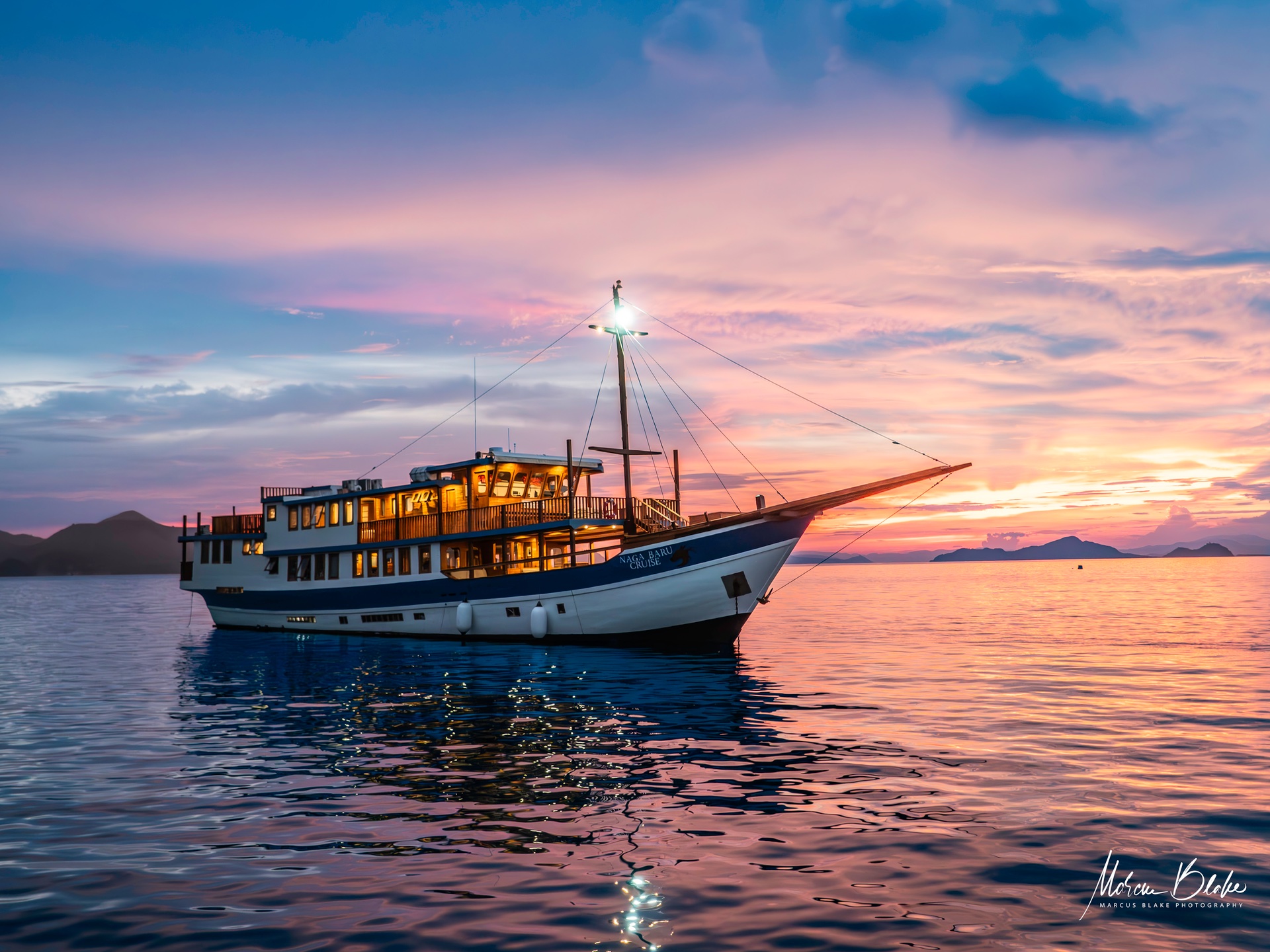
Naga Biru
Indonésie
12 plongeurs40 m
€241/jour
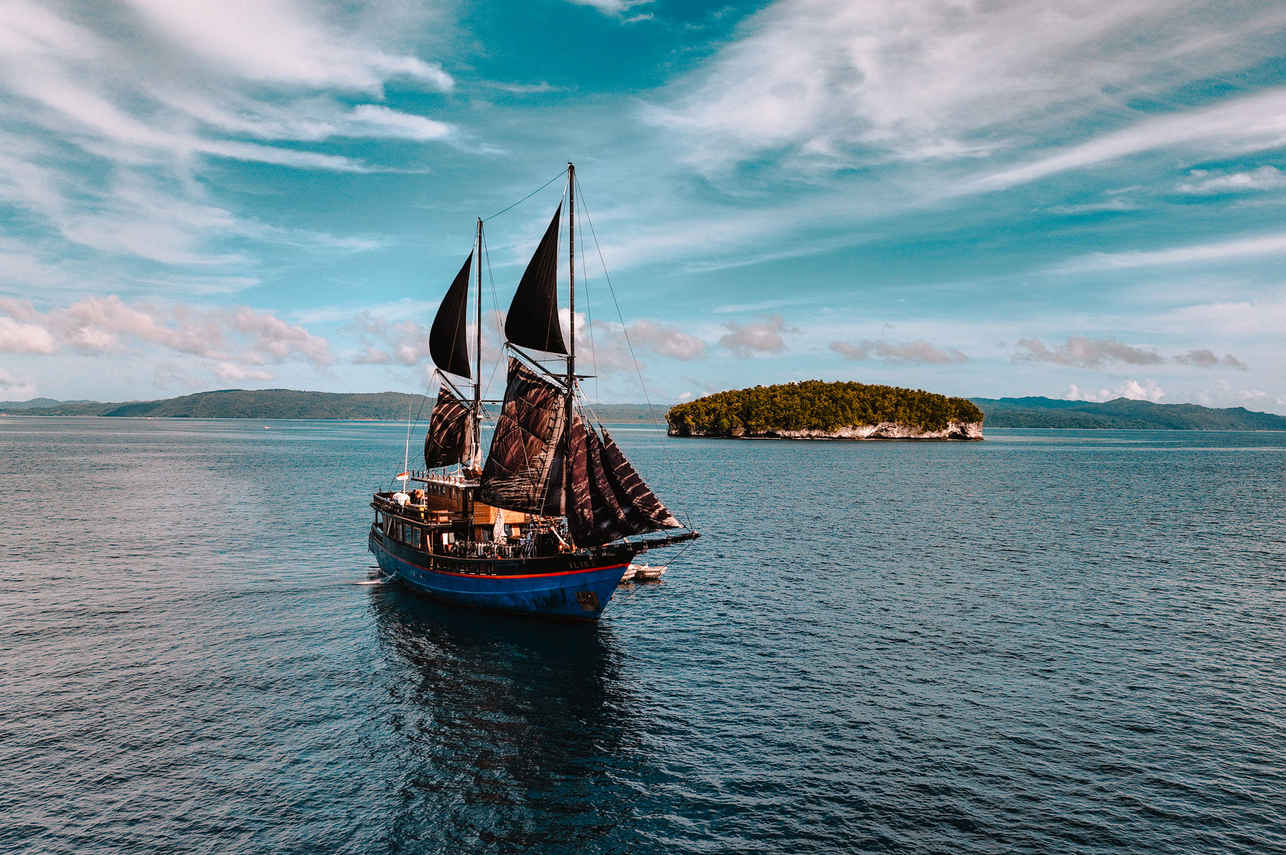
Ilike
Indonésie
16 plongeurs40 m
€262/jour
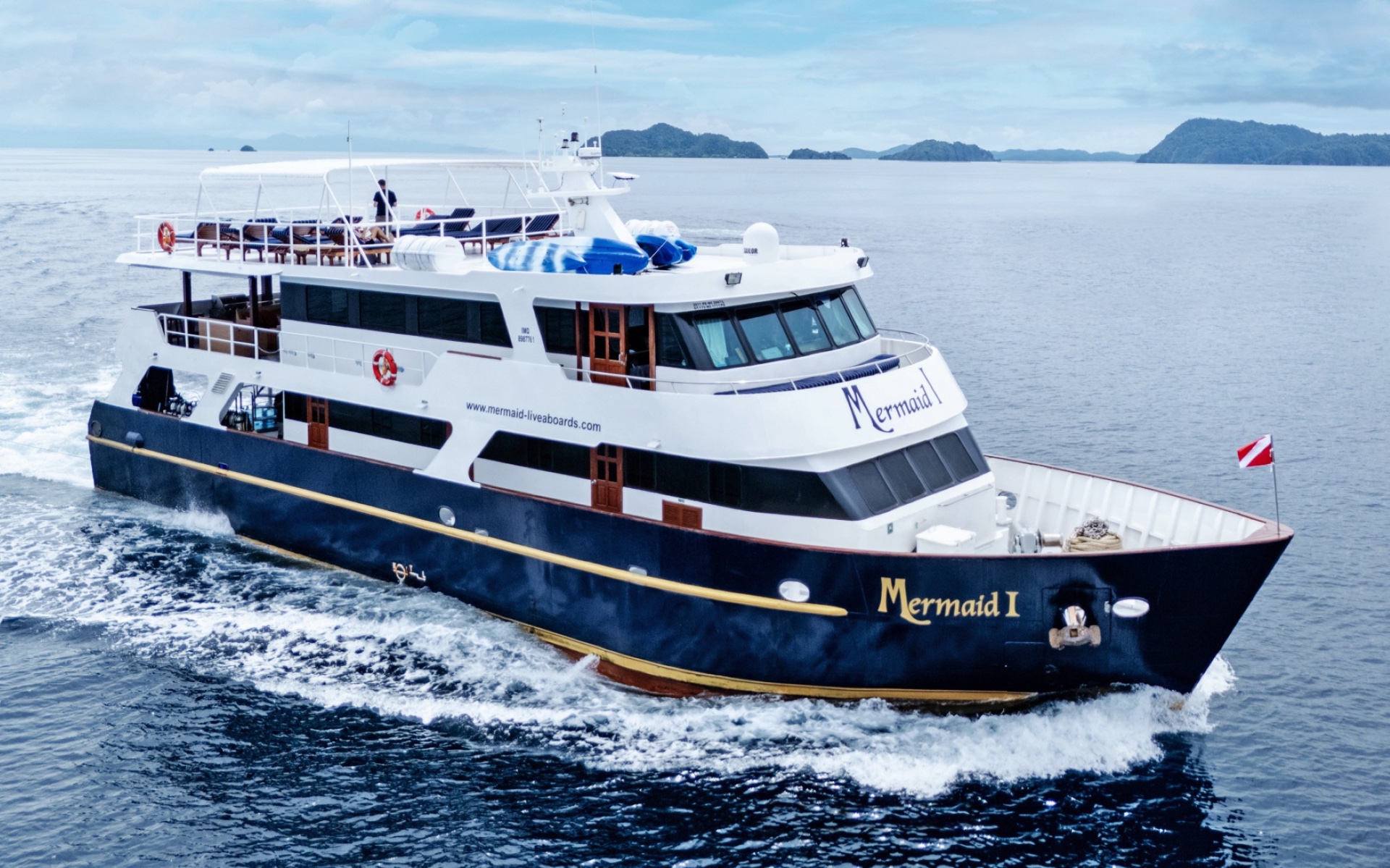
Mermaid I
Alor
15 plongeurs28 m
€327/jour
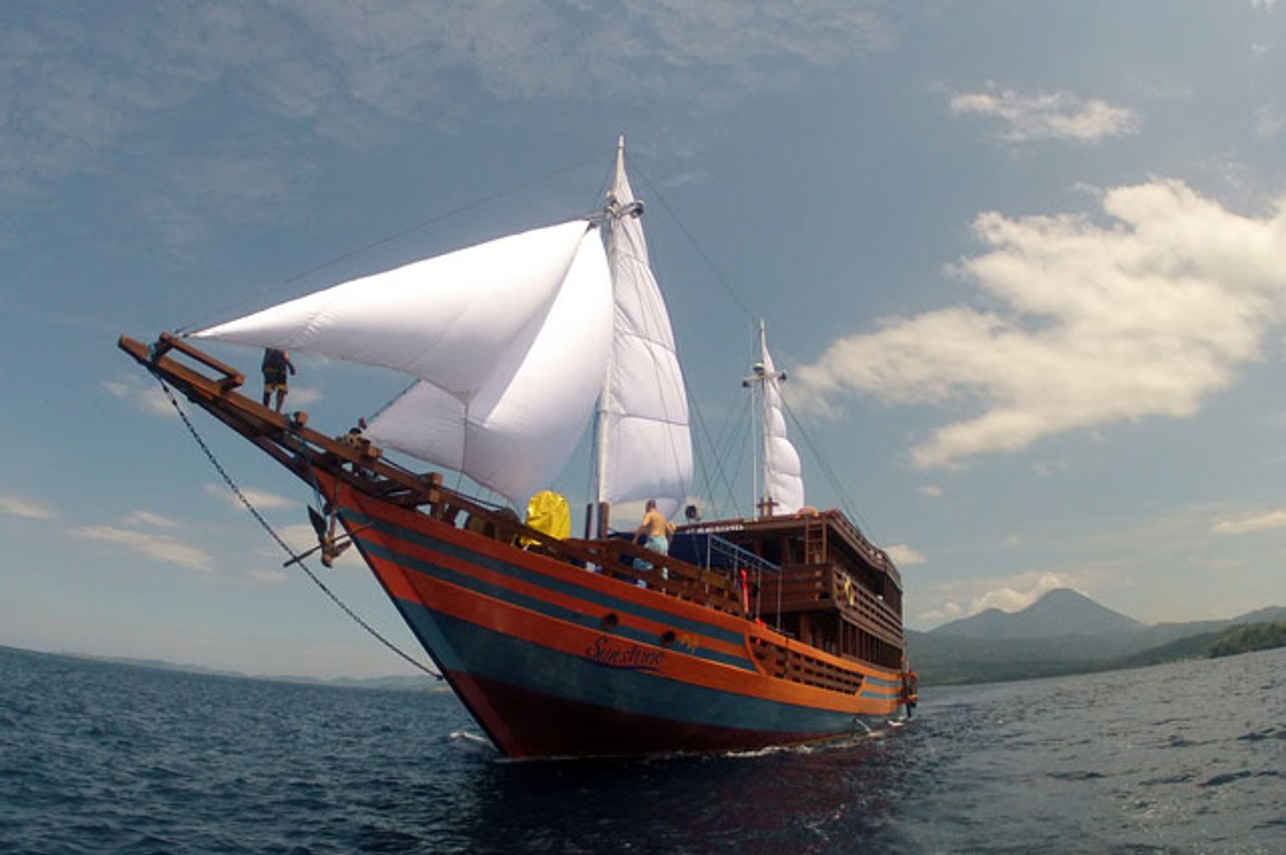
Sunshine Liveaboard
Indonésie
10 plongeurs31 m
€168/jour
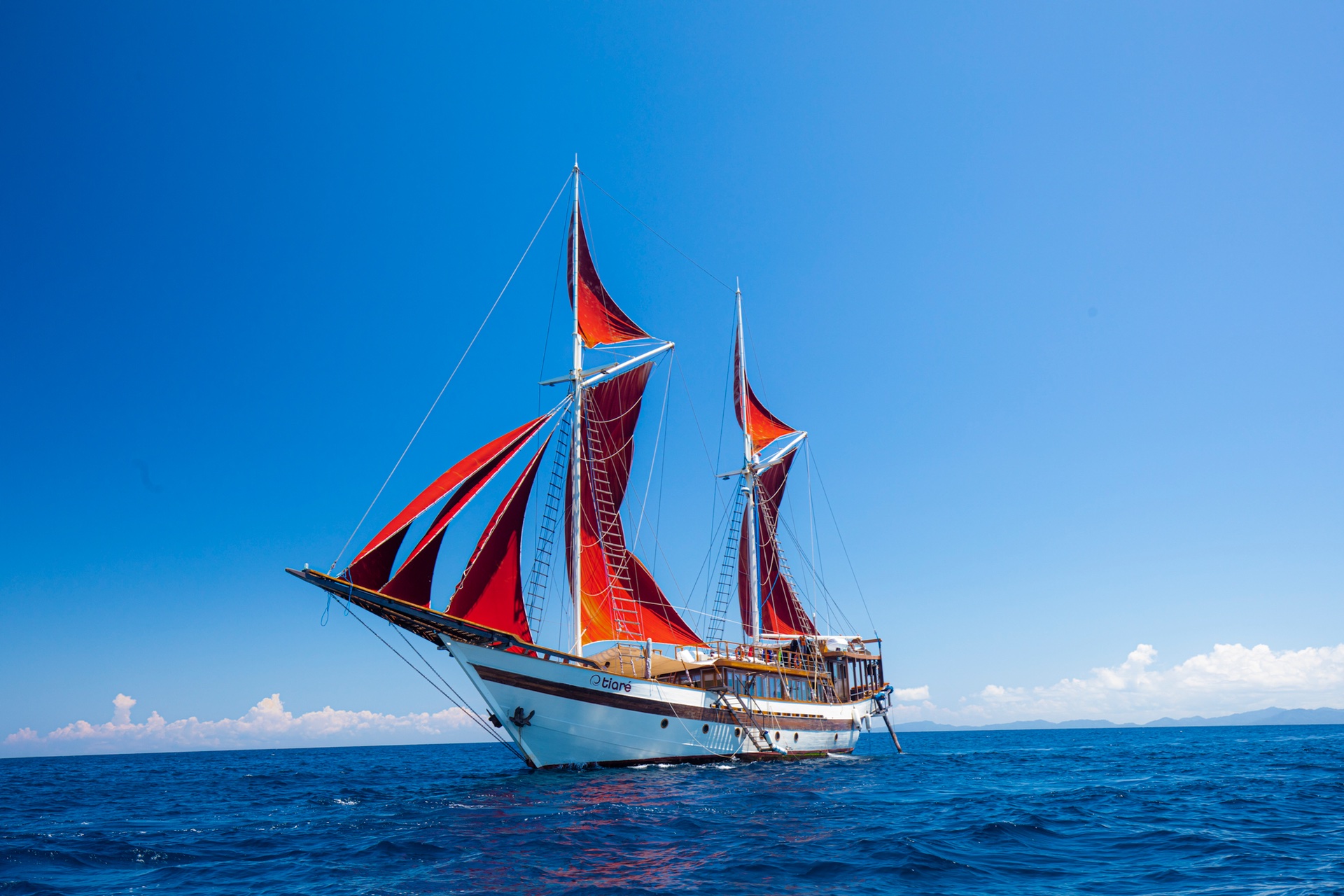
Tiare Cruise
Indonésie
12 plongeurs36.5 m
€368/jour
Sites de plongée similaires à Emerald Bay
Même ambiance, mêmes eaux : six autres sites appréciés pour les mêmes raisons.Comparez les saisons, l'accès et les itinéraires de liveaboard, puis choisissez le site qui correspond à votre voyage.
La baie de Lipah se situe sur la côte nord-est de Bali, dans la région d'Amed, adossée à l'imposant Gunung Agung.
- Adapté à
- Débutant
- Courant
- Faible
- Accès
- Croisière ou bateau à la journée
- Profondeur
- 5–30 m
- Thème
- Récif / Dérivante
Puri Jati, souvent appelé PJ, est situé sur la côte nord de Bali, près de Lovina, à la périphérie du village de Seririt.
- Adapté à
- Intermédiaire
- Courant
- Sans courant
- Accès
- Depuis la côte / bateau à la journée
- Profondeur
- 6–12 m
- Thème
- Récif
© Esri — Maxar, Earthstar, GIS
Épave japonaise
Bali
Le Japanese Wreck est un site de plongée incontournable situé dans la baie de Banyuning, juste en face de la plage à Amed, Bali.
- Adapté à
- Débutant
- Courant
- Modérée
- Accès
- Depuis la côte / bateau à la journée
- Profondeur
- 6–12 m
- Thème
- Épave / Récif
© Esri — Maxar, Earthstar, GIS
Dream Wall
Bali
Dream Wall est l'un des meilleurs sites de plongée de l'île de Menjangan, situé dans la zone marine protégée du Parc National de Bali Ouest.
- Adapté à
- Débutant
- Courant
- Faible
- Accès
- Bateau à la journée
- Profondeur
- 10–60 m
- Thème
- Tombant / Récif
© Esri — Maxar, Earthstar, GIS
Le Jardin des Anguilles (Eel Garden) est un site de plongée réputé, situé au nord-ouest de l'île de Menjangan, une zone marine protégée au sein du Parc National de Bali Occidental.
- Adapté à
- Intermédiaire
- Courant
- Modérée
- Accès
- Croisière ou bateau à la journée
- Profondeur
- 8–40 m
- Thème
- Dérivante / Récif
Pura Ped, situé sur la côte nord de Nusa Penida, est un site de plongée célèbre pour son système récifal étendu et en excellente santé. Il offre une expérience exaltante de…
- Adapté à
- Intermédiaire
- Courant
- Fort
- Accès
- Croisière ou bateau à la journée
- Profondeur
- 5–30 m
- Thème
- Dérivante / Récif