Bluerides – Blue Rides - Réservez des croisières plongée dans le monde entierOCEAN ADVENTURES
River CruisesRiversNature & WildlifeOur Promise
River CruisesRiversNature & WildlifeOur PromiseConnexion

Destinations fluviales

  • Destinations fluviales
  • Amazone
  • Danube
  • Rhin
  • Mékong
  • Nil

Bateaux et départs

  • Recherche de croisières fluviales
  • Offres

Nature et faune sauvage

  • Nature et faune sauvage

Assistance voyage

  • Notre engagement
  • Contact

Contact

Contactez-nous

Contacte-nous quand tu veux, on t'aide à choisir ta croisière ou à répondre à tes questions.

E-mailÉcris-nous : on répond en général en quelques heures.
contact@bluerides.com
WhatsAppDiscute avec nous sur WhatsApp, lun–ven 10h–16h (CET).
Démarrer la discussion WhatsApp
TéléphoneAppelez-nous, nous serons ravis de vous aider.
Appel gratuit, lun–ven 10h–20h (CET).
Europe+49 800 1144 990États-Unis+1 888 557 7735Royaume-Uni+44 800 707 4152Australie+61 2 8599 6113Canada+1 888 557 7735
Which river journey is yours?Answer 8 quick questions and find the river cruise that fits you.
8 questions, 1 minute·Plus Gift
Moyens de paiement sécurisésVos paiements sont entièrement sécurisés grâce au chiffrement AES-256.
Propulsé parStripeWiseAMEXPayGoogle PaySEPABank
Mentions légales·Conditions générales·Politique de confidentialité·À propos·Contact·Décharge de Responsabilité·Programme d'affiliation·Cruise·
Suivez-nous ici

© 2026 Blue Rides. Tous droits réservés.·

Bluerides – Blue Rides - Réservez des croisières plongée dans le monde entierOCEAN ADVENTURES
River CruisesRiversNature & WildlifeOur Promise
River CruisesRiversNature & WildlifeOur PromiseConnexion
Forster's Tern en zone humide — Columbia, faune des croisières fluviales
Accueil›River Cruises›River Wildlife›Forster's Tern

Forster's TernSterna forsteriOù et quand les observer

Previous speciesFerruginous DuckNext speciesGadwall

Forster's Tern at a glance

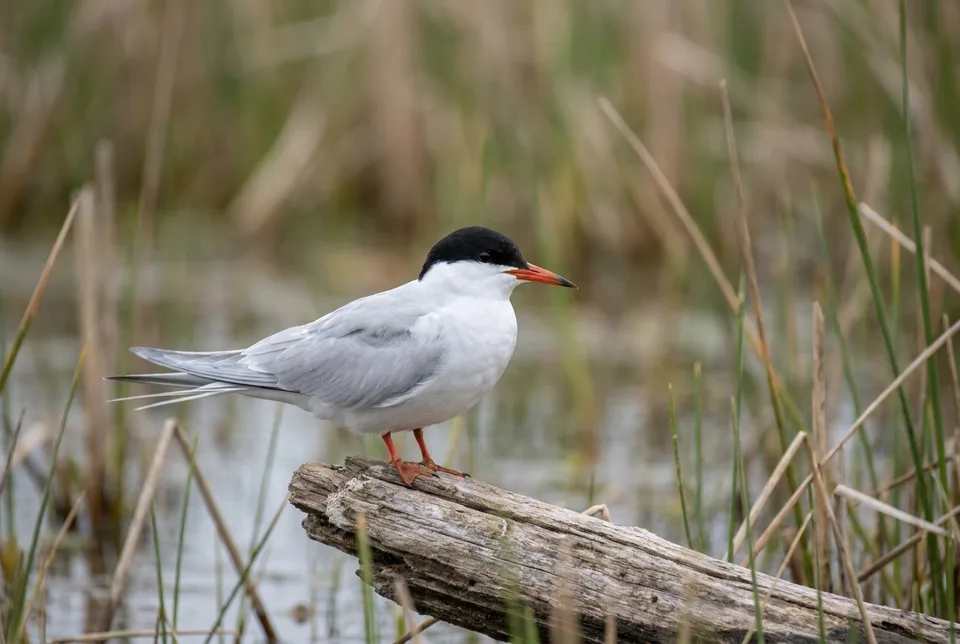
Forster’s Tern combines a pale body, pointed wings and a deeply forked tail with an aerial hunting style. Cornell describes a marsh-breeding species that uses many kinds of wetlands during migration. The registered Columbia opportunity is specifically Umatilla National Wildlife Refuge and the John Day pool near Boardman–Irrigon, not the entire river. Source: https://www.allaboutbirds.org/guide/Forsters_Tern/lifehistory
Behaviour & reproduction

Size
Species-specific body-length measurement not verified.
Weight
Species-specific weight not verified.
Lifespan
Species-specific lifespan not verified.
Status
A current formal global conservation assessment was not verified.

A hunting bird patrols above the water, adjusts its flight and plunges after small prey. Cornell reports that some dives submerge the entire body, although feeding is often near the surface. Between feeding bouts, birds may rest together. Colonies can shift as water levels, predators and disturbance alter the suitability of marsh nesting sites.

Top wildlife locations

Paysage fluvial Columbia — habitat des croisières fluviales

Columbia

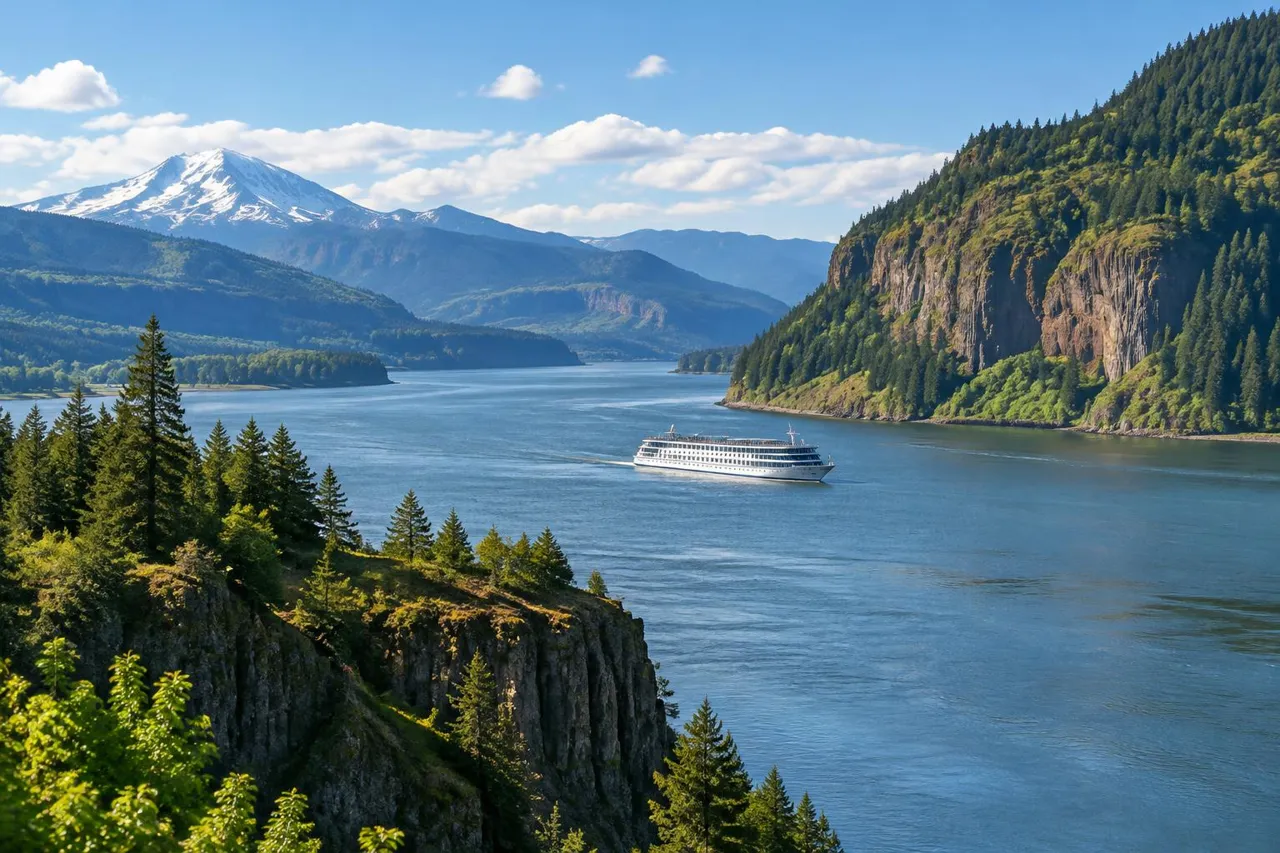
Columbia — Umatilla NWR / John Day pool, Boardman–Irrigon Viewing guidance: River/slough scanning; refuge shore excursion improves views. Checklist confirms occurrence, not year-round presence; waterfowl mainly migration/winter, terns and swallows mainly warm season.
Explore river cruises

Destinations describe the species' habitat, not guaranteed cruise stops. Some animals require an optional inland excursion or are found in restricted reserves.

Fun facts about the Forster's Tern

  • It plunge-dives for small fish.
  • Some feeding dives submerge the whole bird.
  • Breeding adults have a black cap.
  • Nonbreeding adults have a dark eye patch.
  • The tail is deeply forked.
  • Marsh nesting sites can change with water levels.

Best time to see the Forster's Tern

The registry characterises terns as principally warm-season targets but supplies no species-specific month boundaries. A retrieved Umatilla bird list includes a dated Forster’s Tern observation; a single dated observation cannot define a recurring season. No local recurring numerical calendar was verified, and the location months therefore remain empty.

Forster's Tern: season matrix by destination

Highlighted months reflect the stated local evidence, not guaranteed encounters. Neutral months mean no verified monthly viewing window, not absence. Observation records and recommended viewing windows are distinct.

Columbia

No qualifying local recurring monthly observation calendar was verified. Registry guidance is retained as qualitative context only; dated sightings, breeding dates and general migration patterns are not converted into months.

janv.févr.marsavr.maijuinjuil.aoûtsept.oct.nov.déc.
Explore river cruises

Where the Forster's Tern lives

Cornell identifies freshwater, brackish and saltwater marshes as breeding habitat, with open water and relatively predator-free nesting places. At Umatilla, river-influenced sloughs and wetlands beside John Day pool are the relevant habitat mosaic. An exposed main-channel view and a sheltered refuge slough offer quite different observation conditions.

What the Forster's Tern eats

Small fish dominate the diet described by Cornell. The birds locate prey from the air and plunge into the water, sometimes becoming fully submerged. This differs from the underwater pursuit used by grebes and cormorants. Specific fish species and feeding success at Boardman–Irrigon were not verified.

Species at a glance

Common name
Forster's Tern
Scientific name
Sterna forsteri
Animal group
Birds
Size
Species-specific body-length measurement not verified.
Weight
Species-specific weight not verified.
Lifespan
Species-specific lifespan not verified.
Status
A current formal global conservation assessment was not verified.
Identification
Breeding adults have a black cap and black-tipped orange bill. Outside breeding plumage, an isolated dark eye patch and pale nape are useful features. Cornell notes pale primaries, white underparts and a long forked tail. Separate similar terns using the complete combination rather than bill colour alone. https://www.allaboutbirds.org/guide/Forsters_Tern/id

Forster's Tern: frequently asked questions

Where can I see the Forster's Tern?
Columbia. From an authorised refuge viewpoint, follow one tern long enough to distinguish searching flight from an actual plunge. Keep islands and nesting vegetation undisturbed. U.S. Fish and Wildlife Service advises that most refuge islands are closed year-round to protect nesting birds and wintering waterfowl: https://www.fws.gov/refuge/umatilla.
When is the best time to see the Forster's Tern?
The registry characterises terns as principally warm-season targets but supplies no species-specific month boundaries. A retrieved Umatilla bird list includes a dated Forster’s Tern observation; a single dated observation cannot define a recurring season. No local recurring numerical calendar was verified, and the location months therefore remain empty.
How big does the Forster's Tern get?
Species-specific body-length measurement not verified.. Adult weight: Species-specific weight not verified.. Size varies with age, sex and population.
How should I behave around the Forster's Tern?
From an authorised refuge viewpoint, follow one tern long enough to distinguish searching flight from an actual plunge. Keep islands and nesting vegetation undisturbed. U.S. Fish and Wildlife Service advises that most refuge islands are closed year-round to protect nesting birds and wintering waterfowl: https://www.fws.gov/refuge/umatilla.
What does the Forster's Tern eat?
Small fish dominate the diet described by Cornell. The birds locate prey from the air and plunge into the water, sometimes becoming fully submerged. This differs from the underwater pursuit used by grebes and cormorants. Specific fish species and feeding success at Boardman–Irrigon were not verified.
Are wildlife sightings guaranteed on a river cruise?
No. Animals move freely and routes, weather, access restrictions and local conditions influence every outing. Confirm the actual itinerary and shore program before booking.

Compare wildlife in the same destinations

Explore other birds recorded in these destinations. Similar surroundings do not mean the animals share the same habits or viewing season.

Species comparison by animal group and destination
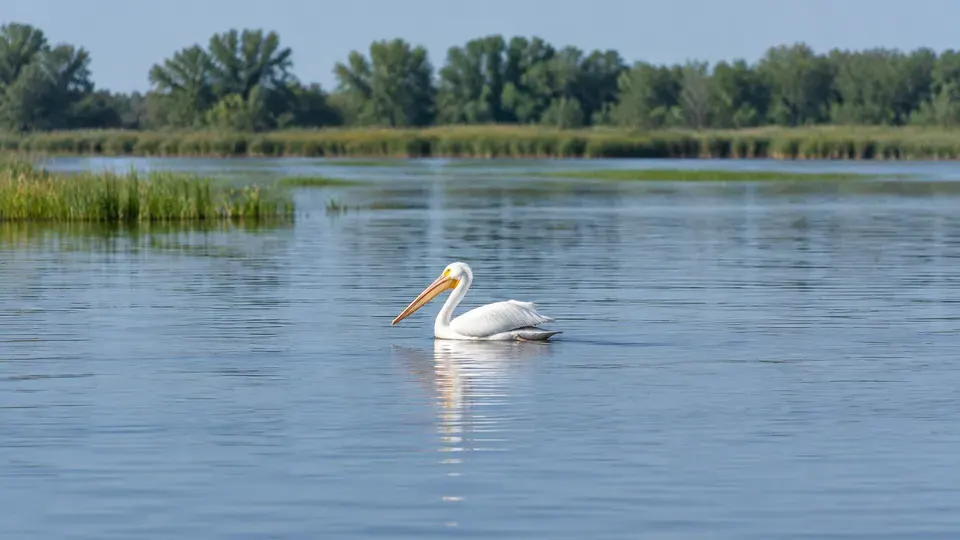
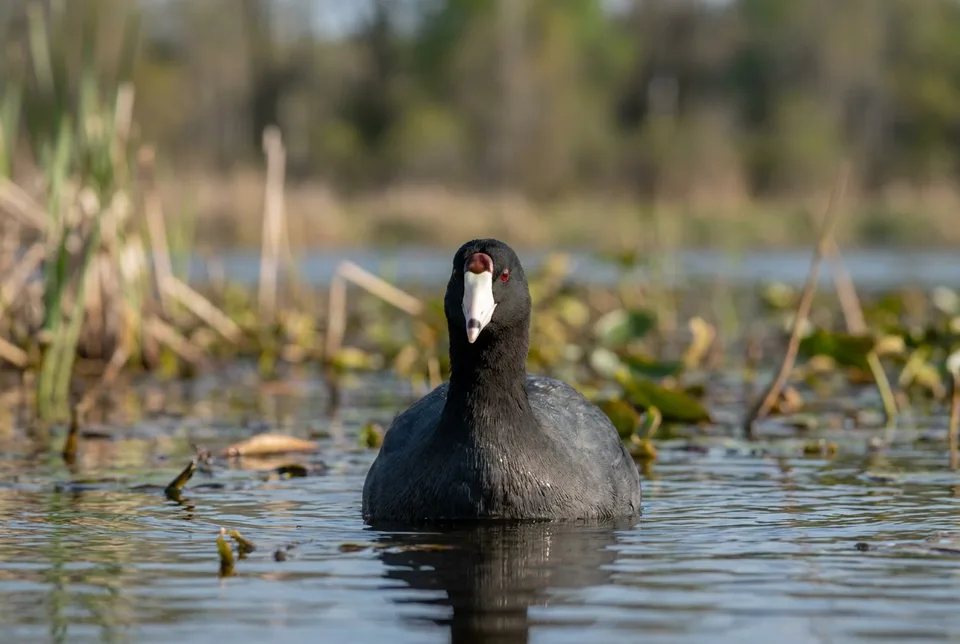
Forster's Tern en zone humide — Columbia, faune des croisières fluvialesForster's TernAmerican Coot en zone humide — Columbia, faune des croisières fluvialesAmerican CootAmerican white pelican en zone humide — Columbia, Mississippi, faune des croisières fluvialesAmerican White Pelican
Animal groupBirdsAnimal groupBirdsAnimal groupBirds
DestinationsColumbiaDestinationsColumbiaDestinationsColumbia, Mississippi
Scientific name
Sterna forsteri
Scientific name
Scientific name
Previous speciesFerruginous DuckNext speciesGadwall
All river wildlife
On this page
  • 01About
  • 02Behaviour & reproduction
  • 03Top wildlife locations
  • 04Fun facts
  • 05Best season
  • 06Season matrix by destination
  • 07Habitat
  • 08Diet
  • 09Species at a glance
  • 10Questions & answers
  • 11Compare

Find your river cruise

Planifie ton voyage

Find your next river journey

Compare destinations, shore programs and dates with the animals and habitats you would love to see.

  • Daily shore excursions
  • Responsible wildlife watching
  • Boutique river ships
Explore river cruises