Über Sawabi Islands
Die Sawabi Islands, auch bekannt als die Sieben Brüder Inseln, sind ein abgelegenes vulkanisches Archipel in der Meerenge Bab el Mandab und markieren den südlichen Eingang zum Roten Meer. Dieses Gebiet gilt als erstklassiger Tauchplatz in Dschibuti und bietet ein wildes und abenteuerliches Erlebnis. Die Inseln zeichnen sich durch bemerkenswerte Tieftauchplätze sowie blühende Korallengärten und Wände aus, die in große Tiefen abfallen. Die Topographie ist durch vulkanische Formationen und ausgedehnte Riffsysteme geprägt. Gezeitenwechsel treten zweimal täglich auf und erzeugen starke Strömungen, die manchmal die Sicht beeinträchtigen können. Diese starken Strömungen bringen jedoch auch eine reiche Versorgung mit nährstoffreichem Wasser zu den Riffen und felsigen Plateaus, was eine Fülle von Meereslebewesen fördert. Während einige Tauchplätze aufgrund von Strömungen und Tiefe anspruchsvoll sind und sich für erfahrene Taucher eignen, gibt es auch zahlreiche Optionen für Open Water zertifizierte Taucher. Tauchsafaris besuchen diese Region häufig und bieten Zugang zu ihren vielfältigen Unterwasserlandschaften. Die Tauchplätze rund um die Sawabi Islands sind bekannt für ihre außergewöhnliche Artenvielfalt und präsentieren unberührte Weich- und Hartkorallen. Die Strömungen ziehen große Schwärme von Fischen und pelagischen Arten an, was jeden Tauchgang zu einer Begegnung mit lebhafter Meeresaktivität macht. Trotz der potenziell eingeschränkten Sicht durch Plankton, das von Strömungen aufgewirbelt wird, sind die allgemeine Gesundheit und der Reichtum des Ökosystems hier hervorragend und ziehen Taucher an, die einen weniger berührten Teil des Roten Meeres erkunden möchten.
Highlights
Abgelegenes vulkanisches ArchipelBemerkenswerte TieftauchplätzeLebendige Korallengärten und WändeStarke Strömungen mit reichen NährstoffenHohe Biodiversität des Meeres
Saisonkalender
Beste Monate zum Tauchen
Jan
Feb
Mär
Apr
Mai
Jun
Jul
Aug
Sep
Okt
Nov
Dez
Ausgezeichnet
Gut
Tauchplatz-Fakten: Sawabi Islands
- Tiefe
- 5–40+ m
- Typischer Tauchgang
- Varies by site, usually 50–60 min
- Strömung
- Mäßig bis Stark
- Sicht
- 10–35+ m
- Wassertemperatur
- 24–33°C
- Einstieg
- Tauchsafari / Beiboot
- Level
- Fortgeschritten bis Erfahren
- Tauchart
- Riff, Steilwand, Strömungstauchgang, Wrack, Großfisch encounters
- Nachttauchgang
- Possible
- Region / Hafen
- Obock / Southern Red Sea
- Koordinaten
- 12.4433° N, 43.3442° E
Bedingungen & Strömungen
Starke Strömungen sind häufig; Drifttauch-Erfahrung und ein SMB oder Riffhaken werden empfohlen. Die Tauchprofile liegen hier etwa zwischen 5 und 40 Metern – plane Gasvorrat und Nullzeit nach dem tieferen Teil des Platzes. Er wird üblicherweise als Tauchgang für erfahrene Taucher gebrieft. Der Platz wird per Tauchsafari angefahren – die Einstiege laufen vom Beiboot oder direkt vom Achterdeck. Weil die Strömung schnell auffrischen kann, sind Drift-Profile, Signalboje und eine eng zusammenbleibende Gruppe hier Standard – das Briefing der Crew gilt immer vor jeder allgemeinen Beschreibung.
Meeresleben & Sichtungswahrscheinlichkeit
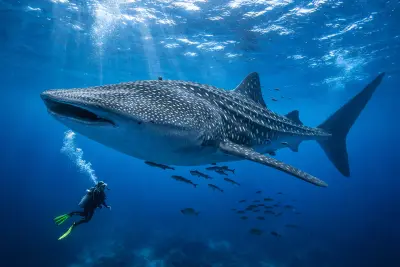
Whale Shark
Oct-Feb · häufig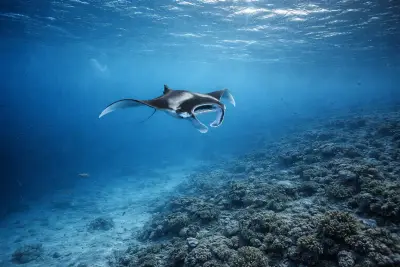
Manta Ray
Oct-Feb · häufig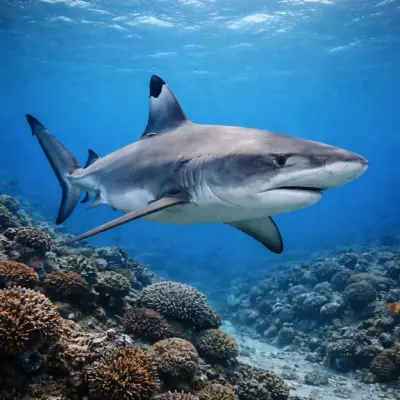
Grey Reef Shark
gelegentlich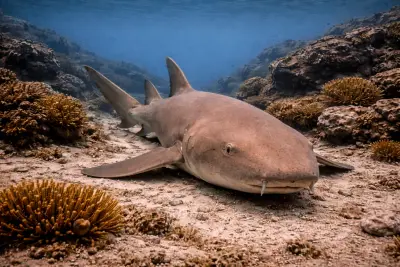
Nurse Shark
gelegentlich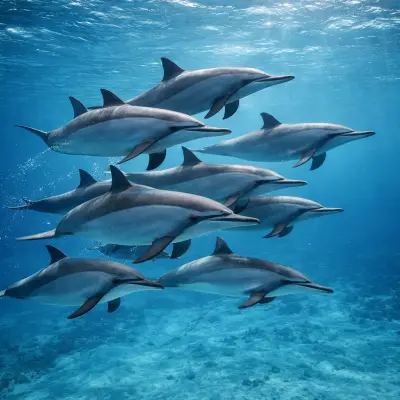
Dolphin
häufig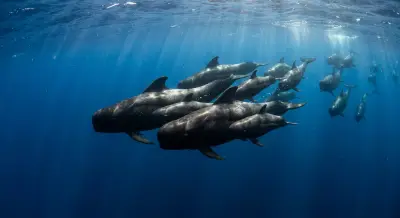
Pilot Whale
gelegentlich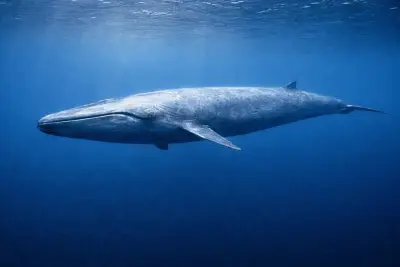
Beaked Whale
gelegentlich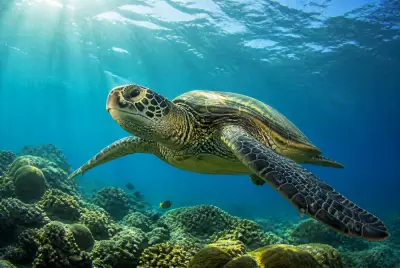
Sea Turtle
häufig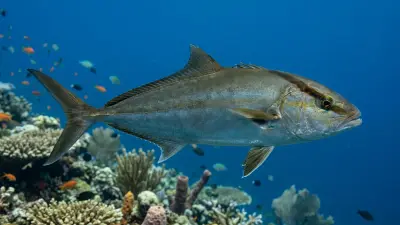
Jack (schooling)
häufig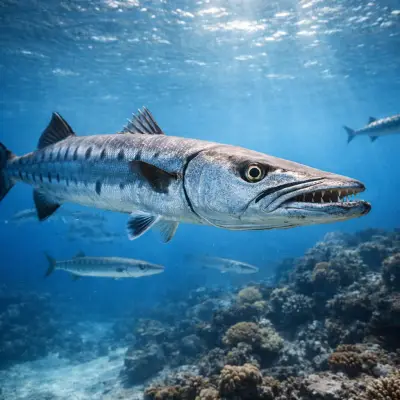
Barracuda (schooling)
häufig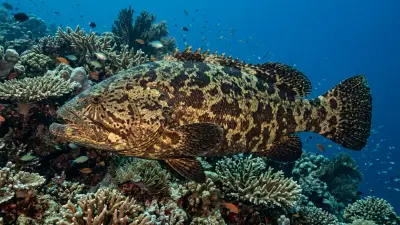
Grouper
häufig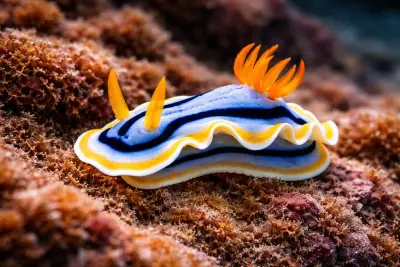
Nudibranch
gelegentlich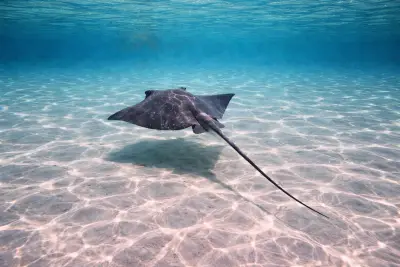
Stingray (schooling)
gelegentlich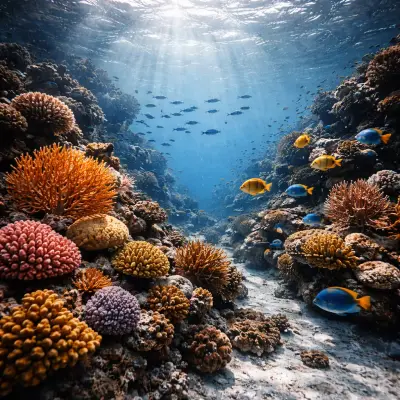
Tauchprofil & Ablauf
Dives at Sawabi Islands typically begin with a tender boat entry directly onto the dive site due to the remote location. Depending on the current and site, it could be a negative entry or a standard descent. Routes often involve drift diving along walls and coral-encrusted slopes, allowing divers to be carried along by the currents past rich reef ecosystems. Depths range from shallow reef crests at 5-15 meters to deeper walls and pinnacles reaching beyond 40 meters. Turn points are usually determined by gas limits and current direction, often concluding with a free ascent. Safety stops are conducted in the blue at the end of the dive, monitored by the dive guide, before surfacing for tender boat pick-up.
Unterwasserfotografie
Capturing the vibrant marine life and dramatic topography of the Sawabi Islands demands adaptable camera gear. For wide-angle shots of schooling pelagics, whale sharks, or expansive reefscapes, a fisheye or rectilinear wide-angle lens is ideal. Consider dual strobes for illuminating large scenes and restoring natural colors at depth. Macro photographers will find subjects like nudibranchs, especially at sites like Japanese Gardens, benefiting from a dedicated macro lens and perhaps a snoot for creative lighting. Buoyancy control is paramount, especially in currents, to avoid disturbing delicate corals or stirring up sediment. Be mindful of marine life, maintaining a respectful distance from large animals like whale sharks and never using flash photography on them, particularly during snorkeling encounters.
Kombinierbar mit diesen Tauchplätzen
- Ghoubbet al Kharab
Known for juvenile whale sharks and manta rays, often combined in liveaboard itineraries.
- Gulf of Tadjoura – Whale Shark Area
A primary area for whale shark and manta ray encounters, visited by liveaboards.
- Japanese Gardens
Located within the Seven Brothers Islands, noted for macro life like nudibranchs.
- La Dame Blanche
A well-preserved shipwreck within the Seven Brothers, lying in 25 meters.
- MV Priamos
A world-class wreck, locally known as 'Le Faon', offering varied diving experiences.
Anreise & Logistik
Access to the Sawabi Islands typically begins with arrival at Djibouti Ambouli International Airport (JIB), which offers flights from Paris, Istanbul, Dubai, and other regional hubs. Liveaboard safaris are the primary and most effective way to dive these remote islands, departing from Djibouti Marina. Trip lengths usually range from 7 to 10 days, encompassing the Sawabi Islands, Ghoubbet al Kharab, and the Gulf of Tadjoura. An e-Visa is required for entry into Djibouti, which divers should apply for in advance and pick up a hard copy upon arrival. There are no specific park fees mentioned, but these would be included in the liveaboard package.
Sicherheit & Umwelt
Diving in Djibouti, particularly around the Sawabi Islands, requires careful safety considerations due to remote locations and potential for strong currents. It is highly recommended that divers have comprehensive dive insurance covering emergency medical treatment and evacuation, as recompression chambers are not readily available in Djibouti itself. The nearest medical facilities capable of handling dive-related emergencies would require evacuation to a neighboring country or further. Divers should consult with a medical professional regarding vaccinations (e.g., yellow fever, typhoid) and anti-malarial medication, ensuring any chosen prophylaxis does not contraindicate diving. Adhere strictly to dive brief instructions, especially regarding entry/exit procedures and current management. Avoid touching marine life, and maintain awareness of your surroundings and dive buddy at all times.
Für wen geeignet – und für wen nicht
Geeignet für
- Experienced divers comfortable with currents
- Underwater photographers seeking pelagic and macro subjects
- Liveaboard enthusiasts looking for remote, uncrowded sites
- Divers interested in unique volcanic underwater topography
- Those passionate about large marine animal encounters (whale sharks, mantas)
Weniger geeignet für
- Absolute beginner divers with no current experience
- Divers prone to seasickness on liveaboards
- Those expecting easily accessible shore diving
- Divers uninterested in pelagic encounters or drift diving
- Budget travelers seeking inexpensive dive packages
FAQ
Sawabi Islands FAQ
What makes the Sawabi Islands unique for diving?
The Sawabi Islands are unique due to their location at the confluence of the Red Sea and the Gulf of Aden, creating an exceptional marine ecosystem. This volcanic archipelago experiences strong, nutrient-rich currents that support an incredible diversity of marine life, from pristine corals to large pelagic species like whale sharks and manta rays. Their remote, uninhabited nature ensures uncrowded and well-preserved dive sites.
What kind of marine life can I expect to see at Sawabi Islands?
You can anticipate encountering a rich variety of marine life, including over 200 species of hard corals and numerous reef fish. The strong currents attract pelagic species such as whale sharks, manta rays, dolphins, pilot whales, and various reef sharks like grey reef and nurse sharks. Schooling jacks, barracuda, and sea turtles are also commonly sighted in this vibrant ecosystem.
Are the Sawabi Islands suitable for all diver levels?
While some areas may accommodate open water divers, many sites around the Sawabi Islands are better suited for intermediate to advanced divers. This is primarily due to the presence of potentially strong currents and deeper dive profiles. Divers with experience in drift diving and comfort in varied conditions will get the most out of the Sawabi Islands' challenging yet rewarding dive environment.
When is the best time to visit Sawabi Islands for whale sharks?
The peak season for whale shark encounters around the Sawabi Islands and wider Djibouti region is from October to February. During these months, plankton blooms are common, attracting juvenile whale sharks to the nutrient-rich waters. Visibility is also generally good, and water temperatures are comfortable, providing optimal conditions for both diving and snorkeling with these gentle giants.
How do I get to the Sawabi Islands for diving?
The Sawabi Islands are remote and best accessed via liveaboard safari from Djibouti City. Flights arrive at Djibouti Ambouli International Airport, and then divers typically transfer to a liveaboard vessel. These multi-day trips allow access to the islands and other distant dive sites that are not reachable by day boats, providing a comprehensive diving experience in the region.
What is the visibility and water temperature like?
Visibility at the Sawabi Islands typically ranges from 10 to over 35 meters, though it can be affected by strong currents carrying nutrients. Water temperatures are warm year-round, ranging from 24-28°C during the cooler season (Oct-Feb) and 29-33°C during the warmer months (Jun-Sep). These conditions make for generally comfortable diving, although a wetsuit is recommended for longer dives.
Warum Sawabi Islands per Tauchsafari betauchen?
Sawabi Islands gehört zu den Top-Tauchplätzen von Dschibuti. Eine Tauchsafari bringt dich auf dem Wasser unter und ermöglicht drei bis vier geführte Tauchgänge pro Tag, inklusive Morgen- und Nachttauchgängen, die Tagesausflugs-Anbieter selten anbieten. Du sparst dir die tägliche Rückfahrt zum Hafen und erreichst auf einer Reise ruhigere, weniger besuchte Plätze in derselben Region.
Unten findest du die Tauchsafari-Schiffe, die Sawabi Islands in ihren Dschibuti-Routen einplanen.
Tauchsafaris zu Sawabi Islands
Diese Safariboote fahren Sawabi Islands auf ausgewählten Routen möglicherweise an — die genauen Tauchplätze hängen von Abfahrt, Wetter und Bedingungen ab.
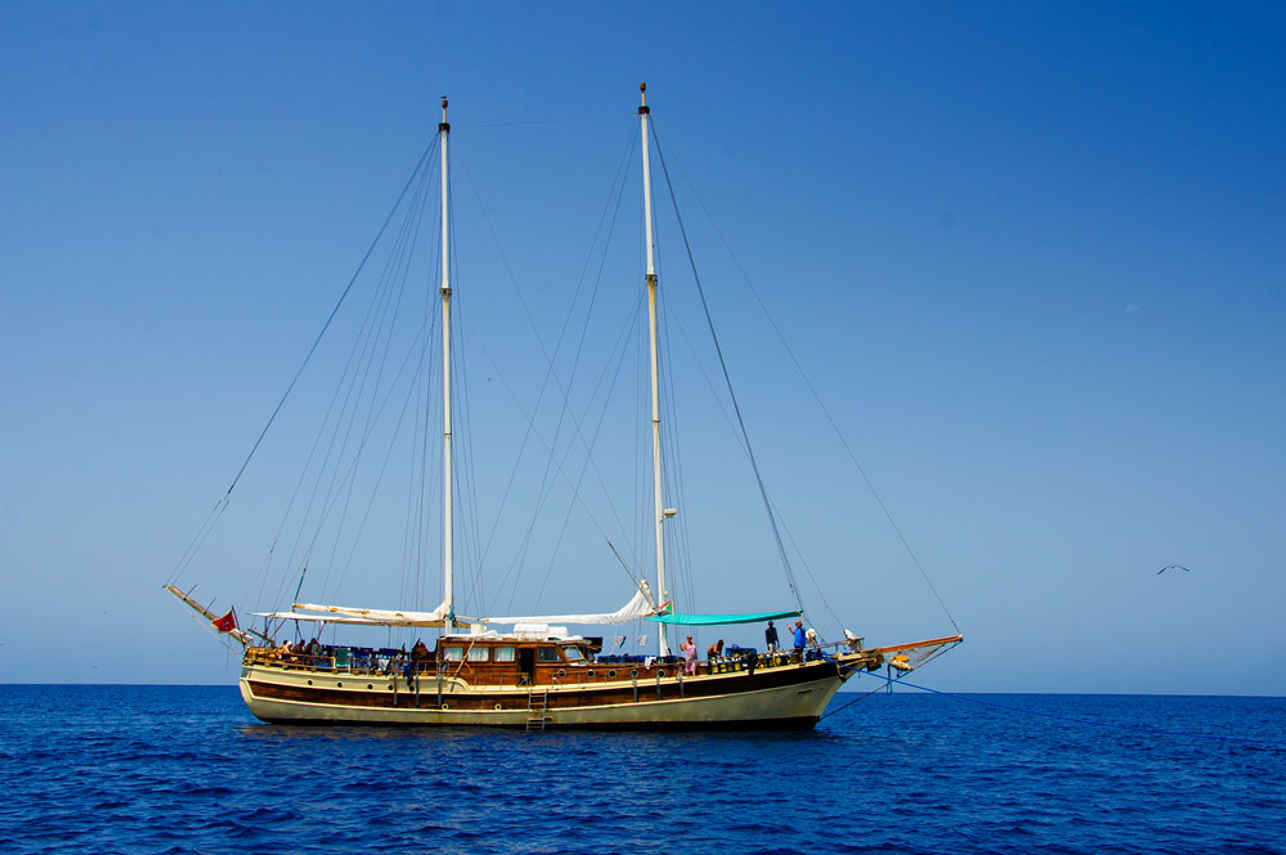
Elegante
Dschibuti
14 Gäste25 m
€184/Tag
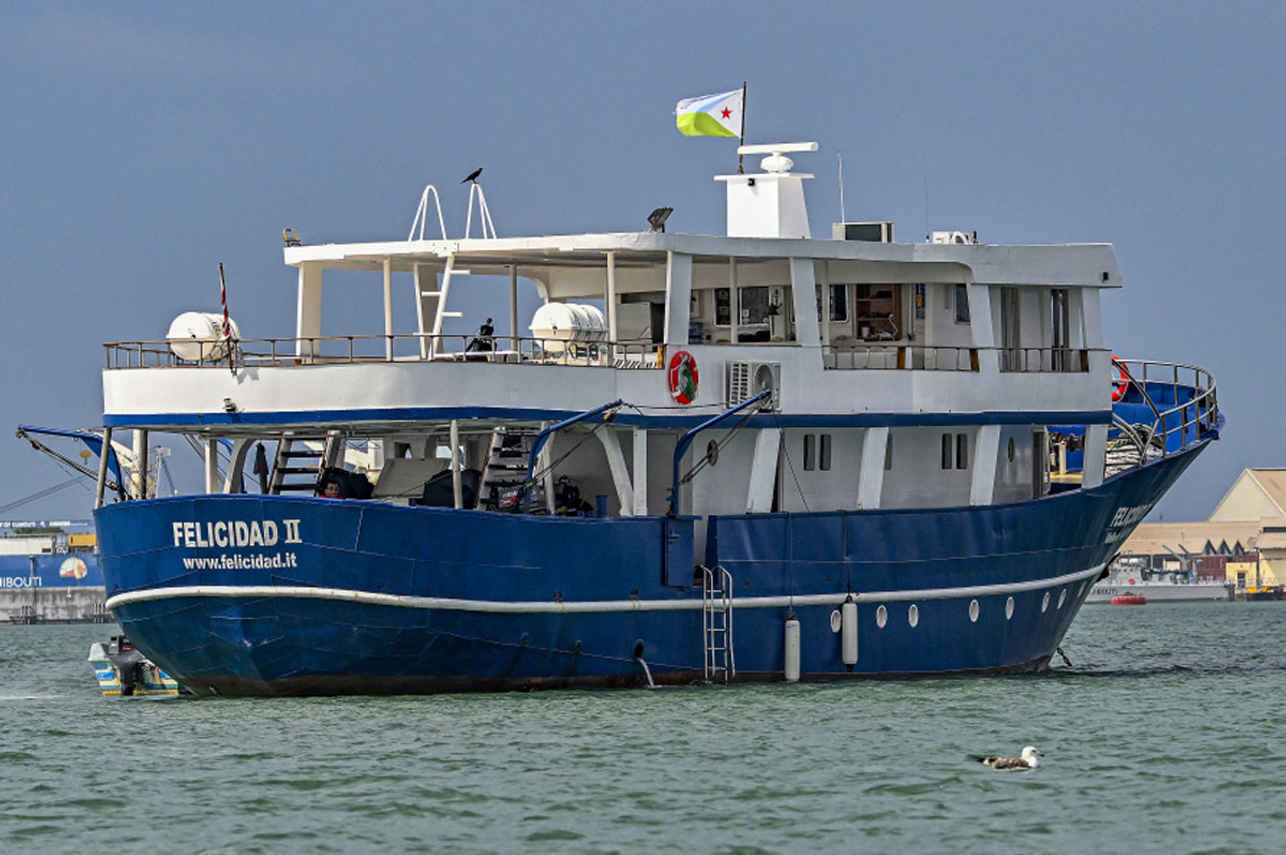
Felicidad II
Dschibuti
18 Gäste30 m
€184/Tag
Tauchplätze ähnlich wie Sawabi Islands
Gleicher Charakter, gleiche Gewässer — sechs weitere Spots, die aus genau denselben Gründen begeistern.Vergleiche Saison, Zugang und Liveaboard-Routen — und wähle den Spot, der am besten zu deiner Reise passt.
© Esri — Maxar, Earthstar, GIS
Arta Beach Reef
Dschibuti
Das Arta Beach Riff in Dschibuti bietet ein einzigartiges Taucherlebnis, wo das Rote Meer auf den Indischen Ozean trifft.
- Geeignet für
- Anfänger
- Strömung
- Stark
- Zugang
- Safari oder Tagesboot
- Tiefe
- 3–15 m
- Thema
- Riff
© Esri — Maxar, Earthstar, GIS
Cape Rouge
Dschibuti
Cape Rouge ist ein bemerkenswerter Tauchplatz in Dschibuti, bekannt für seine unberührte Unterwasserwelt an der Schnittstelle, wo das Rote Meer auf den Indischen Ozean trifft.
- Geeignet für
- Erfahren
- Strömung
- Leicht
- Zugang
- Safari oder Tagesboot
- Tiefe
- 15–40 m
- Thema
- Riff
Die Cathedral in Dschibuti ist vor allem als Weltklasse-Destination für das Hai-Tauchen bekannt, die sich von der Pescador Cathedral auf den Philippinen unterscheidet.
- Geeignet für
- Fortgeschritten
- Strömung
- Stark
- Zugang
- Safari oder Tagesboot
- Tiefe
- 12–30 m
- Thema
- Höhle / Riff
© Esri — Maxar, Earthstar, GIS
Connector Reef
Dschibuti
Dschibuti rühmt sich des Connector Reefs, eines Ortes, der für sein pulsierendes Meeresleben bekannt ist und im Golf von Tadjoura liegt.
- Geeignet für
- Fortgeschritten
- Strömung
- Stark
- Zugang
- Safari oder Tagesboot
- Tiefe
- 8–25 m
- Thema
- Strömungstauchgang / Riff
© Esri — Maxar, Earthstar, GIS
Djibouti Crack
Dschibuti
Der Djibouti Crack ist ein absolut einzigartiger Tauchplatz im Ghoubbet al Kharab, der oft auch als Teufelskrater bezeichnet wird.
- Geeignet für
- Fortgeschritten
- Strömung
- Mäßig
- Zugang
- Nur per Tauchsafari
- Tiefe
- 8–200 m
- Thema
- Riff
© Esri — Maxar, Earthstar, GIS
Ghoubbet al Kharab
Dschibuti
Ghoubbet al Kharab, auch bekannt als der Teufelskelch, ist eine tiefe Bucht in Dschibuti, die mit dem Golf von Tadjourah und dem offenen Ozean verbunden ist.
- Geeignet für
- Erfahren
- Strömung
- Stark
- Zugang
- Nur per Tauchsafari
- Tiefe
- 5–200 m
- Thema
- Strömungstauchgang / Riff