Bluerides – Blue Rides - Book Liveaboards worldwideOCEAN ADVENTURES
River CruisesRiversNature & WildlifeOur Promise
River CruisesRiversNature & WildlifeOur PromiseSign In

River destinations

  • River destinations
  • Amazon
  • Danube
  • Rhine
  • Mekong
  • Nile

Ships & departures

  • River Cruise Search
  • Deals

Nature & Wildlife

  • Nature & Wildlife

Travel support

  • Our Promise
  • Contact

Contact

Get in Touch

Get in touch anytime, we're happy to help you find the right trip or sort out any question.

EmailWrite us, we usually reply within a few hours.
contact@bluerides.com
WhatsAppChat with us on WhatsApp, Mon–Fri 10:00–16:00 (CET).
Start WhatsApp Chat
PhoneCall us, we're happy to help.
Free call, Mon–Fri 10 AM – 8 PM (CET).
Europe+49 800 1144 990USA+1 888 557 7735UK+44 800 707 4152Australia+61 2 8599 6113Canada+1 888 557 7735
Which river journey is yours?Answer 8 quick questions and find the river cruise that fits you.
8 questions, 1 minute·Plus Gift
Secure Payment MethodsYour payments are fully secured with AES-256 encryption.
Powered byStripeWiseAMEXPayGoogle PaySEPABank
Imprint·Terms & Conditions·Privacy Policy·About·Contact·Liability Waiver·Affiliate Program·Cruise·Blog·
Visit us here

© 2026 Blue Rides. All rights reserved.

Bluerides – Blue Rides - Book Liveaboards worldwideOCEAN ADVENTURES
River CruisesRiversNature & WildlifeOur Promise
River CruisesRiversNature & WildlifeOur PromiseSign In
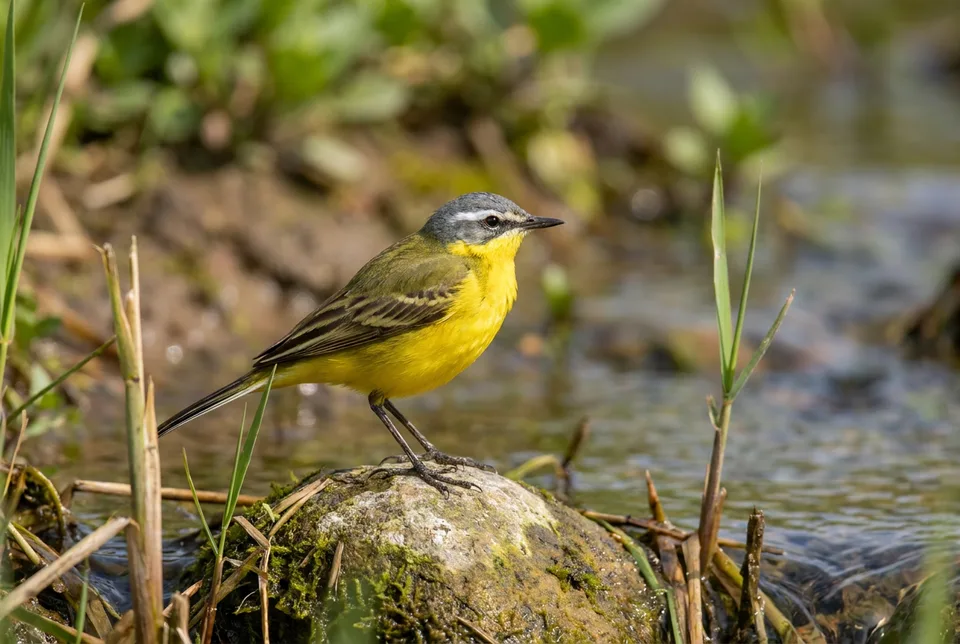
Western Yellow Wagtail in wetland habitat — Douro, River Cruises wildlifeAI-modified
Home›River Cruises›River Wildlife›Western Yellow Wagtail

Western Yellow WagtailMotacilla flavaWhere and when to see them

Previous speciesWestern Marsh HarrierNext speciesWhiskered Tern

Western Yellow Wagtail at a glance

The Western Yellow Wagtail is a small ground-feeding bird with a long tail and yellow underparts. The Douro association is specifically the estuary reserve at Porto and Vila Nova de Gaia, not inland Régua or Pinhão. The reserve operator provides direct local observation guidance, making this one of the batch’s few defensible numerical season entries. Species reference: https://www.bto.org/learn/about-birds/birdfacts/yellow-wagtail
Behaviour & reproduction

Size
Species-specific length not verified.
Weight
17.6 g (0.62 oz); BTO reference value.
Lifespan
Species-specific lifespan not verified.
Status
Global Least Concern, as listed by BTO.

Yellow Wagtails search grassy ground for small prey and may feed near livestock. BTO describes the species as strongly migratory. Head patterns vary between populations, so a visitor should establish the species before attempting a subspecies identification.

Top wildlife locations

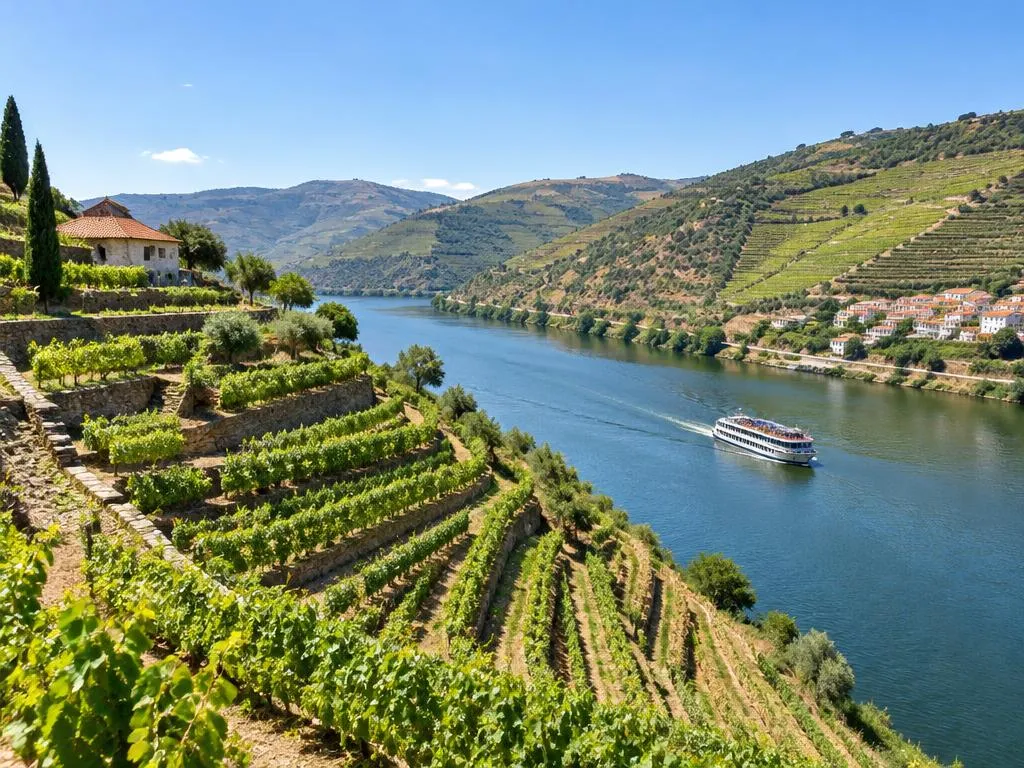
Douro river landscape — River Cruises wildlife habitatAI-modified

Douro

Porto / Vila Nova de Gaia: Douro estuary reserve, Afurada–Cabedelo–São Paio; NOT a claim for inland Régua–Pinhão Accessible Porto shore visit with paths and hides; waders/gulls concentrated at low tide and migration/winter. Osprey and Short-eared Owl irregular/seasonal; no guaranteed sightings.
Explore river cruises

Destinations describe the species' habitat, not guaranteed cruise stops. Some animals require an optional inland excursion or are found in restricted reserves.

Fun facts about the Western Yellow Wagtail

  • It feeds on small invertebrates.
  • It is strongly migratory.
  • Head patterns vary geographically.
  • Grassland feeding is important.
  • It may associate with livestock.
  • The Douro operator supplies explicit observation months.
  • The location is the estuary, not the inland wine valley.

Best time to see the Western Yellow Wagtail

The reserve operator explicitly names March, April, May, July and August as the months with the highest observation probability. Those five months are retained exactly; June and September are not added by extrapolating general migration statements. The list describes probability, not guaranteed presence or exclusive occurrence.

Western Yellow Wagtail: season matrix by destination

Highlighted months reflect the stated local evidence, not guaranteed encounters. Neutral months mean no verified monthly viewing window, not absence. Observation records and recommended viewing windows are distinct.

Douro

The municipal reserve operator explicitly lists March, April, May, July and August as the highest-probability observation months at the Douro estuary reserve. No intervening or additional months are inferred.

JanFebMarAprMayJunJulAugSepOctNovDec
Explore river cruises

Where the Western Yellow Wagtail lives

Grassy habitats and open feeding areas near wetlands are relevant, rather than deep water. In this profile the location is the estuarine shore around Afurada, Cabedelo and São Paio. Continental breeding habitat descriptions do not demonstrate nesting at a particular reserve viewpoint.

What the Western Yellow Wagtail eats

The municipal reserve account specifies small invertebrates. Feeding involves searching the ground and low vegetation. Local prey identities and dietary percentages were not verified. There is no need to disturb grass or introduce food to obtain a view.

Species at a glance

Common name
Western Yellow Wagtail
Scientific name
Motacilla flava
Animal group
Birds
Size
Species-specific length not verified.
Weight
17.6 g (0.62 oz); BTO reference value.
Lifespan
Species-specific lifespan not verified.
Status
Global Least Concern, as listed by BTO.
Identification
Yellow underparts, slender ground-feeding proportions and a long tail support identification. Male head colour differs between geographical forms, while females and young birds are less striking. Compare with other wagtails rather than relying on a flash of yellow alone.

Western Yellow Wagtail: frequently asked questions

Where can I see the Western Yellow Wagtail?
Douro. Use reserve paths and hides to watch open grassy margins. Check a bird’s underside, back and head while it feeds naturally. Keep out of sensitive ground and avoid following a small bird until it is repeatedly displaced.
When is the best time to see the Western Yellow Wagtail?
The reserve operator explicitly names March, April, May, July and August as the months with the highest observation probability. Those five months are retained exactly; June and September are not added by extrapolating general migration statements. The list describes probability, not guaranteed presence or exclusive occurrence.
How big does the Western Yellow Wagtail get?
Species-specific length not verified.. Adult weight: 17.6 g (0.62 oz); BTO reference value.. Size varies with age, sex and population.
How should I behave around the Western Yellow Wagtail?
Use reserve paths and hides to watch open grassy margins. Check a bird’s underside, back and head while it feeds naturally. Keep out of sensitive ground and avoid following a small bird until it is repeatedly displaced.
What does the Western Yellow Wagtail eat?
The municipal reserve account specifies small invertebrates. Feeding involves searching the ground and low vegetation. Local prey identities and dietary percentages were not verified. There is no need to disturb grass or introduce food to obtain a view.
Are wildlife sightings guaranteed on a river cruise?
No. Animals move freely and routes, weather, access restrictions and local conditions influence every outing. Confirm the actual itinerary and shore program before booking.

Compare wildlife in the same destinations

Explore other birds recorded in these destinations. Similar surroundings do not mean the animals share the same habits or viewing season.

Species comparison by animal group and destination
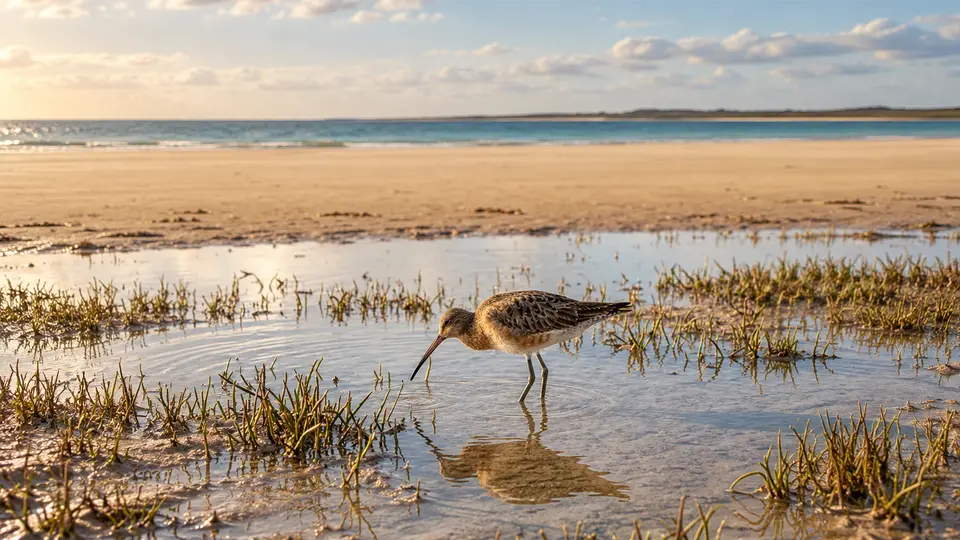
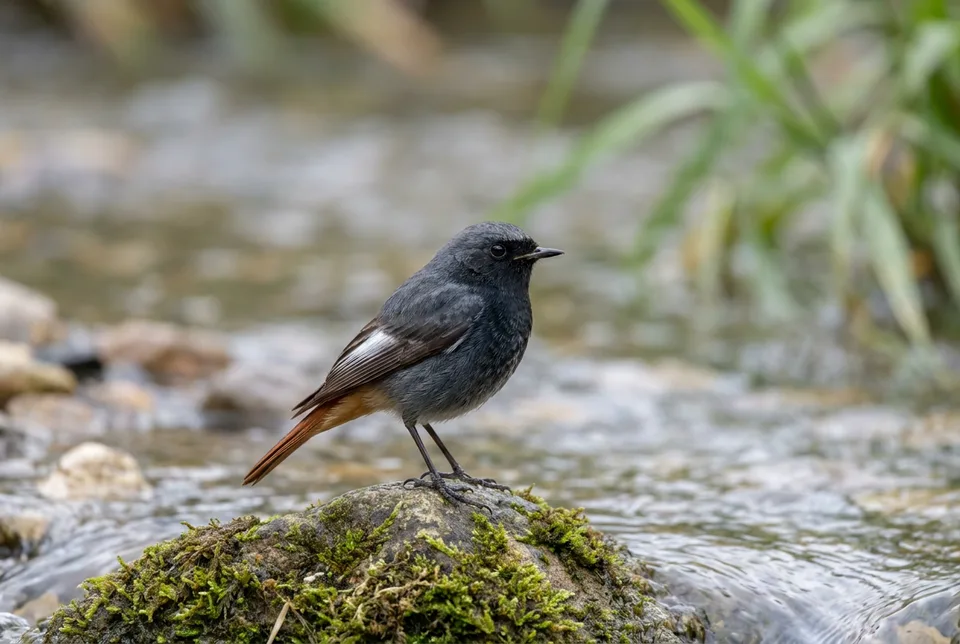
Western Yellow Wagtail in wetland habitat — Douro, River Cruises wildlifeAI-modifiedWestern Yellow WagtailBar-tailed godwit in wetland habitat — Douro, River Cruises wildlifeAI-modifiedBar-tailed godwitBlack Redstart in wetland habitat — Saone, Douro, River Cruises wildlifeAI-modifiedBlack Redstart
Animal groupBirdsAnimal groupBirdsAnimal groupBirds
DestinationsDouroDestinationsDouroDestinationsSaone, Douro
Scientific name
Motacilla flava
Scientific name
Scientific name
Previous speciesWestern Marsh HarrierNext speciesWhiskered Tern
All river wildlife
On this page
  • 01About
  • 02Behaviour & reproduction
  • 03Top wildlife locations
  • 04Fun facts
  • 05Best season
  • 06Season matrix by destination
  • 07Habitat
  • 08Diet
  • 09Species at a glance
  • 10Questions & answers
  • 11Compare

Find your river cruise

AI-modified
Plan your trip

Find your next river journey

Compare destinations, shore programs and dates with the animals and habitats you would love to see.

  • Daily shore excursions
  • Responsible wildlife watching
  • Boutique river ships
Explore river cruises