Bluerides – Blue Rides - Book Liveaboards worldwideOCEAN ADVENTURES
River CruisesRiversNature & WildlifeOur Promise
River CruisesRiversNature & WildlifeOur PromiseSign In

River destinations

  • River destinations
  • Amazon
  • Danube
  • Rhine
  • Mekong
  • Nile

Ships & departures

  • River Cruise Search
  • Deals

Nature & Wildlife

  • Nature & Wildlife

Travel support

  • Our Promise
  • Contact

Contact

Get in Touch

Get in touch anytime, we're happy to help you find the right trip or sort out any question.

EmailWrite us, we usually reply within a few hours.
contact@bluerides.com
WhatsAppChat with us on WhatsApp, Mon–Fri 10:00–16:00 (CET).
Start WhatsApp Chat
PhoneCall us, we're happy to help.
Free call, Mon–Fri 10 AM – 8 PM (CET).
Europe+49 800 1144 990USA+1 888 557 7735UK+44 800 707 4152Australia+61 2 8599 6113Canada+1 888 557 7735
Which river journey is yours?Answer 8 quick questions and find the river cruise that fits you.
8 questions, 1 minute·Plus Gift
Secure Payment MethodsYour payments are fully secured with AES-256 encryption.
Powered byStripeWiseAMEXPayGoogle PaySEPABank
Imprint·Terms & Conditions·Privacy Policy·About·Contact·Liability Waiver·Affiliate Program·Cruise·
Visit us here

© 2026 Blue Rides. All rights reserved.·

Bluerides – Blue Rides - Book Liveaboards worldwideOCEAN ADVENTURES
River CruisesRiversNature & WildlifeOur Promise
River CruisesRiversNature & WildlifeOur PromiseSign In
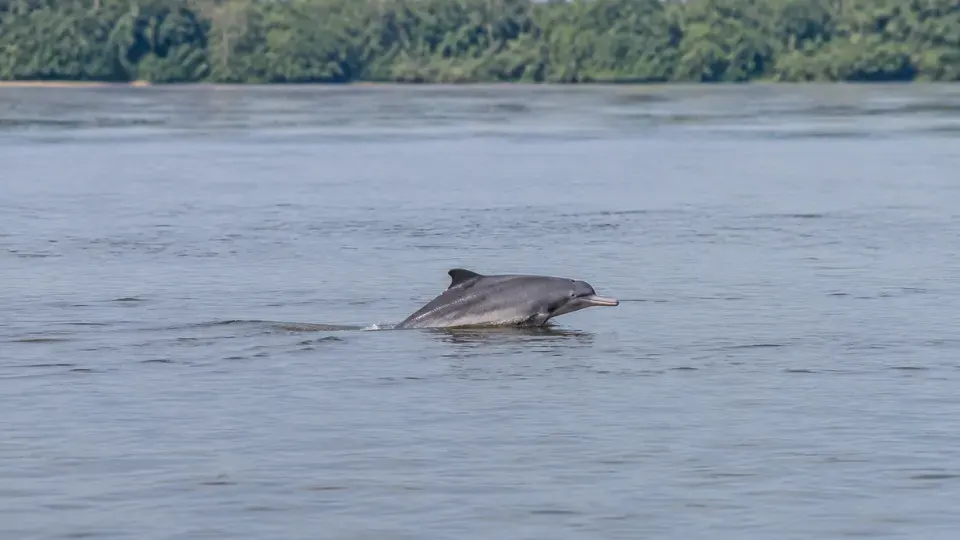
Tucuxi in wetland habitat — Amazon, River Cruises wildlife
Home›River Cruises›River Wildlife›Tucuxi

TucuxiSotalia fluviatilisWhere and when to see them

Previous speciesTree SwallowNext speciesTufted Duck

Tucuxi at a glance

The Tucuxi is a freshwater dolphin of the Amazon system and a distinct conservation subject from coastal Sotalia dolphins. The registered river experience is in Peru around Iquitos and Nauta, the Ucayali and connected tributaries. IUCN’s 2020 assessment classifies it as Endangered, making responsible observation more important than a close photographic encounter. Species reference: https://www.iucnredlist.org/species/190871/50386457/pdf
Behaviour & reproduction

Size
Species-specific length not verified in the retrieved material.
Weight
Species-specific weight not verified.
Lifespan
Species-specific lifespan not verified.
Status
Endangered A4b, global IUCN assessment published in 2020; population trend decreasing.

A sighting can consist of only a brief surfacing followed by a long period with nothing visible. Watch the area calmly rather than steering repeatedly towards each appearance. Local group-size ranges, dive-duration statistics and repeat encounter rates were not verified. A single surfacing should not be used to promise a prolonged interaction.

Top wildlife locations

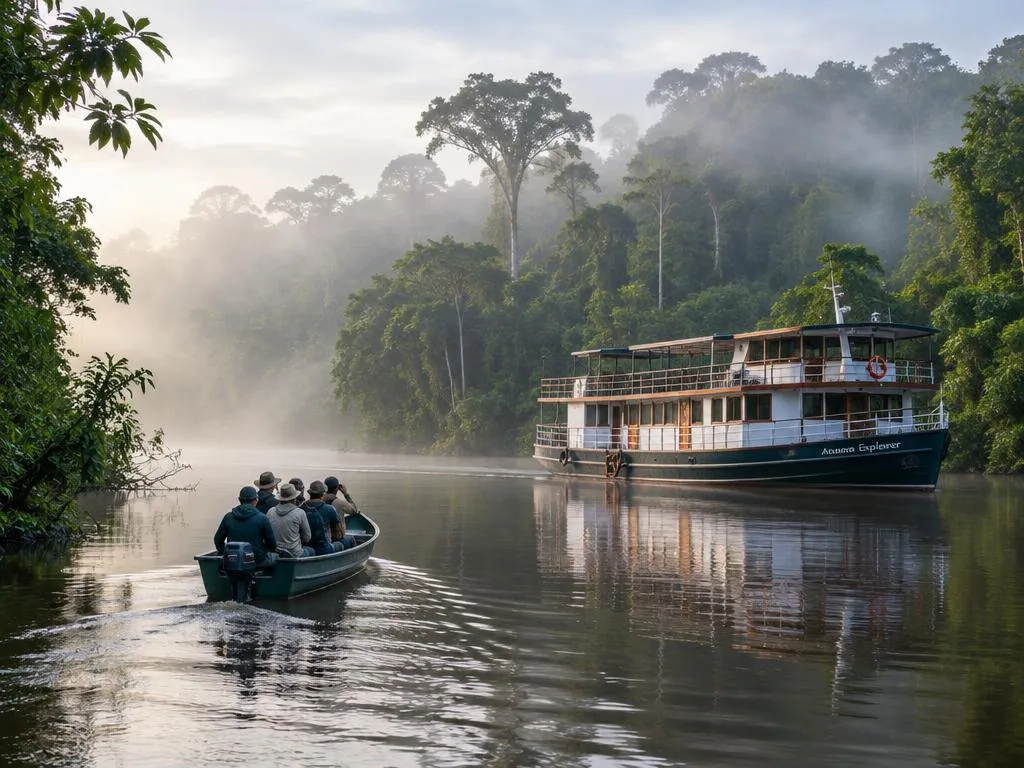
Amazon river landscape — River Cruises wildlife habitat

Amazon

Peru — Iquitos/Nauta, Ucayali and connected tributaries (2017 cruise) Guided skiff/side-channel viewing; not guaranteed from main ship. Scan water surface.
Explore river cruises

Destinations describe the species' habitat, not guaranteed cruise stops. Some animals require an optional inland excursion or are found in restricted reserves.

Fun facts about the Tucuxi

  • It is a freshwater member of the dolphin family.
  • IUCN lists it as Endangered.
  • The 2020 assessment reports a decreasing population.
  • Peru is among its native countries.
  • Coastal Sotalia records should not be substituted.
  • IUCN generation length is not an individual lifespan.

Best time to see the Tucuxi

No recurring local monthly source was verified for the Iquitos–Nauta and Ucayali reach. The historical 2017 cruise registration establishes an occurrence context, not a seasonal guarantee. All Amazon months are empty. Changes in water level, navigability or observer visibility are not sufficient grounds to invent numerical dolphin-viewing months.

Tucuxi: season matrix by destination

Highlighted months reflect the stated local evidence, not guaranteed encounters. Neutral months mean no verified monthly viewing window, not absence. Observation records and recommended viewing windows are distinct.

Amazon

No recurring species-specific monthly source verified for this exact Amazon reach. Historical itinerary evidence and general water-level cycles do not establish observation months.

JanFebMarAprMayJunJulAugSepOctNovDec
Explore river cruises

Where the Tucuxi lives

IUCN places the species in freshwater inland wetlands and lists Peru among its native countries. That supports the broad river-system context but does not prove presence in every tributary or landing. The registered viewing method is a guided skiff search of connected channels, with attention to navigation conditions and undisturbed passage for the animals.

What the Tucuxi eats

The Tucuxi is a fish-eating dolphin, but a source-checked prey list for this Peruvian reach was not verified. Do not substitute fish records from coastal Guiana dolphins or from another Amazon dolphin species. Feeding wild dolphins to improve sightings changes the encounter and should not be part of a wildlife cruise excursion.

Species at a glance

Common name
Tucuxi
Scientific name
Sotalia fluviatilis
Animal group
Mammals
Size
Species-specific length not verified in the retrieved material.
Weight
Species-specific weight not verified.
Lifespan
Species-specific lifespan not verified.
Status
Endangered A4b, global IUCN assessment published in 2020; population trend decreasing.
Identification
Look for a small grey dolphin with a defined dorsal fin and a compact, marine-dolphin-like profile. Distinguishing it from an Amazon river dolphin requires more than apparent colour in glare. Try to see the dorsal outline and head across several natural surfacings; let an experienced local guide confirm uncertain views.

Tucuxi: frequently asked questions

Where can I see the Tucuxi?
Amazon. Use an experienced guide and maintain a slow, predictable course. Do not chase, encircle, cut across the dolphins’ travel direction or place a boat between associated animals. Never offer food or enter the water to seek contact. If dolphins disappear, allow them to leave rather than accelerating between likely resurfacing points.
When is the best time to see the Tucuxi?
No recurring local monthly source was verified for the Iquitos–Nauta and Ucayali reach. The historical 2017 cruise registration establishes an occurrence context, not a seasonal guarantee. All Amazon months are empty. Changes in water level, navigability or observer visibility are not sufficient grounds to invent numerical dolphin-viewing months.
How big does the Tucuxi get?
Species-specific length not verified in the retrieved material.. Adult weight: Species-specific weight not verified.. Size varies with age, sex and population.
How should I behave around the Tucuxi?
Use an experienced guide and maintain a slow, predictable course. Do not chase, encircle, cut across the dolphins’ travel direction or place a boat between associated animals. Never offer food or enter the water to seek contact. If dolphins disappear, allow them to leave rather than accelerating between likely resurfacing points.
What does the Tucuxi eat?
The Tucuxi is a fish-eating dolphin, but a source-checked prey list for this Peruvian reach was not verified. Do not substitute fish records from coastal Guiana dolphins or from another Amazon dolphin species. Feeding wild dolphins to improve sightings changes the encounter and should not be part of a wildlife cruise excursion.
Are wildlife sightings guaranteed on a river cruise?
No. Animals move freely and routes, weather, access restrictions and local conditions influence every outing. Confirm the actual itinerary and shore program before booking.

Compare wildlife in the same destinations

Explore other mammals recorded in these destinations. Similar surroundings do not mean the animals share the same habits or viewing season.

Species comparison by animal group and destination
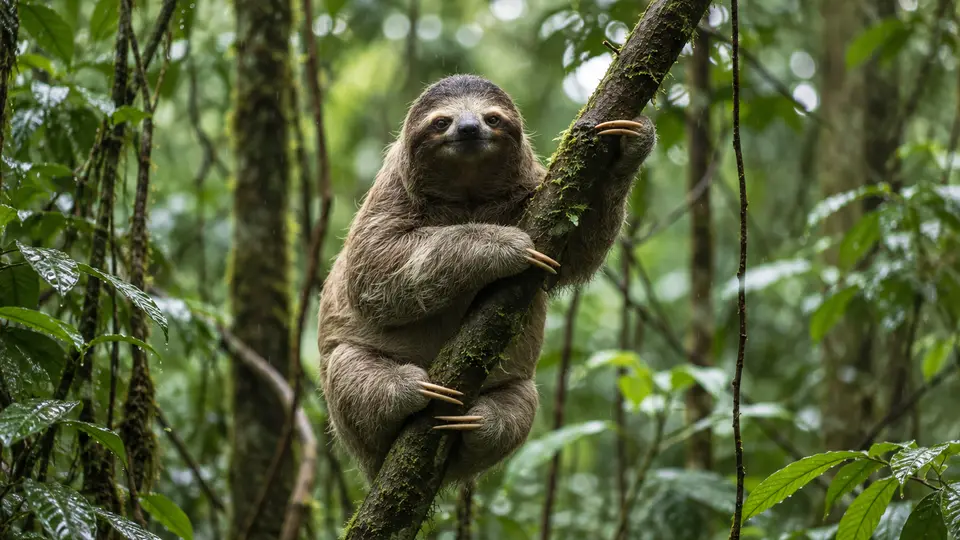
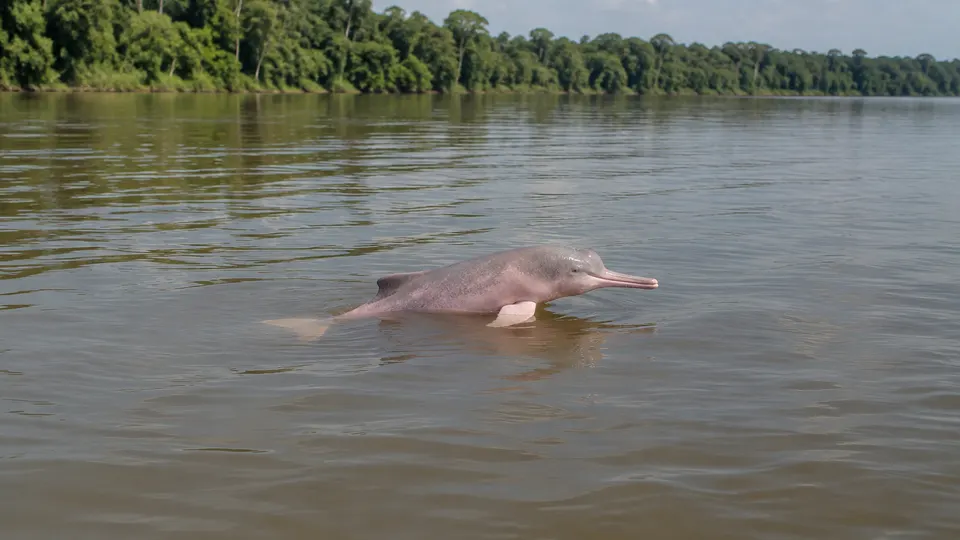
Tucuxi in wetland habitat — Amazon, River Cruises wildlifeTucuxiAmazon river dolphin in wetland habitat — Amazon, River Cruises wildlifeAmazon River DolphinBrown-throated sloth in wetland habitat — Amazon, River Cruises wildlifeBrown-throated Sloth
Animal groupMammalsAnimal groupMammalsAnimal groupMammals
DestinationsAmazonDestinationsAmazonDestinationsAmazon
Scientific name
Sotalia fluviatilis

Sotalia fluviatilis

Scientific name
Scientific name
Size
Species-specific length not verified in the retrieved material.
Size
Size
Weight
Species-specific weight not verified.
Weight
Weight
Lifespan
Species-specific lifespan not verified.
Lifespan
Lifespan
Status
Endangered A4b, global IUCN assessment published in 2020; population trend decreasing.
Status
Status
Identification
Look for a small grey dolphin with a defined dorsal fin and a compact, marine-dolphin-like profile.

Look for a small grey dolphin with a defined dorsal fin and a compact, marine-dolphin-like profile. Distinguishing it from an Amazon river dolphin requires more than apparent colour in glare. Try to see the dorsal outline and head across several natural surfacings; let an experienced local guide confirm uncertain views.

Identification
Identification
Habitat
IUCN places the species in freshwater inland wetlands and lists Peru among its native countries.

IUCN places the species in freshwater inland wetlands and lists Peru among its native countries. That supports the broad river-system context but does not prove presence in every tributary or landing. The registered viewing method is a guided skiff search of connected channels, with attention to navigation conditions and undisturbed passage for the animals.

Habitat
Habitat
Diet
The Tucuxi is a fish-eating dolphin, but a source-checked prey list for this Peruvian reach was not verified.

The Tucuxi is a fish-eating dolphin, but a source-checked prey list for this Peruvian reach was not verified. Do not substitute fish records from coastal Guiana dolphins or from another Amazon dolphin species. Feeding wild dolphins to improve sightings changes the encounter and should not be part of a wildlife cruise excursion.

Diet
Diet
Best season
No recurring local monthly source was verified for the Iquitos–Nauta and Ucayali reach.

No recurring local monthly source was verified for the Iquitos–Nauta and Ucayali reach. The historical 2017 cruise registration establishes an occurrence context, not a seasonal guarantee. All Amazon months are empty. Changes in water level, navigability or observer visibility are not sufficient grounds to invent numerical dolphin-viewing months.

Best season
Best season
Season matrix by destination
AmazonNo verified monthly viewing evidence

No recurring species-specific monthly source verified for this exact Amazon reach. Historical itinerary evidence and general water-level cycles do not establish observation months.

Season matrix by destinationSeason matrix by destination
Previous speciesTree SwallowNext speciesTufted Duck
All river wildlife
On this page
  • 01About
  • 02Behaviour & reproduction
  • 03Top wildlife locations
  • 04Fun facts
  • 05Best season
  • 06Season matrix by destination
  • 07Habitat
  • 08Diet
  • 09Species at a glance
  • 10Questions & answers
  • 11Compare

Find your river cruise

Plan your trip

Find your next river journey

Compare destinations, shore programs and dates with the animals and habitats you would love to see.

  • Daily shore excursions
  • Responsible wildlife watching
  • Boutique river ships
Explore river cruises