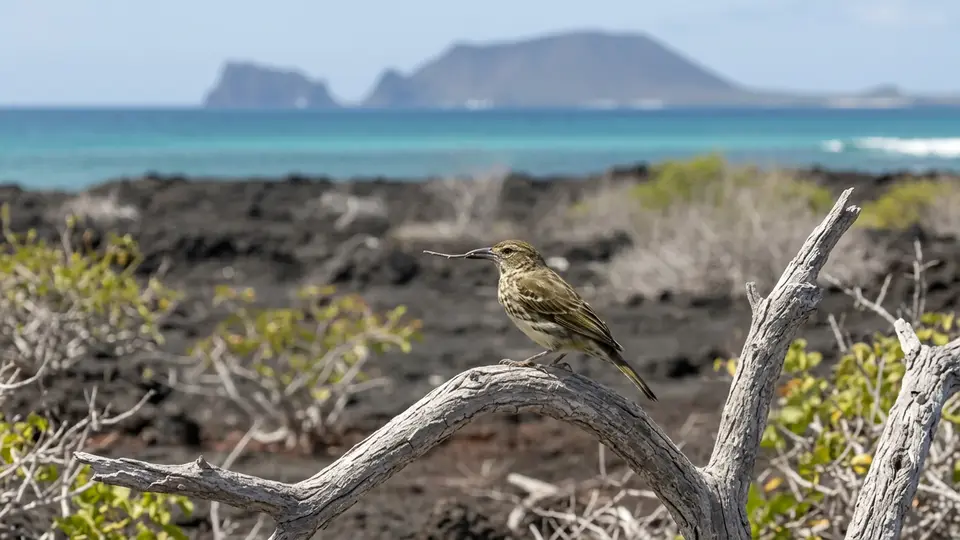
Woodpecker Finch in its natural habitatAI-modified

Woodpecker FinchCamarhynchus pallidusWhere and when to see them

Woodpecker Finch at a glance

The woodpecker finch is a Galapagos songbird best known for using small objects to extract hidden prey. Despite its name, it is not a woodpecker, but one of Darwin's finches, a radiation now classified within the tanager family. Its relatively long, pointed bill helps it probe bark and woody crevices. The species occurs on several islands, with abundance differing markedly among habitats, so it should not be expected at every visitor site.

Behaviour & reproduction

Size
14-15 cm (5.5-5.9 in) body length
Weight
20-31 g (0.7-1.1 oz)
Lifespan
Not reliably established
Status
Check current assessment

Individuals search branches, trunks and dead wood for concealed arthropods, sometimes levering or tearing material with the bill. When prey lies beyond reach, a bird may select a twig or cactus spine and manipulate it as a probing tool. Tool use varies with habitat and food availability rather than appearing in every feeding bout. Birds also forage without tools, and breeding activity responds strongly to rainfall and the resulting food supply. Tool selection demonstrates a remarkable learned behavior, with individuals often choosing tools of appropriate size and rigidity for the task. They will sometimes modify a tool, breaking it to a more suitable length, showcasing problem-solving abilities. Their breeding displays involve characteristic songs and pair bonding, with nests typically constructed in tree cavities or dense foliage.

Top wildlife locations

Galapagos wildlife habitatAI-modified

Galapagos

Wooded visitor trails and authorized highland routes provide more plausible habitat than bare shorelines. An inland excursion may be needed, and distribution differs among islands; access remains limited to approved sites.
Destinations describe the species' habitat, not guaranteed cruise stops. Some animals require an optional inland excursion or are found in restricted reserves.

Fun facts about the Woodpecker Finch

  • It can use cactus spines as well as twigs to reach hidden prey.
  • Individuals may shorten or otherwise modify a tool before using it.
  • It has no close taxonomic relationship to true woodpeckers.
  • Tool use can be especially valuable where seasonal conditions make exposed prey scarce.

Best time to see the Woodpecker Finch

Observation can be possible year-round on islands with accessible populations. The warmer rainy period often stimulates vegetation growth and breeding, while dry conditions can change feeding behavior. Island selection, authorized trail access and a guide's current knowledge are more useful than one universal peak season. During the nesting season from December to May, adult birds are more active and vocal, making them somewhat easier to locate and observe. The presence of fledgling birds during the wet season offers unique viewing opportunities for their early learning behaviors. Guides focus on specific trails known for woodpecker finch activity rather than broad seasonal recommendations.

Woodpecker Finch: season matrix by destination

Travel and observation windows vary by region. Highlighted months are an orientation for planning, not confirmed sightings or a guarantee of access.

Galapagos

Year-round visits are feasible, but rainfall, island distribution and permitted routes determine opportunities; breeding is rain-responsive rather than fixed across the archipelago.

JanFebMarAprMayJunJulAugSepOctNovDec
Cruise ships in Galapagos

Where the Woodpecker Finch lives

This finch inhabits dry woodland, transitional vegetation and humid upland forest on parts of the Galapagos archipelago. Trees, branches and decaying wood provide feeding surfaces. Some accessible populations are associated with inland or highland routes rather than exposed coastal landing areas. Found on the larger, more vegetated islands such as Isabela, Fernandina, Santa Cruz, Santiago, and San Cristobal, where tree cover is more extensive. They prefer the interior forests rather than the arid coastal zones, often higher up the volcanic slopes. The presence of suitable trees for foraging and nesting is a key habitat requirement.

What the Woodpecker Finch eats

Arthropods, including beetle larvae and other invertebrates concealed in wood or beneath bark, are central to its diet. It also takes exposed insects and some plant material. The importance of tool-assisted feeding changes with local habitat conditions and seasonal prey availability. Its insectivorous diet plays a crucial role in regulating invertebrate populations within the forest ecosystem. The finch's diet adapts seasonally, with a higher reliance on tool use during drier periods when insects are less abundant and harder to extract. Larvae of wood-boring insects are a particularly favored prey item, often requiring significant effort to extract.

Species at a glance

Common name
Woodpecker Finch
Scientific name
Camarhynchus pallidus
Animal group
Birds
Size
14-15 cm (5.5-5.9 in) body length
Weight
20-31 g (0.7-1.1 oz)
Lifespan
Not reliably established
Status
Check current assessment
Identification
Its comparatively long, straight, pointed bill separates it from the shorter-billed small tree finch, although identification should also consider habitat and other tree finches. The woodpecker finch is a medium-sized finch, generally around 15 cm (6 inches) in length, making it larger than some other tree finches. Its plumage is a dull olive-brown above and paler below, often with faint streaking on the chest of males. A key field mark is its strong, slightly decurved culmen which aids in its distinctive foraging style.

Woodpecker Finch: frequently asked questions

Where can I see the Woodpecker Finch?
Galapagos. Watch quietly from authorized paths and let birds forage naturally. Never offer tools, peel bark or provide food to trigger behavior; follow Galapagos distance rules and clean footwear to reduce movement of invasive organisms. Listen for their distinctive calls, which can help pinpoint their location among the dense foliage before spotting them. Position yourself to observe their feeding patterns, often involving meticulous searching of bark and branches. Using binoculars is highly recommended to appreciate their detailed foraging techniques and tool use from a respectful distance.
When is the best time to see the Woodpecker Finch?
Observation can be possible year-round on islands with accessible populations. The warmer rainy period often stimulates vegetation growth and breeding, while dry conditions can change feeding behavior. Island selection, authorized trail access and a guide's current knowledge are more useful than one universal peak season. During the nesting season from December to May, adult birds are more active and vocal, making them somewhat easier to locate and observe. The presence of fledgling birds during the wet season offers unique viewing opportunities for their early learning behaviors. Guides focus on specific trails known for woodpecker finch activity rather than broad seasonal recommendations.
How big does the Woodpecker Finch get?
14-15 cm (5.5-5.9 in) body length. Adult weight: 20-31 g (0.7-1.1 oz). Size varies with age, sex and population.
How should I behave around the Woodpecker Finch?
Watch quietly from authorized paths and let birds forage naturally. Never offer tools, peel bark or provide food to trigger behavior; follow Galapagos distance rules and clean footwear to reduce movement of invasive organisms. Listen for their distinctive calls, which can help pinpoint their location among the dense foliage before spotting them. Position yourself to observe their feeding patterns, often involving meticulous searching of bark and branches. Using binoculars is highly recommended to appreciate their detailed foraging techniques and tool use from a respectful distance.
What does the Woodpecker Finch eat?
Arthropods, including beetle larvae and other invertebrates concealed in wood or beneath bark, are central to its diet. It also takes exposed insects and some plant material. The importance of tool-assisted feeding changes with local habitat conditions and seasonal prey availability. Its insectivorous diet plays a crucial role in regulating invertebrate populations within the forest ecosystem. The finch's diet adapts seasonally, with a higher reliance on tool use during drier periods when insects are less abundant and harder to extract. Larvae of wood-boring insects are a particularly favored prey item, often requiring significant effort to extract.
Are wildlife sightings guaranteed on an adventure cruise?
No. Animals move freely and routes, weather, access restrictions and local conditions influence every outing. Confirm the actual itinerary and shore program before booking.

Compare wildlife in the same destinations

Explore other birds recorded in these destinations. Similar surroundings do not mean the animals share the same habits or viewing season.

Species comparison by animal group and destination
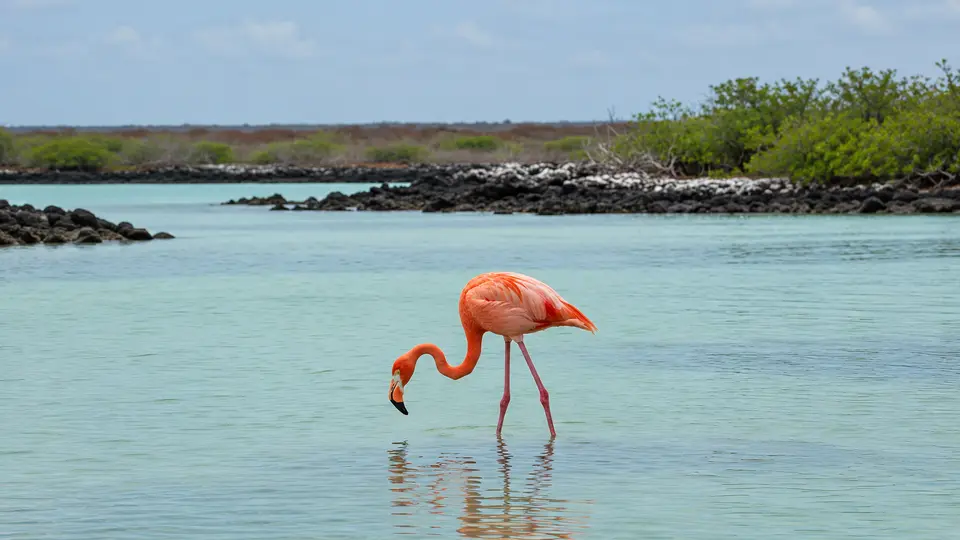
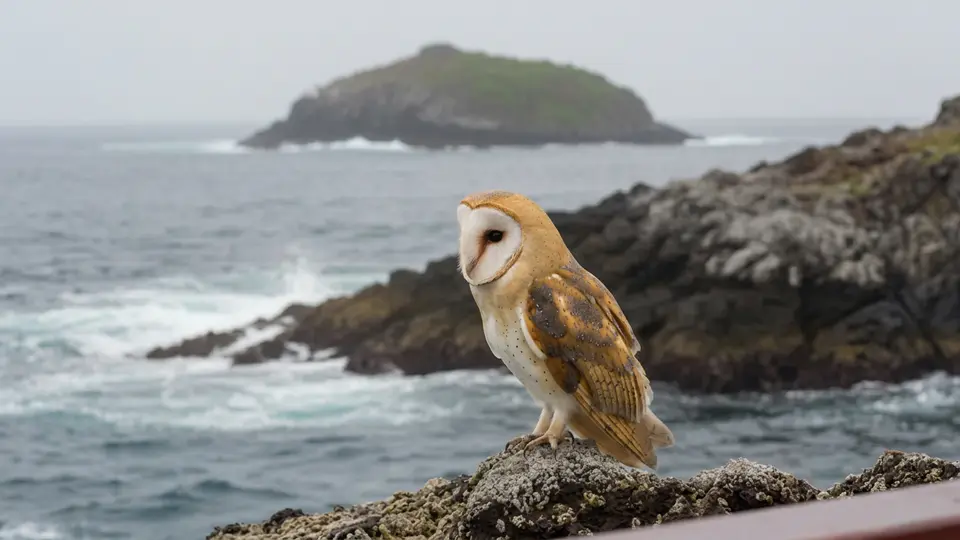
Woodpecker FinchAI-modifiedWoodpecker FinchAmerican FlamingoAI-modifiedAmerican FlamingoBarn OwlAI-modifiedBarn Owl
Animal groupBirdsAnimal groupBirdsAnimal groupBirds
DestinationsGalapagosDestinationsGalapagos, MexicoDestinationsGalapagos
Scientific nameCamarhynchus pallidusScientific nameScientific name
All wildlife destinations
AI-modified
Plan your trip

Find your next wildlife adventure

Compare destinations, shore programs and dates with the animals and habitats you would love to see.

  • Naturalist-led shore excursions
  • Responsible wildlife watching
  • Small expedition ships