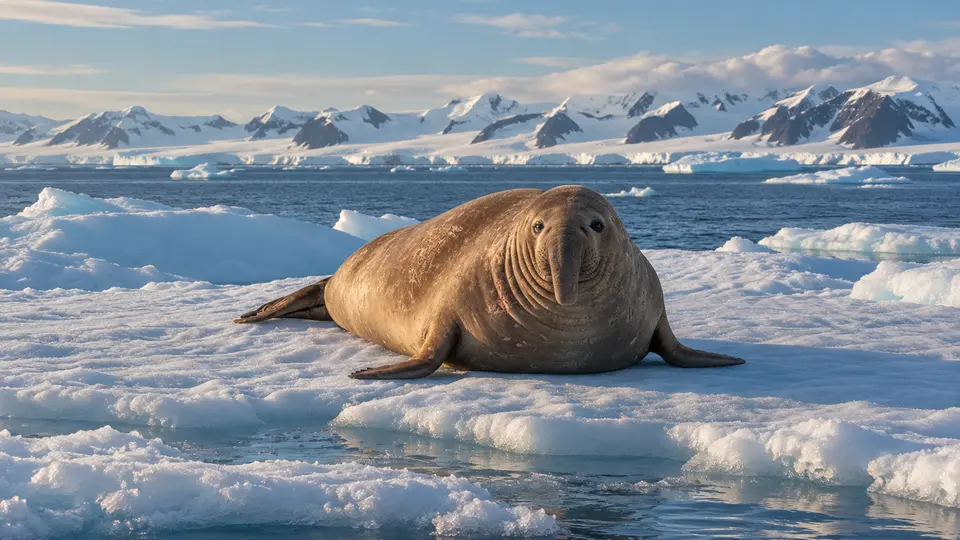
Southern Elephant Seal in its natural habitatAI-modified

Southern Elephant SealMirounga leoninaWhere and when to see them

Southern Elephant Seal at a glance

The southern elephant seal is the largest living seal, with adult males vastly outweighing females. Mature bulls develop the inflatable nose that gives the species its common name. Most of its life is spent at sea, but breeding and the annual molt bring animals onto beaches in conspicuous groups. Its main strongholds are subantarctic islands, with additional haul-outs around parts of the Antarctic region. Recovery after historical sealing has not eliminated substantial regional population differences.

Behaviour & reproduction

Size
Females 2.4-3 m (7.9-9.8 ft); males 4.2-5.8 m (13.8-19.0 ft) long
Weight
Females 400-900 kg (882-1,984 lb); males 1,500-3,700 kg (3,307-8,157 lb)
Lifespan
Males 12-15 years; females 18-22 years
Status
Least Concern

During breeding, dominant bulls compete for access to groups of females through vocal displays, posturing and sometimes violent fights. Females give birth and nurse while fasting, then return to sea after weaning their pups. Animals later haul out again to replace hair and outer skin during a concentrated molt. Resting seals can appear inert but move abruptly when challenged. Away from land, individuals undertake long feeding journeys and spend little time at the surface. Outside of the breeding and molting seasons, individuals are largely solitary at sea, undertaking extensive foraging migrations. During molting, seals remain ashore for several weeks, often in dense aggregations, as their skin and fur are replaced.

Top wildlife locations

Antarctica wildlife habitatAI-modified

Antarctica

Some Antarctic Peninsula and nearby island beaches support haul-outs, although the largest colonies are subantarctic. Shore access depends on approved routes, weather and animal spacing; seals may also be watched from the deck.
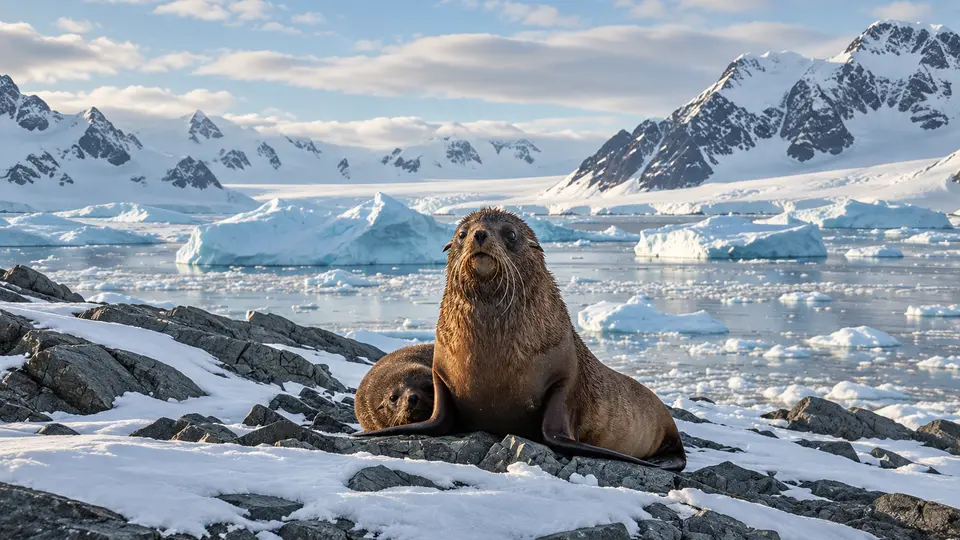
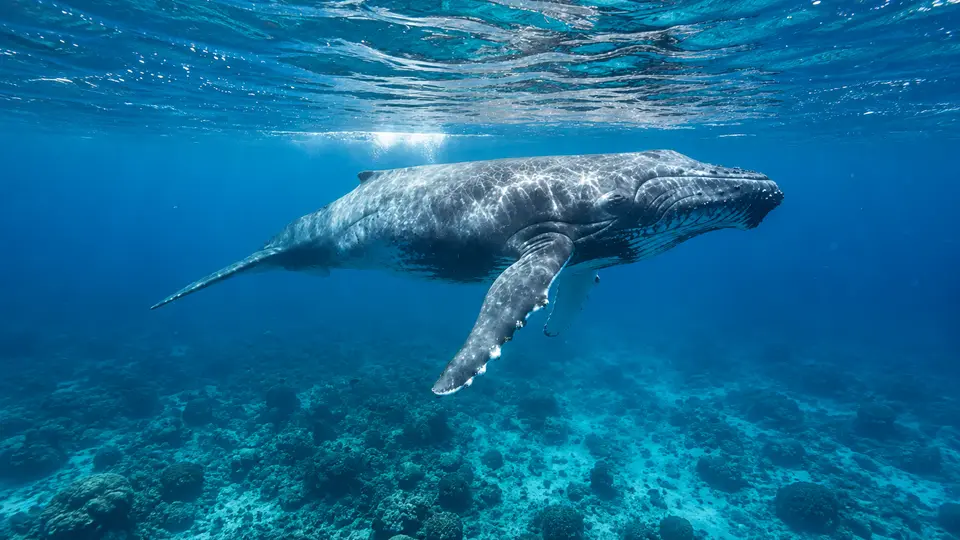
Destinations describe the species' habitat, not guaranteed cruise stops. Some animals require an optional inland excursion or are found in restricted reserves.

Fun facts about the Southern Elephant Seal

  • Adult males can weigh several times as much as adult females.
  • Females nurse their pups for only about three weeks.
  • The annual catastrophic molt sheds hair and the outer layer of skin together.
  • Breeding adults can remain ashore for extended periods without feeding.

Best time to see the Southern Elephant Seal

Antarctic travel from November through March can overlap late breeding activity, weaned pups and later molting haul-outs, depending on location. The main breeding peak is earlier at many subantarctic sites. Summer beach presence should therefore not automatically be described as a breeding aggregation. The austral summer is the optimal time to witness the full lifecycle stages, from the last weaned pups to the later molting groups. Early summer offers chances to see newly independent juveniles before they embark on their first foraging trips.

Southern Elephant Seal: season matrix by destination

Travel and observation windows vary by region. Highlighted months are an orientation for planning, not confirmed sightings or a guarantee of access.

Antarctica

This is the practical visitor window; local groups may be molting or resting rather than breeding, and presence varies substantially among beaches.

JanFebMarAprMayJunJulAugSepOctNovDec
Cruise ships in Antarctica

Where the Southern Elephant Seal lives

Breeding and molting require accessible beaches, often sand, gravel or cobble with open approaches from the sea. Subantarctic islands hold the largest concentrations. At sea, animals range widely through Southern Ocean waters, using productive feeding areas far beyond their visible coastal haul-outs. Coastal sites with sheltered coves or bays are often preferred, especially by females with pups. They also utilize ice floes in Antarctic waters as resting platforms between feeding bouts.

What the Southern Elephant Seal eats

Squid and fish make up most of the diet, with prey composition differing among sexes, populations and feeding areas. Females often forage in oceanic waters, while males may use continental-shelf regions more extensively. Adults rely on stored fat while fasting ashore. Prey includes a variety of mesopelagic fish and squid, which they catch at considerable depths. Their deep-diving capabilities allow them to exploit resources unavailable to many other marine predators.

Species at a glance

Common name
Southern Elephant Seal
Scientific name
Mirounga leonina
Animal group
Mammals
Size
Females 2.4-3 m (7.9-9.8 ft); males 4.2-5.8 m (13.8-19.0 ft) long
Weight
Females 400-900 kg (882-1,984 lb); males 1,500-3,700 kg (3,307-8,157 lb)
Lifespan
Males 12-15 years; females 18-22 years
Status
Least Concern
Identification
Mature males are unmistakable by their huge size and trunklike nose, while females differ from other regional seals in their large eyes, short foreflippers and bulky, unspotted appearance. Juveniles are distinguished by their uniformly silvery-gray coat before their first molt, contrasting with the darker adult pelage. Females are typically much smaller than the enormous males, weighing less than a quarter of the largest bull's mass.

Southern Elephant Seal: frequently asked questions

Where can I see the Southern Elephant Seal?
Antarctica. Observe from a generous distance on approved routes or from the deck. Never stand between seals and the sea or between competing bulls. Give resting animals room to move, and retreat if one raises its head toward you. When viewing from shore, maintain a low profile and avoid sudden movements to prevent startling the seals. Observe from a distance that allows the animals to remain undisturbed, particularly when pups are present.
When is the best time to see the Southern Elephant Seal?
Antarctic travel from November through March can overlap late breeding activity, weaned pups and later molting haul-outs, depending on location. The main breeding peak is earlier at many subantarctic sites. Summer beach presence should therefore not automatically be described as a breeding aggregation. The austral summer is the optimal time to witness the full lifecycle stages, from the last weaned pups to the later molting groups. Early summer offers chances to see newly independent juveniles before they embark on their first foraging trips.
How big does the Southern Elephant Seal get?
Females 2.4-3 m (7.9-9.8 ft); males 4.2-5.8 m (13.8-19.0 ft) long. Adult weight: Females 400-900 kg (882-1,984 lb); males 1,500-3,700 kg (3,307-8,157 lb). Size varies with age, sex and population.
How should I behave around the Southern Elephant Seal?
Observe from a generous distance on approved routes or from the deck. Never stand between seals and the sea or between competing bulls. Give resting animals room to move, and retreat if one raises its head toward you. When viewing from shore, maintain a low profile and avoid sudden movements to prevent startling the seals. Observe from a distance that allows the animals to remain undisturbed, particularly when pups are present.
What does the Southern Elephant Seal eat?
Squid and fish make up most of the diet, with prey composition differing among sexes, populations and feeding areas. Females often forage in oceanic waters, while males may use continental-shelf regions more extensively. Adults rely on stored fat while fasting ashore. Prey includes a variety of mesopelagic fish and squid, which they catch at considerable depths. Their deep-diving capabilities allow them to exploit resources unavailable to many other marine predators.
Are wildlife sightings guaranteed on an adventure cruise?
No. Animals move freely and routes, weather, access restrictions and local conditions influence every outing. Confirm the actual itinerary and shore program before booking.

Compare wildlife in the same destinations

Explore other mammals recorded in these destinations. Similar surroundings do not mean the animals share the same habits or viewing season.

Species comparison by animal group and destination
Southern Elephant SealAI-modifiedSouthern Elephant SealAntarctic Fur SealAI-modifiedAntarctic Fur SealBlue WhaleAI-modifiedBlue Whale
Animal groupMammalsAnimal groupMammalsAnimal groupMammals
DestinationsAntarcticaDestinationsAntarcticaDestinationsMexico, Norway, Portugal, Antarctica, Arctic, Maldives, New Zealand
Scientific nameMirounga leoninaScientific nameScientific name
All wildlife destinations
AI-modified
Plan your trip

Find your next wildlife adventure

Compare destinations, shore programs and dates with the animals and habitats you would love to see.

  • Naturalist-led shore excursions
  • Responsible wildlife watching
  • Small expedition ships