
Short-eared Owl in its natural habitatAI-modified

Short-eared OwlAsio flammeusWhere and when to see them

Short-eared Owl at a glance

The short-eared owl is a widespread open-country owl represented in the Galápagos by the endemic subspecies Asio flammeus galapagoensis. Island birds are generally darker than many continental birds and can be unusually active in daylight. Their ecology reflects an archipelago where small seabirds and other birds offer important prey. Despite the species' broad global distribution, Galápagos observations concern a distinctive resident island population rather than a seasonal influx from continental breeding grounds.

Behaviour & reproduction

Size
34–43 cm (13.4–16.9 in) long
Weight
200–500 g (7.1–17.6 oz)
Lifespan
Not reliably established
Status
Least Concern

These owls hunt with low, buoyant flights and also wait on rocks or other vantage points. In the Galápagos, some patrol seabird colonies and ambush birds near nesting crevices. Daytime hunting can be conspicuous where competition and disturbance are limited. They rest on the ground or among rocks, where mottled plumage provides camouflage. Nesting is ground-based, making off-trail movement hazardous to birds even when no nest is obvious. Galápagos short-eared owls are unique among their kind for their frequent diurnal activity, a common adaptation in island environments lacking large terrestrial predators. They exhibit a characteristic quartering flight pattern when hunting over open terrain, systematically searching for prey items on the ground.

Top wildlife locations

Galapagos wildlife habitatAI-modified

Galapagos

Genovesa's authorized Prince Philip's Steps route overlooks lava and seabird habitat where owls may hunt. Access requires a permitted itinerary and guide; other islands and ordinary beaches offer much less predictable opportunities.
Destinations describe the species' habitat, not guaranteed cruise stops. Some animals require an optional inland excursion or are found in restricted reserves.

Fun facts about the Short-eared Owl

  • The Galápagos population is recognized as the subspecies galapagoensis.
  • Its ear tufts are often flattened and difficult to see.
  • Some island birds hunt storm-petrels in daylight.
  • The species occurs on every continent except Antarctica and Australia.

Best time to see the Short-eared Owl

Galápagos short-eared owls are resident, so no migration season is required for observation. Opportunities depend on the authorized itinerary, local prey activity and visibility. Both warm and cool seasons can be suitable for shore walks, but neither guarantees hunting owls near a visitor path. While resident year-round, successful sightings can sometimes align with seabird nesting seasons, when a reliable food source brings owls into more active hunting patterns. Early morning or late afternoon light often provides the best conditions for spotting these owls on the ground or in flight.

Short-eared Owl: season matrix by destination

Travel and observation windows vary by region. Highlighted months are an orientation for planning, not confirmed sightings or a guarantee of access.

Galapagos

Year-round visitation can support observation attempts because the owls are resident; itinerary permissions, weather and prey activity determine actual opportunities.

JanFebMarAprMayJunJulAugSepOctNovDec
Cruise ships in Galapagos

Where the Short-eared Owl lives

Across its global range, the species favors open grassland, marshes and tundra. In the Galápagos it also uses dry open ground, lava terrain and seabird colonies. Rocky coastal habitat can therefore be relevant, although distribution and visibility vary greatly among islands and authorized visitor routes. Though generally a species of open country, the Galápagos Short-eared Owl shows remarkable adaptability, often utilizing rocky outcrops and even sparse dry forests, especially when preying on seabirds. Its presence can indicate healthy populations of ground-nesting birds, an important part of its island diet.

What the Short-eared Owl eats

Continental populations often specialize in small mammals, particularly voles, but Galápagos birds take substantial numbers of birds, including storm-petrels. Other available small vertebrates and large insects may supplement the diet. This island feeding ecology differs markedly from the rodent-centered image of the species elsewhere. The opportunistic nature of Galápagos short-eared owls means their diet shifts with local prey availability; they are known to consume petrel chicks, storm-petrels, and even other small seabirds. This dietary flexibility is crucial for survival in an insular environment where typical continental prey like rodents are scarce or absent.

Species at a glance

Common name
Short-eared Owl
Scientific name
Asio flammeus
Animal group
Birds
Size
34–43 cm (13.4–16.9 in) long
Weight
200–500 g (7.1–17.6 oz)
Lifespan
Not reliably established
Status
Least Concern
Identification
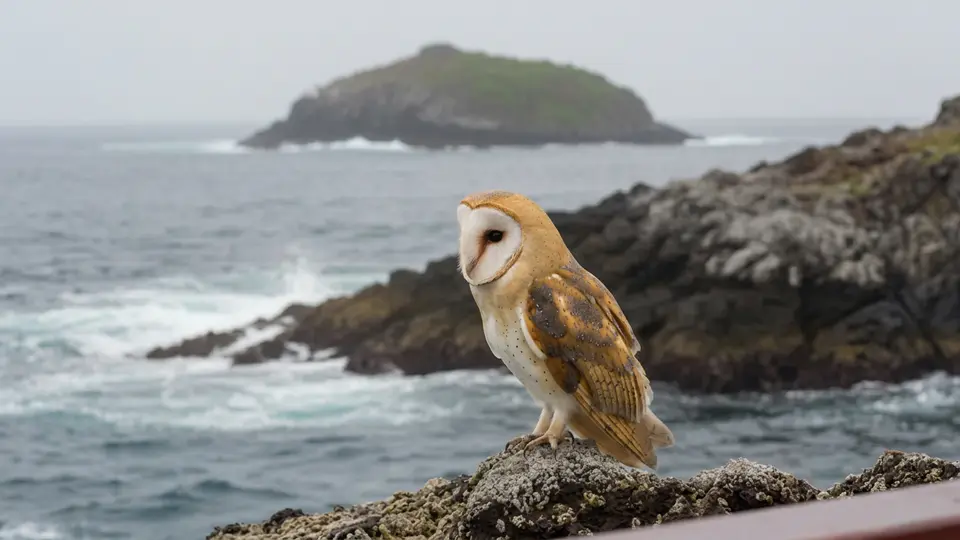
Its yellow eyes, dark eye patches and small ear tufts distinguish it from the pale, heart-faced Galápagos barn owl. Distinguishing features also include their relatively small size compared to many other owl species and their streaked, buffy-brown plumage, which allows them to blend seamlessly with the dry Galápagos landscape. Their flight is often described as moth-like or floppy, a useful characteristic for identification in the field.

Short-eared Owl: frequently asked questions

Where can I see the Short-eared Owl?
Galapagos. Remain on the designated route with your naturalist guide and scan rocks before moving closer. Never flush a resting owl or approach a prey ambush site. Watch footing around lava cracks and nesting seabirds. Scanning the landscape with binoculars is highly recommended, as their superb camouflage makes them difficult to spot against the lava rock and sparse vegetation. Maintaining a respectful distance is paramount to avoid disturbing their hunting or resting activities, which are critical for their survival.
When is the best time to see the Short-eared Owl?
Galápagos short-eared owls are resident, so no migration season is required for observation. Opportunities depend on the authorized itinerary, local prey activity and visibility. Both warm and cool seasons can be suitable for shore walks, but neither guarantees hunting owls near a visitor path. While resident year-round, successful sightings can sometimes align with seabird nesting seasons, when a reliable food source brings owls into more active hunting patterns. Early morning or late afternoon light often provides the best conditions for spotting these owls on the ground or in flight.
How big does the Short-eared Owl get?
34–43 cm (13.4–16.9 in) long. Adult weight: 200–500 g (7.1–17.6 oz). Size varies with age, sex and population.
How should I behave around the Short-eared Owl?
Remain on the designated route with your naturalist guide and scan rocks before moving closer. Never flush a resting owl or approach a prey ambush site. Watch footing around lava cracks and nesting seabirds. Scanning the landscape with binoculars is highly recommended, as their superb camouflage makes them difficult to spot against the lava rock and sparse vegetation. Maintaining a respectful distance is paramount to avoid disturbing their hunting or resting activities, which are critical for their survival.
What does the Short-eared Owl eat?
Continental populations often specialize in small mammals, particularly voles, but Galápagos birds take substantial numbers of birds, including storm-petrels. Other available small vertebrates and large insects may supplement the diet. This island feeding ecology differs markedly from the rodent-centered image of the species elsewhere. The opportunistic nature of Galápagos short-eared owls means their diet shifts with local prey availability; they are known to consume petrel chicks, storm-petrels, and even other small seabirds. This dietary flexibility is crucial for survival in an insular environment where typical continental prey like rodents are scarce or absent.
Are wildlife sightings guaranteed on an adventure cruise?
No. Animals move freely and routes, weather, access restrictions and local conditions influence every outing. Confirm the actual itinerary and shore program before booking.

Compare wildlife in the same destinations

Explore other birds recorded in these destinations. Similar surroundings do not mean the animals share the same habits or viewing season.

Species comparison by animal group and destination
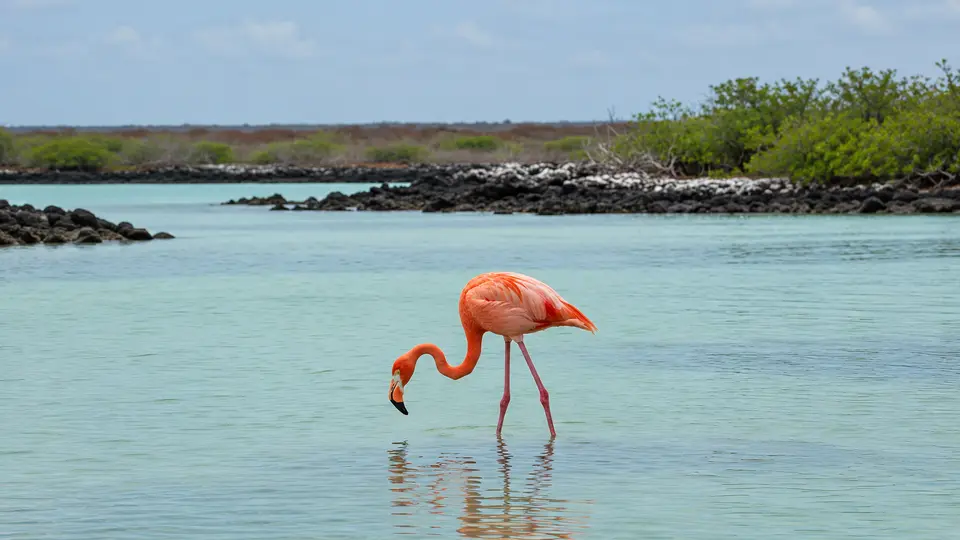
Short-eared OwlAI-modifiedShort-eared OwlAmerican FlamingoAI-modifiedAmerican FlamingoBarn OwlAI-modifiedBarn Owl
Animal groupBirdsAnimal groupBirdsAnimal groupBirds
DestinationsGalapagosDestinationsGalapagos, MexicoDestinationsGalapagos
Scientific nameAsio flammeusScientific nameScientific name
All wildlife destinations
AI-modified
Plan your trip

Find your next wildlife adventure

Compare destinations, shore programs and dates with the animals and habitats you would love to see.

  • Naturalist-led shore excursions
  • Responsible wildlife watching
  • Small expedition ships