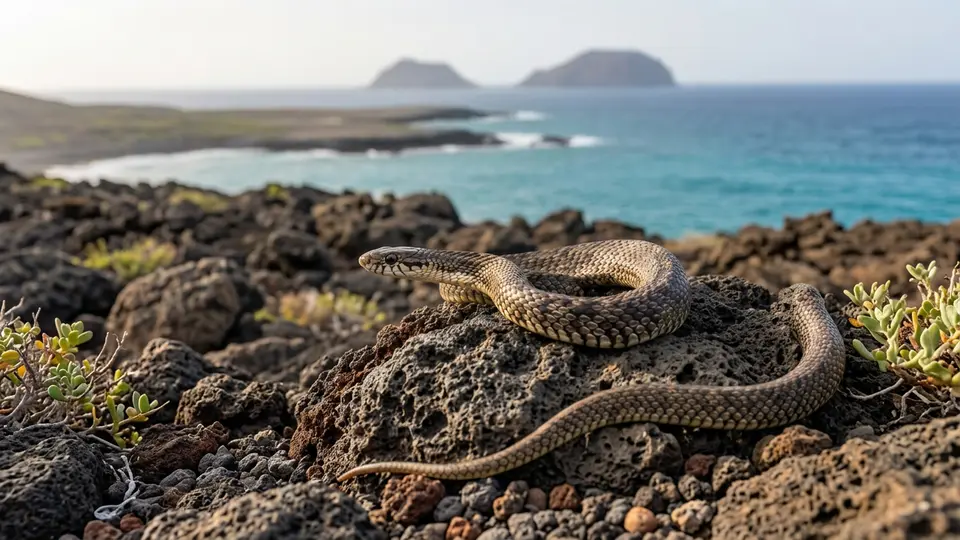
Galápagos Racer in its natural habitatAI-modified

Galápagos RacerPseudalsophis dorsalisWhere and when to see them

Galápagos Racer at a glance

Pseudalsophis dorsalis is one of several racer snakes native to the Galápagos, rather than a name for every snake in the archipelago. It is a slender, active predator associated with central islands, including Santa Cruz. Like other Galápagos racers, it belongs to a lineage that diversified among islands. Accurate identification requires attention to island locality and diagnostic features, because familiar photographs and films of other island racers are often incorrectly assigned to this species.

Behaviour & reproduction

Size
Not reliably established
Weight
Not reliably established
Lifespan
Not reliably established
Status
Check current assessment

This racer is primarily active by day, moving through rocks, low vegetation and open ground in search of small prey. It uses cover to avoid disturbance and may disappear quickly into crevices when approached. Activity depends on temperature, with exposed surfaces becoming less attractive during intense heat. Much of its detailed reproductive and social biology remains poorly documented, so observations of other Galápagos racer species should not automatically be attributed to it. This diurnal snake spends its active hours foraging, often basking briefly in sunny spots to regulate its body temperature. It exhibits cryptic coloration and behavior, relying on camouflage to ambush prey and avoid predators.

Top wildlife locations

Galapagos wildlife habitatAI-modified

Galapagos

Rocky scrub beside authorized coastal trails on Santa Cruz offers plausible habitat, although encounters are uncommon. Island identity matters, and restricted terrain must not be entered to search for snakes.
Destinations describe the species' habitat, not guaranteed cruise stops. Some animals require an optional inland excursion or are found in restricted reserves.

Fun facts about the Galápagos Racer

  • Galápagos racers comprise several species rather than a single archipelago-wide snake.
  • Pseudalsophis dorsalis is native to the Galápagos.
  • Its lineage belongs to the snake family Dipsadidae.
  • The famous marine-iguana chase footage from Fernandina features a different racer species.

Best time to see the Galápagos Racer

Observation is possible year-round on islands where the species occurs and authorized visitor access exists. Warm conditions can encourage activity, but excessive midday heat may reduce exposure. No well-supported, species-specific peak viewing season is established for this particular racer. The warm, dry season (roughly December to June) might offer slightly increased chances of observing active individuals due to higher temperatures. However, activity patterns are more strongly influenced by daily temperature fluctuations and immediate weather conditions than by seasonal changes.

Galápagos Racer: season matrix by destination

Travel and observation windows vary by region. Highlighted months are an orientation for planning, not confirmed sightings or a guarantee of access.

Galapagos

Visitor access exists year-round, but reliable evidence for a species-specific seasonal shore-observation window is insufficient.

JanFebMarAprMayJunJulAugSepOctNovDec
Cruise ships in Galapagos

Where the Galápagos Racer lives

It occupies terrestrial habitats on its native Galápagos islands, including dry scrub, rocky ground and vegetated landscapes with sheltering crevices. Suitable habitat may extend inland from the coast. Its restricted distribution makes island identity essential when assessing a possible observation. While specific habitat preferences can vary between islands, Pseudalsophis dorsalis is often found in arid and semi-arid zones. It utilizes natural features like lava flows, rock piles, and dense vegetation for shelter and hunting.

What the Galápagos Racer eats

Small vertebrates, especially lizards, are important prey for Galápagos racers, with other prey taken according to availability and snake size. Species-specific dietary information for Pseudalsophis dorsalis is limited, so dramatic feeding records from other island racers should not be generalized. Observations suggest a diet that includes geckos, lava lizards, and sometimes small birds or bird eggs when available. Juveniles likely consume smaller prey items such as insects or very young lizards.

Species at a glance

Common name
Galápagos Racer
Scientific name
Pseudalsophis dorsalis
Animal group
Reptiles
Size
Not reliably established
Weight
Not reliably established
Lifespan
Not reliably established
Status
Check current assessment
Identification
Distinguishing Pseudalsophis dorsalis from related Galápagos racers requires island locality and expert assessment of scale and pattern characters, not coloration alone. Key distinguishing features include specific patterns of dorsal blotches and the number and arrangement of scales around the eyes and mouth. These subtle morphological differences require close inspection, often with photographic evidence, to confirm species identity.

Galápagos Racer: frequently asked questions

Where can I see the Galápagos Racer?
Galapagos. Stay on authorized trails and let snakes cross undisturbed. Do not handle, corner or entice a racer; these rear-fanged predators can bite defensively, and their protected island habitats are easily damaged. Keep a respectful distance and avoid sudden movements to prevent startling the snake. If observed on a trail, allow it to move off on its own; never attempt to move it yourself.
When is the best time to see the Galápagos Racer?
Observation is possible year-round on islands where the species occurs and authorized visitor access exists. Warm conditions can encourage activity, but excessive midday heat may reduce exposure. No well-supported, species-specific peak viewing season is established for this particular racer. The warm, dry season (roughly December to June) might offer slightly increased chances of observing active individuals due to higher temperatures. However, activity patterns are more strongly influenced by daily temperature fluctuations and immediate weather conditions than by seasonal changes.
How big does the Galápagos Racer get?
Not reliably established. Adult weight: Not reliably established. Size varies with age, sex and population.
How should I behave around the Galápagos Racer?
Stay on authorized trails and let snakes cross undisturbed. Do not handle, corner or entice a racer; these rear-fanged predators can bite defensively, and their protected island habitats are easily damaged. Keep a respectful distance and avoid sudden movements to prevent startling the snake. If observed on a trail, allow it to move off on its own; never attempt to move it yourself.
What does the Galápagos Racer eat?
Small vertebrates, especially lizards, are important prey for Galápagos racers, with other prey taken according to availability and snake size. Species-specific dietary information for Pseudalsophis dorsalis is limited, so dramatic feeding records from other island racers should not be generalized. Observations suggest a diet that includes geckos, lava lizards, and sometimes small birds or bird eggs when available. Juveniles likely consume smaller prey items such as insects or very young lizards.
Are wildlife sightings guaranteed on an adventure cruise?
No. Animals move freely and routes, weather, access restrictions and local conditions influence every outing. Confirm the actual itinerary and shore program before booking.

Compare wildlife in the same destinations

Explore other reptiles recorded in these destinations. Similar surroundings do not mean the animals share the same habits or viewing season.

Species comparison by animal group and destination
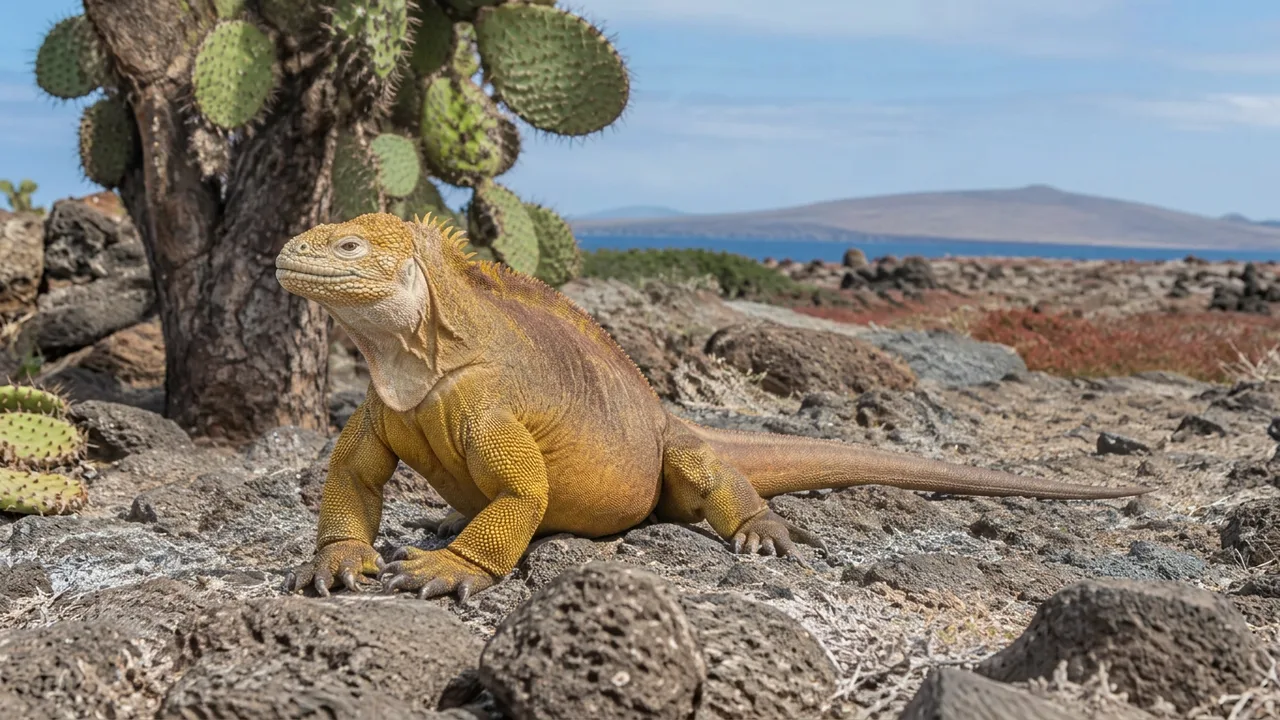
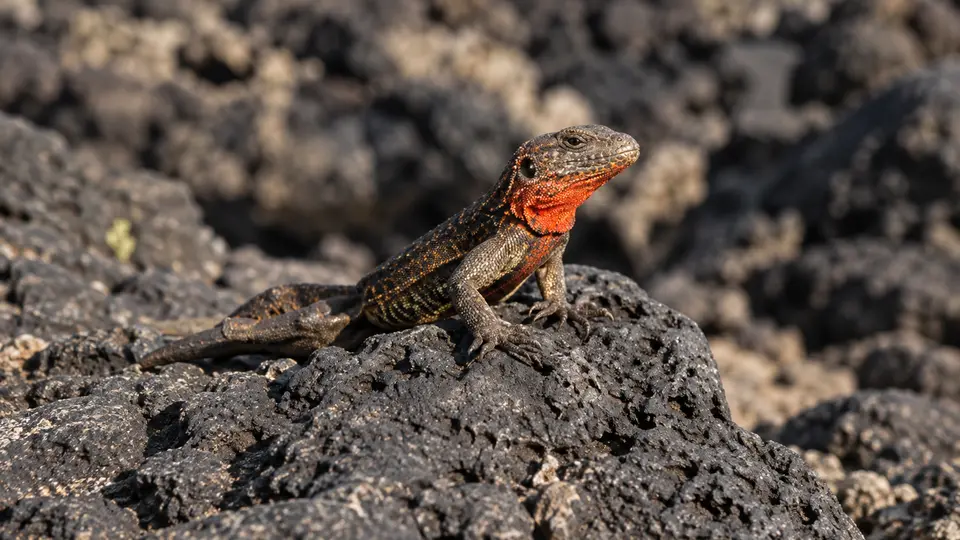
Galápagos RacerAI-modifiedGalápagos RacerGalápagos Land IguanaAI-modifiedGalápagos Land IguanaGalápagos Lava LizardAI-modifiedGalápagos Lava Lizard
Animal groupReptilesAnimal groupReptilesAnimal groupReptiles
DestinationsGalapagosDestinationsGalapagosDestinationsGalapagos
Scientific namePseudalsophis dorsalisScientific nameScientific name
All wildlife destinations
AI-modified
Plan your trip

Find your next wildlife adventure

Compare destinations, shore programs and dates with the animals and habitats you would love to see.

  • Naturalist-led shore excursions
  • Responsible wildlife watching
  • Small expedition ships