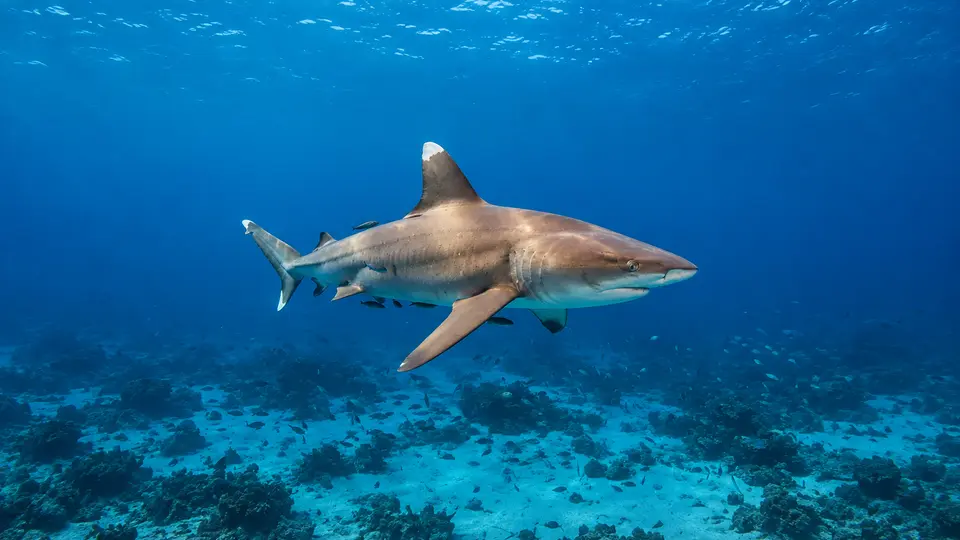
Oceanic Whitetip Shark in its natural habitatAI-modified

Oceanic Whitetip SharkCarcharhinus longimanusWhere and when to see them

Oceanic Whitetip Shark at a glance

The oceanic whitetip is a large, warm-water shark adapted to the open ocean. Long, rounded pectoral fins support efficient cruising through habitats where food can be widely scattered. Once abundant across tropical seas, it has suffered severe declines from fishing, especially capture in pelagic fisheries. This is a genuinely marine animal: for shore-based travelers, any observation would be an unusual distant surface sighting, not a conventional coastal wildlife encounter.

Behaviour & reproduction

Size
1.8-3 m (5.9-9.8 ft) long
Weight
60-170 kg (132-375 lb)
Lifespan
Not reliably established
Status
Critically Endangered

Oceanic whitetips often cruise slowly near the surface, investigating potential food using several senses. They can make extensive movements and also use deeper water, so their presence at the surface is unpredictable. Individuals sometimes accompany floating objects or vessels, and pilotfish may associate with them. Apparently unhurried swimming does not imply harmlessness; feeding situations can produce abrupt changes in speed and behavior, particularly where food has entered the water. They are naturally curious and may approach vessels, but this curiosity should not be mistaken for docility. Their slow, deliberate swimming style can rapidly change to bursts of speed during feeding or investigation. Oceanic whitetips are solitary by nature but can aggregate around abundant food sources, indicating an opportunistic and adaptable feeding strategy.

Top wildlife locations

Egypt wildlife habitatAI-modified

Egypt

Egyptian Red Sea beaches are poor viewing habitat because this shark primarily occupies offshore water. Distant deck observation near deep-water routes is more plausible, but sightings from either shore or deck are rare.
Destinations describe the species' habitat, not guaranteed cruise stops. Some animals require an optional inland excursion or are found in restricted reserves.

Fun facts about the Oceanic Whitetip Shark

  • The name longimanus means long-handed, referring to its pectoral fins.
  • It is an open-ocean species rather than a reef specialist.
  • Pilotfish sometimes travel alongside it.
  • Its global decline has been driven heavily by fishing mortality.

Best time to see the Oceanic Whitetip Shark

No dependable shore-viewing season is established for Egypt. Weather suitable for distant deck observation varies, but favorable travel conditions should not be interpreted as evidence of sharks nearby. Surface appearances are too irregular to support a reliable monthly viewing calendar. Encounters in the Red Sea are infrequent and highly unpredictable throughout the year, with no specific peak season for reliable sightings. Their transient nature means that their presence is more a matter of chance than seasonal timing, making general viewing calendars unhelpful. Sightings are often associated with deep-water reefs or open-ocean crossings, rather than coastal areas.

Oceanic Whitetip Shark: season matrix by destination

Travel and observation windows vary by region. Highlighted months are an orientation for planning, not confirmed sightings or a guarantee of access.

Egypt

No supported shore or ordinary deck-viewing window is available; Red Sea travel seasons do not establish predictable surface sightings.

JanFebMarAprMayJunJulAugSepOctNovDec
Cruise ships in Egypt

Where the Oceanic Whitetip Shark lives

This shark primarily occupies tropical and subtropical offshore waters, especially beyond continental shelves. It may approach oceanic islands or steep shelf edges where deep water lies nearby. Ordinary shallow beaches and enclosed coastal lagoons are not representative habitat for the species. Oceanic whitetips are highly migratory and can be found globally in all tropical and warm temperate oceans. They prefer surface waters between 20 to 28 degrees Celsius, though individuals may range into cooler waters. While commonly found in the open ocean, they can occasionally be encountered near oceanic islands and continental shelves with sharp drop-offs into deep water.

What the Oceanic Whitetip Shark eats

Its diet includes oceanic fishes and squid, with opportunistic scavenging of carrion and other animal material. It can exploit concentrated food sources in otherwise sparse pelagic habitat. Fishing bait and discarded catch can attract sharks, creating avoidable risks and disrupting natural behavior. Beyond fish and squid, their diet also includes crustaceans, sea turtles, and even seabirds. They are known for their opportunistic feeding habits, often being the first shark species to appear at shipwreck sites or around tuna fishing operations.

Species at a glance

Common name
Oceanic Whitetip Shark
Scientific name
Carcharhinus longimanus
Animal group
Marine life
Size
1.8-3 m (5.9-9.8 ft) long
Weight
60-170 kg (132-375 lb)
Lifespan
Not reliably established
Status
Critically Endangered
Identification
Its broad, rounded, white-tipped dorsal and pectoral fins distinguish it from the slender whitetip reef shark and the more sharply finned silvertip shark. The species typically exhibits a stocky body with a flattened, rounded snout. Its first dorsal fin is notably large and rounded, positioned relatively far back on the body, and its large, paddle-like pectoral fins are also distinctive. Juveniles may show more pronounced white tips on their fins, sometimes with a darker mottling.

Oceanic Whitetip Shark: frequently asked questions

Where can I see the Oceanic Whitetip Shark?
Egypt. Observe only at a distance from a secure vessel deck or shore viewpoint. Never feed, bait or discard fish scraps, and follow crew instructions if a shark approaches the vessel. Maintain a respectful distance and avoid any actions that might alter their natural behavior or attract them. Binoculars are recommended for identifying distant individuals and observing their characteristic swimming patterns. Documenting observations with photos or notes can contribute to research efforts without disturbing the animal.
When is the best time to see the Oceanic Whitetip Shark?
No dependable shore-viewing season is established for Egypt. Weather suitable for distant deck observation varies, but favorable travel conditions should not be interpreted as evidence of sharks nearby. Surface appearances are too irregular to support a reliable monthly viewing calendar. Encounters in the Red Sea are infrequent and highly unpredictable throughout the year, with no specific peak season for reliable sightings. Their transient nature means that their presence is more a matter of chance than seasonal timing, making general viewing calendars unhelpful. Sightings are often associated with deep-water reefs or open-ocean crossings, rather than coastal areas.
How big does the Oceanic Whitetip Shark get?
1.8-3 m (5.9-9.8 ft) long. Adult weight: 60-170 kg (132-375 lb). Size varies with age, sex and population.
How should I behave around the Oceanic Whitetip Shark?
Observe only at a distance from a secure vessel deck or shore viewpoint. Never feed, bait or discard fish scraps, and follow crew instructions if a shark approaches the vessel. Maintain a respectful distance and avoid any actions that might alter their natural behavior or attract them. Binoculars are recommended for identifying distant individuals and observing their characteristic swimming patterns. Documenting observations with photos or notes can contribute to research efforts without disturbing the animal.
What does the Oceanic Whitetip Shark eat?
Its diet includes oceanic fishes and squid, with opportunistic scavenging of carrion and other animal material. It can exploit concentrated food sources in otherwise sparse pelagic habitat. Fishing bait and discarded catch can attract sharks, creating avoidable risks and disrupting natural behavior. Beyond fish and squid, their diet also includes crustaceans, sea turtles, and even seabirds. They are known for their opportunistic feeding habits, often being the first shark species to appear at shipwreck sites or around tuna fishing operations.
Are wildlife sightings guaranteed on an adventure cruise?
No. Animals move freely and routes, weather, access restrictions and local conditions influence every outing. Confirm the actual itinerary and shore program before booking.

Compare wildlife in the same destinations

Explore other marine life recorded in these destinations. Similar surroundings do not mean the animals share the same habits or viewing season.

Species comparison by animal group and destination
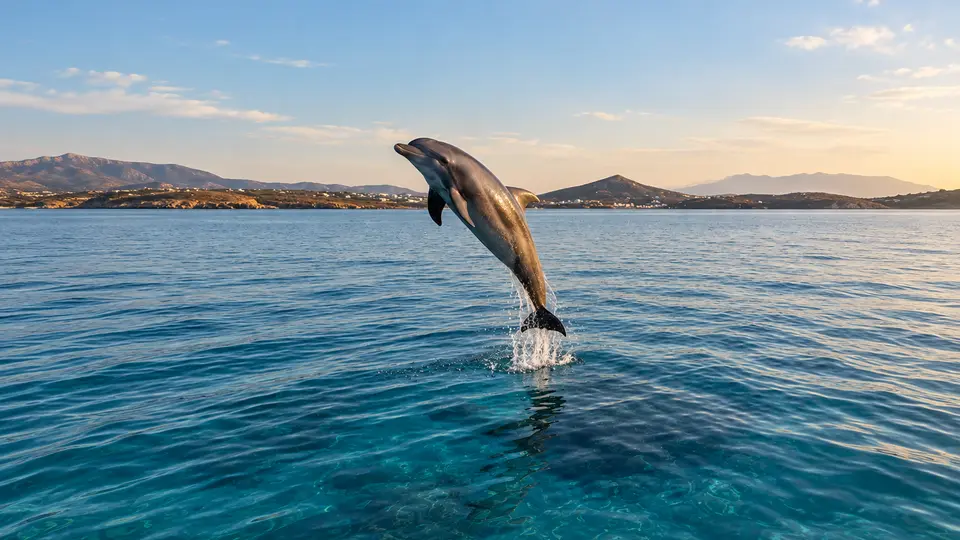
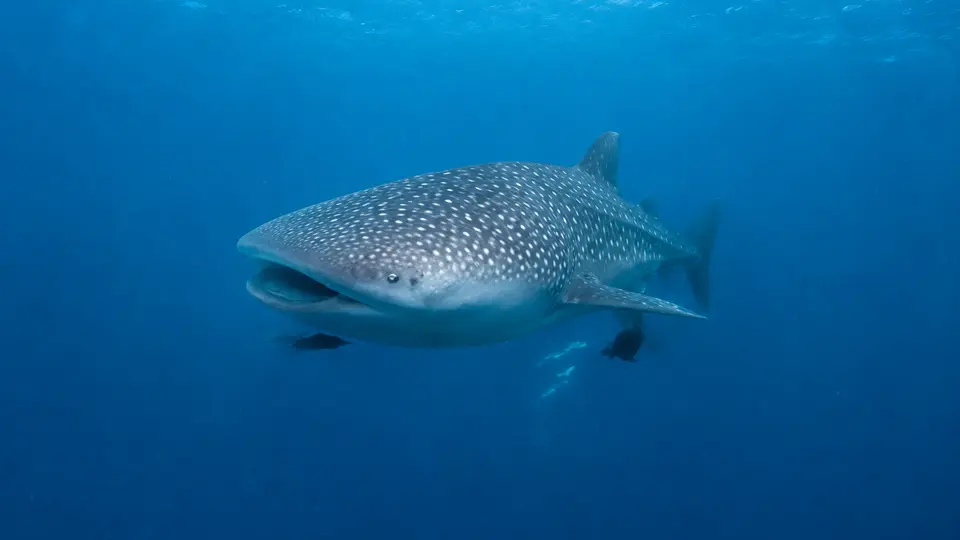
Oceanic Whitetip SharkAI-modifiedOceanic Whitetip SharkRisso's DolphinAI-modifiedRisso's DolphinWhale SharkAI-modifiedWhale Shark
Animal groupMarine lifeAnimal groupMarine lifeAnimal groupMarine life
DestinationsEgyptDestinationsEgypt, Greece, Portugal, Scotland, Turkey, MaldivesDestinationsEgypt
Scientific nameCarcharhinus longimanusScientific nameScientific name
All wildlife destinations
AI-modified
Plan your trip

Find your next wildlife adventure

Compare destinations, shore programs and dates with the animals and habitats you would love to see.

  • Naturalist-led shore excursions
  • Responsible wildlife watching
  • Small expedition ships