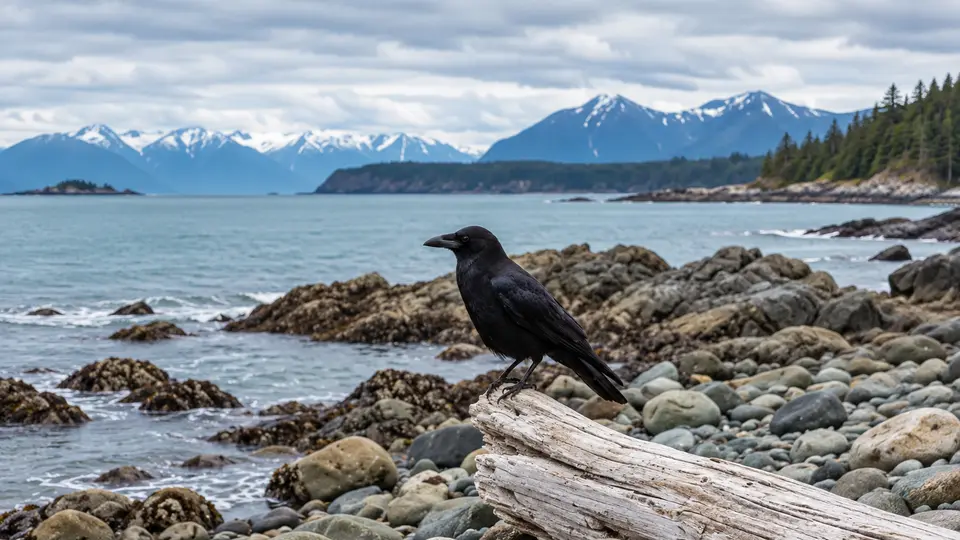
Northwestern Crow in its natural habitatAI-modified

Northwestern CrowCorvus brachyrhynchosWhere and when to see them

Northwestern Crow at a glance

The Northwestern Crow was formerly recognized as Corvus caurinus, a small coastal crow of northwestern North America. Genetic evidence and extensive interbreeding led major modern checklists to merge it with the American Crow. The catalog name remains useful for describing the familiar shoreline birds of coastal Alaska, but it should not imply a securely distinct living species. These adaptable birds connect intertidal food webs with coastal forests and settlements.

Behaviour & reproduction

Size
40-50 cm (15.7-19.7 in) long
Weight
300-600 g (10.6-21.2 oz)
Lifespan
Not reliably established
Status
Least Concern

Coastal crows forage along beaches as the tide falls, probing seaweed and turning small objects to uncover food. They may carry hard-shelled prey into the air and drop it onto firm surfaces. Pairs defend nesting territories, while larger groups gather at rich feeding sites and communal roosts. Their movements often follow the tidal cycle more closely than the clock, and birds readily learn where people leave accessible food. They exhibit high levels of intelligence, solving problems and using tools to access food sources. These crows often work cooperatively in small groups to harass larger birds of prey or scavenge larger food items.

Top wildlife locations

Alaska wildlife habitatAI-modified

Alaska

Rocky beaches, estuary margins and waterfronts in southeastern and south-central Alaska offer plausible shore observation. No inland excursion is usually needed, but distribution is regional rather than statewide and sightings remain uncertain.
Destinations describe the species' habitat, not guaranteed cruise stops. Some animals require an optional inland excursion or are found in restricted reserves.

Fun facts about the Northwestern Crow

  • The former species name Corvus caurinus refers to the northwest wind.
  • Genetic work revealed a broad zone of mixing with American Crows.
  • Coastal birds sometimes drop shellfish to break their shells.
  • Low tide exposes feeding grounds that disappear again beneath the sea.

Best time to see the Northwestern Crow

May through September offers long daylight hours and generally practical coastal travel in Alaska. These crows are resident in suitable districts, so there is no narrow migration window. A falling or low tide can improve shoreline observation opportunities regardless of month. Breeding activity peaks from April to July, making these months excellent for observing territorial displays and nesting behaviors. Even in winter, these crows remain active, foraging along ice-free shorelines and near human settlements.

Northwestern Crow: season matrix by destination

Travel and observation windows vary by region. Highlighted months are an orientation for planning, not confirmed sightings or a guarantee of access.

Alaska

These months support accessible coastal travel and long daylight, not a distinct crow migration or breeding window.

JanFebMarAprMayJunJulAugSepOctNovDec
Cruise ships in Alaska

Where the Northwestern Crow lives

In Alaska, these crows are associated especially with southeastern and south-central coastal districts. Rocky shores, estuaries, sheltered bays and coastal settlements provide feeding grounds, while nearby conifers supply nest sites. They are not a characteristic bird of the treeless Arctic coast. While primarily coastal, they can occasionally be found a short distance inland in forested river valleys, particularly where salmon spawn. Their range in Alaska extends from Southeast up through Prince William Sound and parts of the Kenai Peninsula, often overlapping with human development.

What the Northwestern Crow eats

The diet includes intertidal invertebrates, small fish, carrion, insects, eggs, berries and human food scraps. Shoreline birds exploit mussels and other shellfish when accessible. Their flexible feeding habits allow them to switch among marine, terrestrial and urban resources throughout the year. Beyond general food scraps, they are known to raid fishing nets and crab pots left near shore by humans. They also readily consume discarded bait and fish entrails from processing plants or fishing boats.

Species at a glance

Common name
Northwestern Crow
Scientific name
Corvus brachyrhynchos
Animal group
Birds
Size
40-50 cm (15.7-19.7 in) long
Weight
300-600 g (10.6-21.2 oz)
Lifespan
Not reliably established
Status
Least Concern
Identification
Smaller than a Common Raven, with a slimmer bill and fan-shaped rather than wedge-shaped tail, it cannot be reliably separated from other American Crows by appearance alone. Their smaller size and slightly more slender build compared to the Common Raven are helpful field marks, but the most reliable distinction from other American Crows often requires knowing the species' specific range. Genetic studies have recently reclassified the Northwestern Crow as a population of the American Crow, though field guides may still list it separately due to historical recognition and slight morphological differences.

Northwestern Crow: frequently asked questions

Where can I see the Northwestern Crow?
Alaska. Watch from public shore paths or a stationary deck, using binoculars to study feeding. Do not offer food, and give nesting birds room if they begin alarm-calling or swooping. Listen for their distinctive, often raspier caw compared to other crow species, which can help locate them before they are seen. Observe how they cleverly use their bills to flip over stones and pieces of kelp to find hidden invertebrates.
When is the best time to see the Northwestern Crow?
May through September offers long daylight hours and generally practical coastal travel in Alaska. These crows are resident in suitable districts, so there is no narrow migration window. A falling or low tide can improve shoreline observation opportunities regardless of month. Breeding activity peaks from April to July, making these months excellent for observing territorial displays and nesting behaviors. Even in winter, these crows remain active, foraging along ice-free shorelines and near human settlements.
How big does the Northwestern Crow get?
40-50 cm (15.7-19.7 in) long. Adult weight: 300-600 g (10.6-21.2 oz). Size varies with age, sex and population.
How should I behave around the Northwestern Crow?
Watch from public shore paths or a stationary deck, using binoculars to study feeding. Do not offer food, and give nesting birds room if they begin alarm-calling or swooping. Listen for their distinctive, often raspier caw compared to other crow species, which can help locate them before they are seen. Observe how they cleverly use their bills to flip over stones and pieces of kelp to find hidden invertebrates.
What does the Northwestern Crow eat?
The diet includes intertidal invertebrates, small fish, carrion, insects, eggs, berries and human food scraps. Shoreline birds exploit mussels and other shellfish when accessible. Their flexible feeding habits allow them to switch among marine, terrestrial and urban resources throughout the year. Beyond general food scraps, they are known to raid fishing nets and crab pots left near shore by humans. They also readily consume discarded bait and fish entrails from processing plants or fishing boats.
Are wildlife sightings guaranteed on an adventure cruise?
No. Animals move freely and routes, weather, access restrictions and local conditions influence every outing. Confirm the actual itinerary and shore program before booking.

Compare wildlife in the same destinations

Explore other birds recorded in these destinations. Similar surroundings do not mean the animals share the same habits or viewing season.

Species comparison by animal group and destination
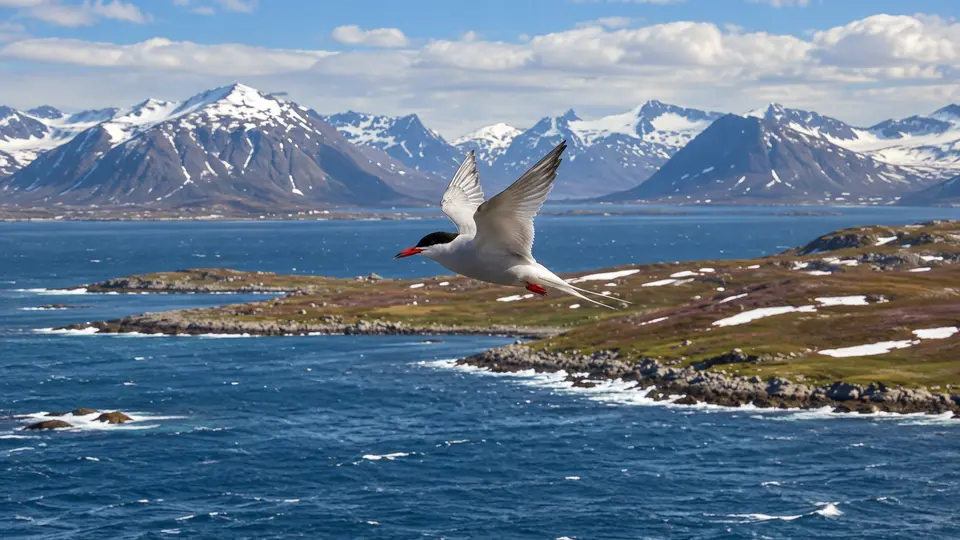
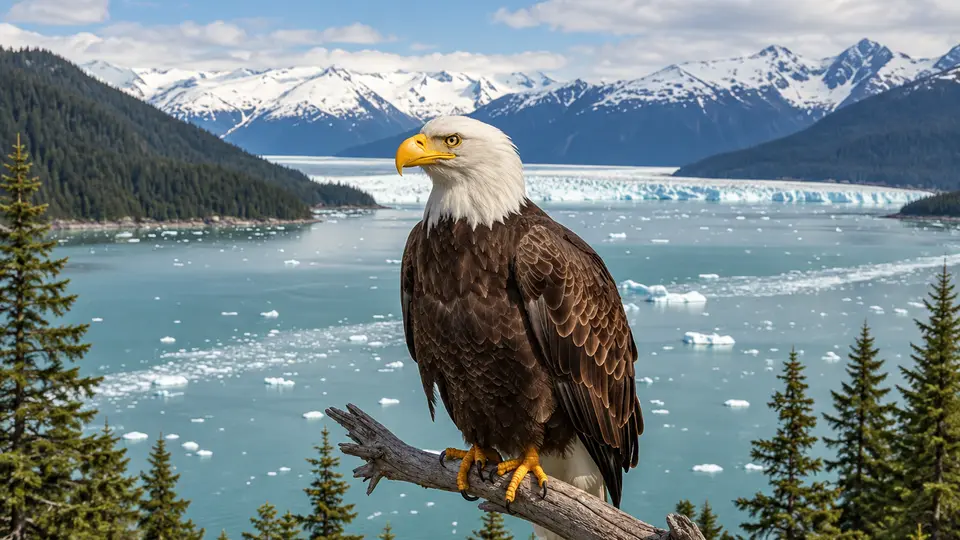
Northwestern CrowAI-modifiedNorthwestern CrowArctic TernAI-modifiedArctic TernBald EagleAI-modifiedBald Eagle
Animal groupBirdsAnimal groupBirdsAnimal groupBirds
DestinationsAlaskaDestinationsAlaska, Norway, ArcticDestinationsAlaska, Florida, New England
Scientific nameCorvus brachyrhynchosScientific nameScientific name
All wildlife destinations
AI-modified
Plan your trip

Find your next wildlife adventure

Compare destinations, shore programs and dates with the animals and habitats you would love to see.

  • Naturalist-led shore excursions
  • Responsible wildlife watching
  • Small expedition ships