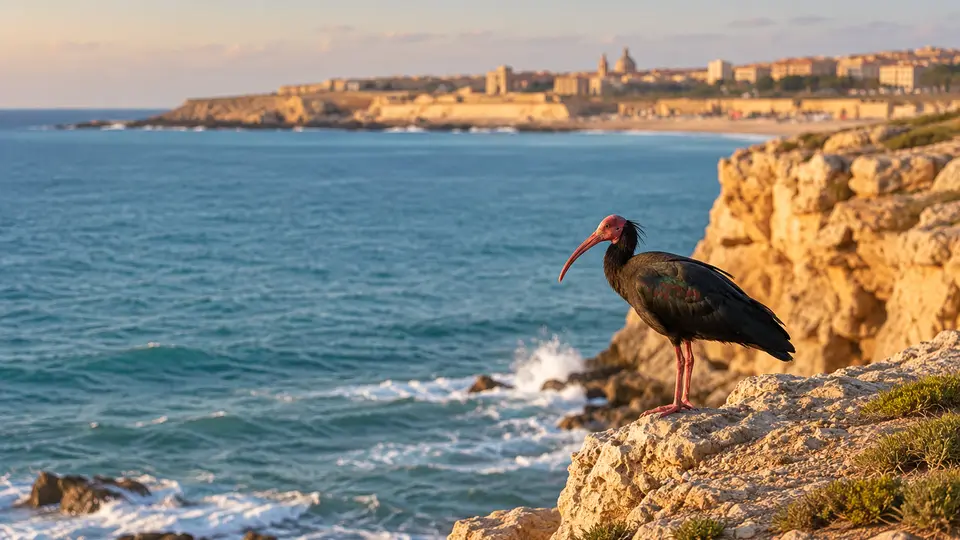
Northern Bald Ibis in its natural habitatAI-modified

Northern Bald IbisGeronticus eremitaWhere and when to see them

Northern Bald Ibis at a glance

The northern bald ibis is a glossy dark bird with a bare reddish head, a ragged neck crest and a long curved bill. Once widespread around the Mediterranean and beyond, it suffered severe declines through persecution, habitat change and other human pressures. Its surviving populations have very different management histories. Turkey's famous Birecik birds belong to a closely managed, semi-wild population, rather than an unrestricted migratory colony that visitors can assume will always be present.

Behaviour & reproduction

Size
70–80 cm (27.6–31.5 in) body length
Weight
1.0–1.5 kg (2.2–3.3 lb)
Lifespan
Not reliably established
Status
Endangered

Northern bald ibises are social, feeding in groups and nesting in colonies on ledges. They walk steadily across open ground, probing and picking at prey with their curved bills. Partners greet one another with bowing displays and calls, and both parents help rear the chicks. Wild migratory traditions can depend on experienced birds guiding younger individuals. At Birecik, seasonal release and enclosure management substantially influence the movements that visitors may observe. Courtship displays often involve elaborate head-shaking and mutual preening between pairs. Outside the breeding season, some populations form large communal roosts, especially migratory ones before their journey south. During migration, they typically fly in V-formations, utilizing thermals to conserve energy.

Top wildlife locations

Turkey wildlife habitatAI-modified

Turkey

Birecik's managed colony occupies the inland Euphrates valley, where authorized land-based viewpoints overlook cliff and enclosure habitat. A substantial inland excursion is required; coastal shore stops are not suitable substitutes.
Destinations describe the species' habitat, not guaranteed cruise stops. Some animals require an optional inland excursion or are found in restricted reserves.

Fun facts about the Northern Bald Ibis

  • Adults have bare heads, while young birds initially retain head feathering.
  • Both parents incubate and feed their young.
  • Birecik's conservation management includes seasonal enclosure of birds to reduce migration-related losses.
  • Its closest living relative is the southern bald ibis of southern Africa.

Best time to see the Northern Bald Ibis

Spring and early summer are generally the most relevant periods for asking about free-flying birds at Birecik. Release dates, breeding management and visitor access can change annually. Confirm arrangements directly with the conservation facility rather than treating Turkey's wider holiday season as a wildlife timetable. The arrival of wild birds at their breeding grounds in Morocco usually occurs from late February to mid-March. Incubation typically lasts around 28 days, with chicks fledging approximately 45 to 50 days after hatching. The main breeding activity generally peaks from March to May across their range.

Northern Bald Ibis: season matrix by destination

Travel and observation windows vary by region. Highlighted months are an orientation for planning, not confirmed sightings or a guarantee of access.

Turkey

These months offer a plausible spring-to-early-summer visit window, but free-flight periods and facility access depend on annual management decisions; confirm locally.

JanFebMarAprMayJunJulAugSepOctNovDec
Cruise ships in Turkey

Where the Northern Bald Ibis lives

Suitable landscapes combine secure cliff ledges for nesting with nearby open feeding grounds. Short grassland, lightly cultivated fields, steppe and sparsely vegetated ground allow birds to find prey. In Turkey, the managed Birecik population is associated with the inland Euphrates valley. The species once ranged across North Africa, the Middle East, and parts of central Europe, with its last European wild breeding colony disappearing in the 17th century. Remnant wild populations are now restricted to coastal Morocco, with a small non-migratory colony. Turkey's Birecik population represents a semi-wild, managed colony with human intervention.

What the Northern Bald Ibis eats

It eats mainly animal prey gathered from open ground, including beetles, grasshoppers, other invertebrates and small reptiles. Its long bill probes loose soil and vegetation. Feeding success depends on accessible prey, so dense vegetation and intensive land management can reduce habitat quality. Their diet can also include small amphibians and reptiles, particularly during breeding season when protein demands are higher. Juveniles often require a diet rich in insects for rapid growth and development. They are opportunistic feeders, adapting their diet somewhat to local prey availability.

Species at a glance

Common name
Northern Bald Ibis
Scientific name
Geronticus eremita
Animal group
Birds
Size
70–80 cm (27.6–31.5 in) body length
Weight
1.0–1.5 kg (2.2–3.3 lb)
Lifespan
Not reliably established
Status
Endangered
Identification
Unlike the glossy ibis, it has a bare red face, a shaggy rear crest and relatively short legs beneath its glossy black body. Beyond the striking red head, a key feature is its decurved, reddish bill, which is noticeably long and slender. When in flight, the bare underwing patch is visible, contrasting with the dark plumage. Juveniles have a duller, greyish head and a less prominent crest compared to adults.

Northern Bald Ibis: frequently asked questions

Where can I see the Northern Bald Ibis?
Turkey. Watch only from authorized visitor areas and keep clear of nesting ledges and enclosures. Do not offer food or use playback to attract birds. Follow staff instructions because access protects a highly managed endangered population. Be mindful that these birds are highly sensitive to human disturbance, especially near breeding sites, which can lead to nest abandonment. Maintaining a respectful distance and using binoculars or spotting scopes is crucial for observing their natural behaviors without causing stress. The Birecik site offers specific viewing platforms designed to minimize impact while providing good views.
When is the best time to see the Northern Bald Ibis?
Spring and early summer are generally the most relevant periods for asking about free-flying birds at Birecik. Release dates, breeding management and visitor access can change annually. Confirm arrangements directly with the conservation facility rather than treating Turkey's wider holiday season as a wildlife timetable. The arrival of wild birds at their breeding grounds in Morocco usually occurs from late February to mid-March. Incubation typically lasts around 28 days, with chicks fledging approximately 45 to 50 days after hatching. The main breeding activity generally peaks from March to May across their range.
How big does the Northern Bald Ibis get?
70–80 cm (27.6–31.5 in) body length. Adult weight: 1.0–1.5 kg (2.2–3.3 lb). Size varies with age, sex and population.
How should I behave around the Northern Bald Ibis?
Watch only from authorized visitor areas and keep clear of nesting ledges and enclosures. Do not offer food or use playback to attract birds. Follow staff instructions because access protects a highly managed endangered population. Be mindful that these birds are highly sensitive to human disturbance, especially near breeding sites, which can lead to nest abandonment. Maintaining a respectful distance and using binoculars or spotting scopes is crucial for observing their natural behaviors without causing stress. The Birecik site offers specific viewing platforms designed to minimize impact while providing good views.
What does the Northern Bald Ibis eat?
It eats mainly animal prey gathered from open ground, including beetles, grasshoppers, other invertebrates and small reptiles. Its long bill probes loose soil and vegetation. Feeding success depends on accessible prey, so dense vegetation and intensive land management can reduce habitat quality. Their diet can also include small amphibians and reptiles, particularly during breeding season when protein demands are higher. Juveniles often require a diet rich in insects for rapid growth and development. They are opportunistic feeders, adapting their diet somewhat to local prey availability.
Are wildlife sightings guaranteed on an adventure cruise?
No. Animals move freely and routes, weather, access restrictions and local conditions influence every outing. Confirm the actual itinerary and shore program before booking.

Compare wildlife in the same destinations

Explore other birds recorded in these destinations. Similar surroundings do not mean the animals share the same habits or viewing season.

Species comparison by animal group and destination
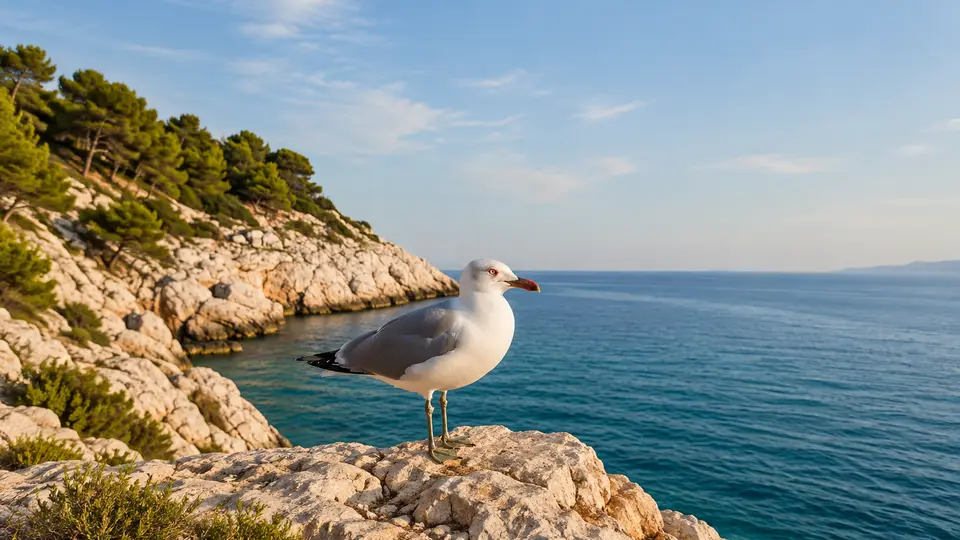
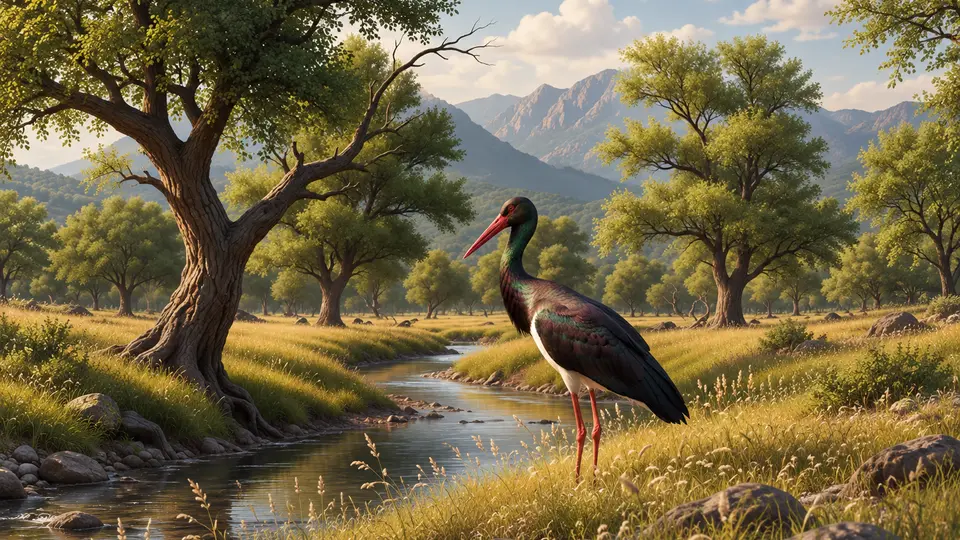
Northern Bald IbisAI-modifiedNorthern Bald IbisAudouin's GullAI-modifiedAudouin's GullBlack StorkAI-modifiedBlack Stork
Animal groupBirdsAnimal groupBirdsAnimal groupBirds
DestinationsTurkeyDestinationsCroatia, Greece, Portugal, TurkeyDestinationsPortugal, Turkey
Scientific nameGeronticus eremitaScientific nameScientific name
All wildlife destinations
AI-modified
Plan your trip

Find your next wildlife adventure

Compare destinations, shore programs and dates with the animals and habitats you would love to see.

  • Naturalist-led shore excursions
  • Responsible wildlife watching
  • Small expedition ships